Aldehydes
A broad material family adding white light, fizz, citrus peel, wax, and airy lift to a fragrance opening.
Aldehydic
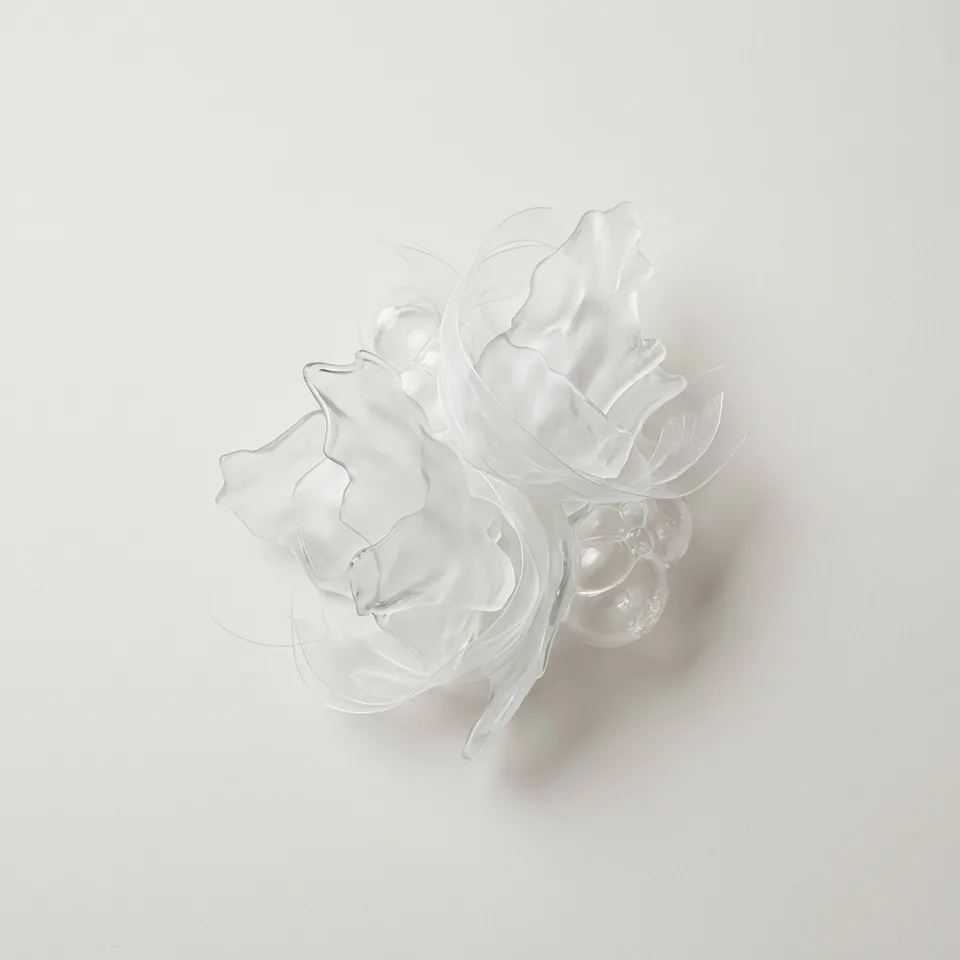
About Aldehydes
Aldehydes are a large chemical family defined by a terminal carbonyl group, not one aromatic material with one smell. They occur in nature as well as in laboratories, but an “aldehydic” effect in fine fragrance usually refers to a carefully proportioned group of synthetic aliphatic materials.
Scent Profile
Odor changes markedly with molecular structure and chain length: orange peel, wax, soap, metal, cool fabric, florals, and fatty warmth can all appear. Blended together, they create **white effervescence**, polished radiance, and an almost abstract sense of air. At a trace level the effect may be hard to identify separately; at high dosage it can become sharp, metallic, or pungent.
Use in Perfumery
Aldehydes often work from the top into the heart, lifting citrus and florals while increasing definition and diffusion. Rose, jasmine, iris, musk, woods, and powdery materials can move them toward clean linen and soap, while a different balance can produce cold metallic brilliance. Potency varies greatly among individual materials, so a very small change in dosage may transform the brightness and apparent volume of the whole formula.
Did You Know?
Trade names such as C-10, C-11, and C-12 do not always map neatly onto strict chemical nomenclature. Similar labels can refer to different molecules and odors, which is why the note name is best understood as guidance toward an olfactory effect rather than a single ingredient declaration.
Perfumes with this note
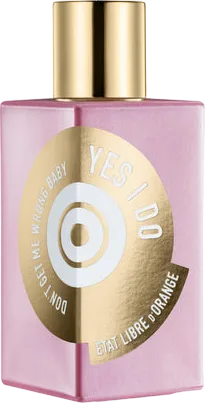 Yes I Do
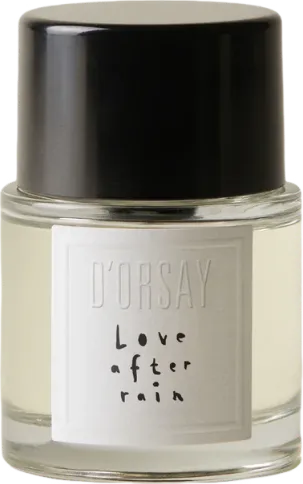 Love After Rain K.M.
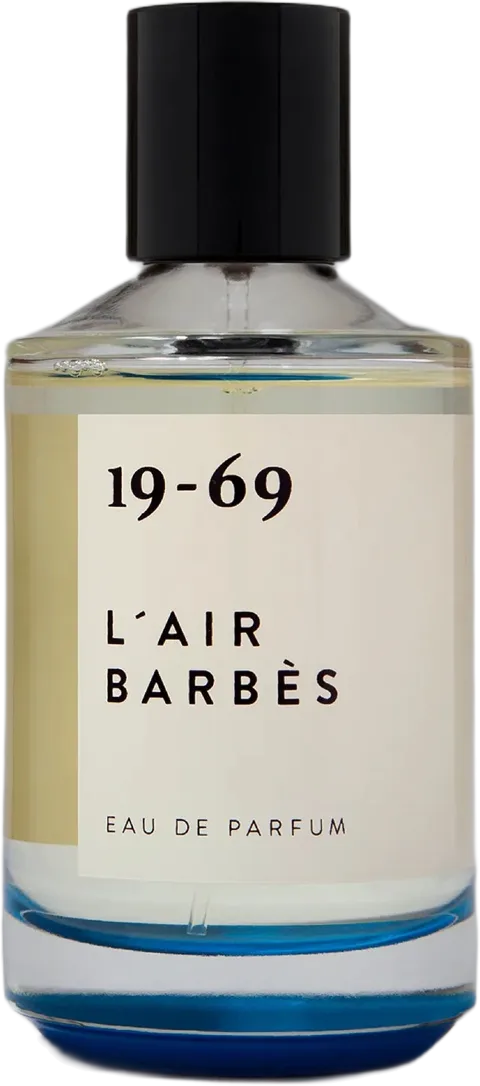 L'Air Barbès
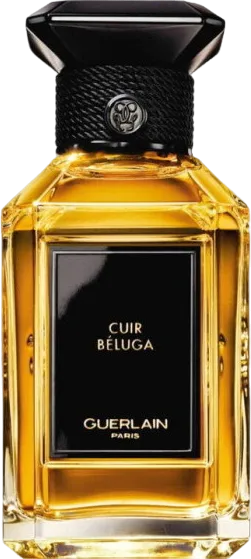 Cuir Béluga
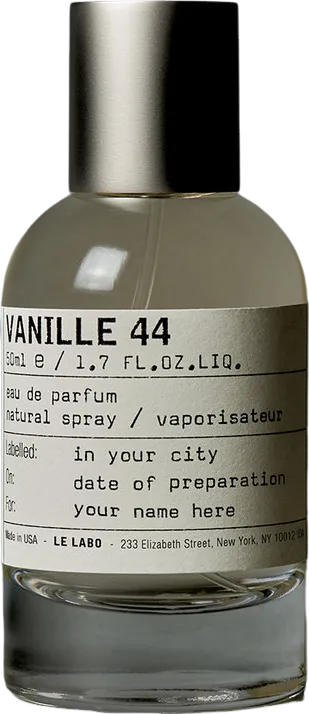 VANILLE 44
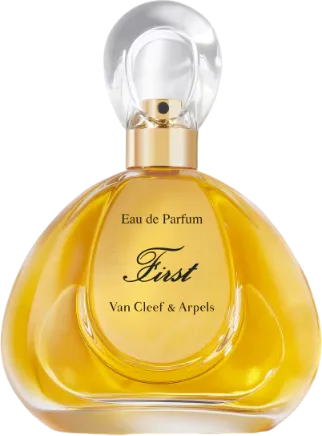 First
First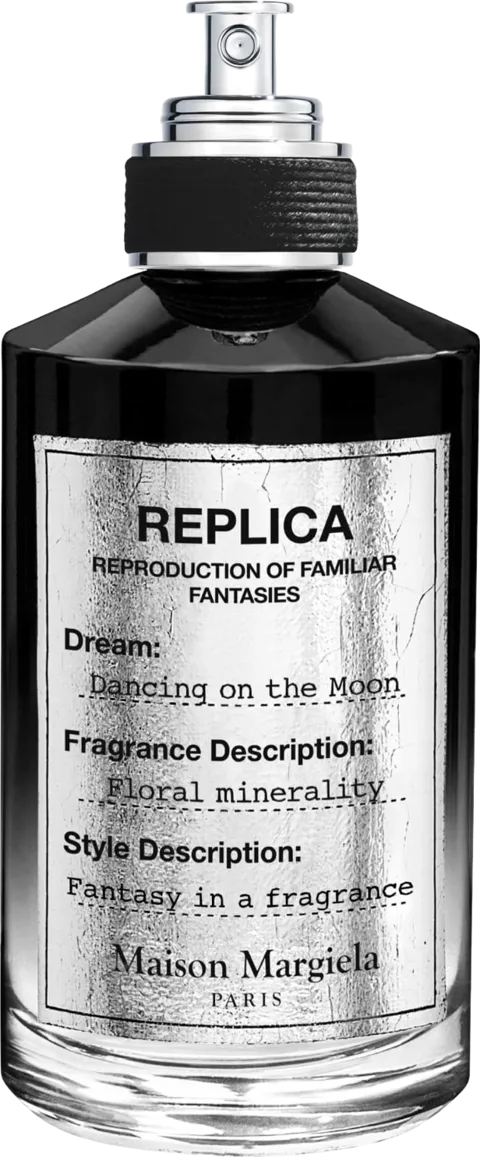 Dancing on the Moon
 CDG
CDG N°22
N°22 Fleurs de Rocaille
 Celestial Whispers
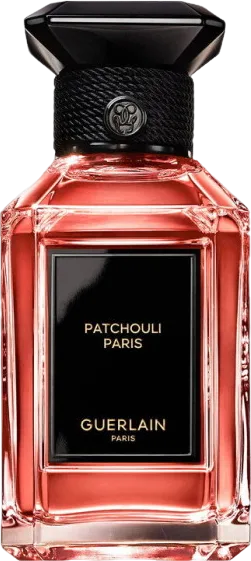 L'Art & La Matière Patchouli Paris
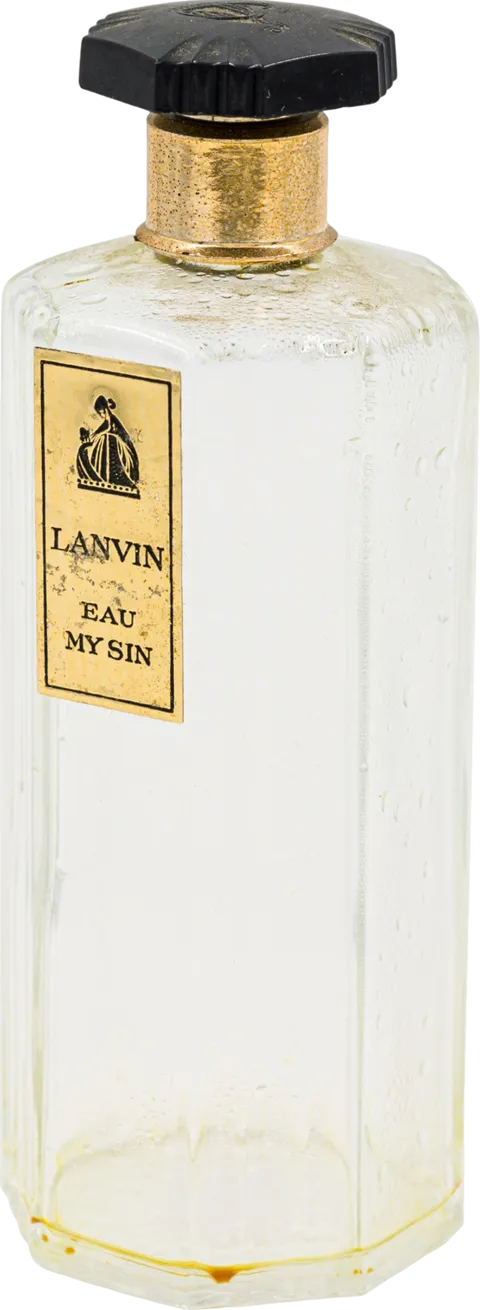 Eau My Sin
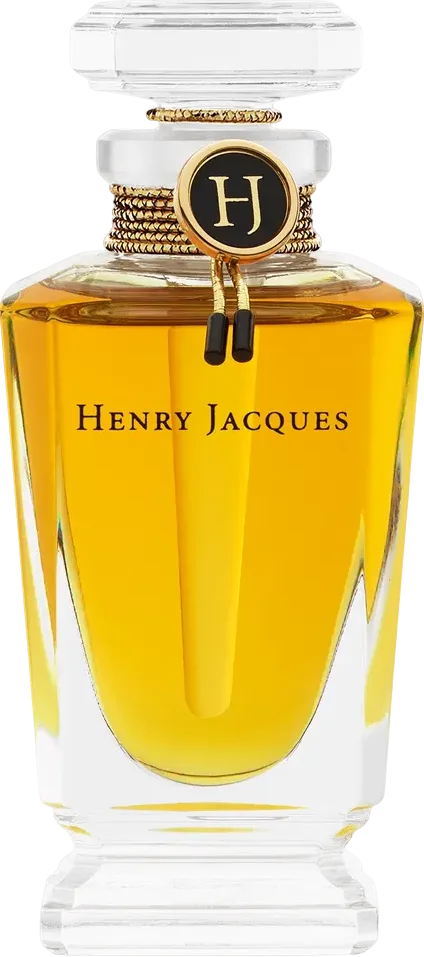 Osara
Osara Indian Oud
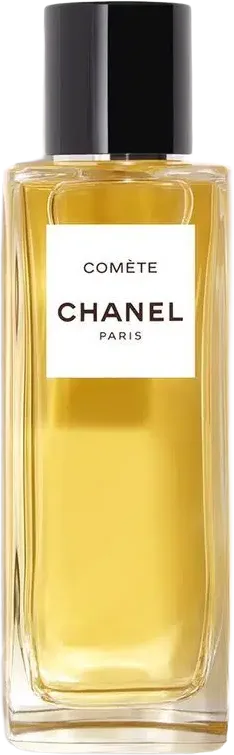 COMÈTE
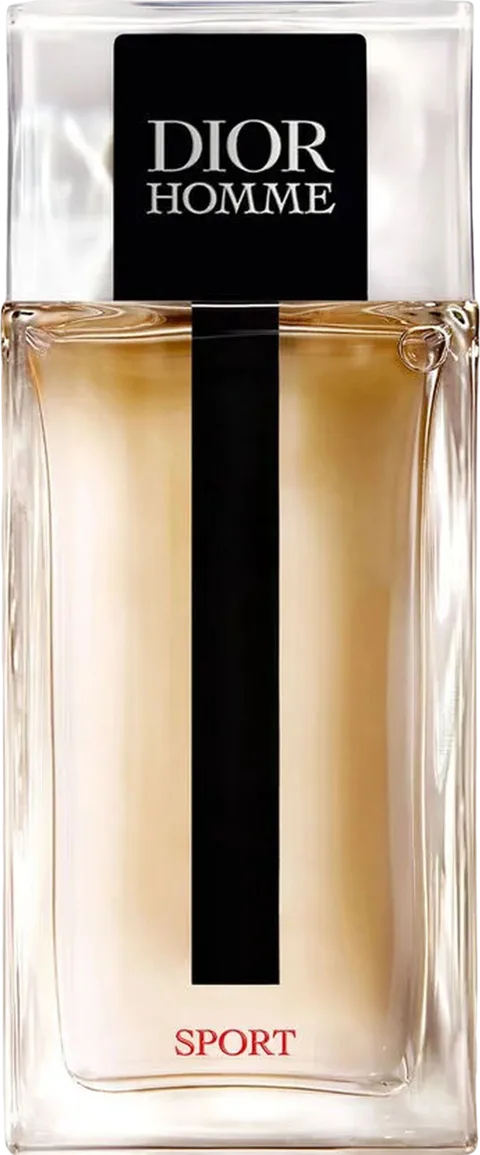 Dior Homme Sport
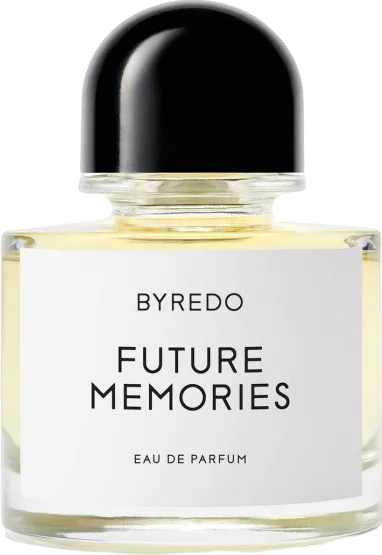 Future Memories
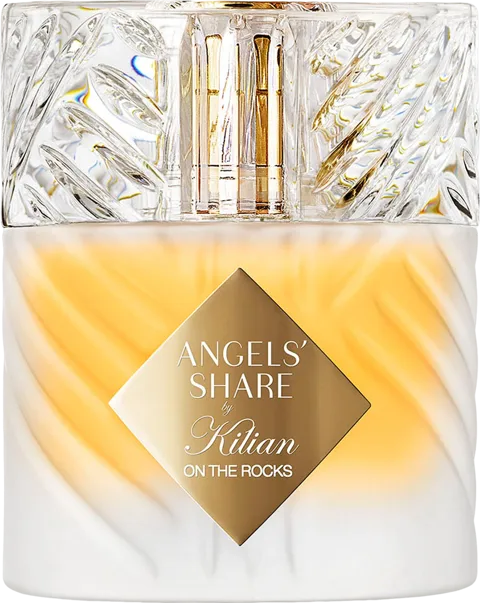 Angels' Share on the Rocks
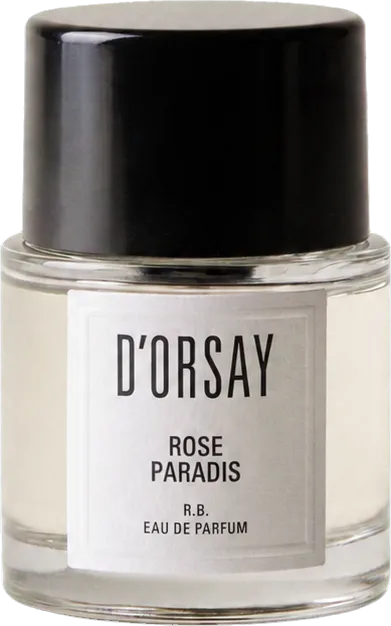 R.B.
R.B. Acne Studios par Frédéric Malle
 Sécrétions Magnifiques
 Shinanay
 Clean Suede
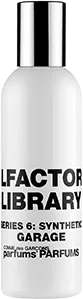 Series 6 Synthetic - Garage
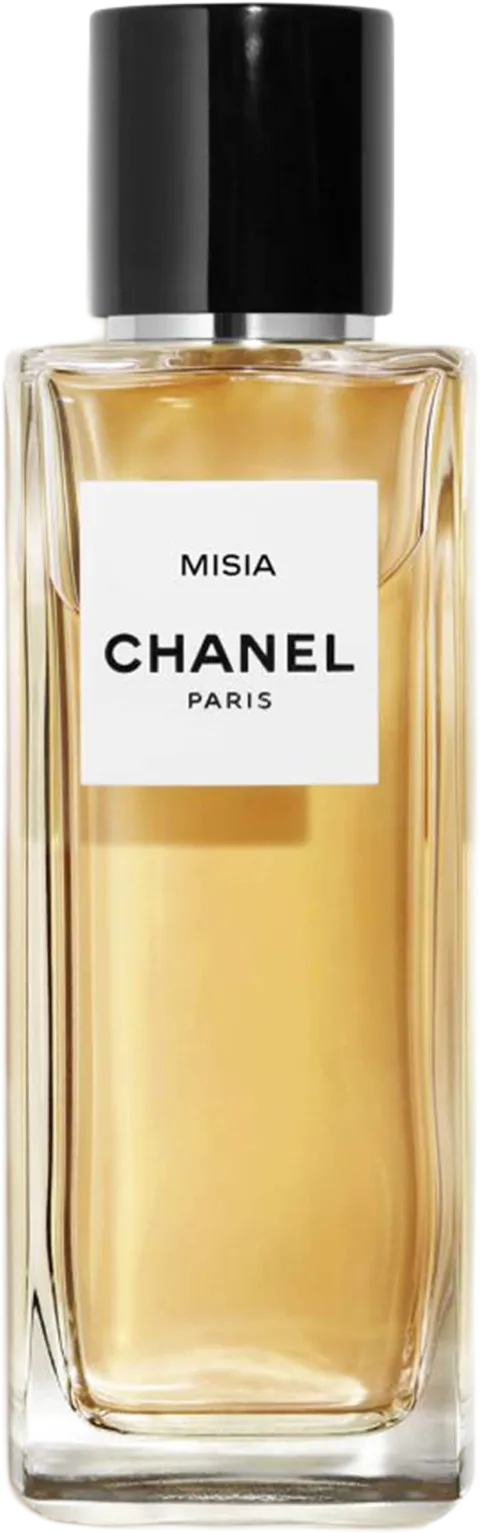 MISIA
MISIA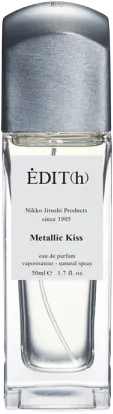 Metallic Kiss
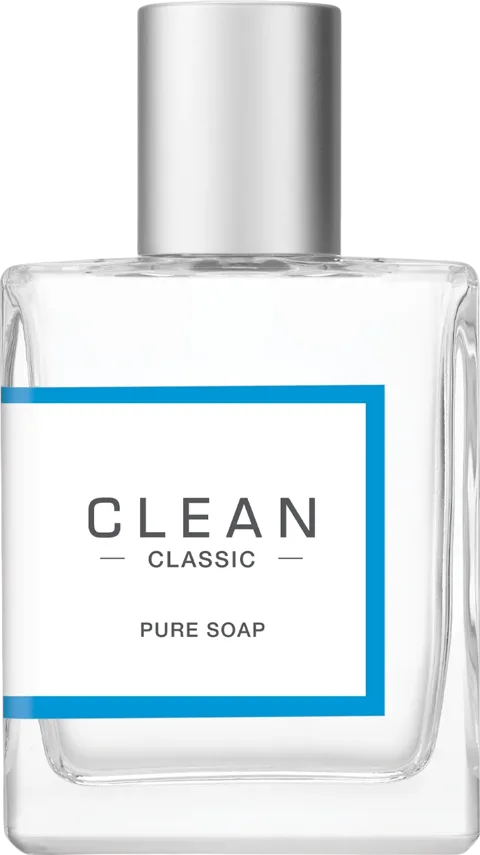 Pure Soap
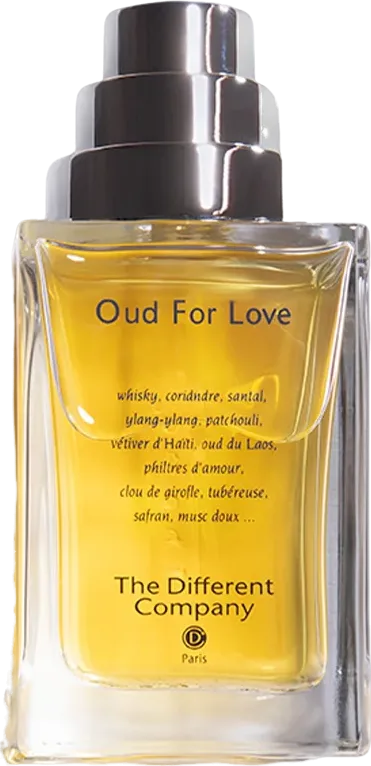 Oud For Love
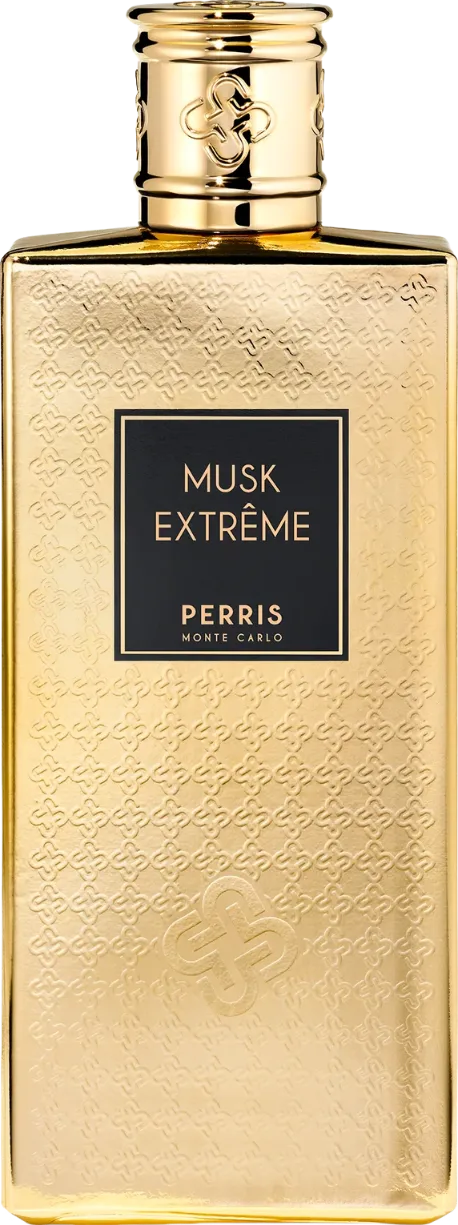 Musk Extrême
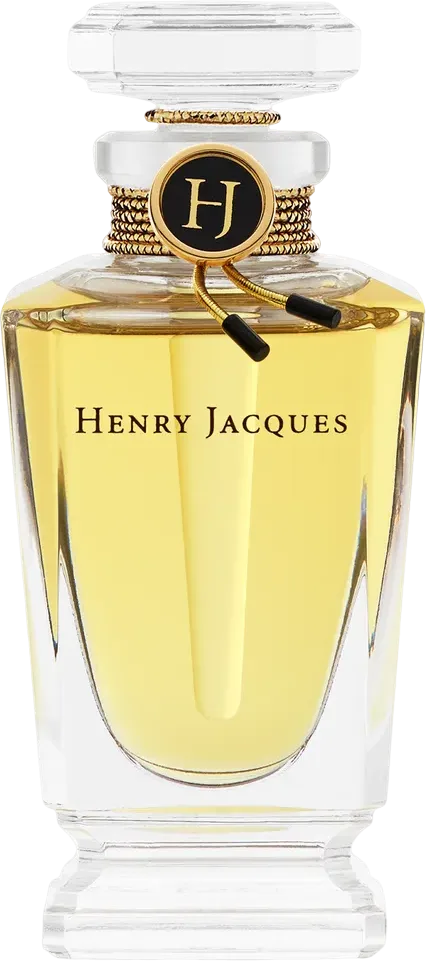 Lorenzo
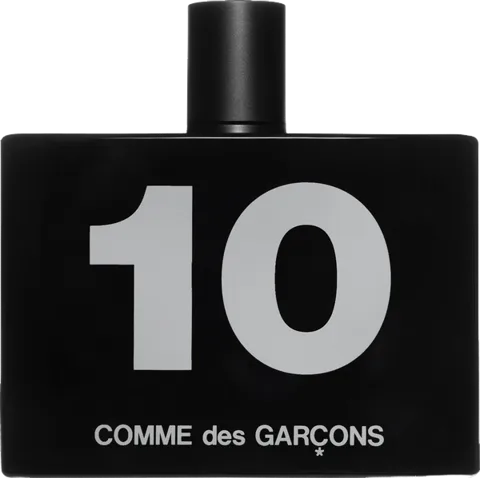 Odeur 10
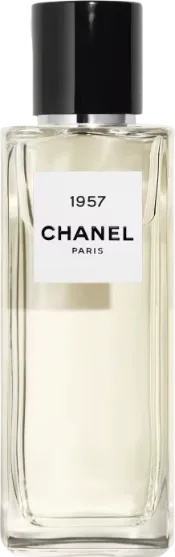 1957
1957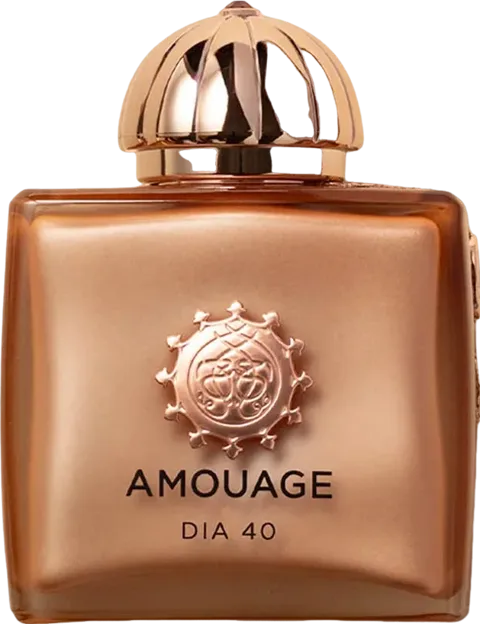 Dia 40 Woman
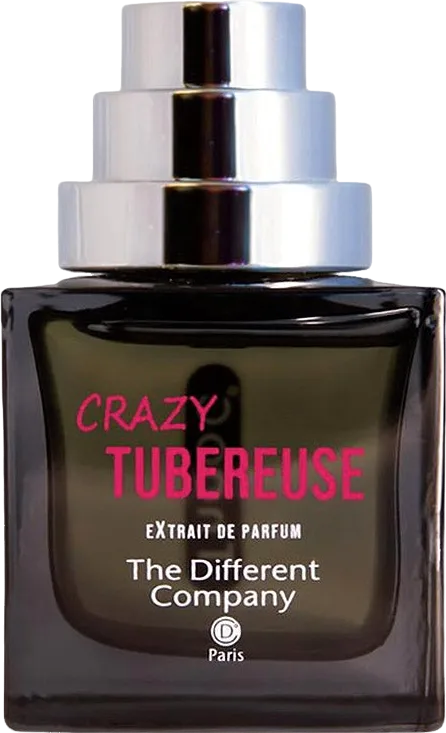 Crazy Tubéreuse
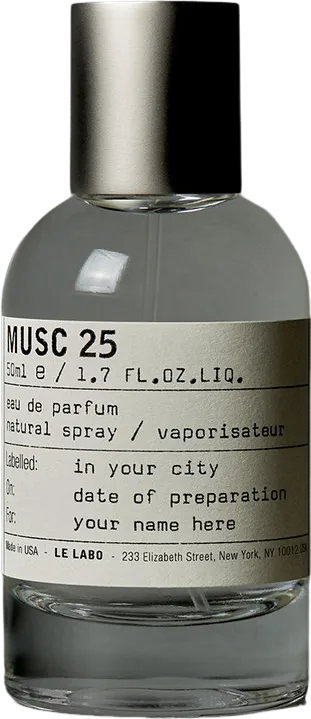 MUSC 25
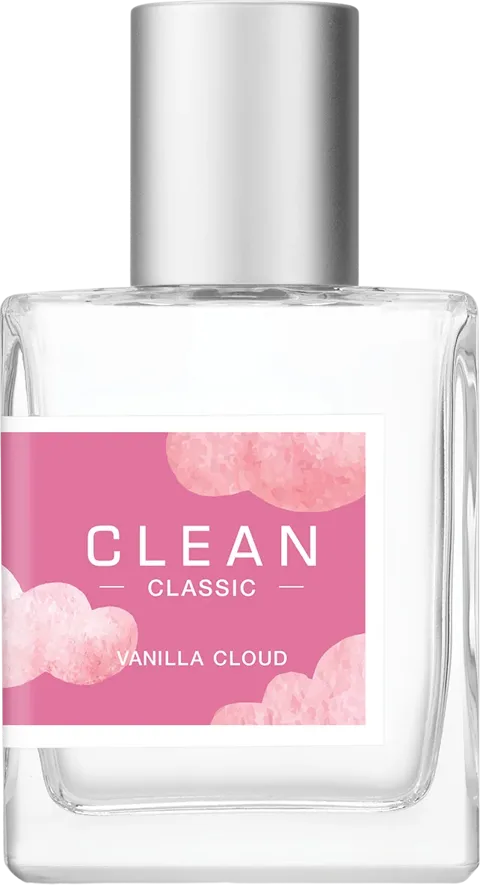 Vanilla Cloud
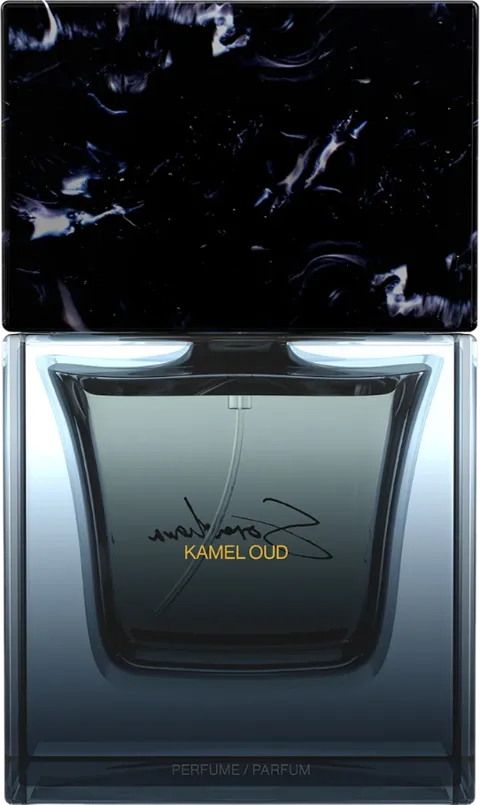 Kamel Oud
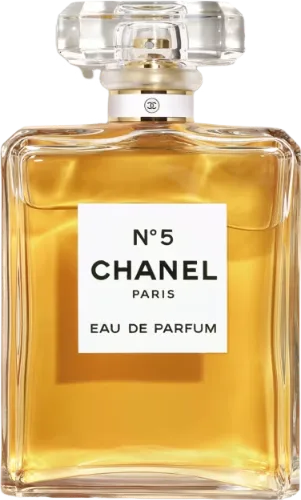 N°5
N°5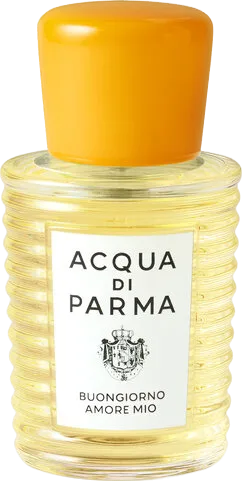 Buongiorno Amore Mio
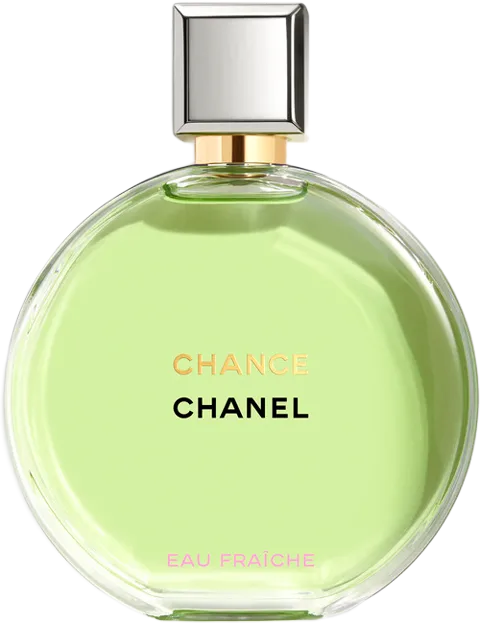 CHANCE EAU FRAÎCHE
 Andy Warhol's You're In
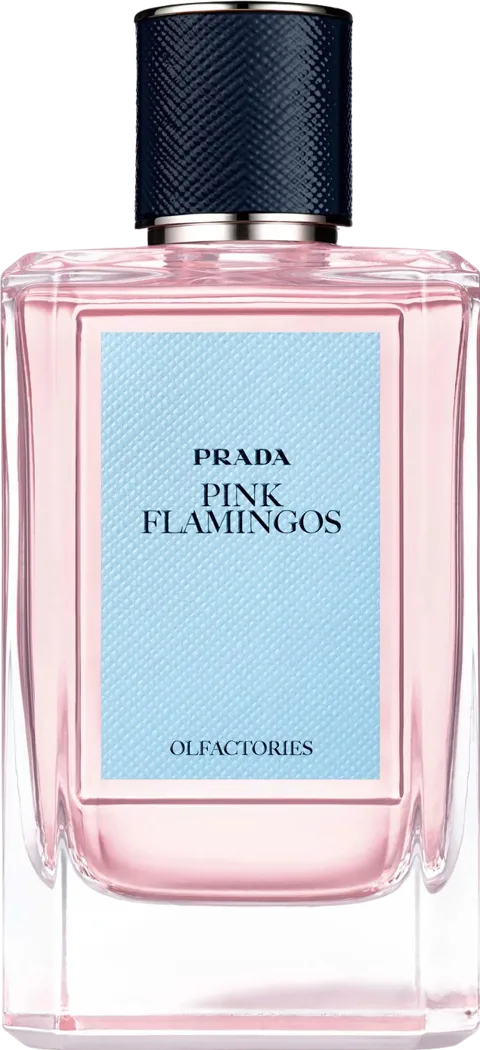 Olfactories - Pink Flamingos
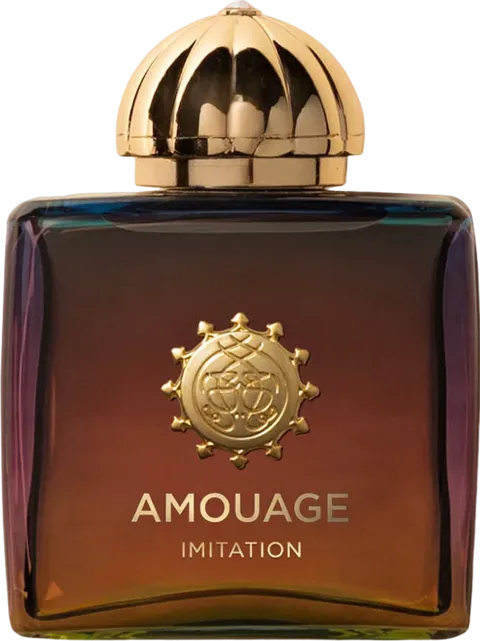 Imitation Woman
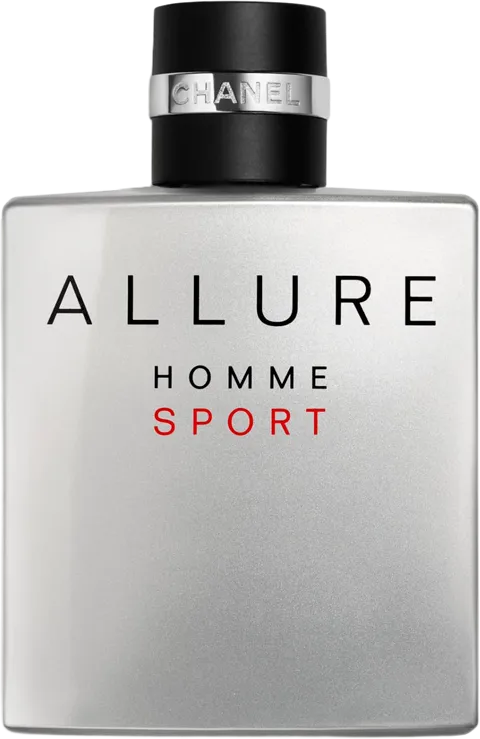 ALLURE HOMME SPORT
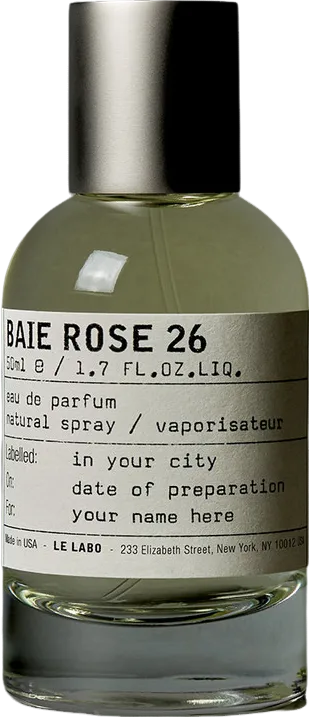 BAIE ROSE 26
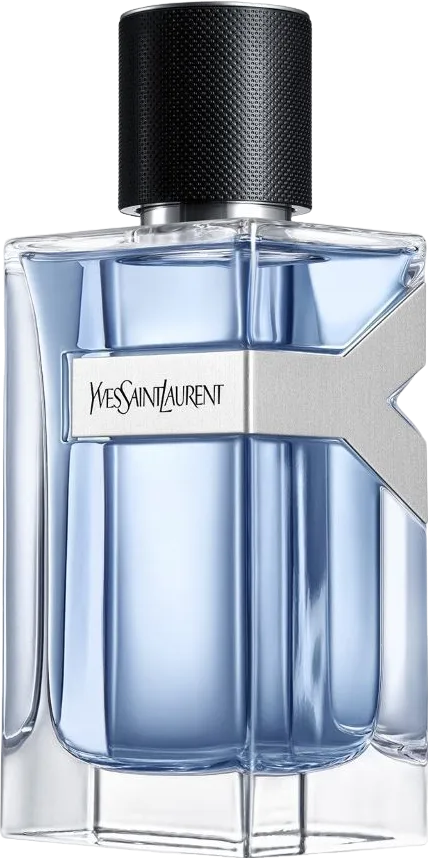 Y Eau de Toilette
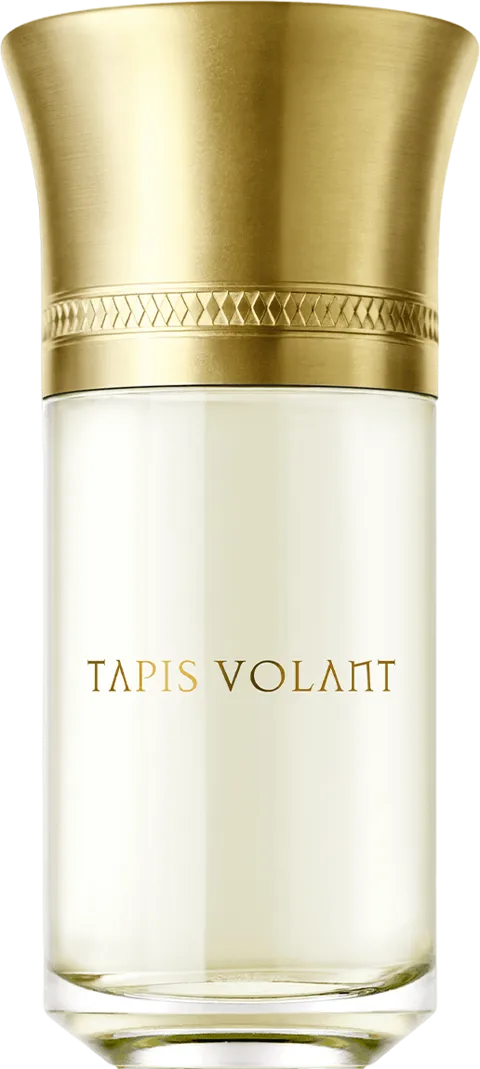 Tapis Volant
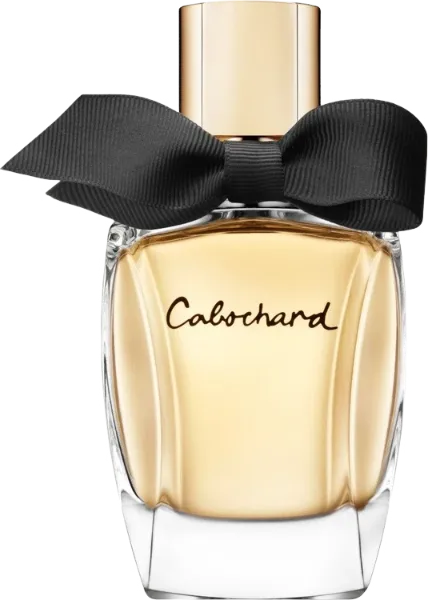 Cabochard
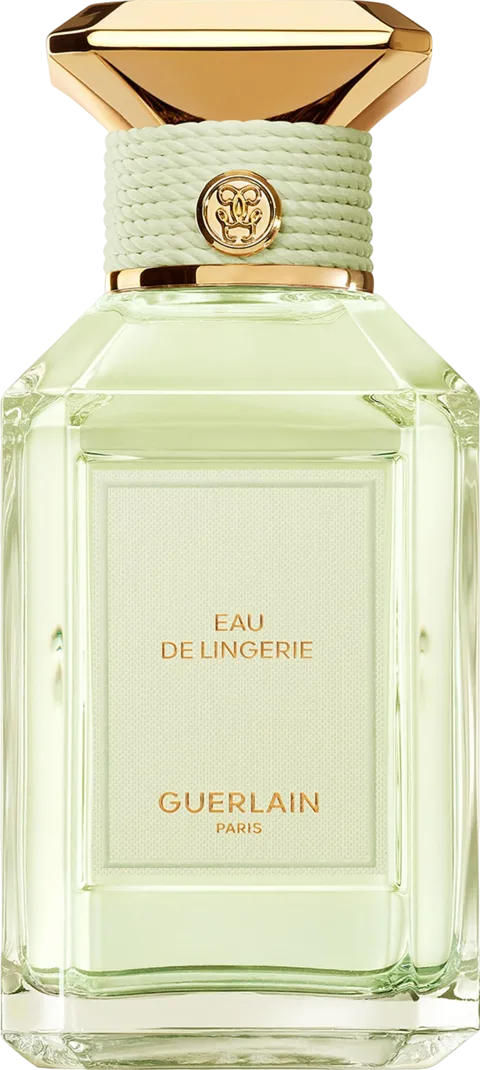 Eau de Lingerie
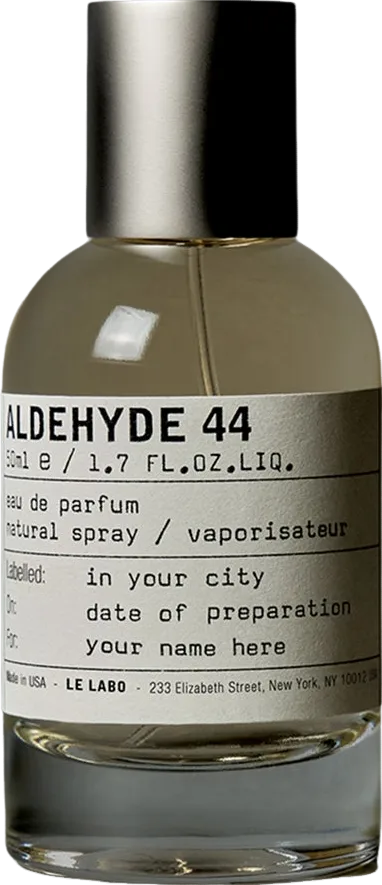 ALDEHYDE 44
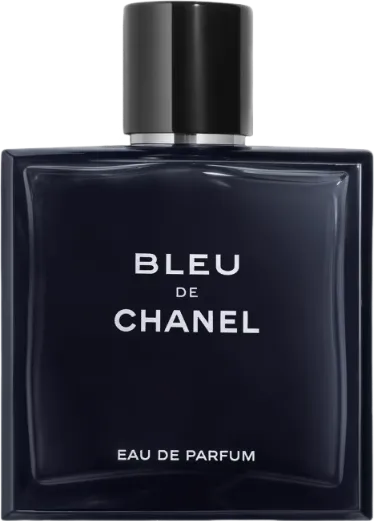 Bleu de Chanel
 N° 9 d'Igor
 New Look
 Y Le Parfum
 NEROLI 36
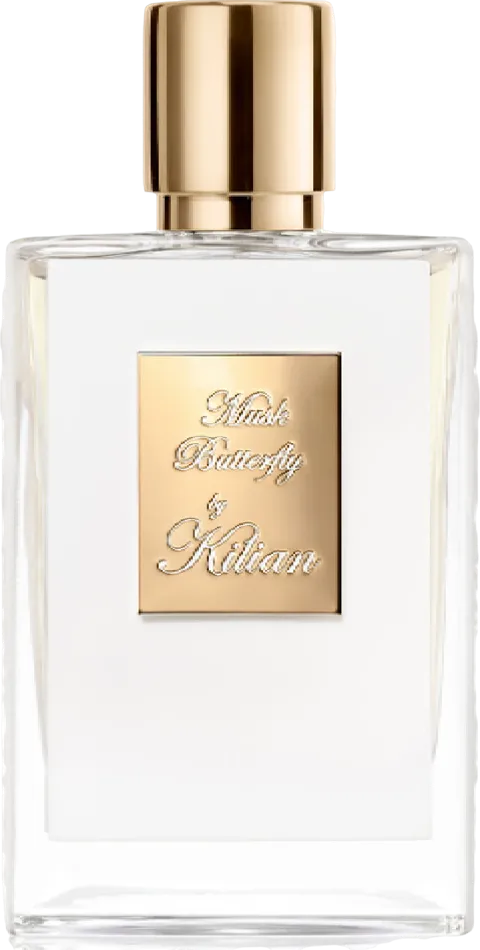 Musk Butterfly
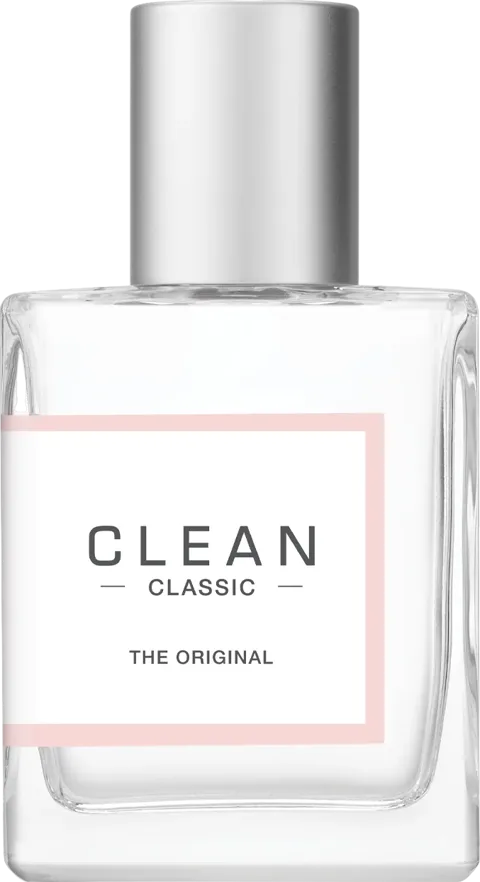 The Original
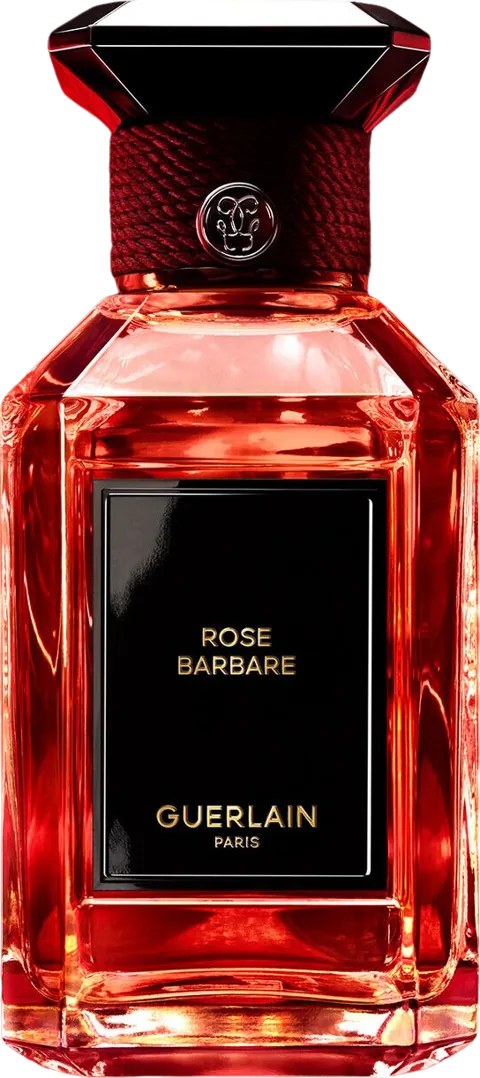 Rose Barbare
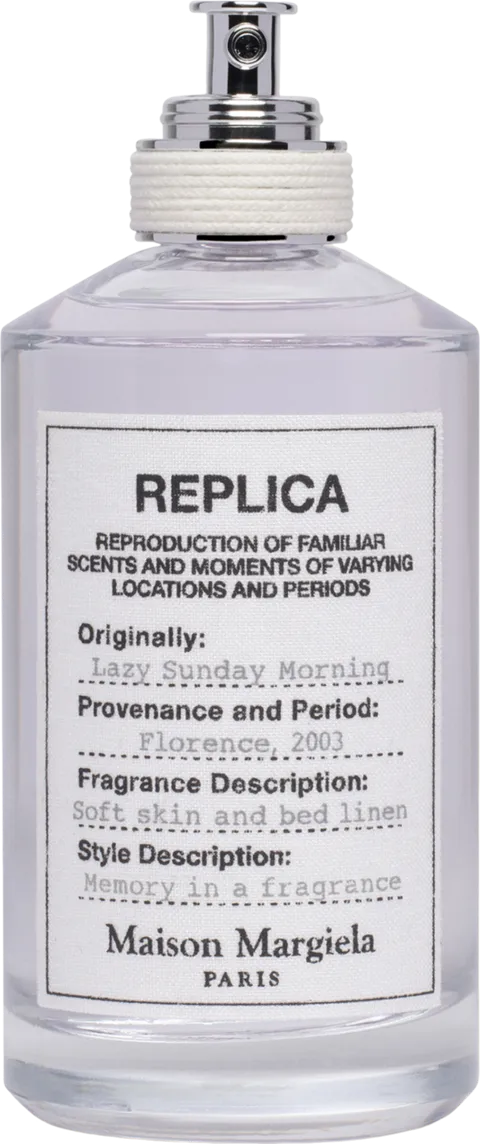 Lazy Sunday Morning
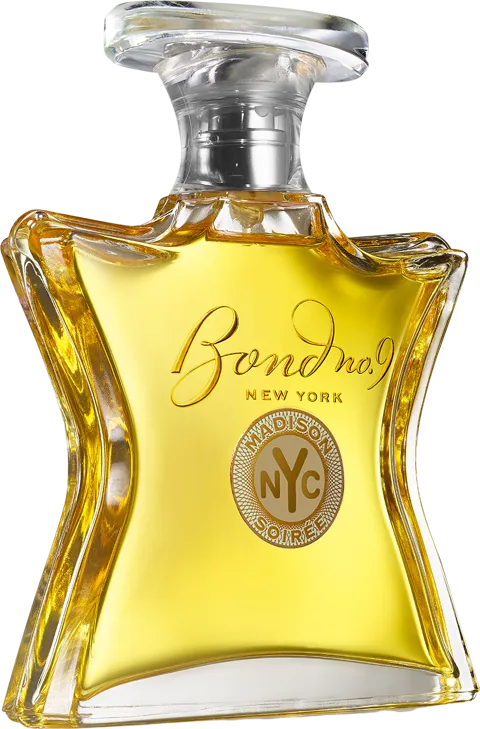 Madison Soiree
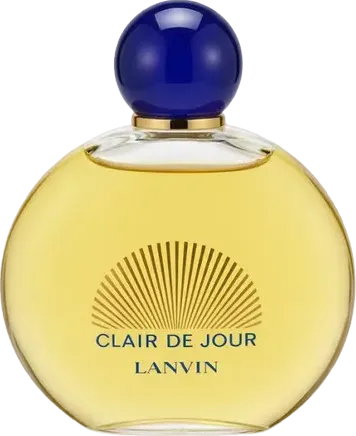 Clair de Jour
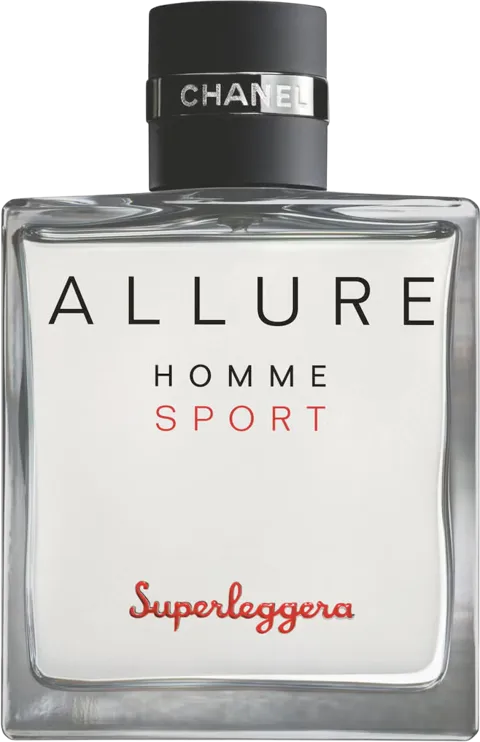 ALLURE HOMME SPORT SUPERLEGGERA
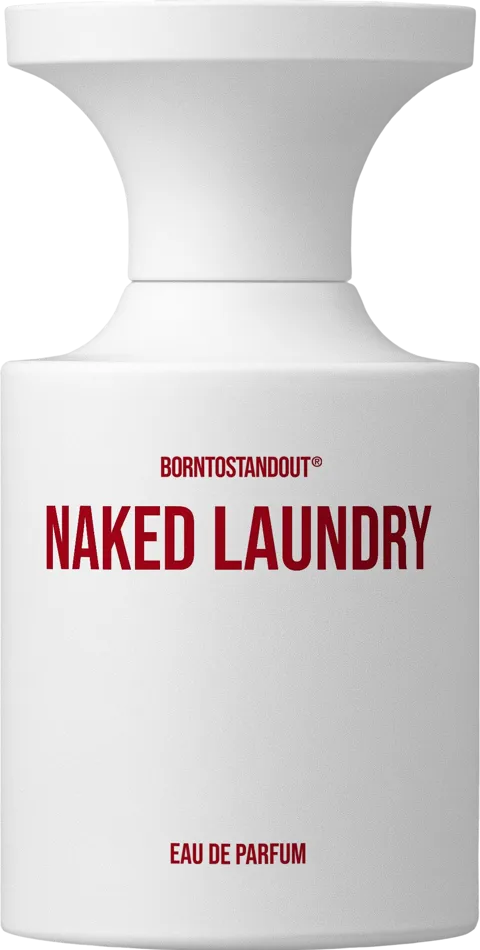 Naked Laundry
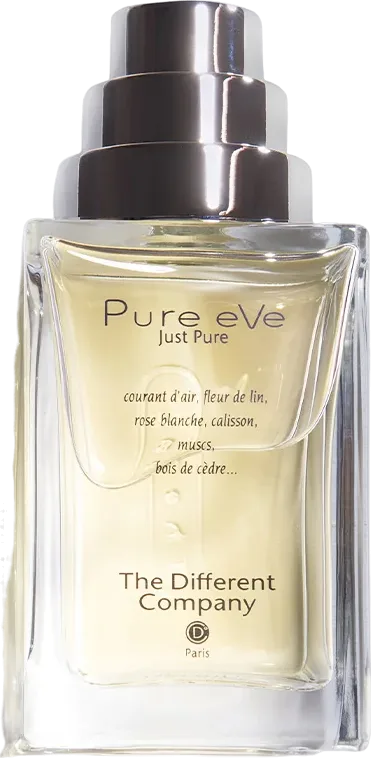 Pure eVe, Just Pure
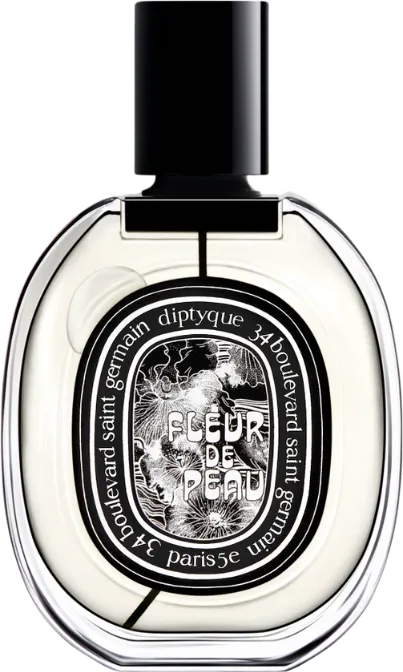 Fleur de Peau
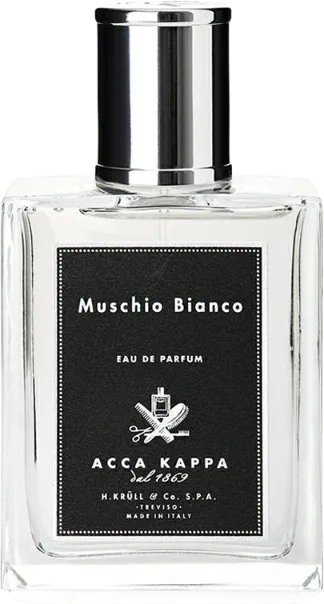 White Moss
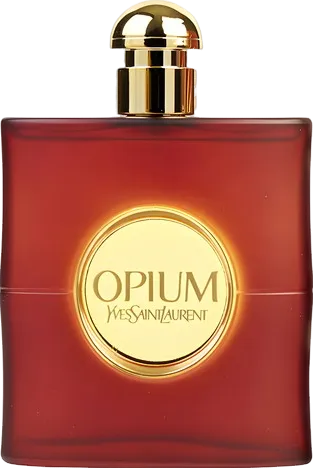 Opium Eau de Toilette Spray
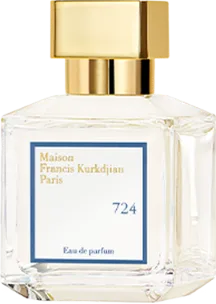 724
724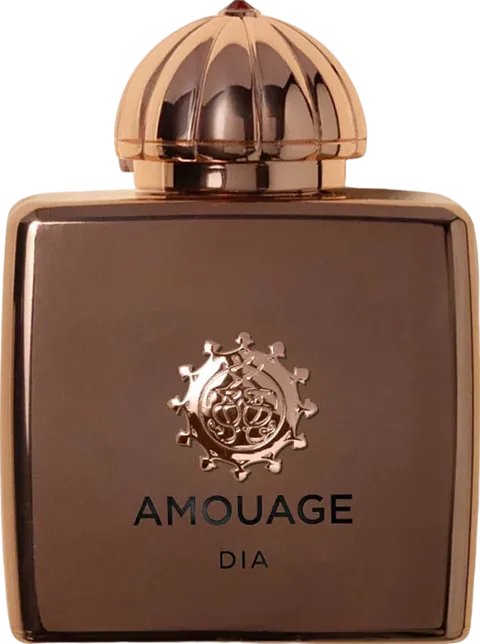 Dia Woman
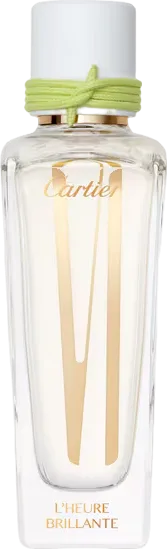 VI L'Heure Brillante
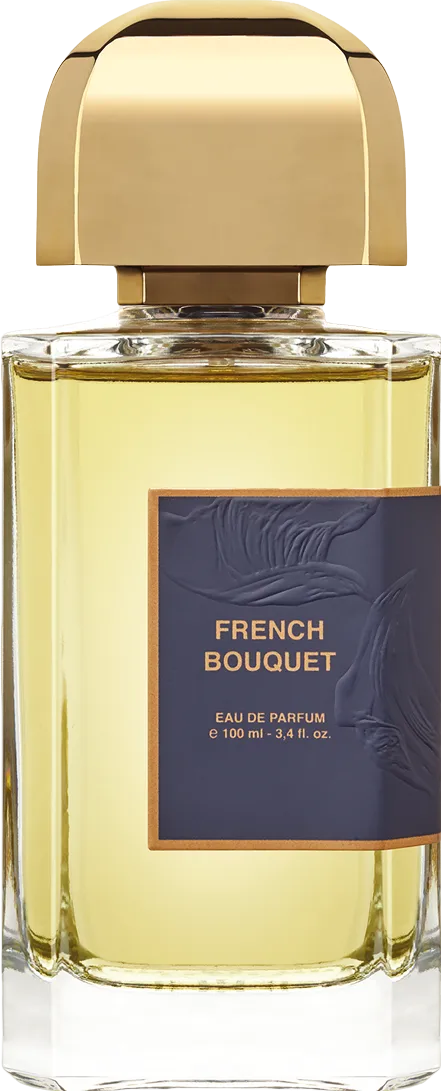 French Bouquet
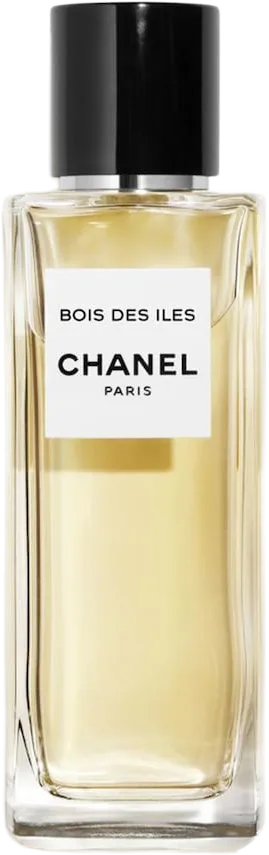 BOIS DES ILES
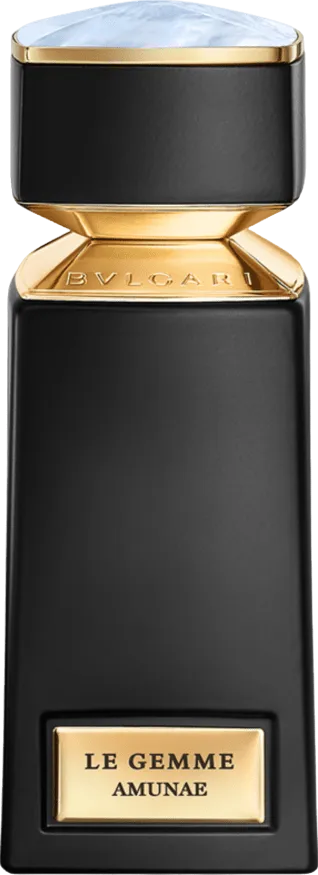 Le Gemme Amunae
 Chinese Ginger & Cinnamon
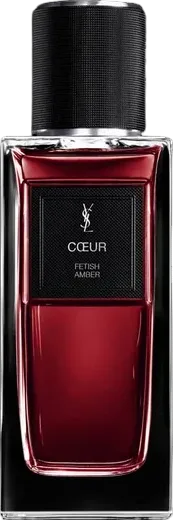 Cœur Eau de Parfum
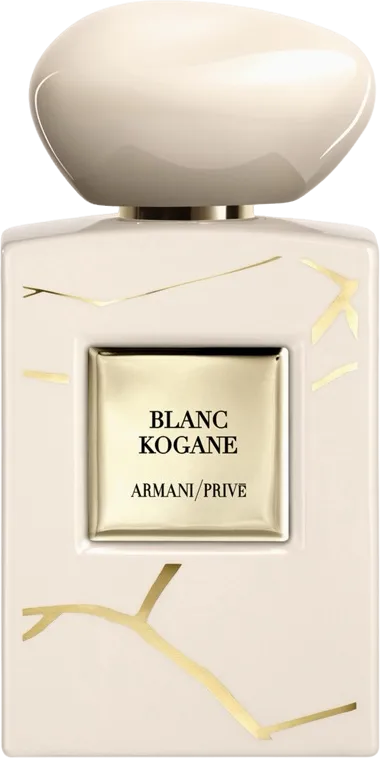 Blanc Kogane
 Musc Shamal
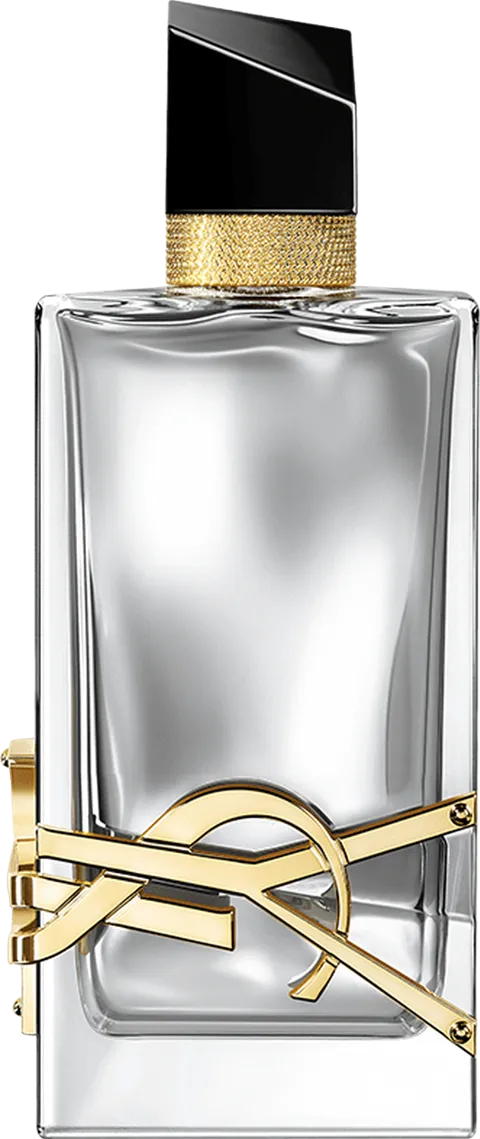 Yves Saint Laurent Libre L'Absolu Platine Eau de Parfum
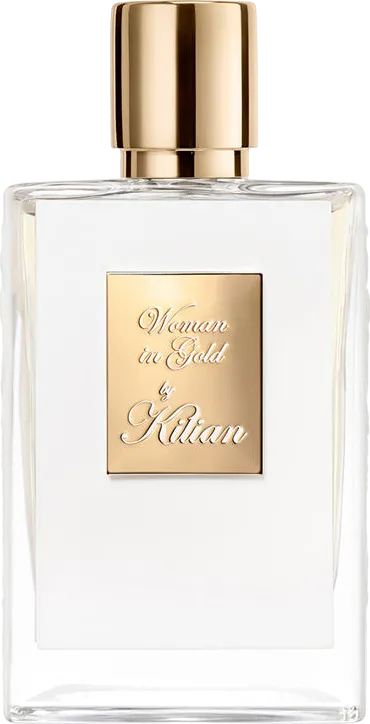 Woman in Gold
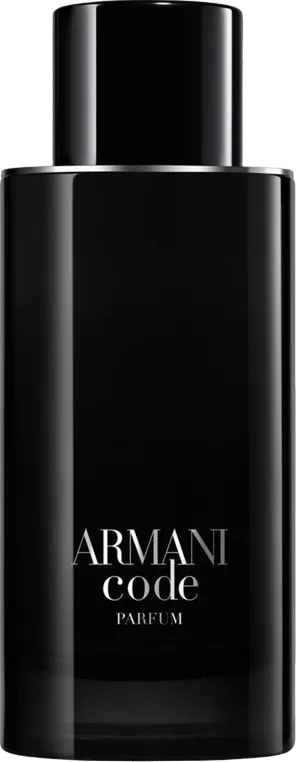 Armani Code Parfum (Men)
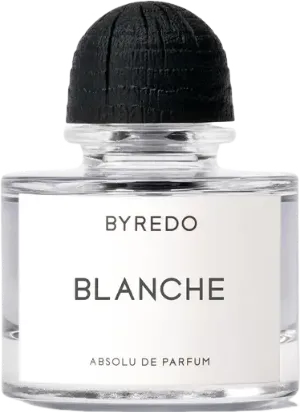 Blanche Absolu de Parfum
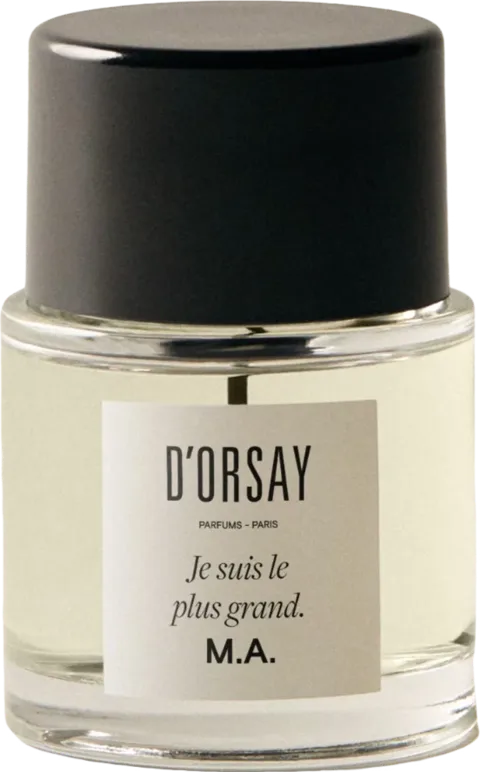 M.A.
M.A.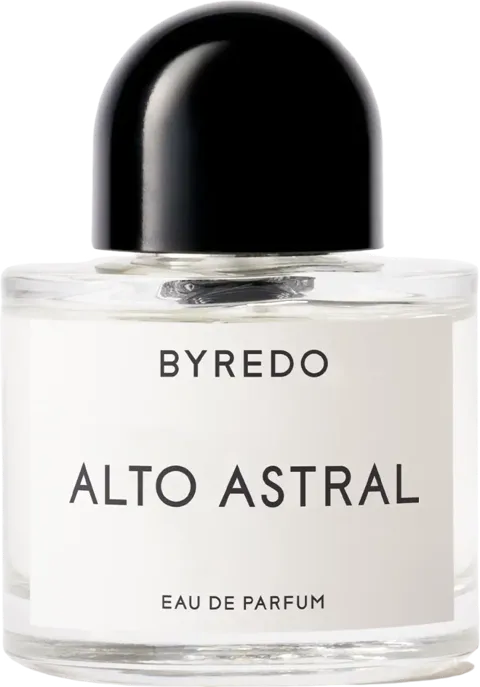 Alto Astral
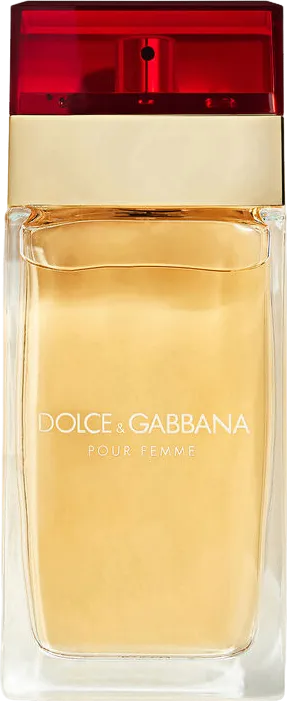 Dolce&Gabbana Eau de Toilette
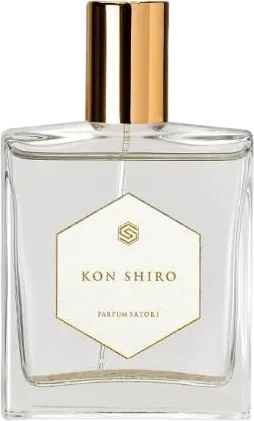 KON SHIRO
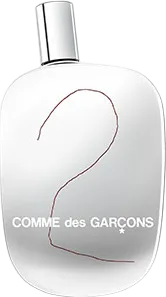 CDG 2
CDG 2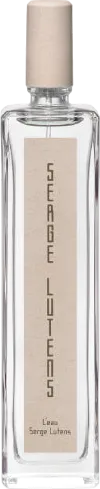 L'Eau Serge Lutens
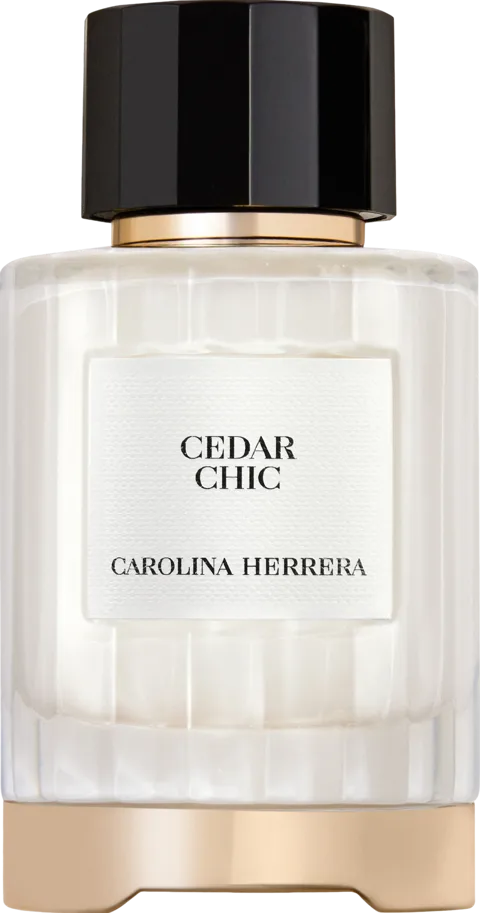 Cedar Chic
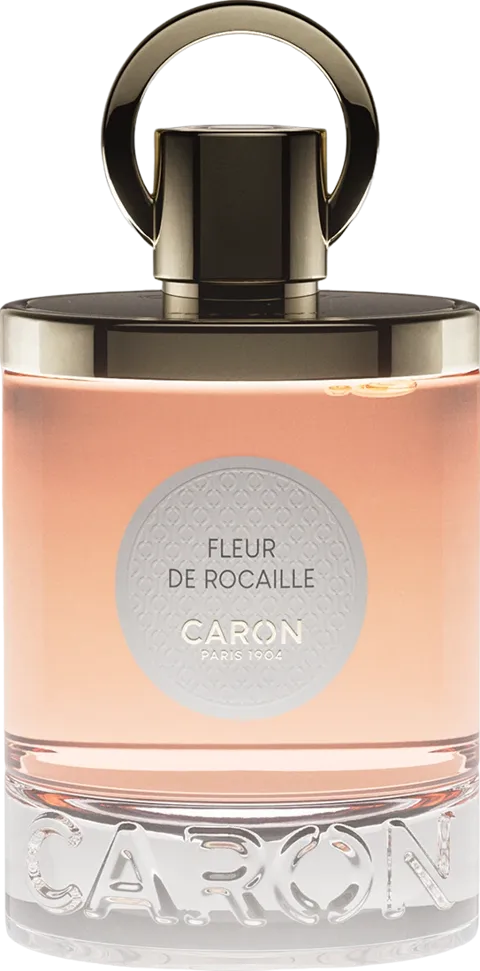 Fleur de Rocaille
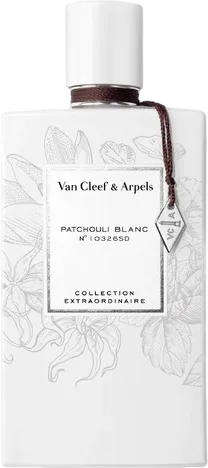 Patchouli Blanc
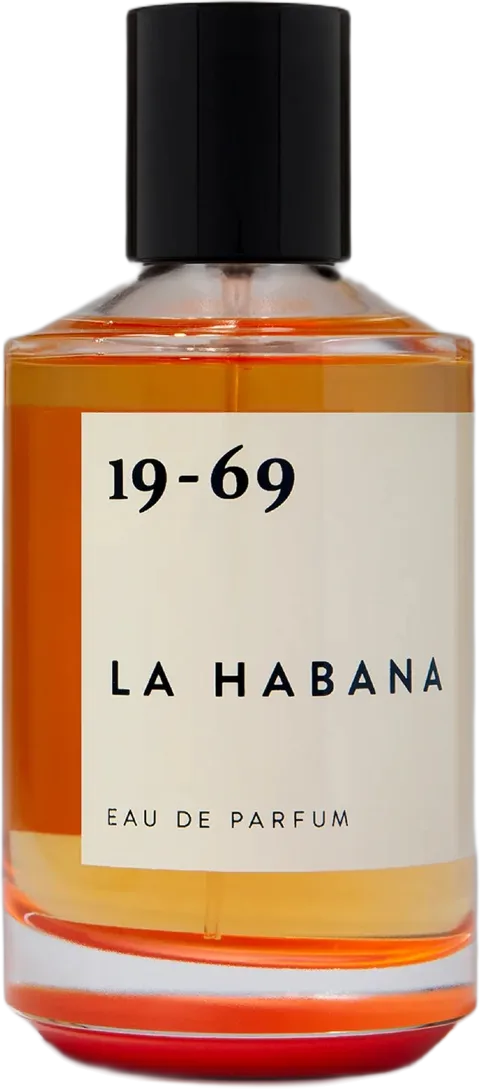 La Habana
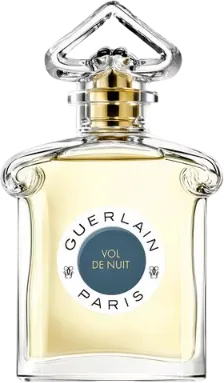 Vol de Nuit
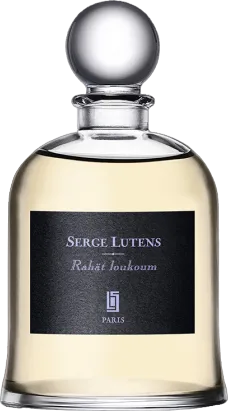 Rahät loukoum
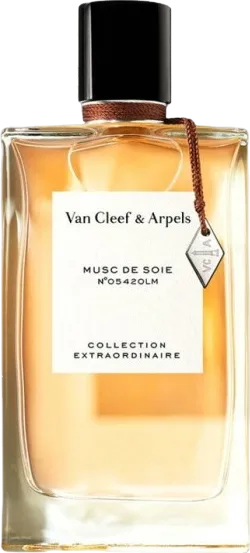 Musc de Soie
 CDG2 Man
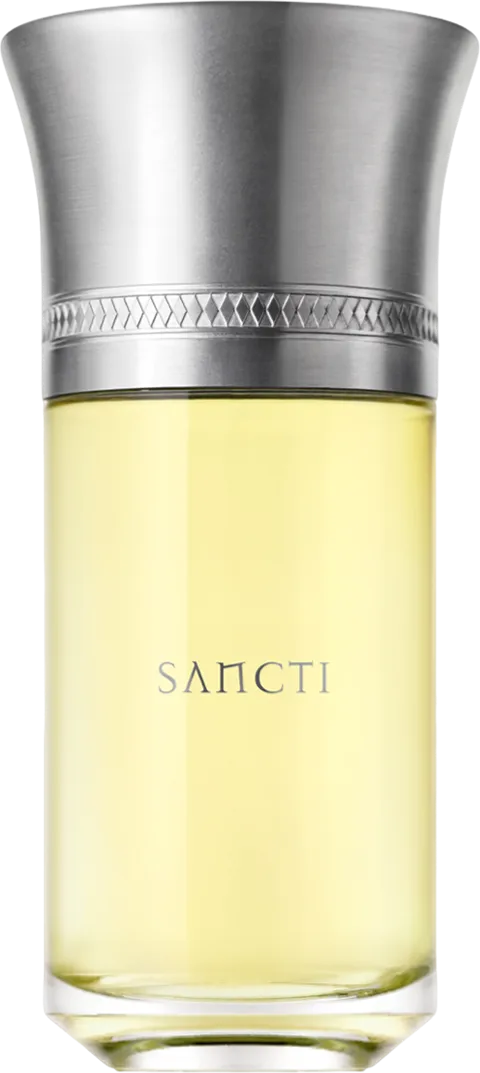 Sancti
 Encens Insensé
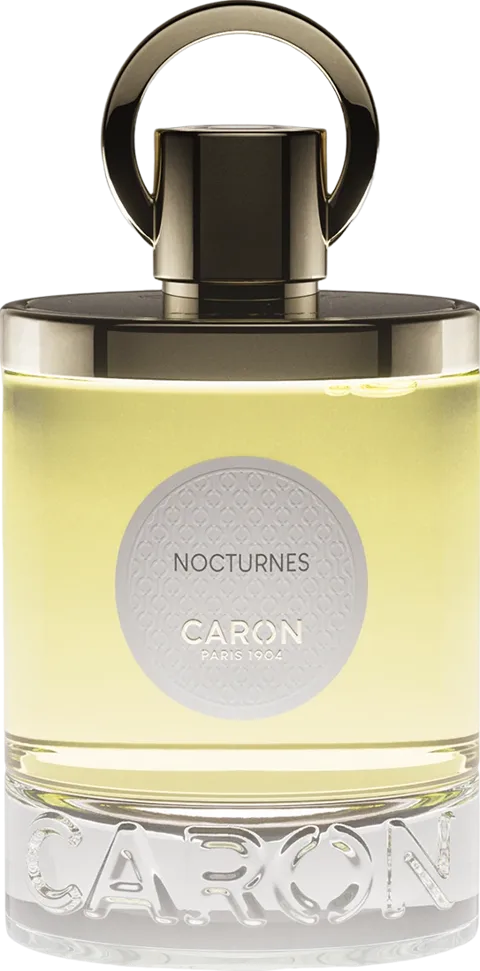 Nocturnes
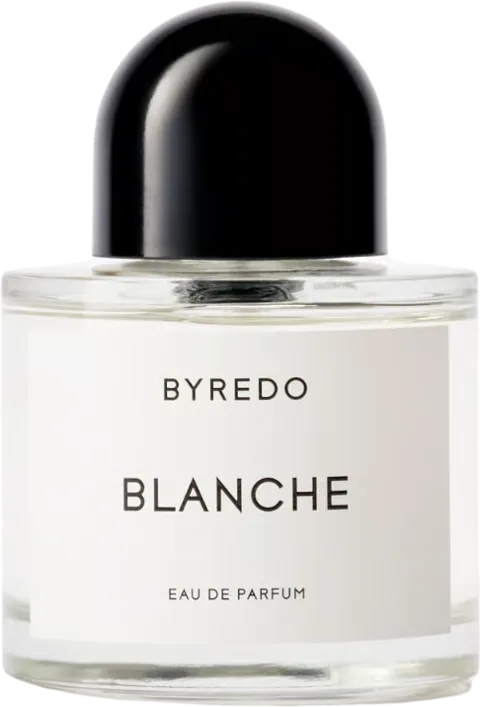 Blanche
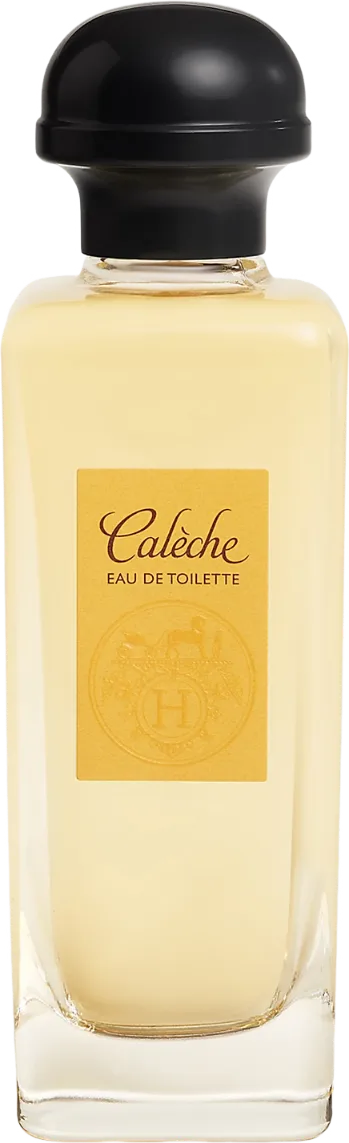 Calèche
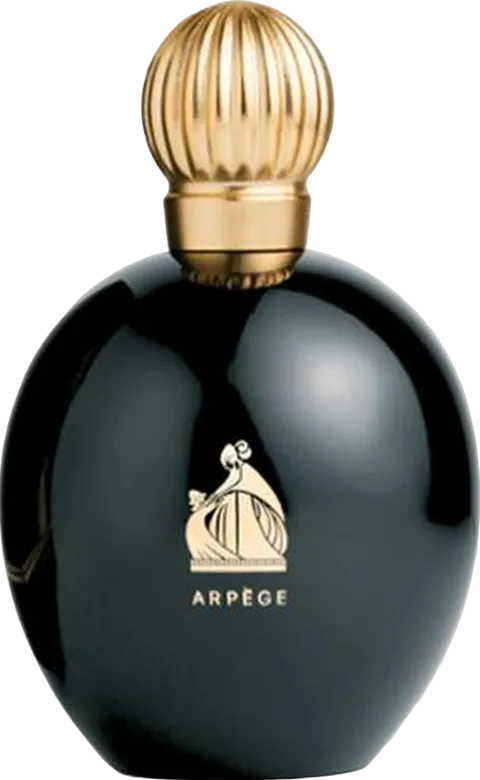 Arpège
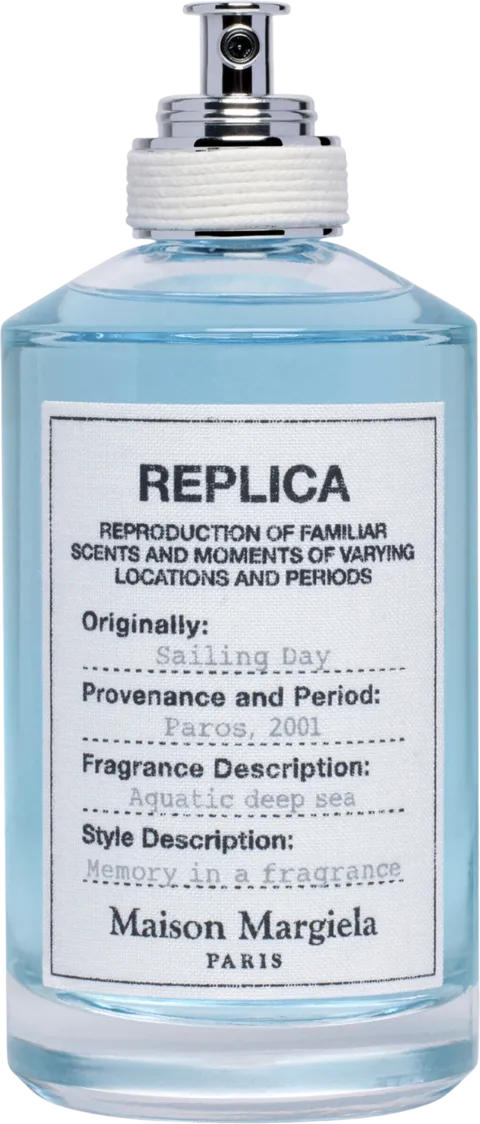 Sailing Day