Metáfora
Metáfora brings tart arazá, white jasmine, and peppery aguaribay together as a chord rather than a conventional pyramid, linking Fueguia’s botanical language with the imaginative world of metaphor.
#456 · 2026-08-18
Basic Information and First Impression
Metáfora is a 2010 fragrance from Fueguia 1833’s Literatura collection. The house classifies it as floral with an aromatic secondary family. White jasmine is central, yet this is not a straight, sweet floral. Tart arazá, luminous petals, and peppery aguaribay overlap until the result feels like pale green light passing through a white flower.
The name means metaphor in Spanish. Just as two words can create a meaning neither possessed alone, the fragrance joins fruit, flower, and spice to make a new impression. A flicker of ginger adds warmth inside the cool brightness, so the scent feels lucid without becoming merely citrusy.
Perfumer, Brand Background, and Creation Story
Julian Bedel founded Fueguia 1833 in Buenos Aires in 2010 and leads its creative work across botanical exploration, formulation, production, bottle design, and packaging. The house turns South American plants, landscapes, history, literature, art, and music into fragrance.
The brand name refers to the meeting of naturalist Charles Darwin, Captain Robert FitzRoy, and the Indigenous woman known as Fuegia Basket. That name holds both the history of scientific exploration and the violence left by imperial encounters. The brand therefore places plants inside a wider memory of land and people.
The official Historia for Metáfora describes the surprise that appears when two words form an unexpected balance. The product story also evokes Jorge Luis Borges and the way imagination can change a person. Arazá, jasmine, and spice become a small olfactory entrance to that idea.
Detailed Scent Analysis
The official structure is not a conventional top, heart, and base. Fueguia presents an Acorde of tonic, dominant, and subdominant notes, with a separate Melodía. These terms describe relationships within a chord, not a compulsory sequence in time.
Arazá is the tonic. This aromatic Amazonian fruit is known for pronounced tartness. Its bright acidity keeps the white-floral center from sinking into heavy sweetness and draws a pale green line around the flower.
Jazmín Grandiflora is the dominant. Its soft white petals form the center and connect the tart fruit to the dry spice.
Aguaribay is the subdominant, an Argentine name associated with a pepper tree. Its aromatic, lightly peppery character gives the floral center a fine shadow.
Jasmine, ginger, and lemon form the melodic line. Lemon contributes tart bitterness, and ginger gives a dry spark. Rather than replacing one another in a dramatic sequence, fruit, flower, and spice keep shifting their relative distance.
Comparison and Positioning
Fueguia 1833 Muskara Jasminum also centers jasmine, but places the flower close to skin beneath a warm, powdery musk veil. Metáfora is brighter and more taut because arazá and spice keep the petals in motion.
Fueguia 1833 Luz Sin Freno shares jasmine and lemon brightness, but basil, neroli, bitter orange, petitgrain, and rosemary create a broader citrus-green atmosphere. Metáfora relies more strongly on tart fruit and dry spice.
Le Labo Jasmin 17 rests white flowers on warm sandalwood, musk, amber, and vanilla. Metáfora stays cooler and more transparent, preserving tension instead of settling into a soft, sweet base.
Buying Guide, Price, and Recommendation
The Japanese official store listed 100 ml and 30 ml Perfume, 5 ml Perfume, and 8 ml Pura Esencia when checked on August 17, 2026. Displayed prices were ¥40,700, ¥19,800, ¥4,400, and ¥26,400 respectively; all were shown as unavailable at that time. Price, size, and stock can change, so the current official page should be checked before purchase.
The featured Perfume is Edition II–XVII, while Pura Esencia is Edition I–XVII. An older pyramid lists pink pepper, jasmine, and ginger, but that is not the same as the current official chord. For the present edition, arazá, Jazmín Grandiflora, and aguaribay are the most reliable landmarks.
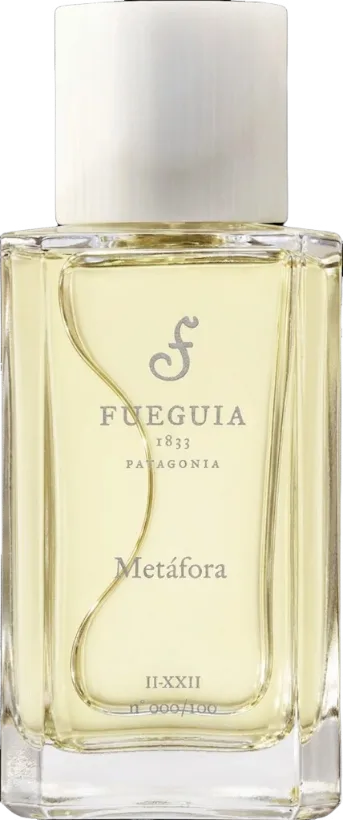
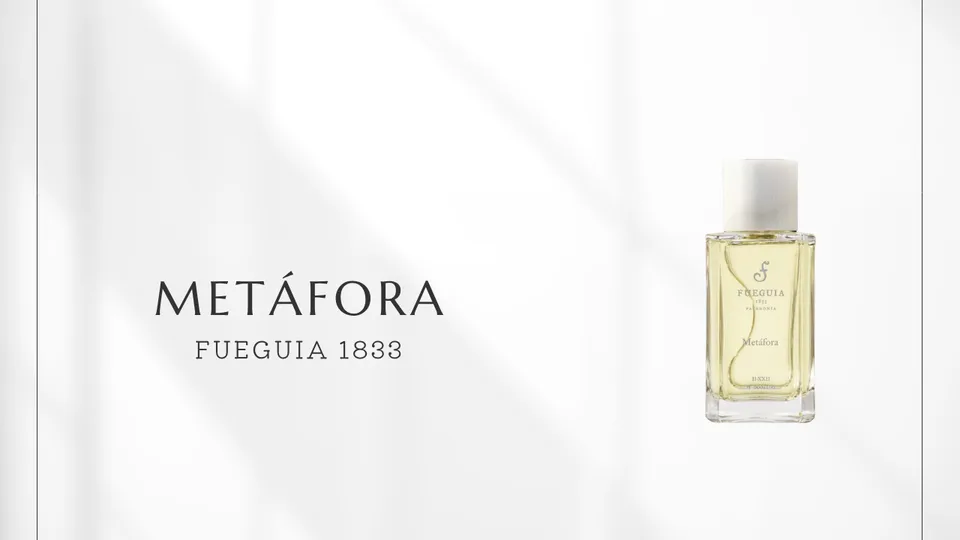
The clear rectangular bottle carries a pale cylindrical cap and a Roman-numeral edition marking. Fueguia uses editions to acknowledge variation in botanical harvests and availability. Start with a small amount on skin and notice whether tart fruit or peppery spice remains visible around the jasmine.
Wearing Experience, Scenes, and Reputation
Fueguia does not publish a fixed season, longevity, or projection for Metáfora. From its structure, spring, summer, and the daytime of early autumn are reasonable editorial suggestions. Arazá and lemon suit warm air, while ginger and aguaribay can meet the first cooler days.
Bookstores, galleries, cafés, reading, and close conversation fit its thoughtful, near-skin character. White shirts, light cotton, pale grey, and ecru knitwear echo its clean brightness. The fragrance is easier to understand through balance than through dramatic projection.
Wearer comments often mention bright white florals, faint spice, and ease in warm weather. Others read a soapy cleanliness or find the composition quieter than expected. Skin, climate, and edition can all affect the result, so sampling remains more useful than treating any performance report as fixed.
The interest lies in a small equilibrium: tart fruit, white jasmine, and a peppery line that never entirely separate. Worn lightly in bright weather, Metáfora gradually makes its title feel tangible.