🌸 Basic Information and First Impression
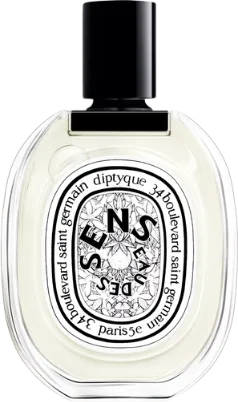
Eau des Sens is an eau de toilette launched by Diptyque in 2016. In Japan it is often known as Ode Sensu, and within the Diptyque line it is one of the easiest choices for people looking for a clean spring-summer fragrance. It was composed by Olivier Pescheux, the perfumer also associated with Diptyque works such as Fleur de Peau and Orphéon.
The first impression is bright orange blossom and bitter orange. Yet it does not stop at sweet flowers or juicy citrus. After a short while, juniper berry brings a cool gin-like clarity, angelica adds a medicinal green facet, and patchouli gives the base a calm depth. The result is a clean, intelligent citrus floral where white flowers, bitter peel, green leaves, and woody roots seem to appear at the same time.
The word Sens in French suggests both senses and meaning. Eau des Sens can be read as “water of the senses”: a fragrance designed to awaken not only smell, but also associations with touch, taste, and sight.
👤 Perfumer, Brand Background, and Creation Story
Diptyque began in 1961 at 34 Boulevard Saint-Germain on the Left Bank of Paris. It was founded by Christiane Montadre, Yves Coueslant, and Desmond Knox-Leet, and became known for translating travel, memory, materials, art, and interiors into scent. The brand name is generally explained as a reference to a diptych, a two-panel artwork or folding form.
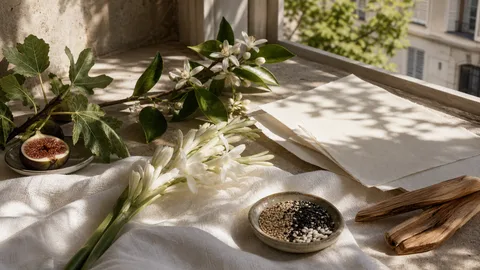
What makes Eau des Sens interesting is that it treats orange blossom as an entry point rather than the whole subject. The official story describes the scent as bringing together the branches, leaves, fruit, and flowers of the bitter orange tree. In other words, it is not only the softness of white flowers, but also the bitterness of peel, the greenness of leaves, and the herbal depth of roots and stems.
Olivier Pescheux was especially skilled at hiding complex material movement inside apparently simple cleanliness. Here, orange blossom is not made merely pretty or radiant. Juniper berry and angelica cool it down, dry it out, and make it more botanical.
🧪 Detailed Scent Analysis (Top, Middle, Base)
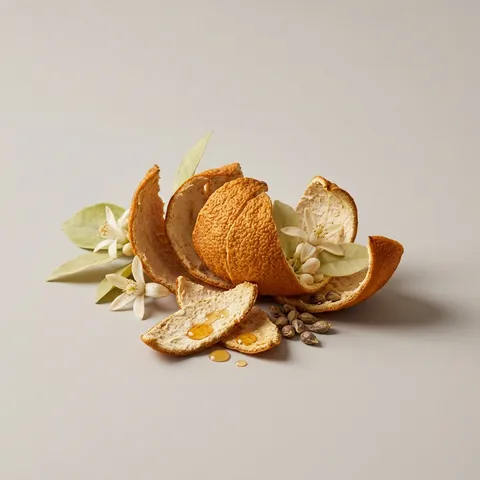
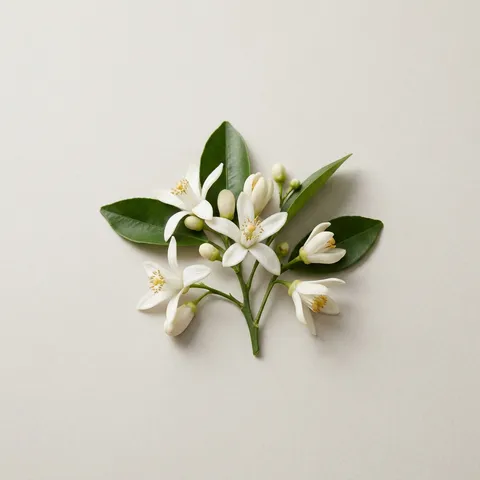
At the top, orange blossom and bitter orange are the first clear impressions. Orange blossom gives brightness and white-floral cleanliness, while bitter orange adds the juicy yet bitter feeling of freshly peeled citrus. It is not sweet orange juice; it is the meeting of luminous white petals and slightly bitter peel.
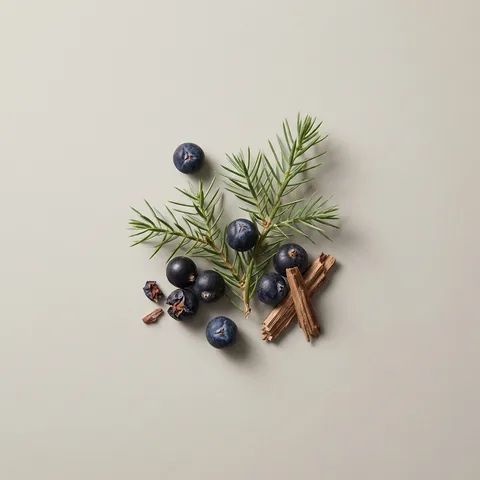
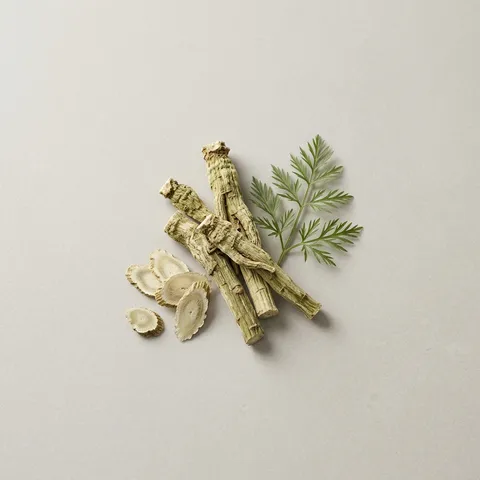
After about fifteen minutes, the scent becomes more herbal. Juniper berry is crucial here. Its dry, cool, gin-and-tonic-like botanical facet pulls the fragrance away from the easy sweetness often associated with orange blossom perfumes. Angelica adds a rooty green quality, with a faint earthy musky tone, creating a middle phase that feels clean but not simplistic.
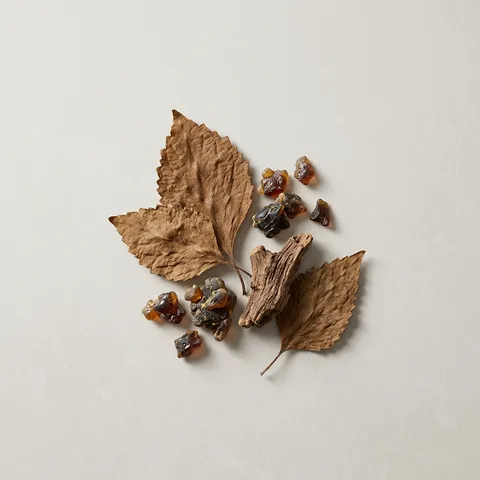
The base centers on angelica and patchouli. Close to the skin, it leaves a trace of herbal green, clean soap, dry powder, and a thin woody warmth. Longevity is often described around four to six hours, fairly normal to slightly long for an EDT. It does not keep projecting loudly; instead it creates a clean personal atmosphere at close range.
⚖️ Comparison and Positioning
A natural comparison is Tom Ford Neroli Portofino. Both share the brightness of neroli and orange blossom, but Neroli Portofino leans toward a sharp, resort-like cologne effect. Eau des Sens uses juniper, angelica, and patchouli to suggest the bitterness and structure of the whole tree.
Jo Malone London Orange Blossom shares the approachable white floral side. However, Jo Malone tends to emphasize sweetness and charm, while Eau des Sens feels more unisex, herbal, and quietly intellectual.
Frédéric Malle Cologne Bigarade is another useful reference because of its bitter orange facet. Cologne Bigarade is drier and more minimal, focused on the cutting edge of bigarade. Eau des Sens is more layered, adding white flowers, green facets, herbs, and patchouli. When choosing an orange blossom fragrance, it helps to ask whether you want a sweet flower or a bitter tree.
🛒 Buying Guide, Price, and Recommendation
The main skin fragrance currently available is the Eau de Toilette in 50 ml and 100 ml sizes. Japanese official pricing in the source material lists 50 ml at 18,700 yen and 100 ml at 25,960 yen. There are also related products such as a 30 ml hair fragrance, a 150 g perfumed soap, and bath or body products for lighter layering.
If you are trying it for the first time, test it on skin. The opening orange blossom is easy to enjoy, but preferences may split in the middle phase: some will find the juniper and angelica clean and intellectual, while others may read them as medicinal or herbal.
It is especially recommended for people who want an unsweet white floral, spring-summer cleanliness, an office-friendly niche fragrance, or something easy to share regardless of gender. If you want heavy neroli, tropical white flowers, or night-time sensuality, it may feel too light.
💬 Real-World Wear, Scenes, and Reputation
The best season is spring to early summer. The combination of white flowers, bitter orange, and juniper clarity suits morning light and slightly humid air. It can work in summer as well, but one or two sprays are usually enough in hot weather. In early autumn, patchouli and angelica give it a calmer, more grown-up feeling.
Useful settings include the office, daytime outings, cafes, museums, travel, and meals where you want to smell clean without dominating the room. It pairs well with white shirts, blue jeans, linen, and pale jackets: dressed but relaxed.
Reviews often describe it as a spring-summer staple, genderless, and reminiscent of post-shower cleanliness. Some listeners and reviewers are more reserved, saying it is lighter than expected or not as shocking as the “senses” concept might suggest. Eau des Sens is not built to overwhelm. It is a quiet water of the senses, using white flowers and bitterness to freshen everyday air.