Dzongkha
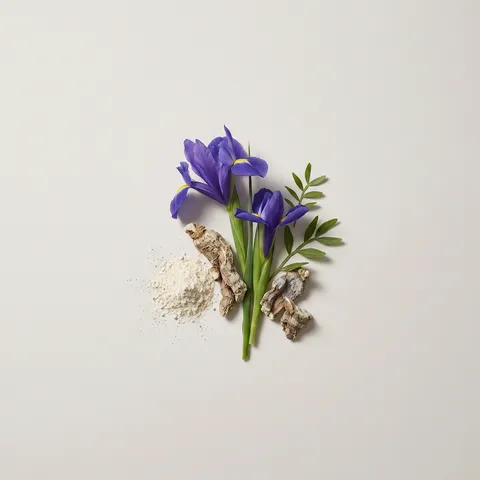
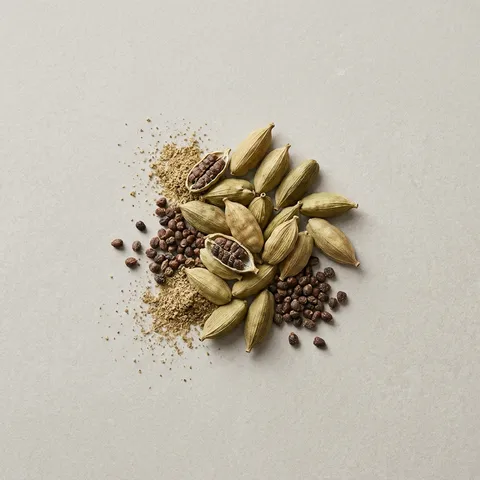
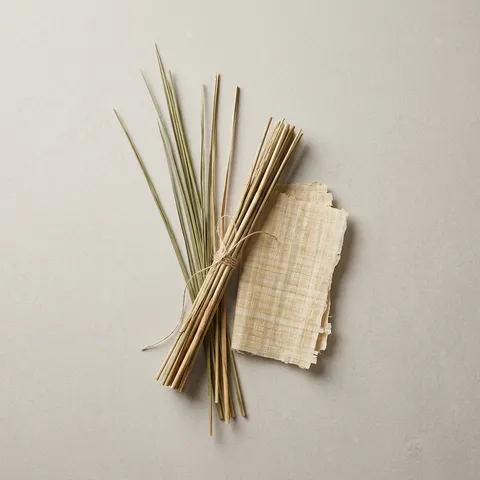
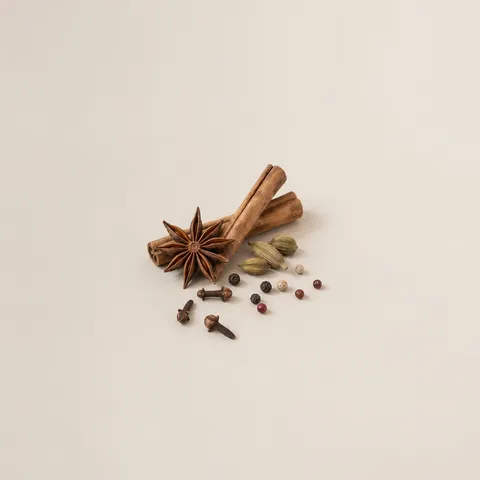
A cool, dry woody-spicy composition where cardamom, tea-tinged woods and soft incense surround powdery iris and papery notes. Leather and papyrus give gentle warmth and depth, evoking mountain air, worn parchment and quiet temple stone.
Perfumer: Bertrand Duchaufour
Dzongkha
A cool, dry woody-spicy composition where cardamom, tea-tinged woods and soft incense surround powdery iris and papery notes. Leather and papyrus give gentle warmth and depth, evoking mountain air, worn parchment and quiet temple stone.
Scent Development and Character
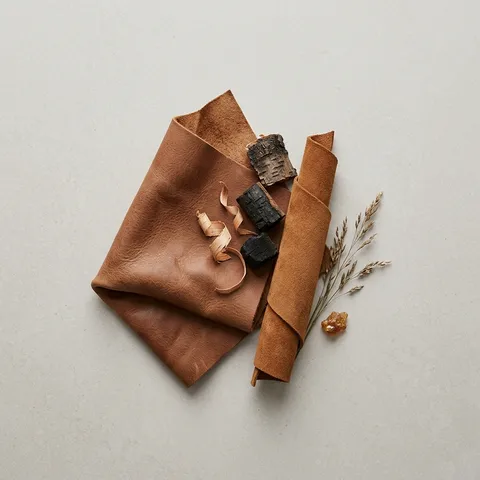
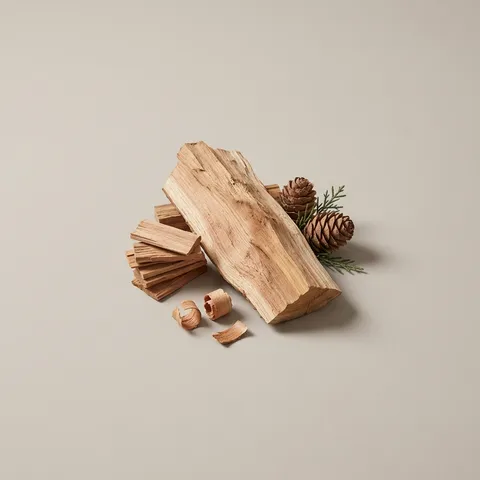
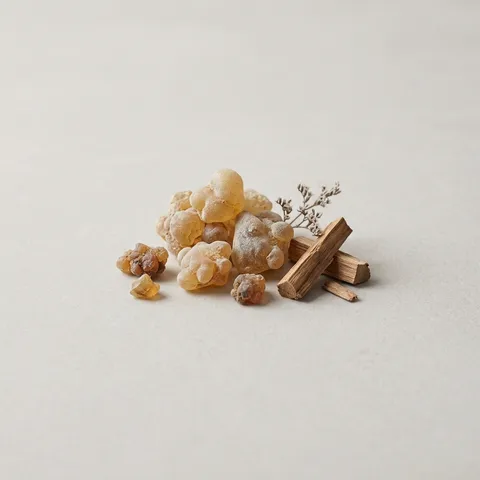
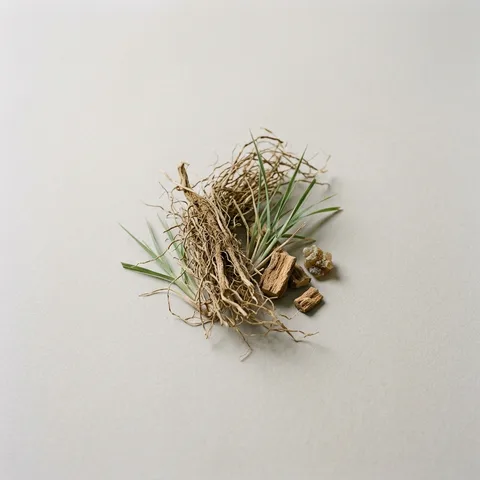
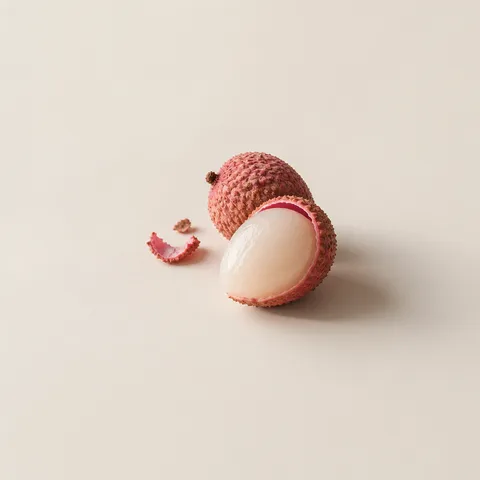
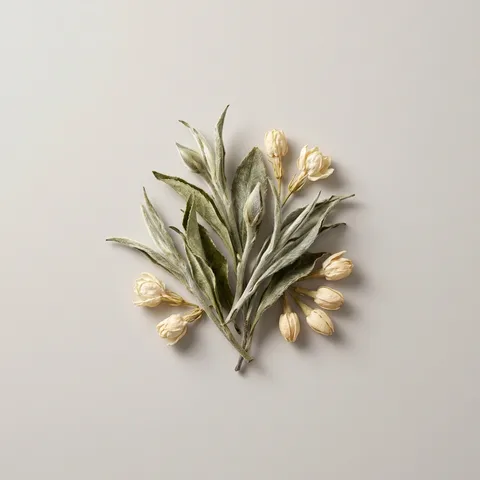
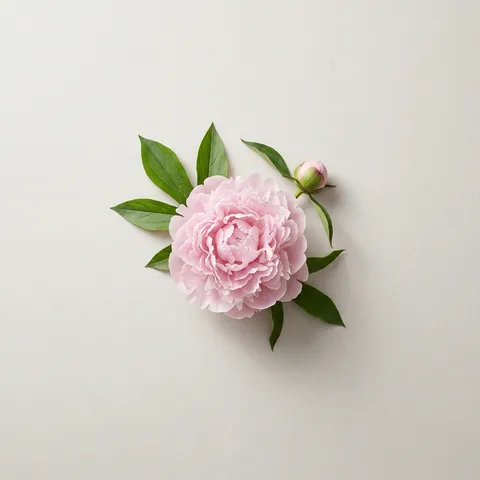
Dzongkha opens with a cool, slightly sharp cardamom brightness wrapped around sheer peony and a pale, juicy litchi that never turns overtly sweet. Very quickly a dry, mineral impression emerges, as vetiver and cedar sketch rugged, sun-bleached wood while a thread of white tea adds a bitter, tannic coolness. Incense smoke rises in fine, transparent curls rather than heavy clouds, folding into the heart where iris brings a powdery, earthy texture reminiscent of parchment and dust on stone. As it dries down, papyrus reinforces the papery, slightly green dryness and leather appears more as a soft, worn hide than a loud animalic accord, giving gentle warmth and depth without losing the contemplative, airy character.
Who It Is For and When to Wear It
Dzongkha wears as a quiet, introspective scent with moderate persistence and a close to medium aura, making it suitable for offices, studios, libraries and reflective everyday situations rather than extroverted nightlife. Its dry woods, incense and tea facets perform best in temperate to cool weather—mild spring days, crisp autumn air and even cool summer evenings—where the smoke and leather remain transparent and textured rather than heavy. One or two sprays on clothing, scarves or the chest are usually enough to appreciate its layered structure without overwhelming the space. Best suited to autumn and spring, with acceptable wear in cool summer evenings and mild winter days (editorial estimate). Soft to moderate sillage: generally stays close to the wearer, forming a gentle aura rather than a projecting trail (editorial estimate). Moderate longevity: typically 6–8 hours on skin, with the most distinct incense, tea and iris presence in the first half of wear (editorial estimate).
Perfumer and Bottle
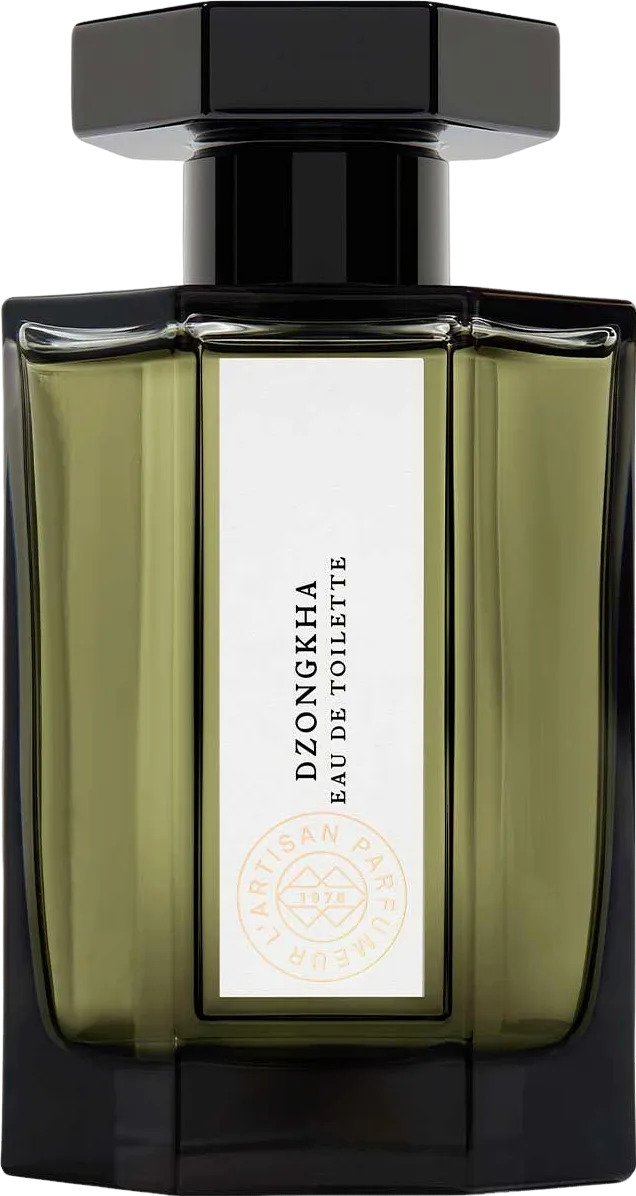
Released in 2006, this is an EDT credited to Bertrand Duchaufour. Faceted rectangular L’Artisan Parfumeur bottle in clear glass, with a black cylindrical cap and a simple front label bearing the name Dzongkha and the brand.