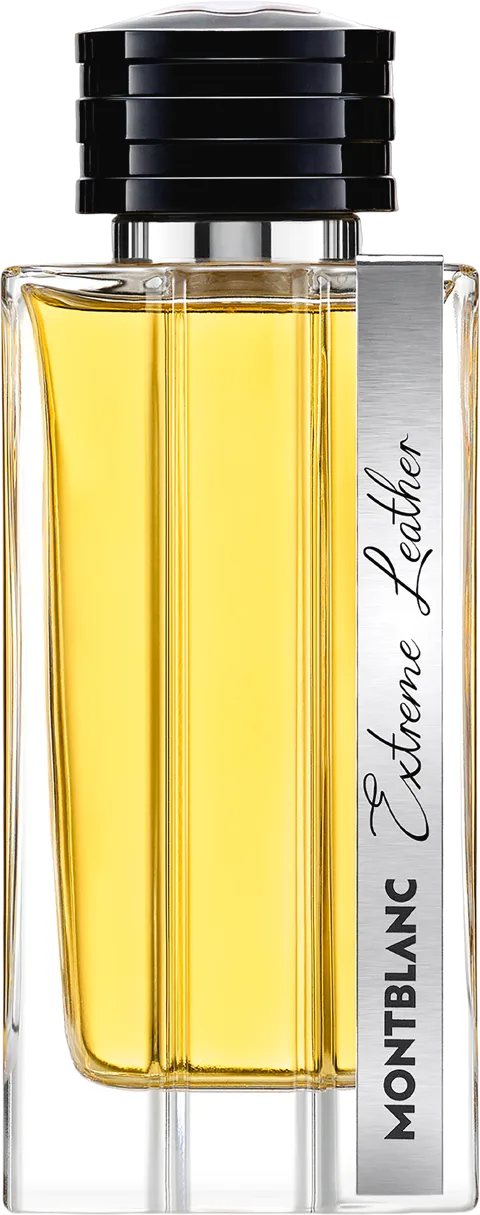
Extreme Leather
Montblanc's Extreme Leather pairs a soft, suede-like leather impression with dry, earthy iris and smooth musk. Inspired by leather ateliers in Tuscany, it offers a textured take on a scent that some wearers find gentle and close to the skin.
#509 · 2026-10-10
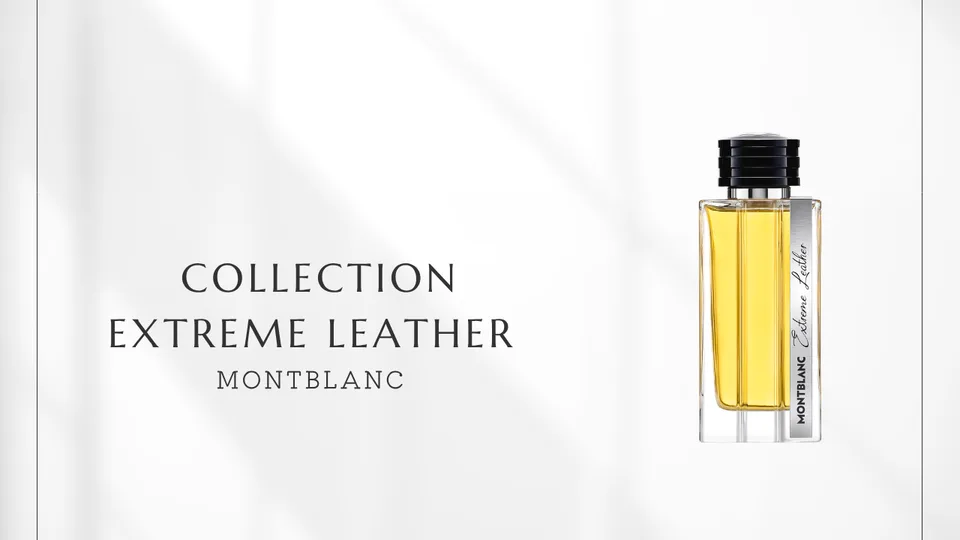
Fragrance Overview and First Impression
Montblanc's Extreme Leather turns the feel of supple leather into a fragrance. Saffiano Scent™ supplies the central leather impression, while iris adds a dry powderiness and musk contributes smoothness. Interparfums describes the scent as amber-leathery and also calls it woody and leathery. Those terms help explain its structure, but texture is the more immediate point: the leather has presence without relying only on a hard edge.
The word Extreme may suggest something rough or forceful. Perfumer Juliette Karagueuzoglou instead describes a Saffiano accord that recalls natural suede with a powdery softness. Some wearers likewise find the scent gentler than its name led them to expect. The contrast makes sense once the leather, iris and musk are considered together. Iris eases the leather, and musk supports the smooth impression rather than adding another sharp facet.
Extreme Leather belongs to the Montblanc Collection, which connects fragrance with the house's interest in craft and travel. Its stated inspiration begins in leather ateliers in Tuscany, where the touch and smell of soft leather become the starting point for a woody, leathery scent. The official product established in the supplied information is a 125 ml eau de parfum. Its appeal lies in the way it interprets leather as a surface that can feel pliable as well as distinct.
Perfumer, Brand and Creative Background
Perfumer Juliette Karagueuzoglou describes the Saffiano accord as evoking suede with a powdery softness. She says the textured signature develops over time and that iris, with its earthy and powdery character, softens the leather. Her explanation gives iris a clear role: it changes the feel of the central accord rather than simply adding another named ingredient.
Montblanc's wider story begins with writing instruments. A history published by Interparfums says that engineer August Eberstein and Alfred Nehemias conceived their first fountain pen in 1906. Montblanc fragrances have been developed since 2001. The brand connects them with an appreciation of beautiful objects and values intended to endure, extending an interest in objects handled every day into scent.
The creative account for Extreme Leather begins with leather made by hand in Tuscan ateliers. Its supple touch and smell inspired the fragrance's woody, leathery character. The English description also imagines a journey from those workshops to distant places, while the immediate sensory idea remains the leather itself. A retailer describes the collection bottle as resembling an inkwell, with details recalling Montblanc writing instruments. That design description applies to the collection and comes from the retailer, rather than from a verified product-specific statement by the brand.
Scent Analysis
Montblanc's Japanese product page lists Saffiano Scent™ as the top note. It is the central leather impression associated with the house's leather goods. Karagueuzoglou's description points toward a soft, powdery suede effect. Imagine a pliable surface with a dry finish rather than a rigid piece of leather: that is the tactile distinction this accord helps make. The name of the accord does not establish that natural leather was used as an ingredient.
Iris appears in the official middle group. Its dry, earthy powderiness eases the leather. The flower's name might suggest a sweet floral note, yet the published description stresses its earthy and powdery side. The softness of the Saffiano accord and the powder of the iris meet through a shared texture. Instead of reading as two unrelated ideas, they can seem like different parts of the same supple surface.
Cypriol and musk are also named in the middle group on the Japanese official page. The available product description does not assign cypriol a precise individual effect, so its contribution should be judged in the finished scent rather than asserted from the note name alone. Musk is described as giving the fragrance a lasting smoothness. Together, the named notes frame a progression of leather presence, dry powder and a softer finish without specifying a minute-by-minute sequence.
The Japanese official structure has no base-note group. Other official presentations use different labels, but their divisions are not combined here to invent an extra stage. Karagueuzoglou says the textured signature changes over time; she does not give exact timing for each note. Wearing the scent therefore offers a better way to judge when the leather, iris or musk becomes most noticeable on a particular person's skin.
Comparison and Positioning
Tom Ford Beauty's Ombré Leather is a useful comparison because leather is central to both scents. The materials around that leather differ. Extreme Leather sets it against powdery iris and smooth musk. Ombré Leather brings black leather together with cardamom, jasmine sambac, patchouli and amber. Someone seeking spice and florals around leather may prefer the latter; someone drawn to a softer, powdery leather texture may find Extreme Leather closer to the desired effect.
Dior's Dior Homme Intense offers a comparison from the iris side. Both fragrances feature a powdery iris impression, but iris serves different surroundings. In Extreme Leather it softens a leather accord. In Dior Homme Intense, it sits with an amber impression and cedarwood. The decision is therefore less about whether one likes iris in general and more about whether one wants it to lead toward tactile leather or toward a woody composition.
Hermès Musc Pallida brings iris and musk together, making it a third way to examine Extreme Leather's softer facets. Musc Pallida centers on iris pallida and warm musk. Extreme Leather places those kinds of powdery and smooth impressions over a distinct leather idea. If iris and musk are the main attraction, Musc Pallida is worth considering. If the same softness needs a leather setting, Extreme Leather gives that combination a different shape.
These comparisons clarify Extreme Leather's place among leather and iris fragrances. Its character is neither solely the strength of leather nor solely the powder of iris. The recognizable leather, dry earthy texture and smooth finish matter together. That makes it a useful scent to try for someone curious about leather who also wants to feel how powder and musk can change its surface.
Buying Guide
The official Japanese listing supplied for this fragrance identifies a 125 ml eau de parfum. Its displayed Japanese price was ¥30,470 when recorded in October 2026. Price and availability may change, so the product page is the place to check current terms before buying. For a bottle of that size, a skin test is particularly useful: it shows whether the relationship between leather and iris remains appealing after the first impression.
Try the Saffiano leather impression first, then allow the drier iris and smoother musk facets to become clear. The perfumer describes a texture that develops over time, without promising a fixed schedule. A wearer hoping for a rough, forceful leather may find the softness unexpected. Someone who wants a noticeable leather theme with a gentler surface may see that contrast as the reason to choose it.
It can also help to test the comparison scents with one question in mind. Is the priority leather with spice and flowers, iris with woods, or iris and musk without a central leather effect? Extreme Leather answers with leather supported by powder and smoothness. The decision becomes easier when all three aspects feel comfortable together on skin, rather than when the opening leather alone makes the choice.
Wear, Setting and Reception
Wearers have described Extreme Leather as a soft, powdery leather. Some say it feels gentler than the name suggested, and some find it suitable for an office or ordinary daily wear. Reports of how far it projects and how long it lasts vary. The most useful shared impression is of a leather scent that can be enjoyed at a relatively close distance, with the powdery and smooth facets remaining part of its character.
Cool autumn and winter days are sensible first settings in which to try its leather and dry iris texture. A cool spring day may work as well. For a commute in colder weather, a wool jacket or a substantial knit suits the practical setting without assigning a costume to the perfume. In summer heat, testing the overlap of leather and powder on skin will tell more than a general seasonal rule. These are suggestions drawn from the scent's character; the official sources supplied do not prescribe a season.
The official product description says musk brings lasting smoothness, but it gives no hour count. Wearer reports cover different experiences, so a single duration would hide useful variation. Try the fragrance at the distance at which it will actually be worn and notice whether the leather, iris or musk remains the most pleasing aspect. Its strong name and pliable texture make a memorable contrast, but the practical reason to choose it is how those three impressions settle together for the wearer.