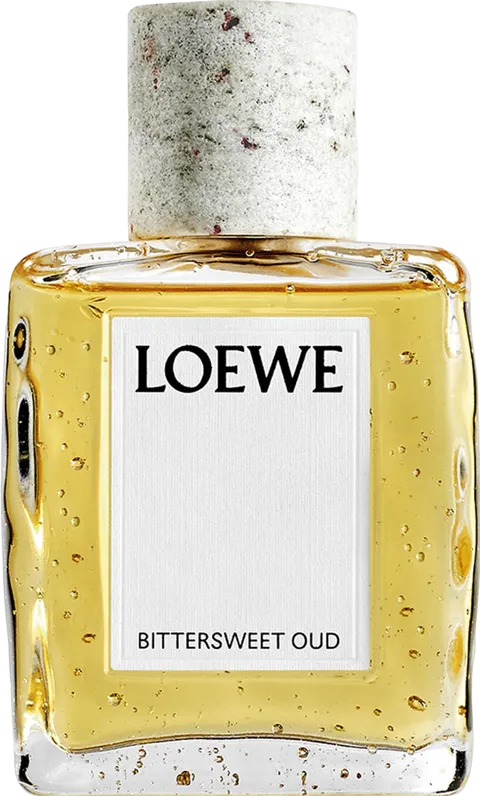
Bittersweet Oud
LOEWE Bittersweet Oud pairs the bright bitterness of orange peel with deep, resinous wood. Sandalwood brings a creamy warmth to its amber character.
#495 · 2026-09-26
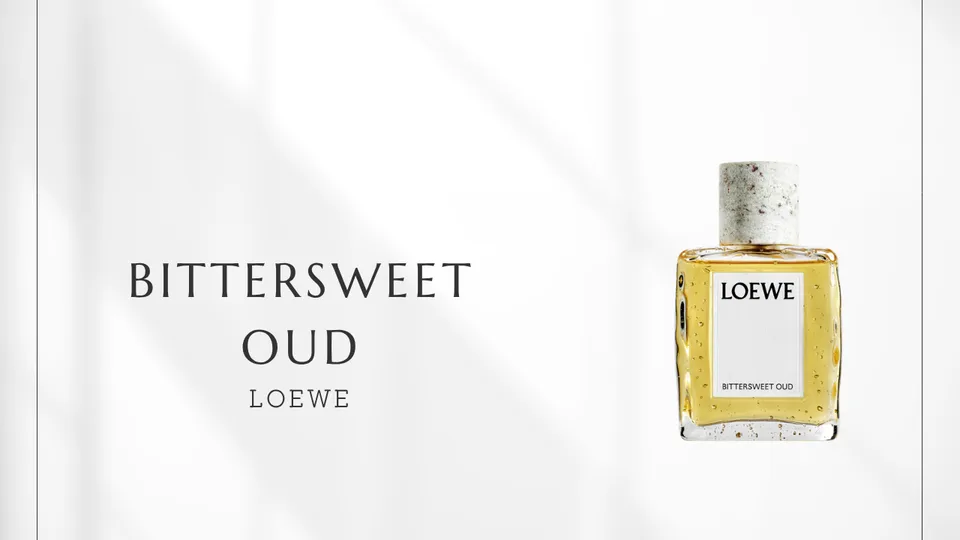
Fragrance Overview and First Impression
LOEWE Bittersweet Oud is an eau de parfum in the Crafted Collection. Its central contrast sets the peel-like brightness of bitter orange against a deep, resinous oud impression. Sandalwood adds a warmer, creamier texture, giving the amber character a rounded edge. The name suggests bitterness and sweetness, but this is not simply a sugary orange fragrance. Its appeal lies in the difference between lively citrus and substantial wood.
Some wearers especially enjoy the vivid orange impression at the beginning. It is closer to the sharpness of bent peel than to sweet juice. The woody depth keeps the fragrance from feeling like a light citrus cologne, while sandalwood gives the contrast a softer surface. The documented 100 ml product comes in a translucent, block shaped glass bottle.
Perfumer, Brand and Creative Background
Núria Cruelles Borrull is named as the perfumer in a product listing, and she has spoken about Bittersweet Oud herself. She described oud as dark and rustic and said she wanted something sparkling, a color like orange. She also said that orange peel enhanced the beauty of the oud. That account explains the intention behind the contrast, though it does not promise one fixed sequence of notes on every person's skin.
Cruelles has connected her experience as a wine sommelier with the way she considers how materials fit together. She has also spoken of understanding fragrance through color and form. Her image of orange brightness beside dark oud is especially clear here. She has been associated with LOEWE's Tomato Leaves scent as well.
Bittersweet Oud belongs to the Crafted Collection, which also includes Roasted Vanilla and Iris Root. A shared collection does not establish that those three fragrances smell alike. The useful point of comparison for Bittersweet Oud is its combination of bitter citrus and deep woods.
Detailed Scent Analysis
A flat note list names bitter orange, earthy notes, sandalwood and oud. It does not divide them into top, heart and base stages. Read the four names as clues to the scent's textures: bright peel, a grounded impression, smooth warmth and deep wood. The exact order in which a wearer notices them remains open.
Bitter orange supplies a lively citrus edge with a hint of bitterness. It suggests the peel more readily than a glass of sweet orange juice. That slight dryness helps the brightness remain distinct beside the darker woody impression.
Earthy notes describe a soil-like impression rather than an identified ingredient. The phrase may suggest a grounded, shaded quality beside the woods, but it does not prove that any particular material was used. Its exact texture in this perfume is something to assess on skin.
Sandalwood contributes smooth, creamy warmth. Between the sharper orange and the resinous depth of oud, that softness makes the contrast easier to wear. It rounds the fragrance without removing the different characters of citrus and wood.
Oud brings deep woodiness with a resin-like aspect. Its darker character gives the orange brightness a clear point of contrast. The note name does not establish the use, origin or quantity of natural oud oil. Nor does a flat note list justify assigning oud only to the final stage of the fragrance.
Wearers do not describe one identical progression. Some praise the first impression of orange; others report that it fades quickly while a sweeter, smokier wood remains. A short test may therefore favor a different part of the scent from a longer wear. Give the fragrance time before choosing it for its citrus opening alone.
Comparison and Positioning
Jo Malone London's Orange Bitters offers a comparison through bitter orange and sandalwood. Its listed orange combination also includes sweet orange. Bittersweet Oud adds a much deeper oud impression to the citrus and warm wood. If the orange and sandalwood pairing is your priority, Orange Bitters is a useful fragrance to try. If you also want a deeper woody counterweight, Bittersweet Oud points in that direction. The supplied evidence does not establish how closely they smell alike on skin or which lasts longer.
Amouage Opus XV King Blue also places citrus beside oud, but its official architecture is denser: mandarin, blackcurrant and pink pepper over frankincense, amber, sandalwood, oakwood, patchouli, Oud Silver and leather. Bittersweet Oud focuses on bitter-orange peel, oud and creamy sandalwood; King Blue adds darker fruit, spice, incense and leather. Choose the former for a clearer bitter-citrus and warm-wood contrast, or the latter for a more layered fruity, resinous and leathery composition.
Roasted Vanilla and Iris Root share the Crafted Collection with Bittersweet Oud, but collection membership alone is not a reason to call them similar fragrances. The two comparisons above have a clearer connection to its citrus and wood arrangement.
Buying Guide
Bittersweet Oud is reported as a 2025 launch. At the time of capture, LOEWE Japan listed the 100 ml eau de parfum at ¥64,900. Price and availability can change, so check again when purchasing. Before committing to a large bottle, test more than the first few minutes. Liking the bright orange opening does not necessarily mean that the later woody warmth will suit you as well.
Begin by asking whether the bitter, peel-like edge of the orange appeals to you. Then notice the resin-like depth associated with oud and the softer warmth of sandalwood. If the fragrance feels very different after it has settled, that change is useful buying information. A paper strip can suggest its direction, but a skin test will tell you more about how it sits near you during an ordinary outing.
It deserves a try from anyone who enjoys warm woods but wants a clear citrus brightness alongside them. Someone seeking a consistently light orange scent should pay close attention to the woody part before buying. Projection assessments range from strong to weak. One site rates longevity highly, but with few votes, so no single duration or distance is a reliable promise.
Wearing Experience and Occasions
A cool autumn or winter outing is a sensible first setting in which to try Bittersweet Oud. Its warm amber character and bright orange contrast can both be appreciated there. This is an editorial suggestion based on the scent description, not an official seasonal direction. Ordinary daytime clothes or a more dressed up outing can both provide a setting; the important question is how much fragrance feels comfortable at the distance you will share with others.
Spring may also be worth testing. In hot, enclosed spaces or at a workplace where people sit close together, first check how strongly it projects from your skin. Published impressions of its strength differ. What seems restrained to the wearer may reach another person differently, so a trial during a real outing is more useful than an assumed projection rating.
Some people are drawn to the initial bitter orange and find this oud fragrance comparatively light. Others describe orange fading early and a sweeter, smoky wood remaining. Those reactions can point to different reasons for liking the same bottle. Return to your wrist after some time rather than deciding only from the first burst.
Cruelles's idea of adding orange brightness to dark, rustic oud gives the fragrance a memorable shape. Bitter citrus, deep wood and sandalwood warmth are the parts to look for. The best decision comes after seeing how their contrast develops on your own skin.