Loewe
A Spanish house begun as a Madrid leather workshop in 1846, boldly connecting material touch, craft, plants, and contemporary culture across fashion and scent.
Spain

About Loewe
Loewe begins with the Madrid craft of reading leather while giving it form and now rearranges material, contemporary art, and nature with unusual freedom. In fragrance, plants are not presented as realistic specimens but as an olfactory botanical garden of color, humidity, shape, and lived scenes.
History
A collective of Spanish artisans opened a leather workshop on Madrid's Calle Lobo in 1846. German-born leather craftsman Enrique Loewe Roessberg joined them in 1872, combining technical precision with local handwork to form the modern house. Loewe expanded into fashion and fragrance in the later twentieth century and joined LVMH in 1996. Spanish craft now enters an international conversation with contemporary culture.
Philosophy & Signature Style
Irregular character in leather, ceramic, wood, or fiber is valued over the appearance of complete industrial sameness. Flowers, herbs, fruit, soil, and fire in perfume are related almost like positions on a color wheel, with both natural and synthetic materials used to strengthen contour. Collaboration with photographers, artists, and craftspeople is not merely advertising decoration; it adds ways of seeing the object. The result can be playful, tactile, and intellectually controlled at once, with craftsmanship functioning as a platform for experiment rather than a limit on it.
Iconic Fragrances
- *001 Woman* — Florals, linen, and musk suggest intimate skin at the beginning of a new day.
- *001 Man* — Woods, cardamom, and musk give the same scene a drier temperature.
- *Aire Sutileza* — Pear, flowers, and musk move with the lightness of wind.
Perfumes by this brand
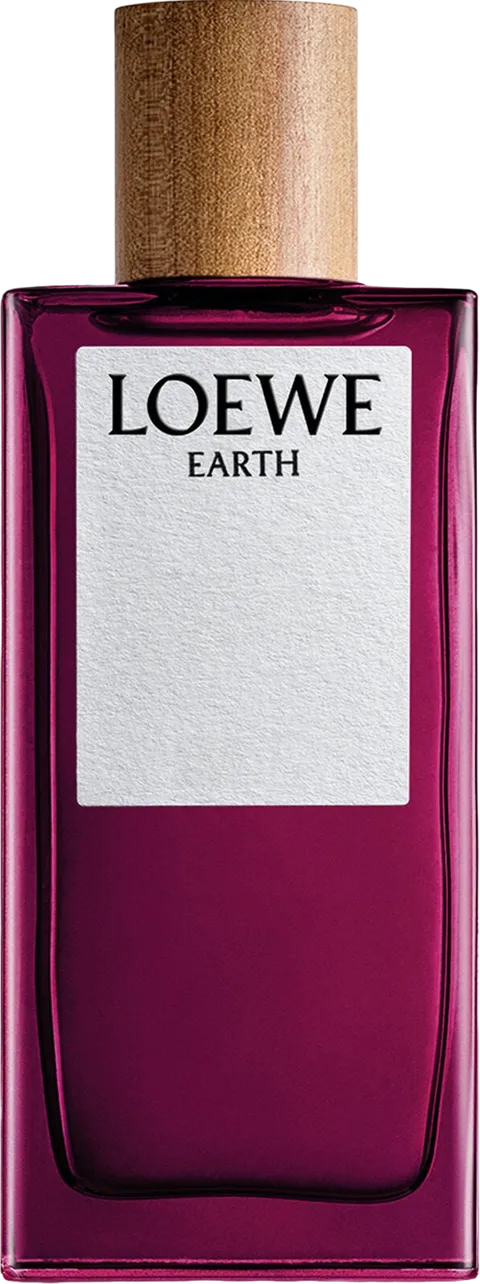 LOEWE Earth Eau de Parfum
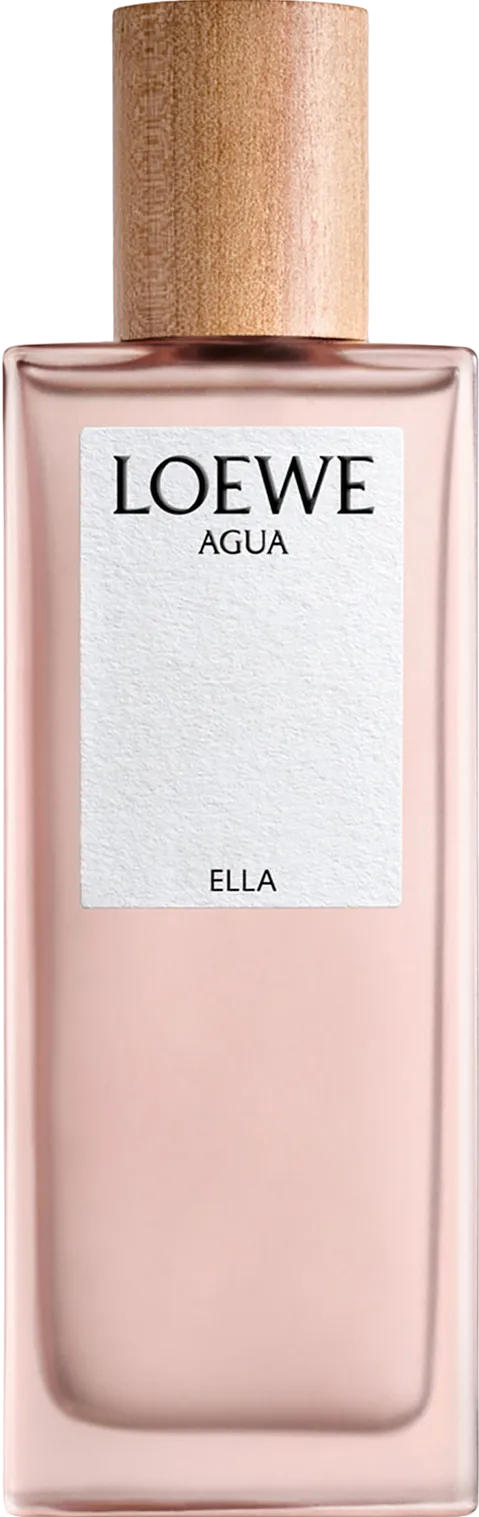 LOEWE Agua Ella Eau de Toilette
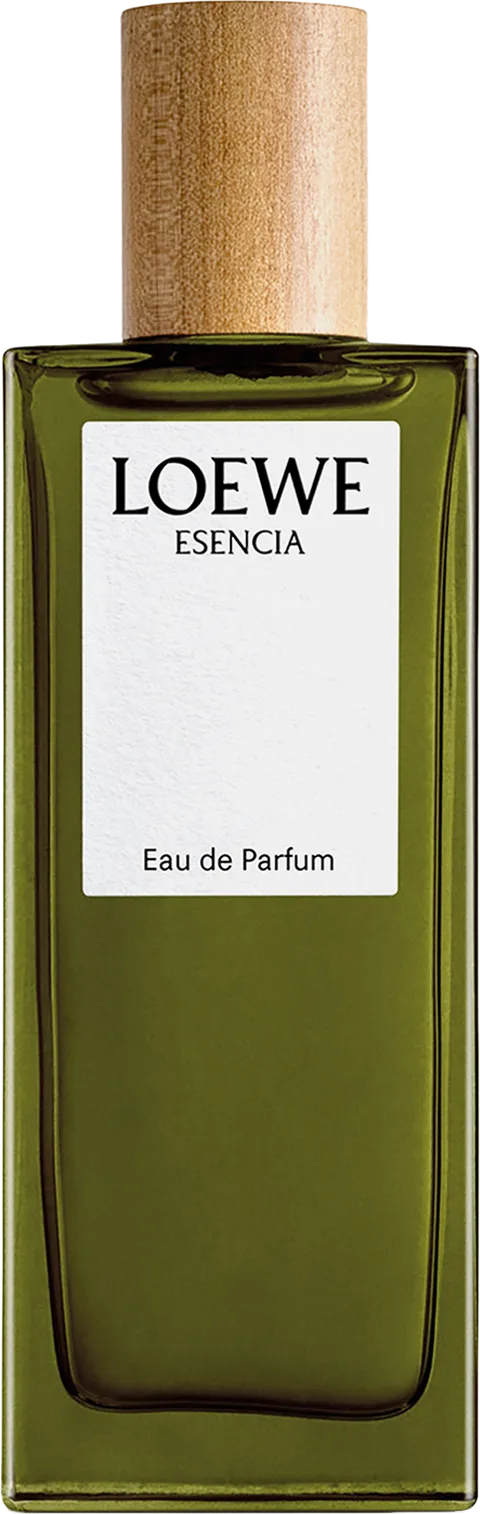 LOEWE Esencia Eau de Parfum
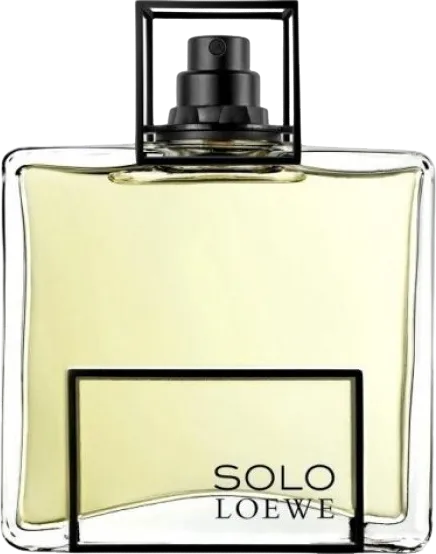 Solo Esencial Eau de Toilette
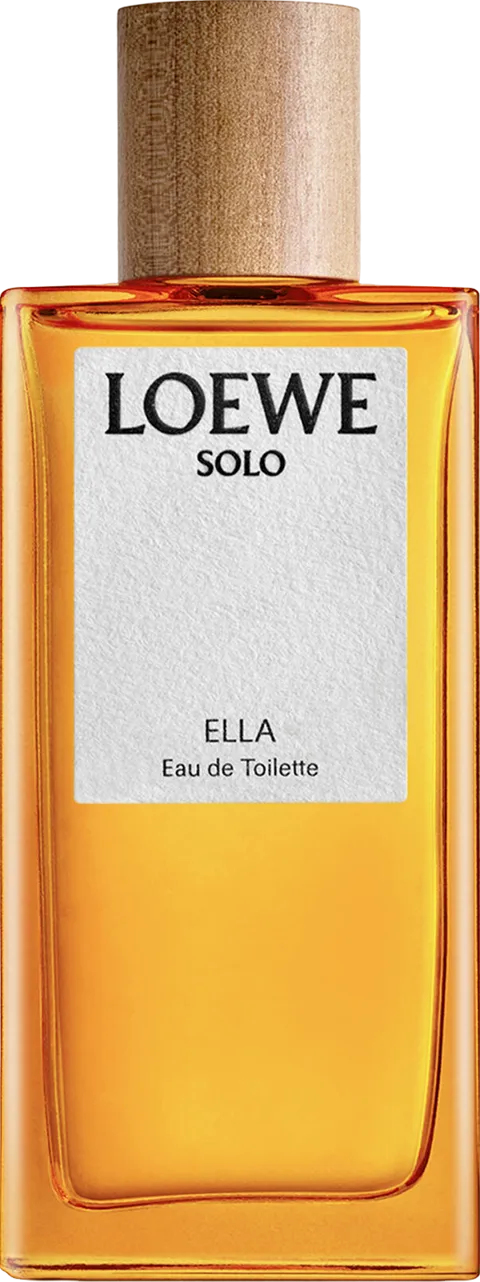 LOEWE Solo Ella Eau de Toilette
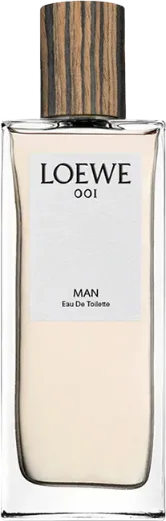 001 Man
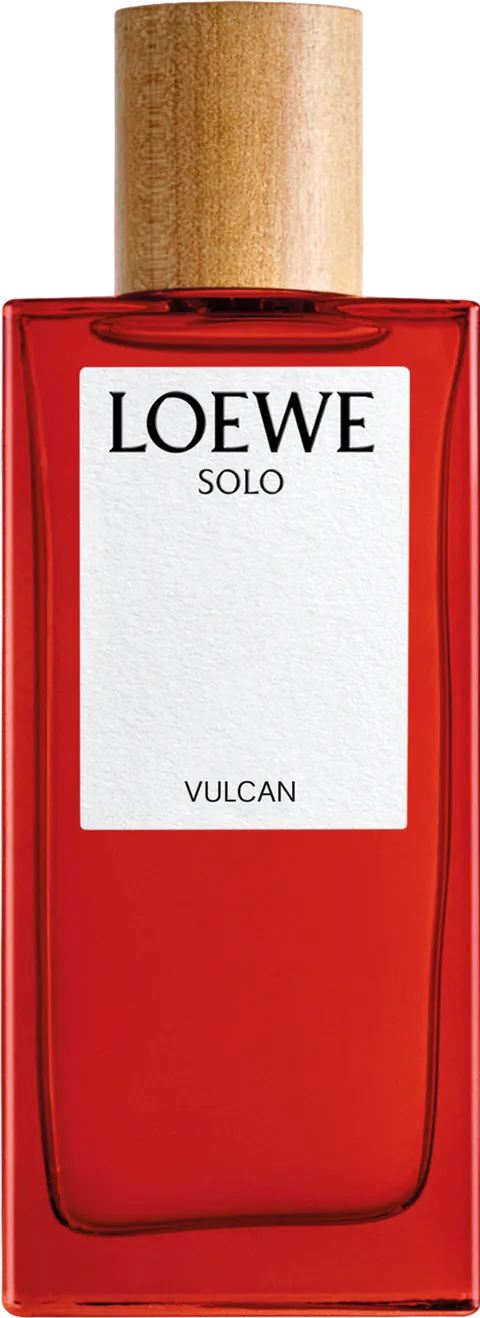 LOEWE Solo Vulcan Eau de Parfum
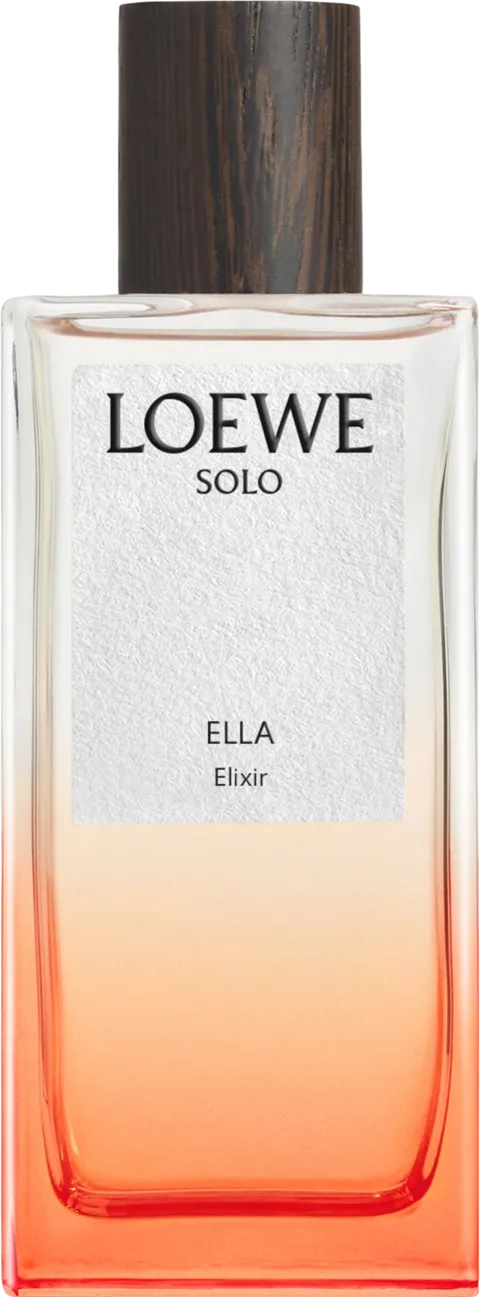 LOEWE Solo Ella Elixir Eau de Parfum
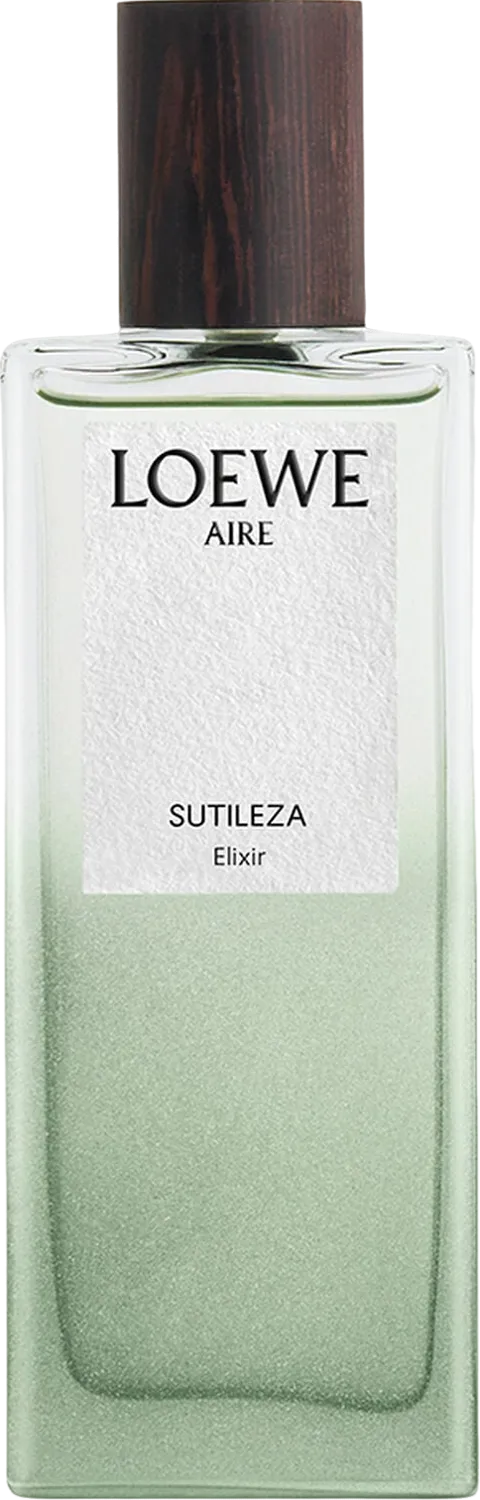 LOEWE Aire Sutileza Elixir
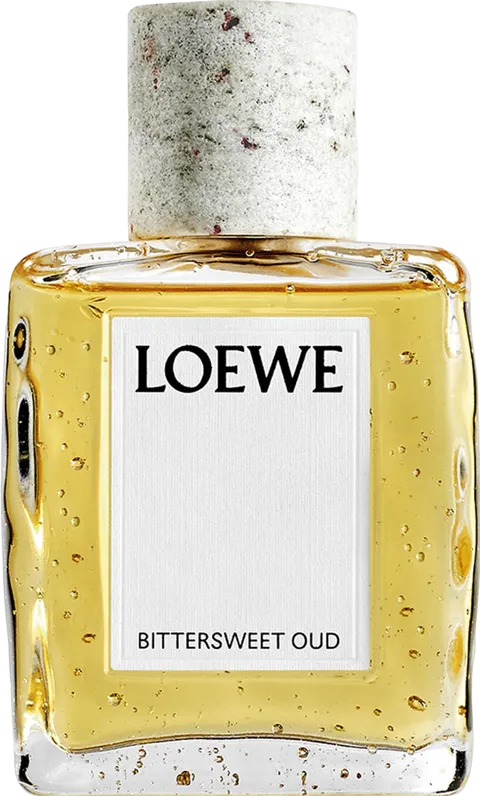 Bittersweet Oud Eau de Parfum
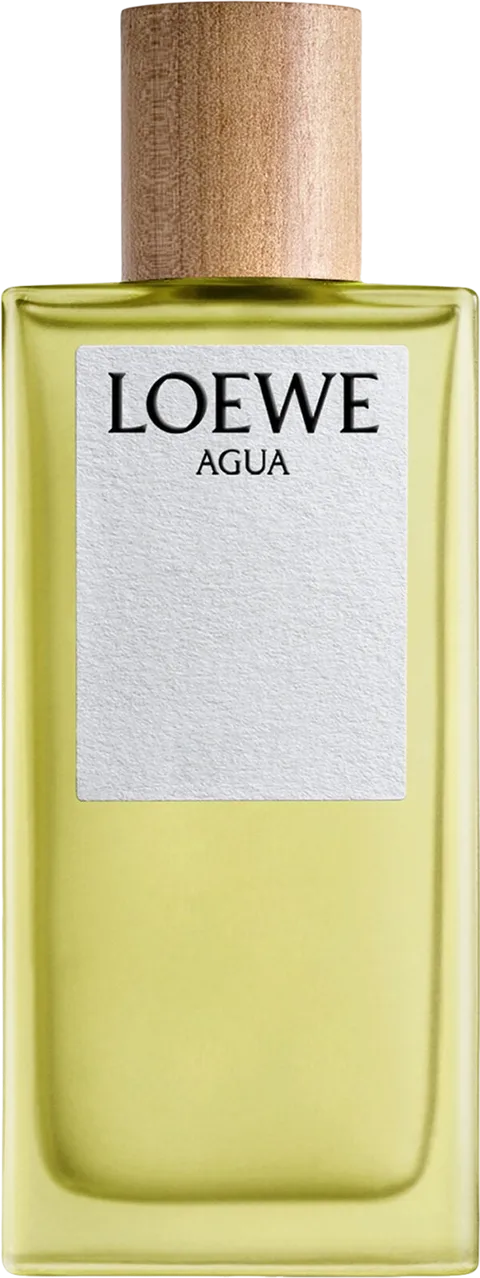 LOEWE Agua Eau de Toilette
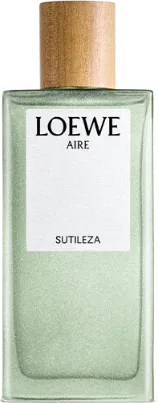 Aire Sutileza
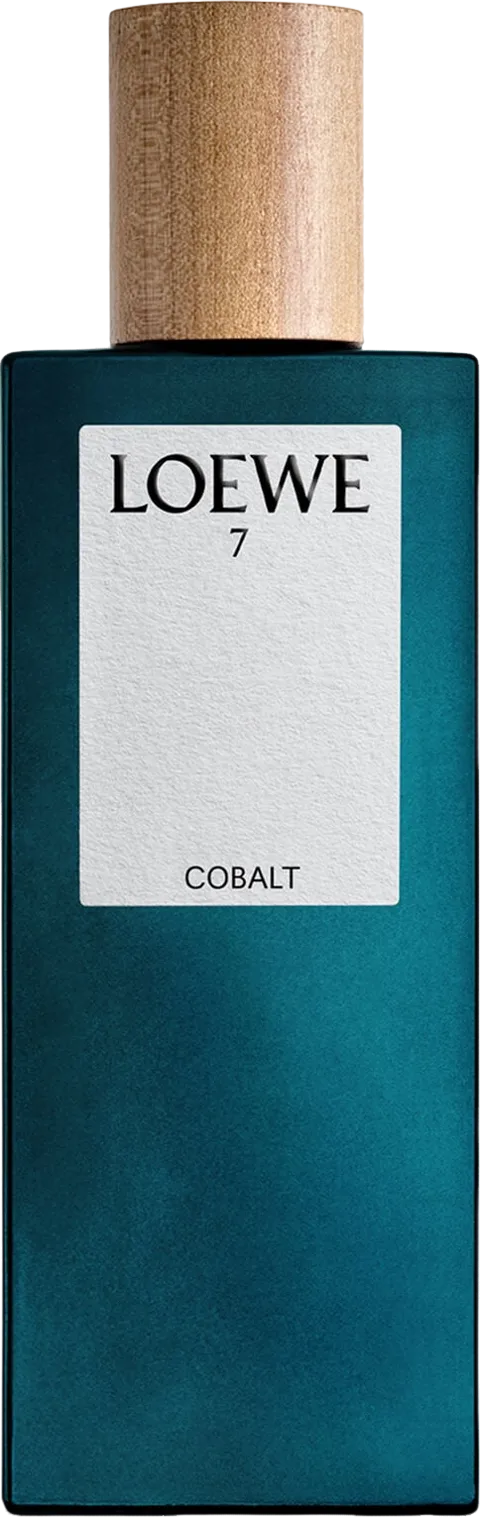 LOEWE 7 Cobalt Eau de Parfum
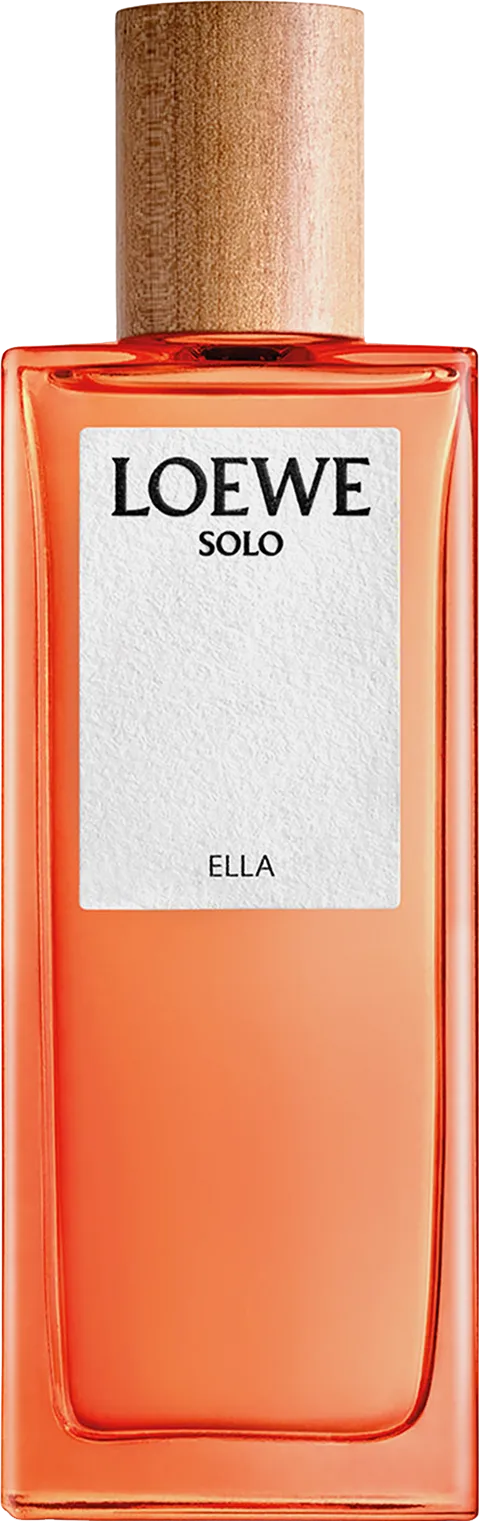 Solo Ella Eau de Parfum
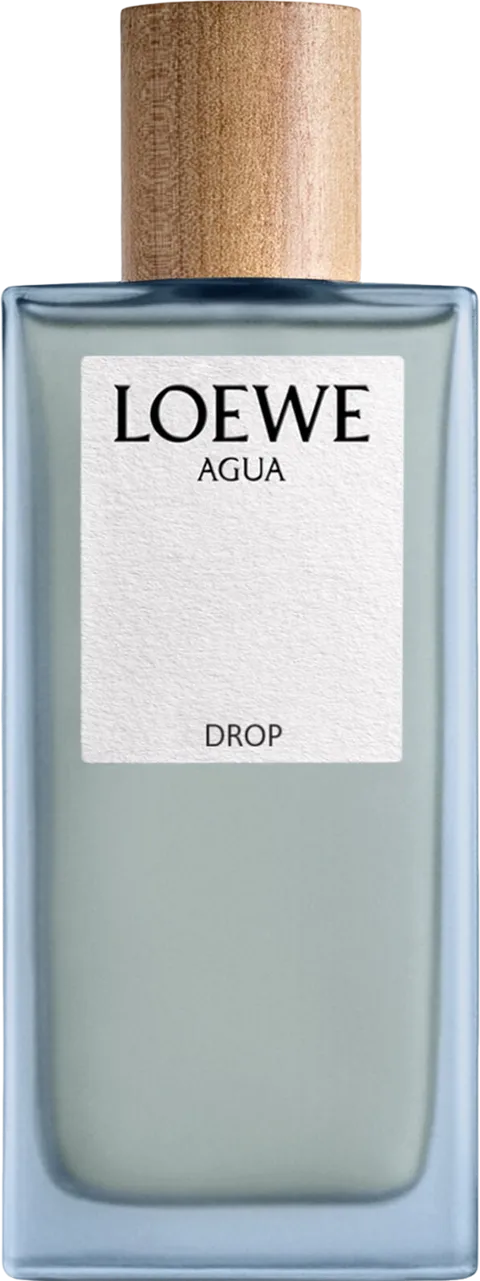 LOEWE Agua Drop Eau de Parfum
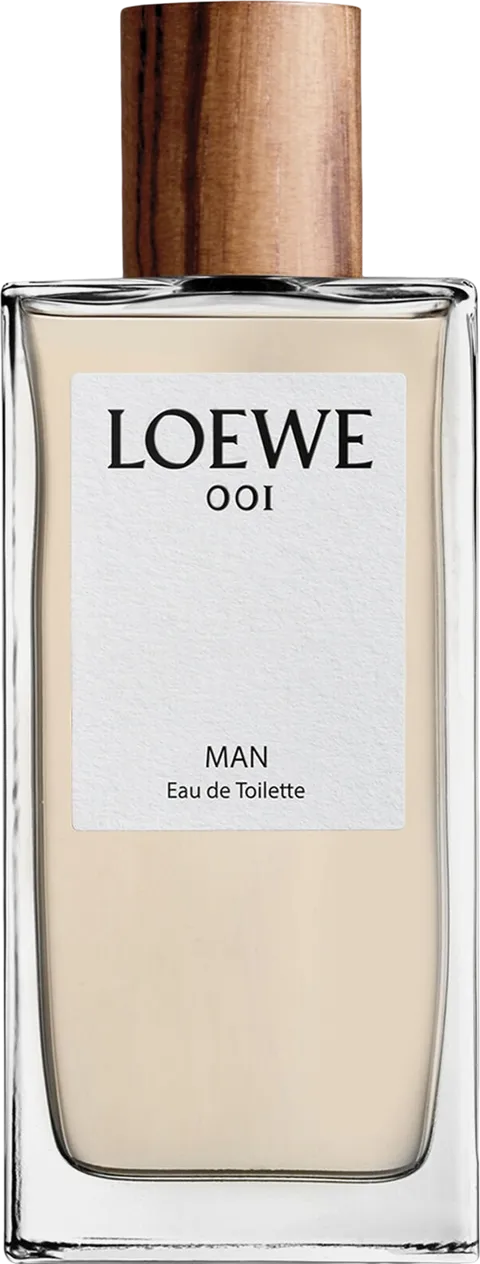 LOEWE 001 Man Eau de Toilette
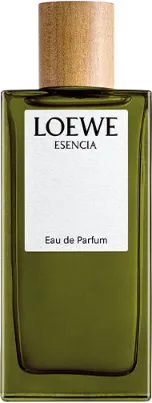 Esencia
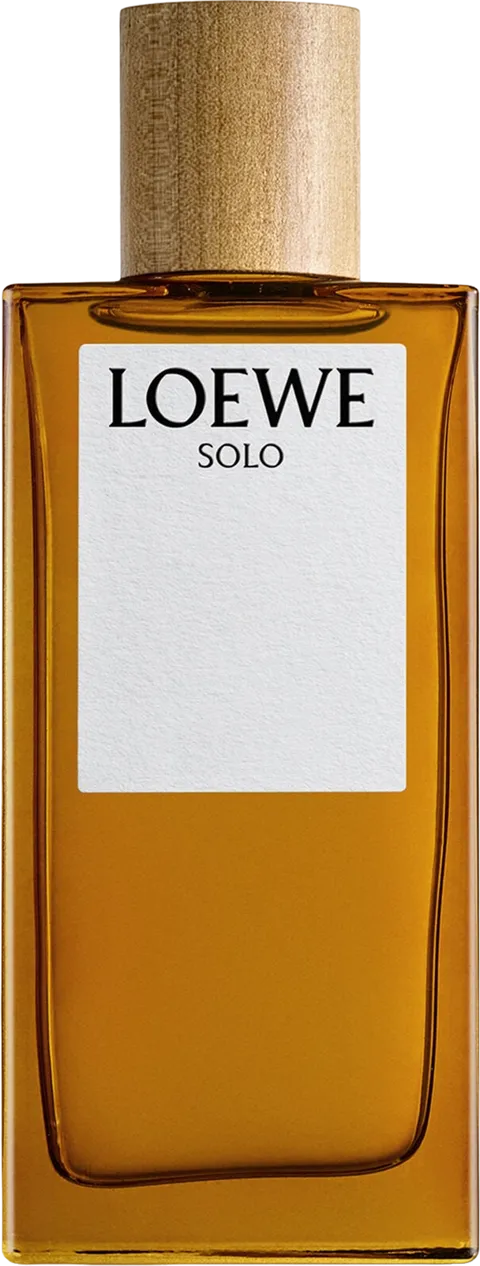 Solo Eau de Toilette
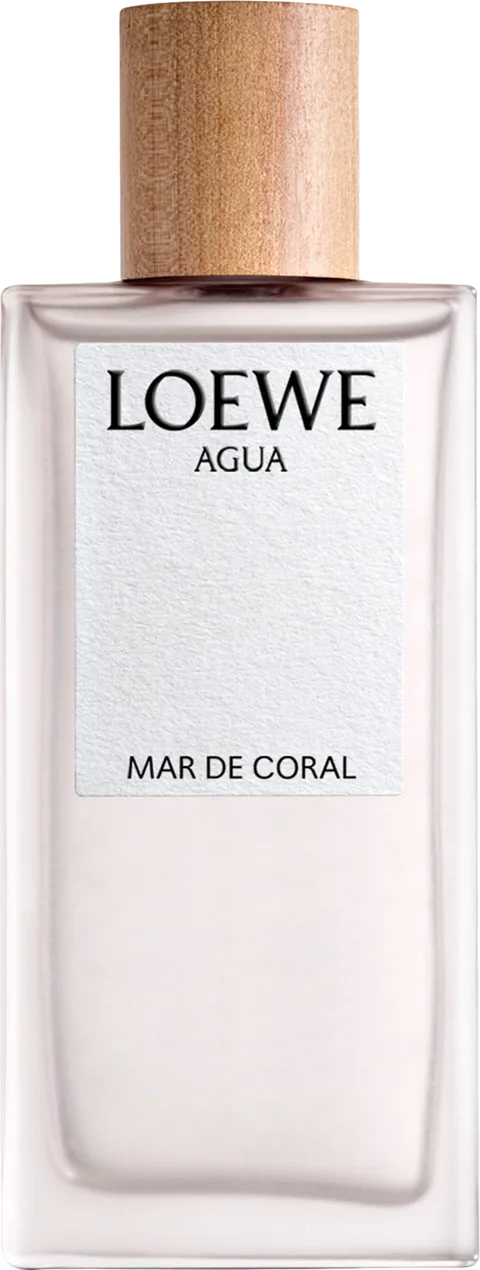 LOEWE Agua Mar de Coral Eau de Toilette
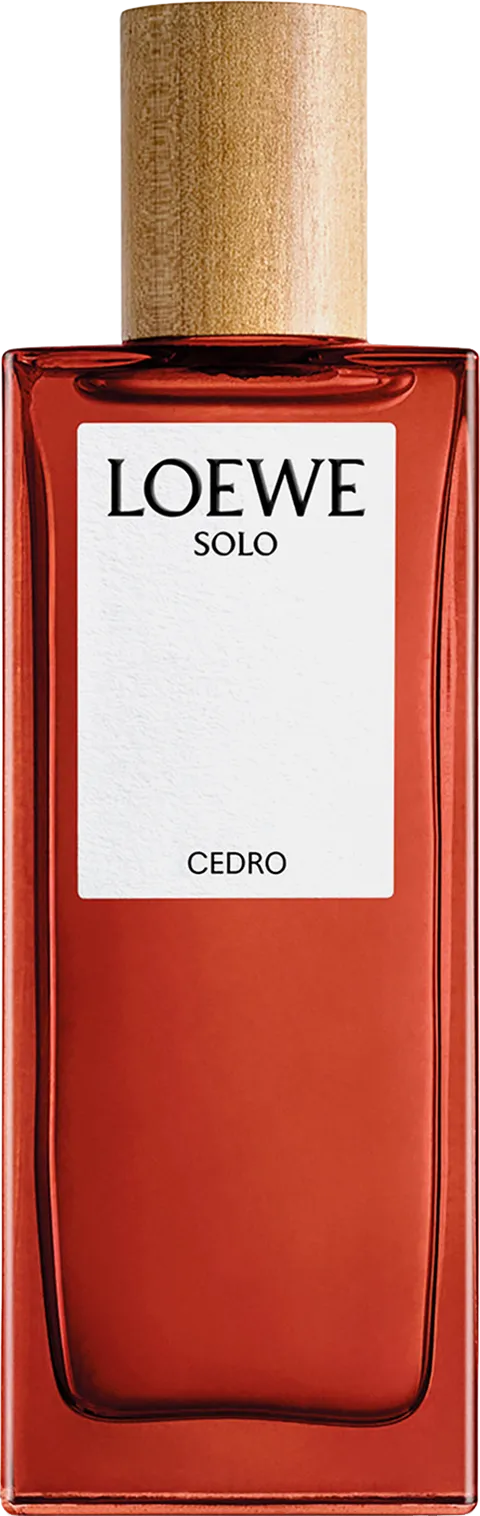 Solo Cedro Eau de Toilette
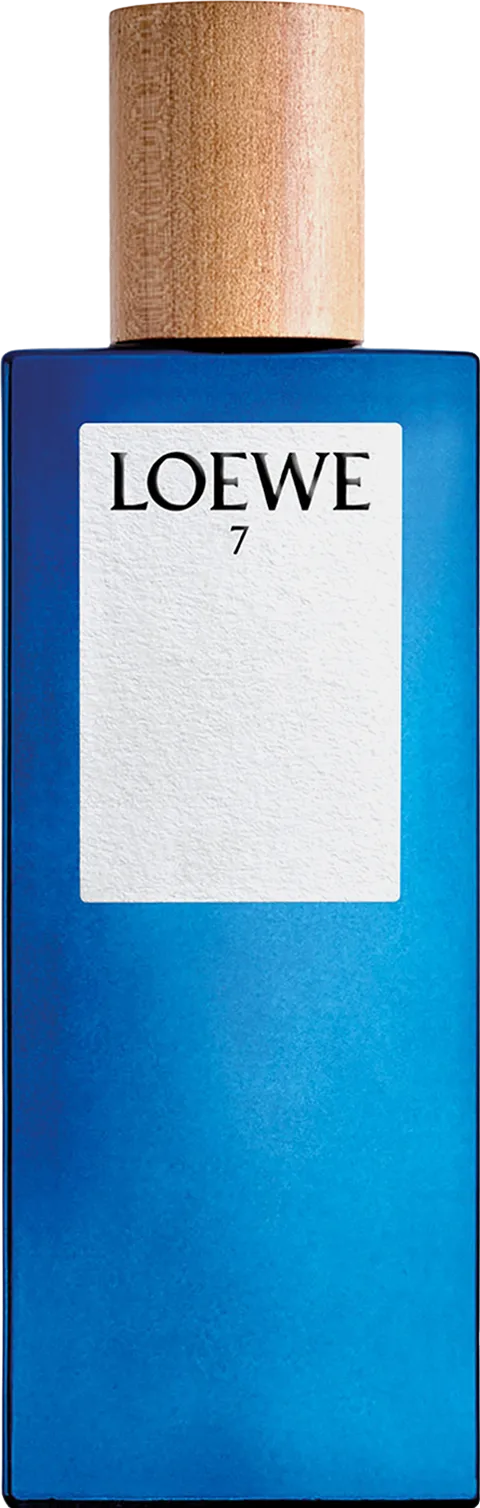 LOEWE 7 Eau de Toilette
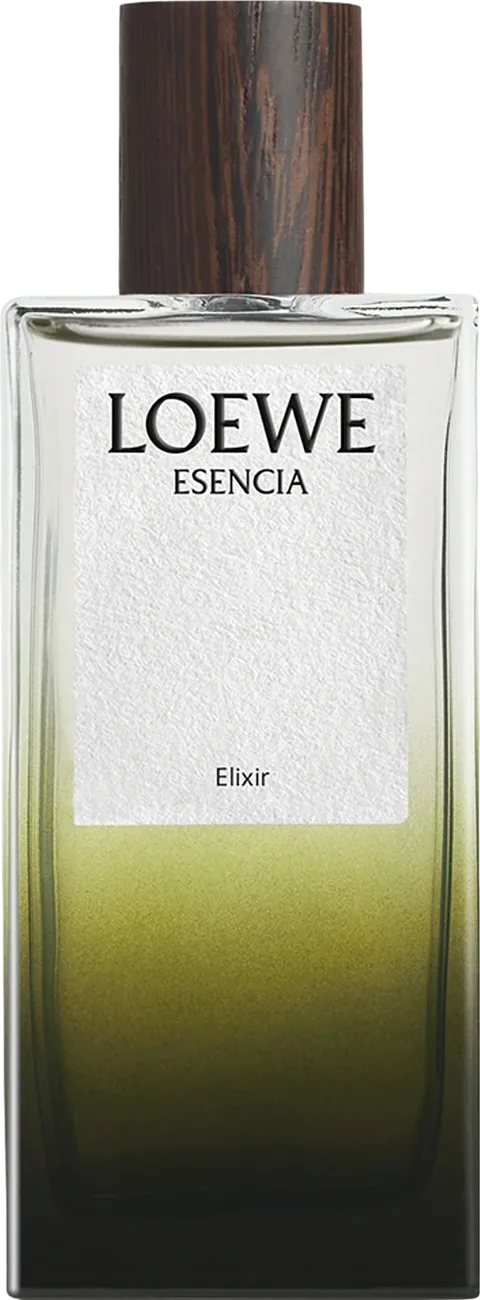 LOEWE Esencia Elixir
 001 Woman
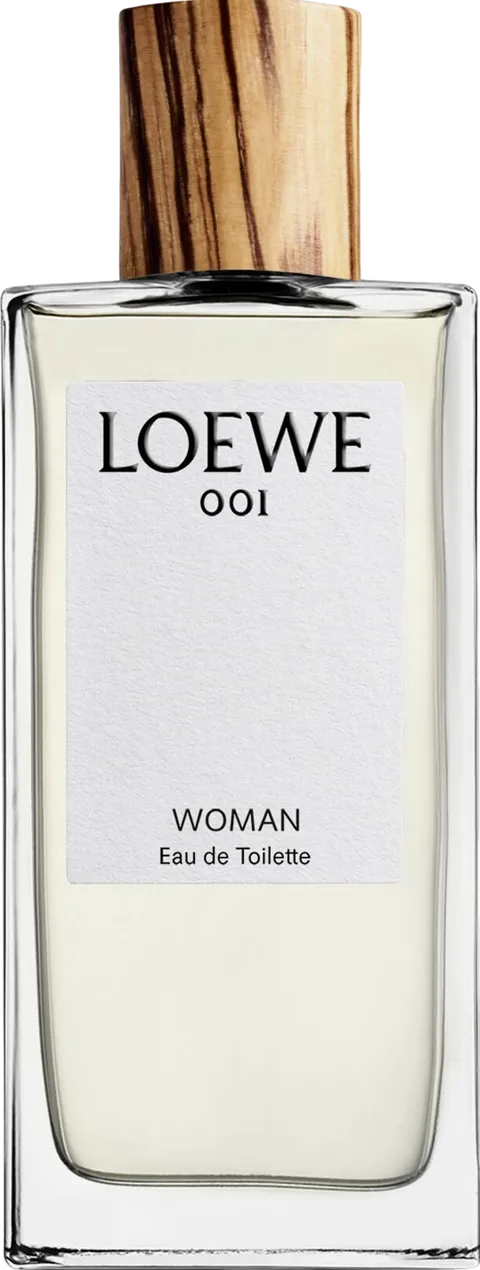 LOEWE 001 Woman Eau de Toilette
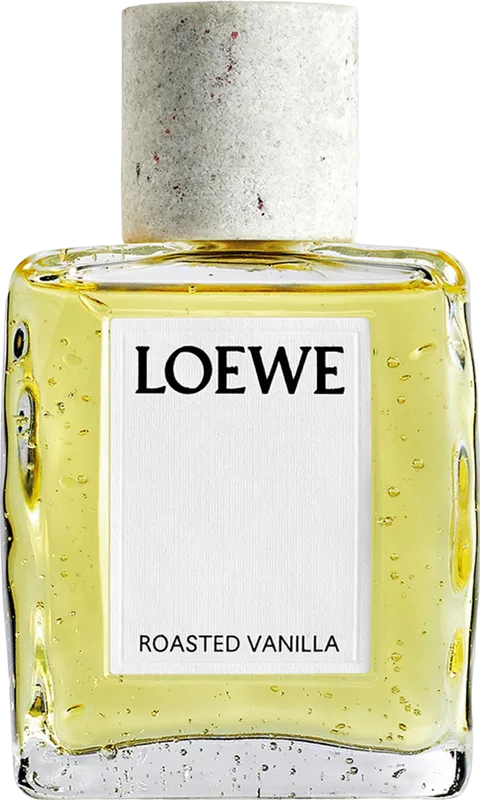 LOEWE Roasted Vanilla Eau de Parfum
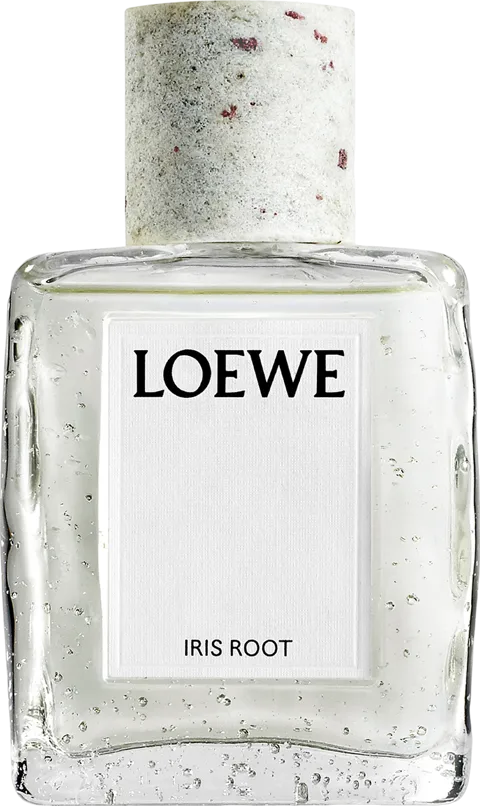 Iris Root Eau de Parfum