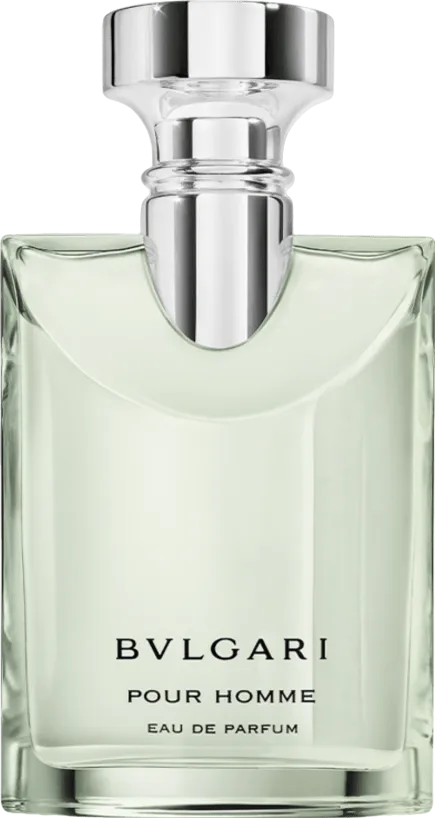
Bvlgari Pour Homme Eau de Parfum
Darjeeling gives way to Ceylon tea over time, moving through bright ginger and dry wood before white musk settles close to skin in this woody musk.
#458 · 2026-08-20
Basic Information and First Impression
Bvlgari Pour Homme Eau de Parfum is a 2024 woody musk. Bvlgari frames it as a balance between outdoor freedom and indoor comfort. It does not force the wearer to choose between an open-air freshness and a private, settled mood; it carries the brightness of the first into the calm of the second.
Darjeeling tea and ginger open the fragrance with a transparent, dry tea effect sharpened by a cool spicy edge. Ceylon tea and guaiac wood then make the center darker and drier. Ambrette seed and white musk finally draw the scent close to skin. It is not a heavy leather-and-amber statement. There is no milky sweetness; tea leaves, pale steam, dry wood, and clean fabric appear in a clear progression.
In one phrase, it is a tea musk that returns from open air to a quiet room. The woods and musk give the initial clarity somewhere soft and reassuring to land.
Perfumer, Brand Background, and Creation Story
The perfumer is Jacques Cavallier Belletrud, born in Grasse into a family of perfumers. His work often keeps the identity of a material clear while using modern technique to shape light, air, and movement. He does not treat natural materials and contemporary aroma molecules as opposing camps; both can serve one transparent structure.
The ginger and Ceylon tea materials are described as SFE extracts, made with low-temperature carbon dioxide extraction. The method is intended to preserve a material's recognizable profile without exposing it to high heat. It helps explain why the ginger can feel bright and sharply outlined while the darker tea remains clear rather than muddy.
Bvlgari's tea history reaches back to the original Eau Parfumée au Thé Vert in 1992, first made for valued jewelry clients before entering wider distribution. Bvlgari Pour Homme Eau de Toilette followed in 1996, followed later by Pour Homme Extrême and Eau Parfumée au Thé Blanc; Extrême is now discontinued. The 2024 Eau de Parfum changes from Darjeeling to Ceylon tea over time, while Eau Parfumée Thé Impérial extends the lineage further. The current green-tea release is referred to as Eau Parfumée Thé Vert, while the historical 1992 name retains au Thé Vert.
Detailed Scent Analysis
The official pyramid opens with Darjeeling Tea Accord and Ginger SFE. The tea is transparent and dry, while ginger brings a cool, peppery brightness. Some wearers may read that brightness as citrus-like, but lemon and bergamot are not official notes. Ginger narrows and brightens the outline of the pale tea steam instead of adding sweetness.
Ceylan Tea SFE and Guaiac Wood Essence form the heart. Tea does not disappear; it moves from the lighter impression of Darjeeling toward the deeper tone of Ceylon. Guaiac wood adds dry timber and a faint smoky shade. This change from one tea to the other over time is the fragrance's central idea.
Ambrette Seeds Absolute and White Musk Accord shape the base. The effect suggests clean skin, pale fabric, and dry paper. Ambrette adds a gentle warmth that helps the wood settle on skin, while white musk keeps the finish quiet. The scent does not turn abruptly toward dense resin or heavy sweetness; a trace of tea bitterness remains as the line becomes finer.
Reports of longevity and projection vary. Some wearers find it persistent for a fresh tea musk, while others experience a close skin scent after several hours. Rather than treating performance as a promise, follow the fragrance from its bright tea opening to its musky drydown on your own skin.
Comparison and Positioning
Bvlgari Pour Homme Eau de Toilette shares Darjeeling tea, guaiac wood, and musk, but water lily and cardamom give it a more ventilated floral transparency. The Eau de Parfum replaces that route with ginger, Ceylon tea, and ambrette, creating a greener, slightly smokier density. It is a structural reinterpretation of the same DNA, not merely a stronger concentration. The Eau de Toilette was featured in Perfume Radio episode 4.
Louis Vuitton Imagination, also by Cavallier Belletrud, uses tea and ginger with citrus, spices, and ambrox to send light outward. Bvlgari combines two teas, guaiac wood, and white musk to draw the movement inward. The choice is between tea that radiates into open space and tea that settles into dry wood and skin.
Bvlgari Eau Parfumée Thé Vert is a lighter citrus-aromatic treatment of green tea, neroli, and bergamot. Leaves and flowers lead its brightness. Pour Homme Eau de Parfum puts the two teas beside ginger, wood, and musk, making it more intimate and woody. It approaches Bvlgari's tea history through reassurance rather than sheer lightness.
Buying Guide, Price, and Recommendation
The Japanese official site listed a 100 ml bottle at ¥22,220 when checked. Price, size, stock, and regional availability can change, so the official product page remains the reliable point of purchase. Other retailers may list additional sizes, but the current official 100 ml presentation is the clearest reference.
Owners of the Eau de Toilette should compare the change from top to heart before comparing strength. Choose the Eau de Toilette for water-lily and cardamom transparency; consider the Eau de Parfum for bright ginger, deeper Ceylon tea, and the warmth of ambrette.
The transparent green bottle is presented as a landscape of balance and an entrance to an inner sanctuary. It retains the curved Pour Homme silhouette and large silver cap, while its pale green color connects naturally with the tea, wood, and clean atmosphere of this version.
It suits someone who prefers dry tea, ginger, and clean musk to sweetness or forceful projection. If sharp ginger or soapy cleanliness is difficult for you, do not decide from paper alone; wait for the later musk on skin.
Wearing Experience, Scenes, and Reputation
Bvlgari does not prescribe a season. From the structure and wearer tendencies, spring, early summer, and autumn days are natural settings. Strong heat can make ginger or musk feel sharper, so a light application is sensible. In cold outdoor weather or a formal evening that calls for a rich sweet trail, this fragrance may feel too quiet.
Offices, daytime meals, museums, travel, and conversations at close distance fit its restrained profile. White or pale-grey shirts, fine-gauge knitwear, navy jackets, and beige or muted-green trousers echo the clean, dry palette. The aim is a composed presence rather than a large scent cloud.
Positive reactions describe the tea and ginger as modern, clean, and polished without feeling old-fashioned. Unsweetened tea and a fresh hotel blanket are recurring comparisons. Reservations include sharp ginger, soap or detergent associations, limited development, modest projection, and a price that feels high for that restraint.
Its strength is not distance but the way distance gradually closes. Darjeeling brightness passes into darker tea and dry wood, then white musk returns to the skin. Begin with a small application and wait for the moment when open-air light becomes inward calm; that is where the two-tea structure becomes most legible.