Bvlgari
Bvlgari is an Italian luxury house founded in Rome in 1884, extending its jewelry heritage into watches, leather goods, hospitality, and fragrance.
Italy

About Bvlgari
History
Bvlgari is an Italian luxury house founded in Rome in 1884 by Sotirio Bulgari, a Greek silversmith who opened his first boutique on Via Sistina. The house grew from silver objects and jewelry into an international name associated with Roman design. Over time it expanded into watches, accessories, hospitality, and fragrance while keeping jewelry craftsmanship at the center of its identity. Bvlgari's perfume journey began in 1992 with Eau Parfumée au Thé Vert, first conceived as a gift for close high-jewelry clients before reaching a wider public.
Philosophy & Signature Style
Bvlgari is known for saturated colored stones, assertive geometry, and forms that draw on Rome's architecture and Greco-Roman culture. Its work often treats color and material as structural elements rather than decoration. Fragrance follows the same approach: scent, bottle, color, texture, and name are developed as one object. The perfume portfolio translates subjects such as tea, gemstones, flowers, minerals, travel, and modern masculinity into compositions that balance clarity, recognizable materials, and a strong visual presence.
Iconic Fragrances
Important releases include Eau Parfumée au Thé Vert, Bvlgari Pour Femme, Bvlgari Pour Homme, the Omnia line, the Bvlgari Man collection, Allegra, and Le Gemme. Eau Parfumée au Thé Vert gave tea an influential place in modern luxury fragrance. Later collections extended the house's vocabulary through white and black teas, colored gemstones, Roman references, and contrasting natural elements, linking its jewelry heritage with an olfactory language of light, color, and material.
Perfumes by this brand
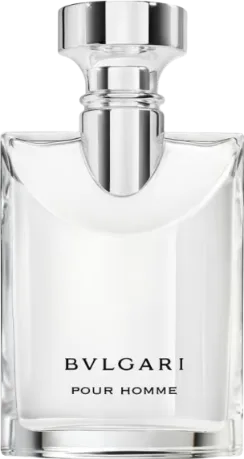 Pour Homme Eau de toilette
 Petits et Mamans
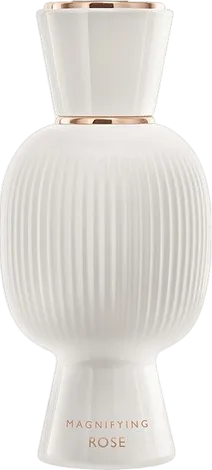 Allegra Magnifying Rose
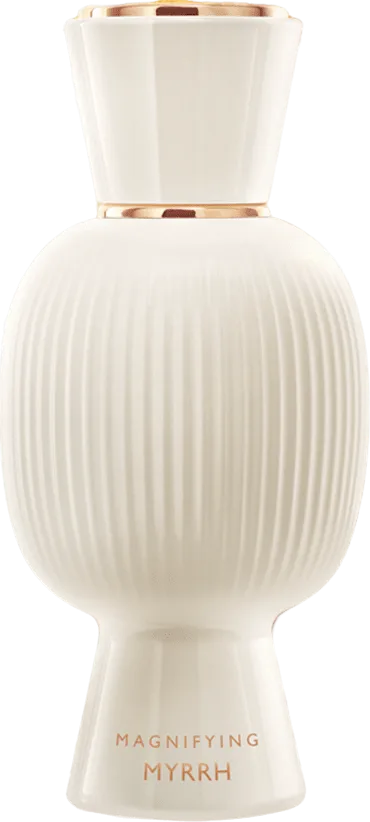 Allegra Myrrh Magnifying
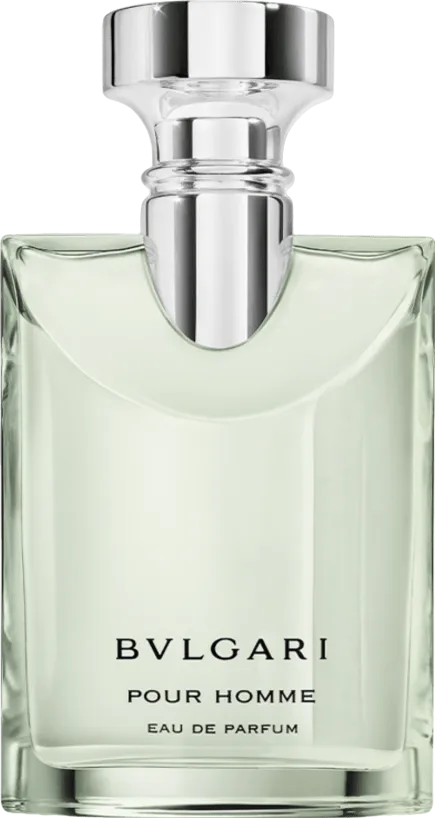 Bvlgari Pour Homme Eau de Parfum
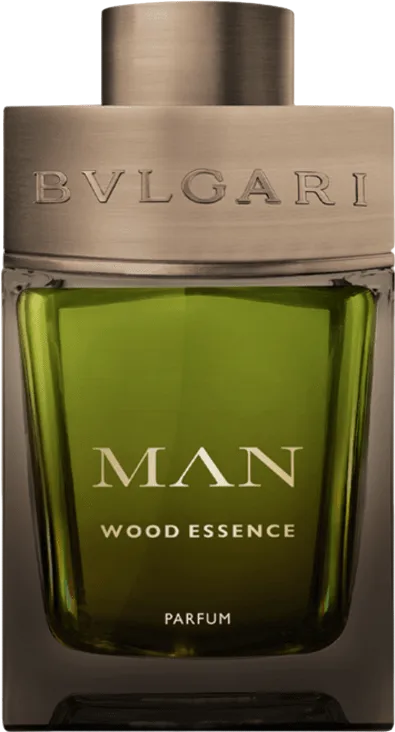 Bvlgari Man Wood Essence Parfum
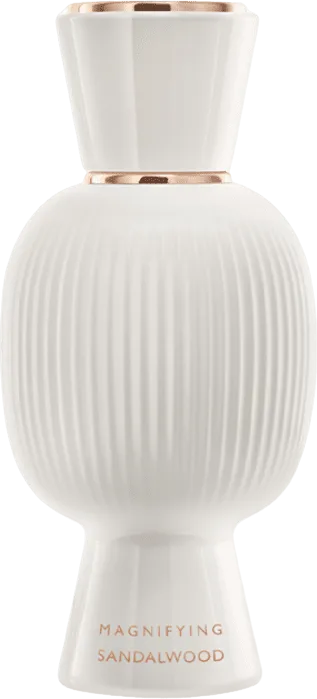 Allegra Magnifying Sandalwood
 Black
Black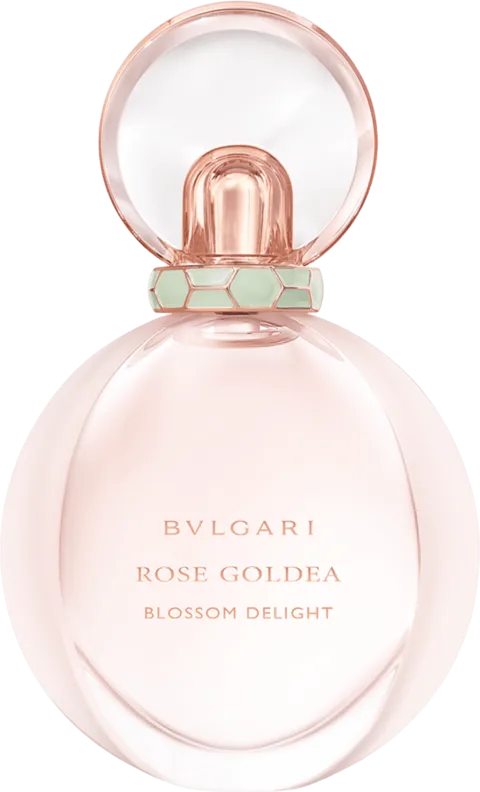 Rose Goldea Blossom Delight
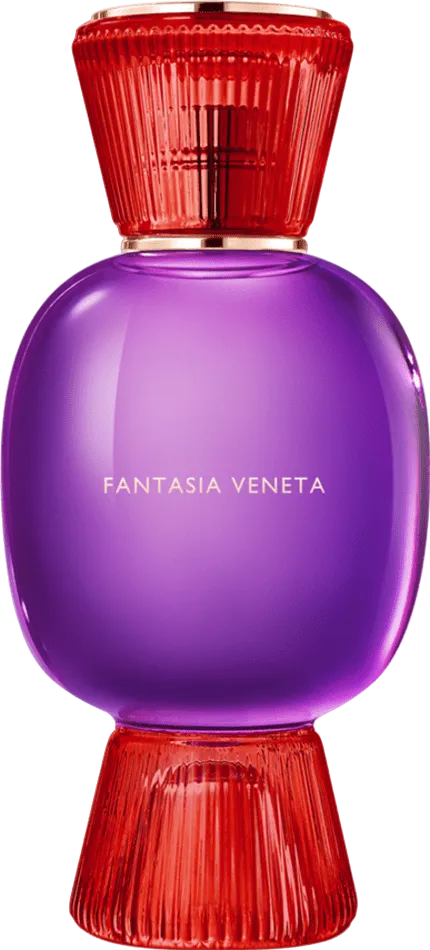 Allegra Fantasia Veneta
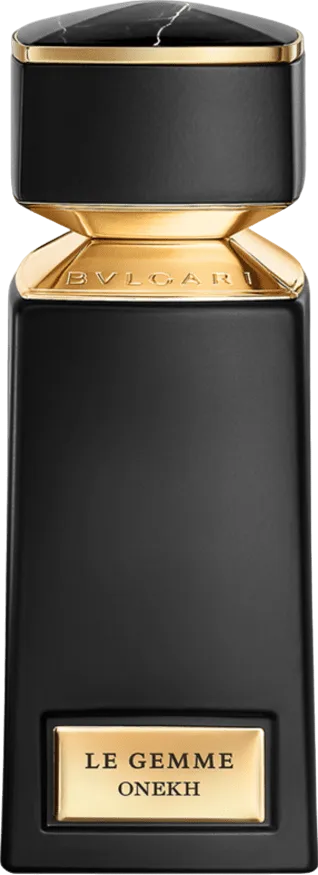 Le Gemme Onekh
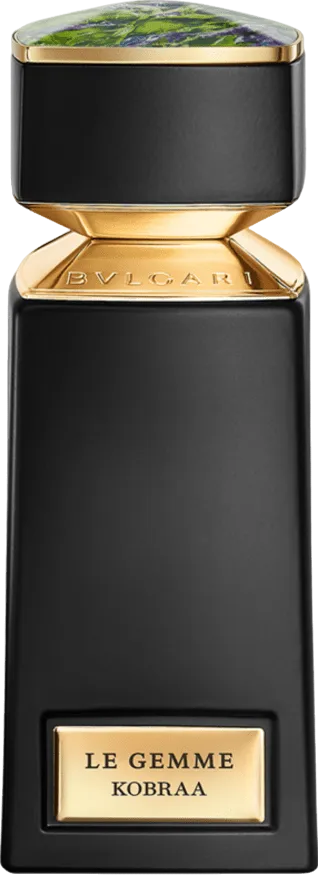 Le Gemme Kobraa
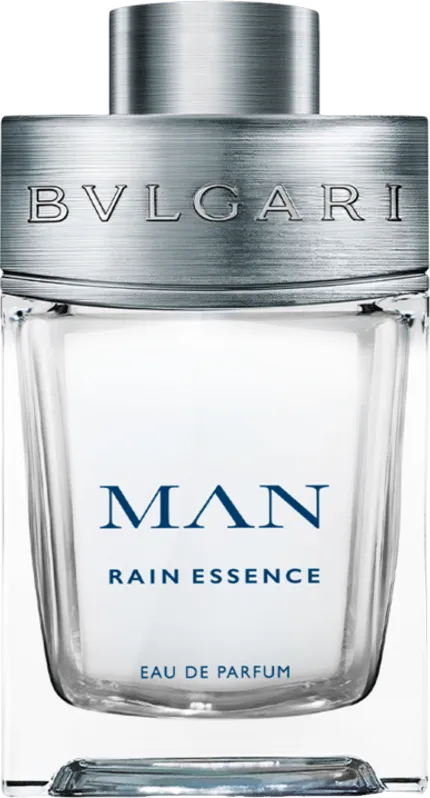 Bvlgari Man Rain Essence
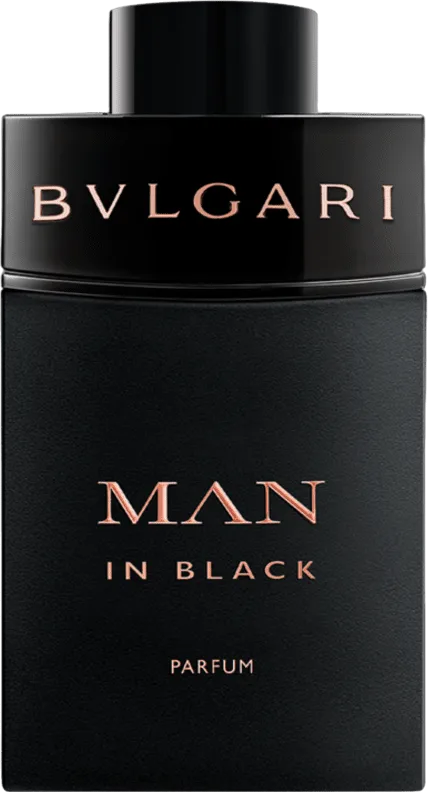 Bvlgari Man In Black Parfum
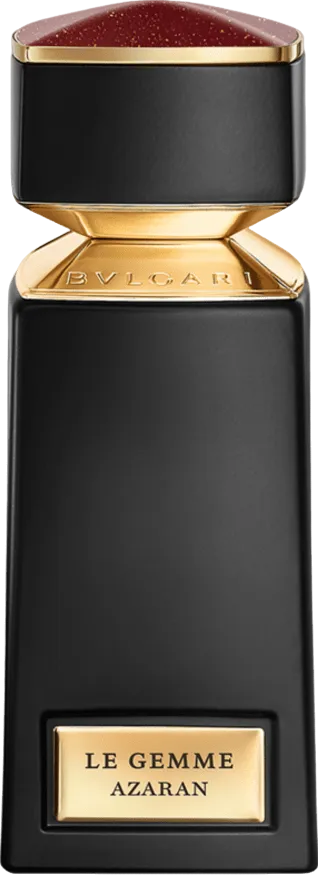 Le Gemme Azaran
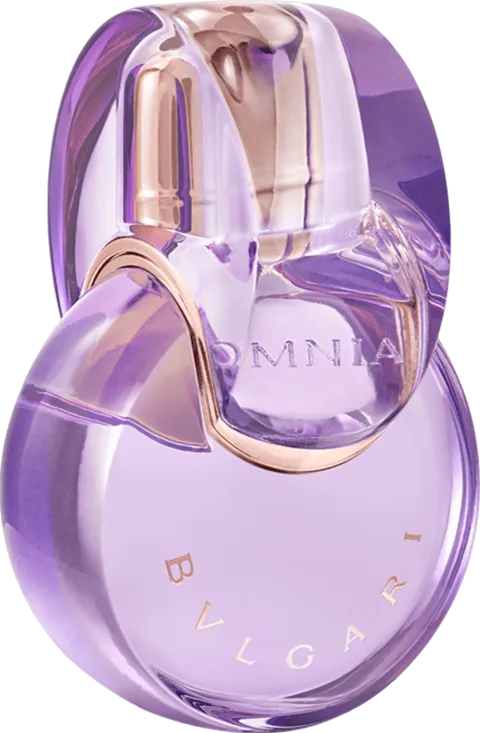 Omnia Amethyste
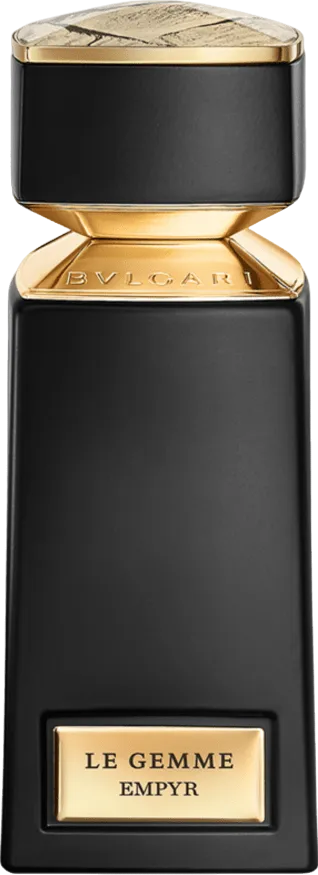 Le Gemme Empyr
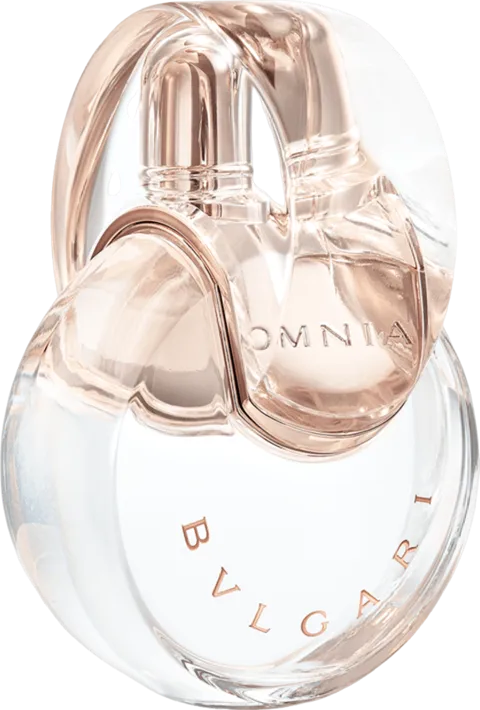 Omnia Crystalline
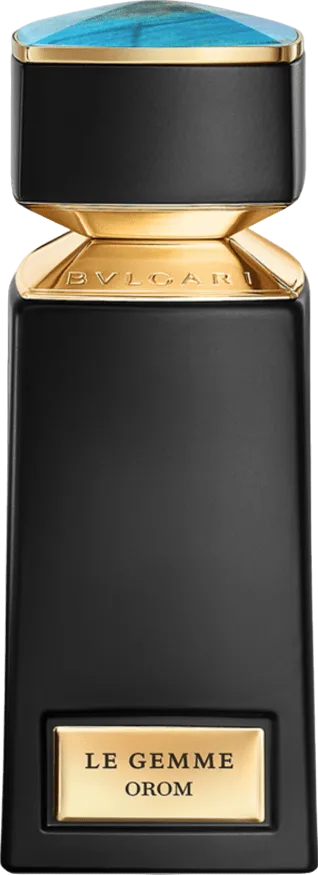 Le Gemme Orom
 Rock'n'Rome
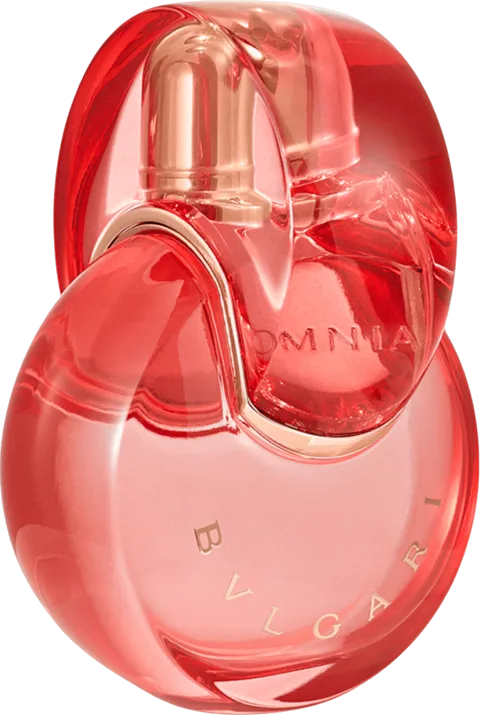 Omnia Coral
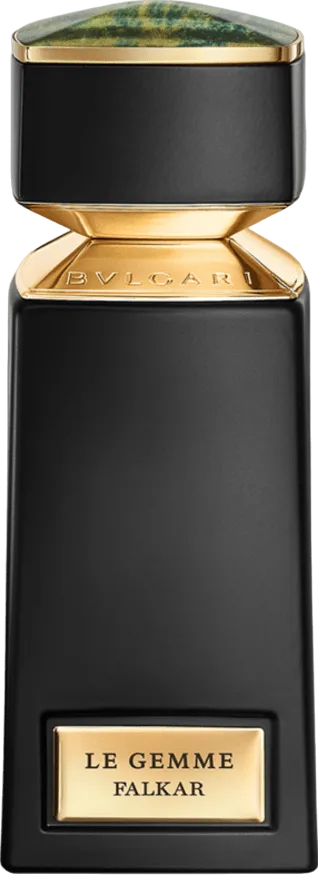 Le Gemme Falkar
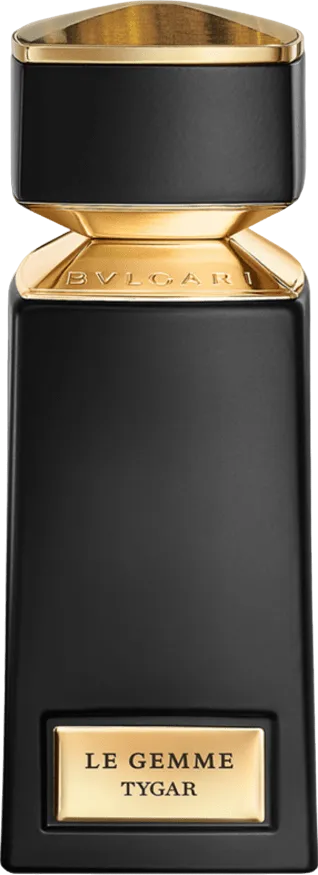 Le Gemme Tygar
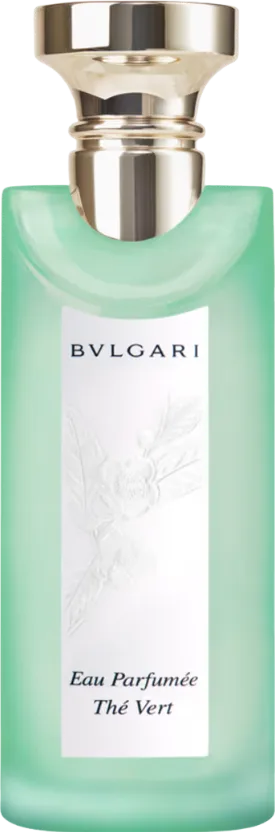 Eau Parfumée Thé Vert
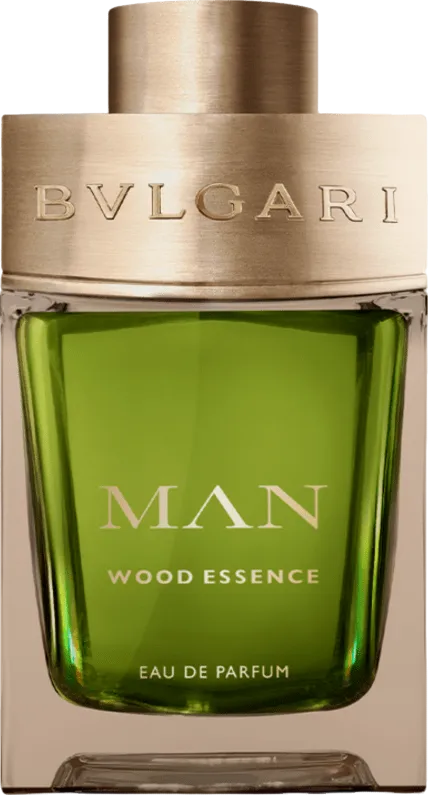 Bvlgari Man Wood Essence Eau de Parfum
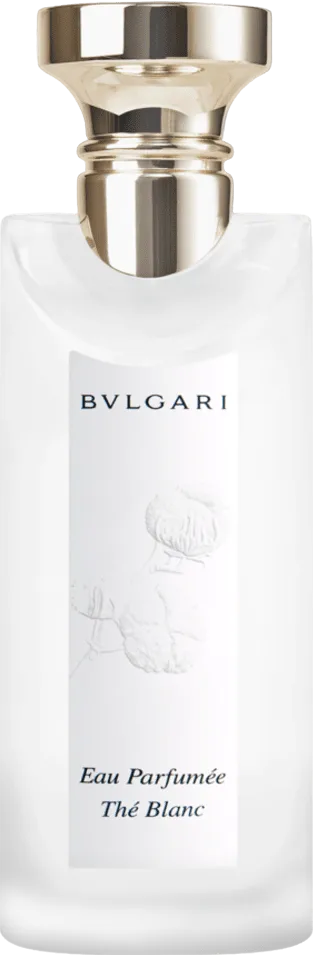 Eau Parfumée Thé Blanc
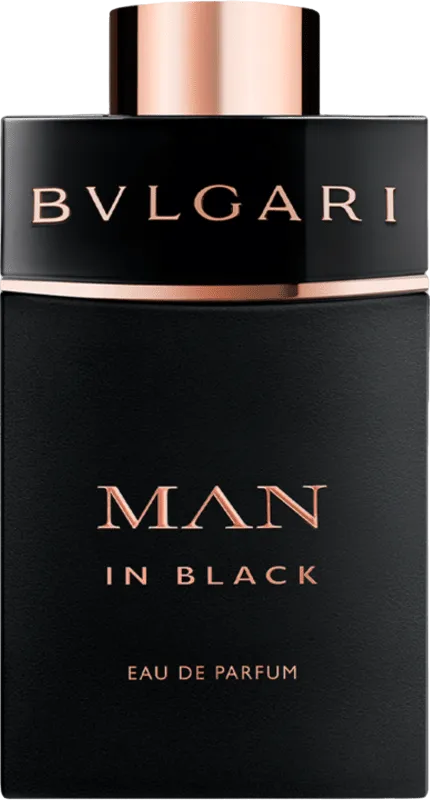 Bvlgari Man In Black Eau de Parfum
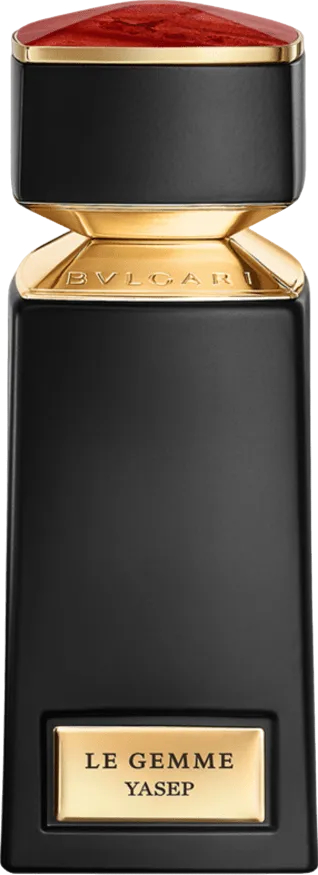 Le Gemme Yasep
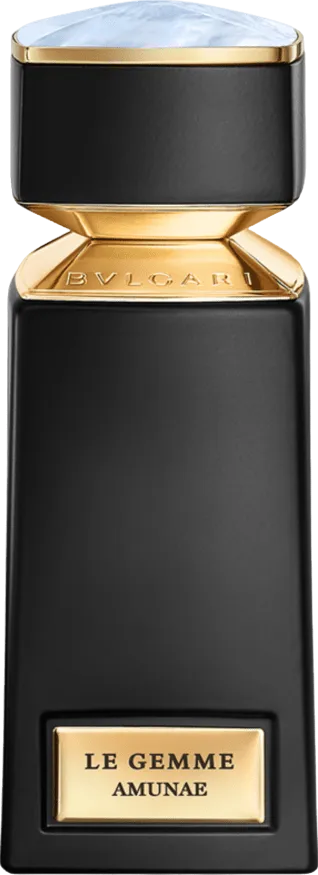 Le Gemme Amunae
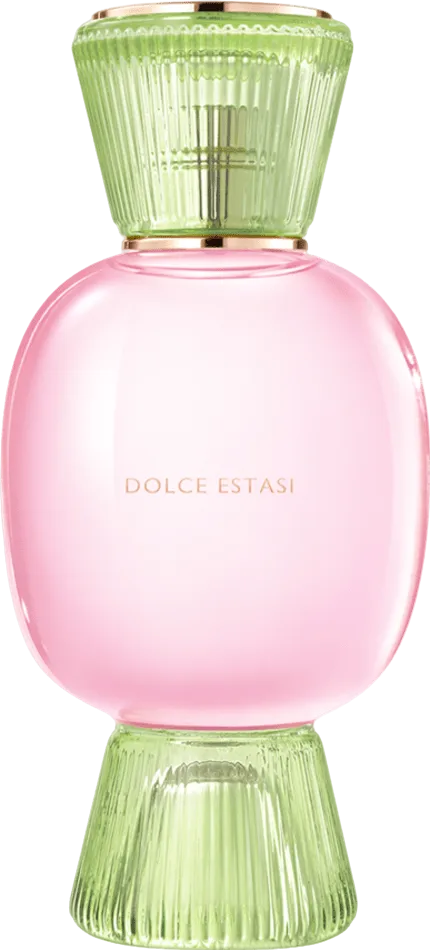 Allegra Dolce Estasi
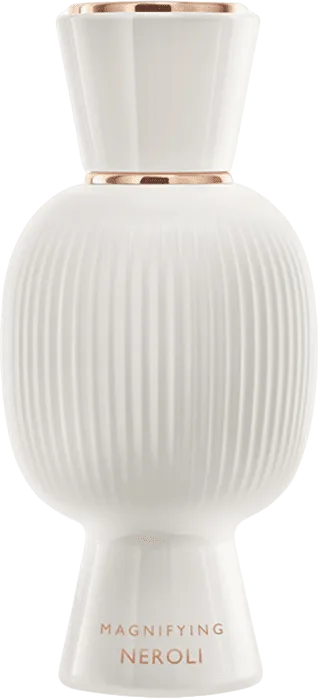 Allegra Neroli Magnifying
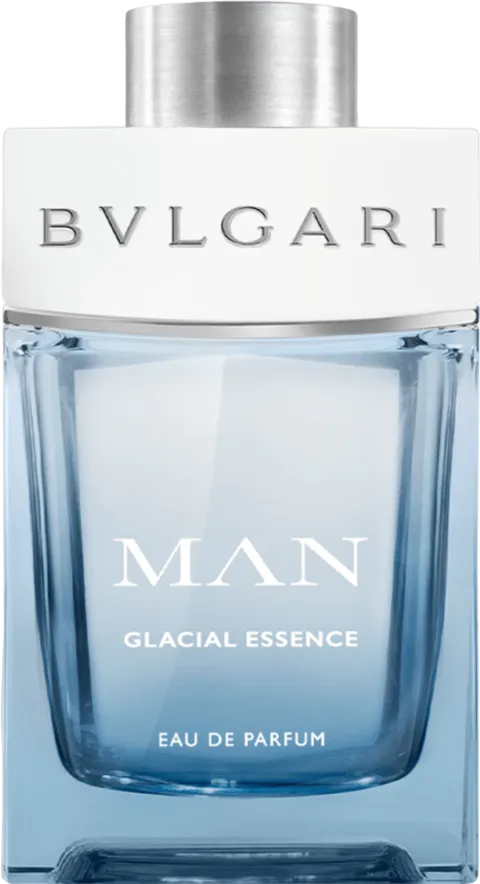 Bvlgari Man Glacial Essence
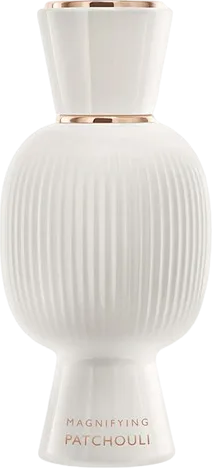 Allegra Magnifying Patchouli
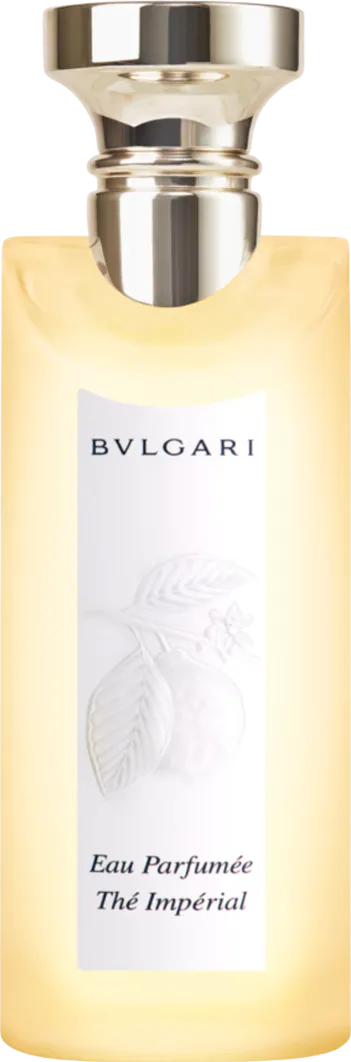 Eau Parfumée Thé Impérial
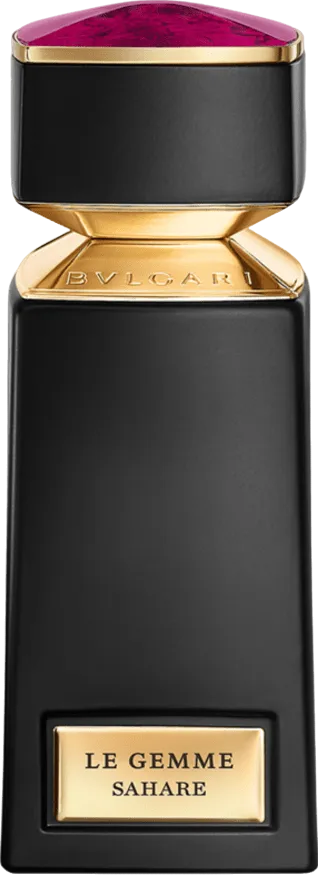 Le Gemme Sahare
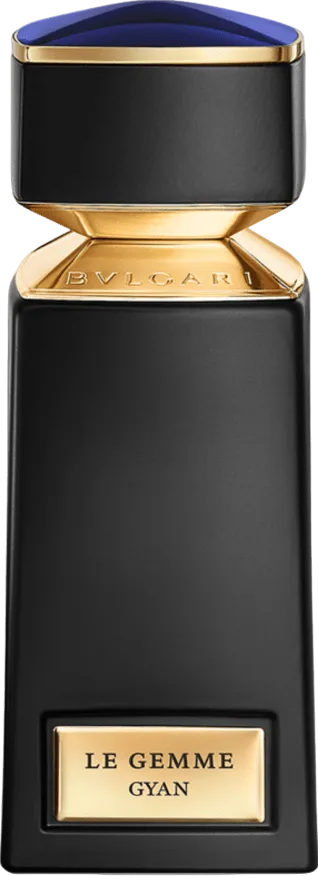 Le Gemme Gyan