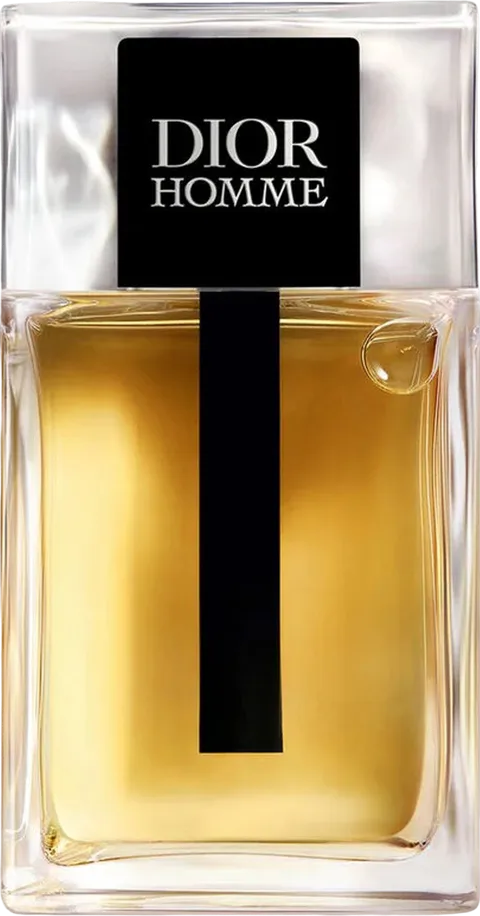
Dior Homme Eau de Toilette
Cool bergamot and spice lead to dry, warm Atlas cedar, transparent woods, and clean musk. This episode follows François Demachy’s idea of controlled strength, the shift from earlier iris-led Dior Homme versions, three comparisons, and a practical way to test it for work or dinner.
#455 · 2026-08-17
Basic Information and First Impression
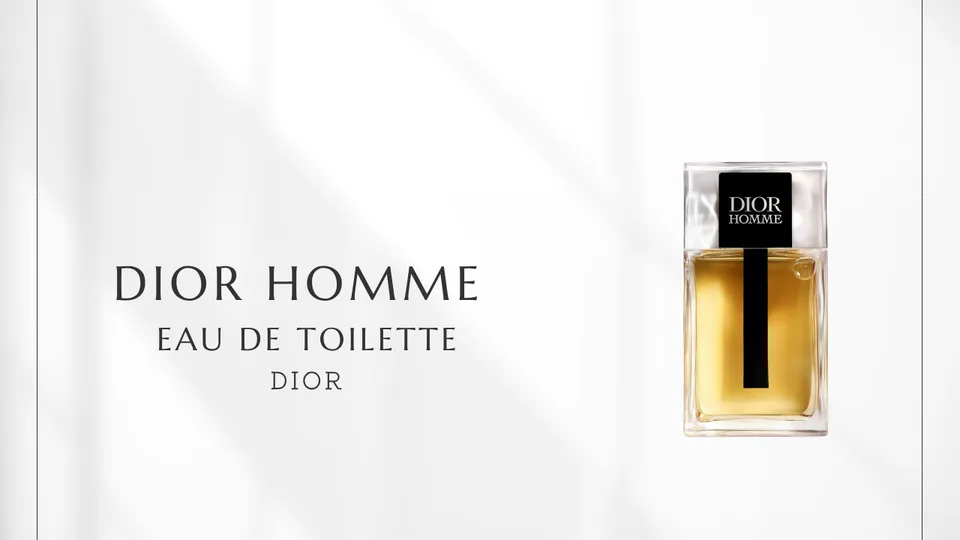
Dior Homme Eau de Toilette is a sensual woody fragrance released in 2020. Dior frames it through paired qualities: strength and freshness, smooth woods and rougher textures, masculinity and sensitivity. The result does not force those qualities into one loud gesture. It keeps them in balance through a dry, clearly drawn woody structure.
Bergamot and spice provide the first cool brightness. As that light recedes, Atlas cedar appears with a dry line and a faint leathery warmth. The later stages add transparent woods, vetiver, and clean musk. It feels composed and contemporary, with enough air between the materials to remain useful in everyday settings.
The 2020 Eau de Toilette is separate from the iris-led earlier Dior Homme versions now associated with Dior Homme Original. It retains the name but shifts the image from powdery, lustrous fabric toward cedar, vetiver, restraint, and clean structure.
Perfumer, Brand Background, and Creation Story
François Demachy is the perfumer. In Dior's own interview, he describes Atlas cedar as the centre of the composition, joined by vetiver, sandalwood, and patchouli. His aim was controlled strength: woods that feel enveloping without losing their outline.
That idea reflects Dior's portrait of a modern man who is confident in both strength and gentleness. Demachy also speaks of contemporary masculinity as being less afraid of showing vulnerability. The fragrance therefore uses contrast as part of its subject, not simply as decoration around the notes.
Leonard Cohen's “I'm Your Man” became the campaign song, with Robert Pattinson as its face. Demachy linked the song's deep voice and slow rhythm with its gentle words. The contrast between depth and tenderness mirrors the human character behind the scent.
Detailed Scent Analysis
The adopted structure is the explicit pyramid published for this exact 2020 Eau de Toilette. Dior's own product page lists key materials without assigning a complete top, heart, and base structure.
The top contains bergamot, pink pepper, and elemi. Bergamot supplies cool citrus light, pink pepper draws a fine spicy edge, and elemi adds a resinous chill. The opening is bright without becoming juicy or sweet; its role is to reveal the warmer woods behind it.
The middle contains Atlas cedar, cashmere wood, and patchouli. Dior describes Atlas cedar as dry, with a faint leathery warmth. Cashmere wood softens the angles, while patchouli gives the woody heart an enveloping quality and connects it to the base.
The base contains Iso E Super, Haitian vetiver, and white musk. Transparent woodiness sits beside the root-like warmth of vetiver and a smooth, clean skin effect from musk. The finish is not a single heavy plank of wood; it leaves air between several woody textures.
Dior gives no fixed longevity or projection claim. Wearer responses range from noticeable wear through much of the day to a scent that quickly feels close to the skin or becomes hard for the wearer to detect. That range should not be assigned to one material or a supposed reformulation without evidence.
Comparison and Positioning
Dior Homme Intense shares warmth and a skin-close musky quality, but its centre is powdery, lustrous iris with ambrette, amber, and woods. Dior Homme Eau de Toilette moves instead from citrus light toward dry cedar. One suits a desire for daytime dryness; the other gives more fabric-like richness for evening or formal settings.
Dior Homme Sport shares citrus and pink pepper at the opening. Sport keeps the energetic brightness in front, while this Eau de Toilette uses freshness as an entrance to Atlas cedar and Haitian vetiver. The distinction is sustained lightness versus freshness followed by calm woods.
Bois Impérial Eau de Parfum also uses spice, vetiver, and transparent modern woods. Basil, Timut pepper, Akigalawood, and Ambrofix give it a more abstract, metallic construction. Dior Homme retains more warmth and the tactile memory of traditional masculine cedar and vetiver.
Buying Guide, Price, and Recommendation
The Japanese official page lists 50 ml and 100 ml. At the August 2026 research snapshot, the selected 100 ml format was displayed at ¥18,480. Price, size availability, and stock can change, so the current official listing should govern a purchase decision.
Do not decide from the bergamot opening alone. Give the cedar, patchouli, vetiver, and musk time to settle on skin. Some wearers report a warmer skin effect than they found on paper, making a side-by-side blotter and skin test more useful than a quick first spray.
This fragrance suits someone seeking clean brightness and dry woods without dense sweetness. It can also work for a person who wants a composed office fragrance that does not depend on large projection. Those looking for the powdery iris of earlier Dior Homme versions, a thick amber base, or conspicuous diffusion may prefer another member of the line.
Wearing Experience, Scenes, and Reception
Dior does not prescribe a season. The balance of dry woods and warmth makes spring and autumn especially easy editorial choices. In summer, a lighter application lets the citrus and transparent woods breathe; in high heat and humidity, restraint helps preserve that clarity. Winter wear is possible, although the composition has less sweetness and density than many cold-weather fragrances.
Work mornings, offices, travel between appointments, and dinner meetings fit its combination of cleanliness and calm structure. White or pale-blue shirts, navy or grey jackets, simple knitwear, and restrained T-shirts reflect the same uncluttered character.
Positive wearer reactions often mention clean cedar, dryness, versatility, and a scent that remains pleasant to others without dominating a room. Critical responses include disappointment over the missing iris character of earlier Dior Homme, a perception of synthetic or linear woods, and difficulty detecting the scent after the opening.
Begin with a small application on skin and wait for the cedar and vetiver. If the fragrance seems to disappear, check its distance with another person before adding more. Its value lies less in dramatic development or room-filling projection than in whether this measured balance of brightness, warmth, and dry wood fits daily life.