Carolina Herrera
A fashion house launched with a New York collection in 1981, translating clean line, vivid color, and urban sociability into scents balancing confidence with ease.
United States

About Carolina Herrera
Carolina Herrera joined the founder's sense of color, formed in Caracas, with the speed and sociability of New York in clothes as composed as a white shirt. Fragrance similarly avoids turning formality into distance, giving the wearer clarity that can move naturally through the city while retaining confidence.
History
Encouraged by editor Diana Vreeland, Carolina Herrera presented her own collection at New York's Metropolitan Club in 1981. She translated experience of social dress into design and expanded through gowns, bridal work, and ready-to-wear. Fragrance development with Puig began in the late 1980s. Puig acquired the fashion business in 1995 and continues its international fashion and beauty operations.
Philosophy & Signature Style
The white shirt, saturated red, floral print, and disciplined shoulder allow classical manners and contemporary movement to coexist. White florals, fruit, greenery, musk, and woods in scent are placed between forceful presence and wearable cleanliness. When numbers or characters organize a story, the city is not left as scenery; it becomes the actual pace of work, movement, and evening society.
Iconic Fragrances
- *212* — Orange blossom, white florals, greenery, and musk form a bright New York cleanliness. Beyond 212, the Good Girl and Bad Boy families use distinctive shoe and lightning-bolt bottles to connect character-driven storytelling with recognizable design. The Confidential collection shifts toward more direct studies of materials such as oud, patchouli, leather, rose, iris, and amber. Together, these lines show a portfolio that moves between broad contemporary appeal, limited visual editions, and more concentrated material-focused perfumery.
Perfumes by this brand
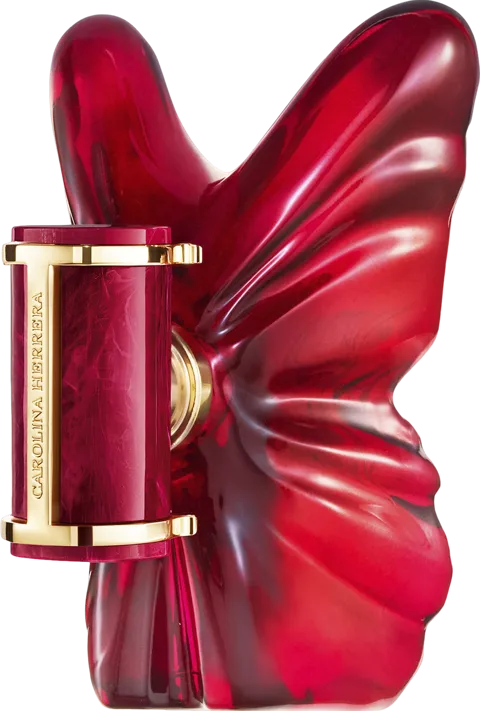 La Bomba Intensa
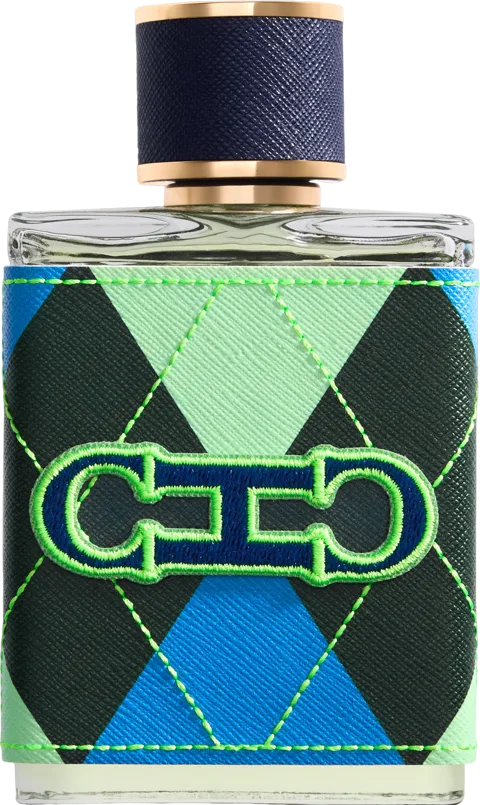 CH Men Swing Limited Edition
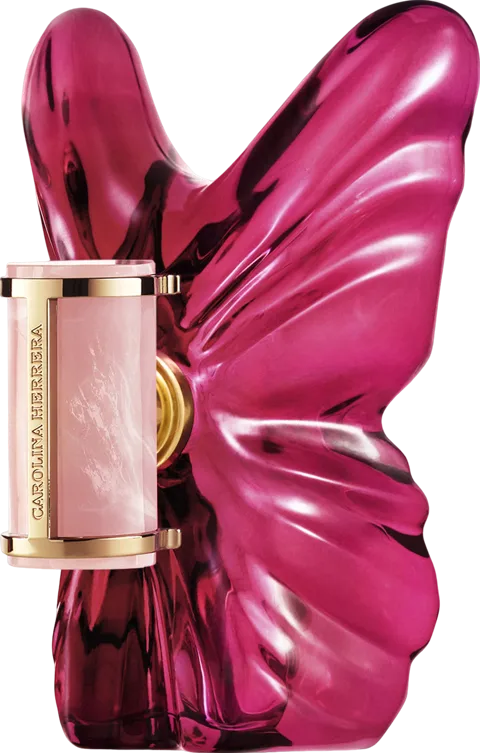 La Bomba
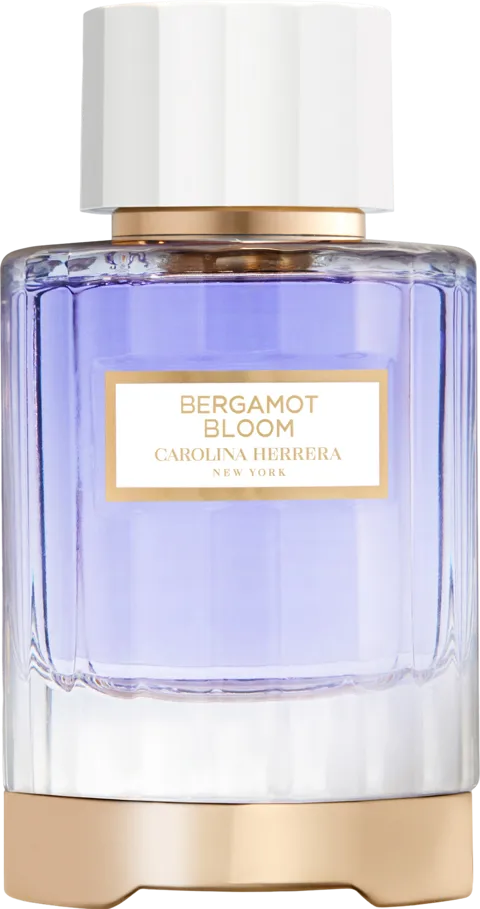 Bergamot Bloom
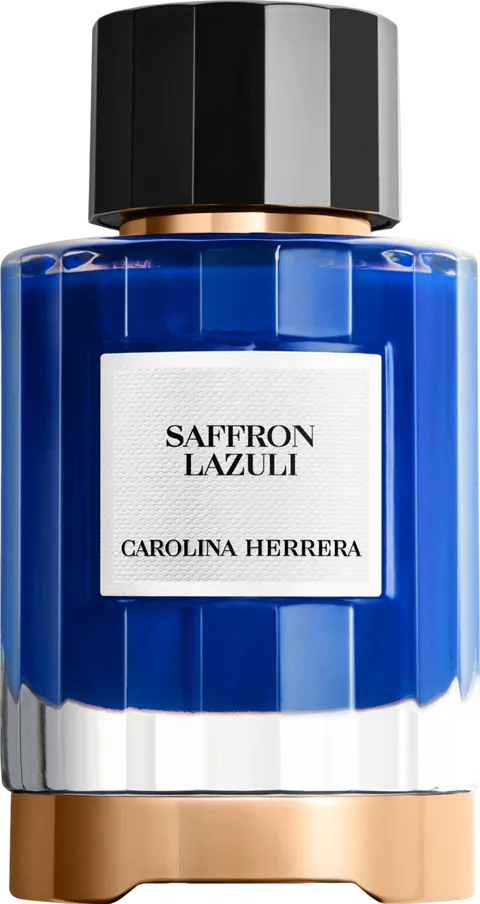 Saffron Lazuli
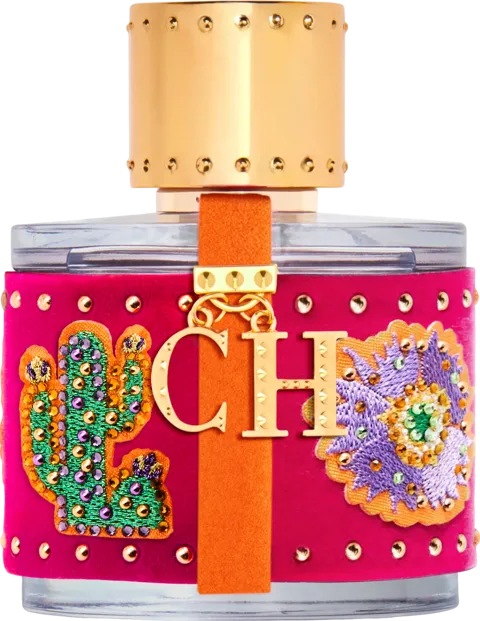 CH Hot! Hot! Hot!
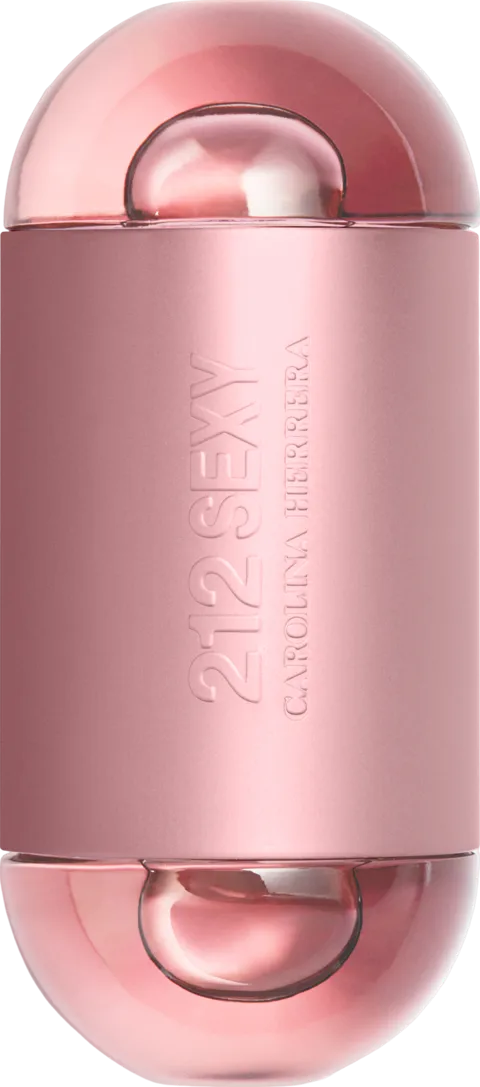 212 Sexy
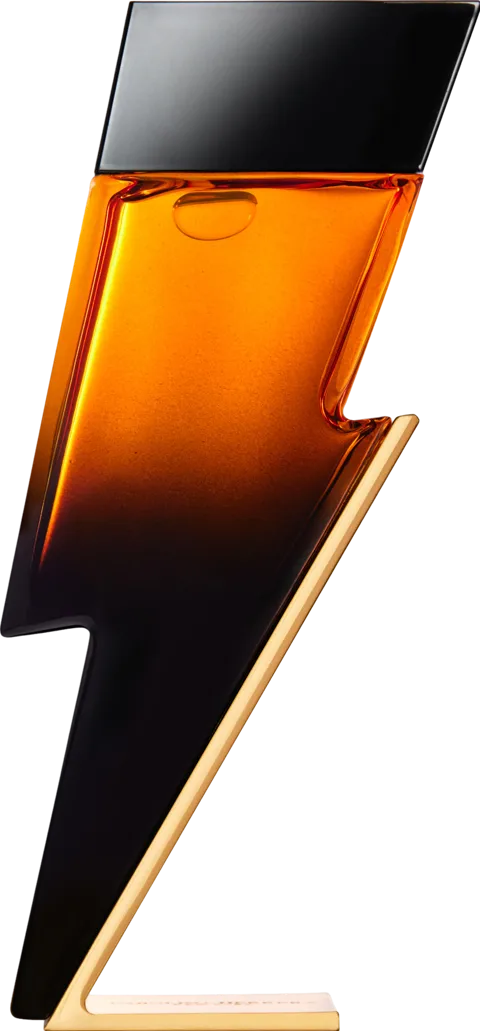 Bad Boy Elixir
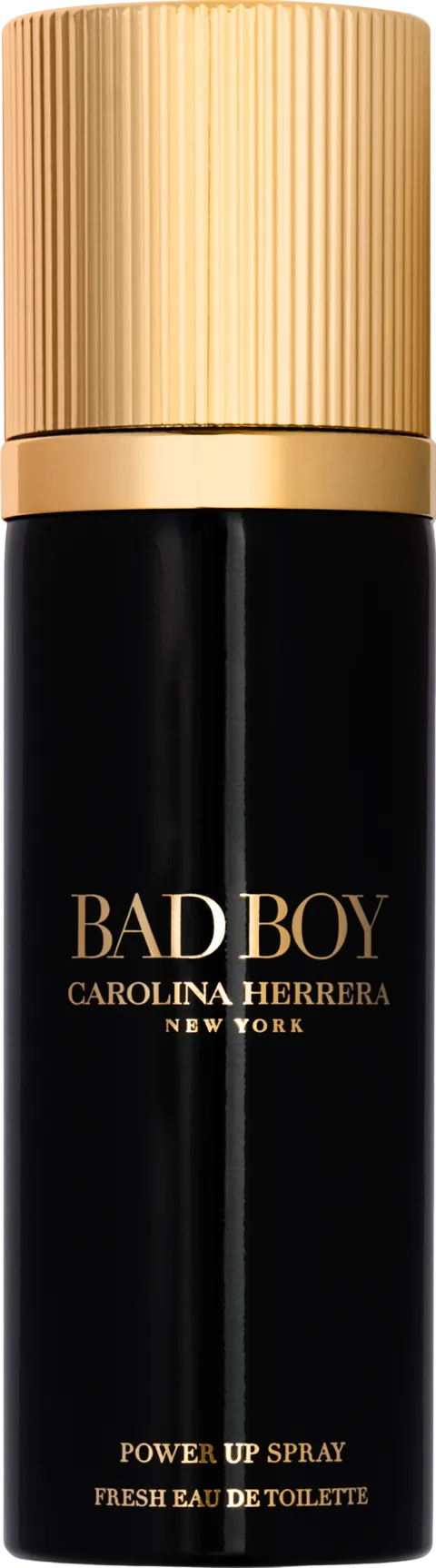 Bad Boy Power Up Spray Fresh
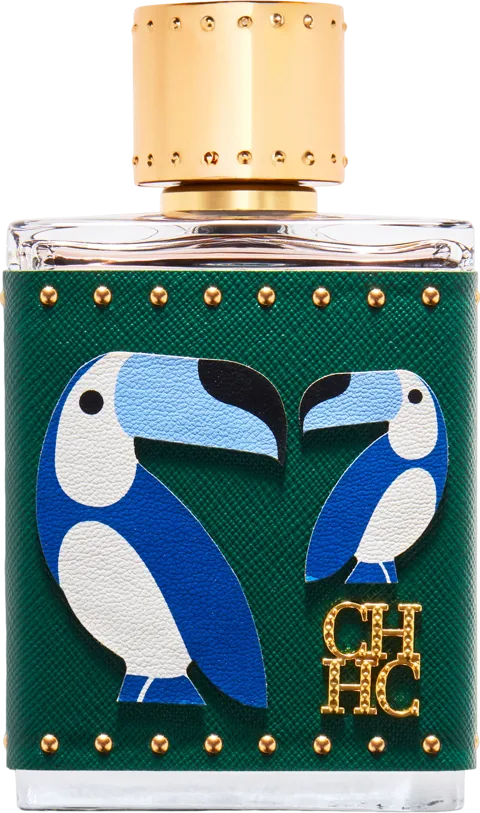 CH Men Birds of Paradise
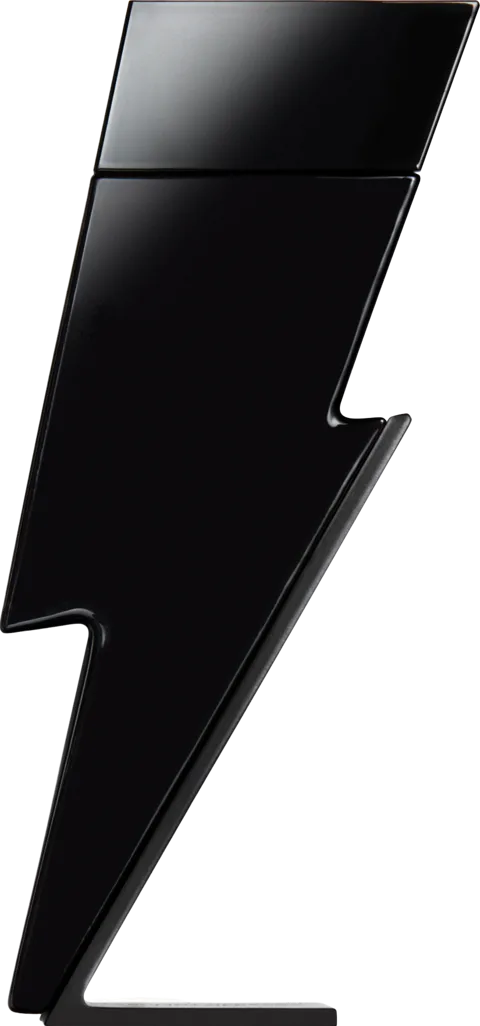 Bad Boy Le Parfum
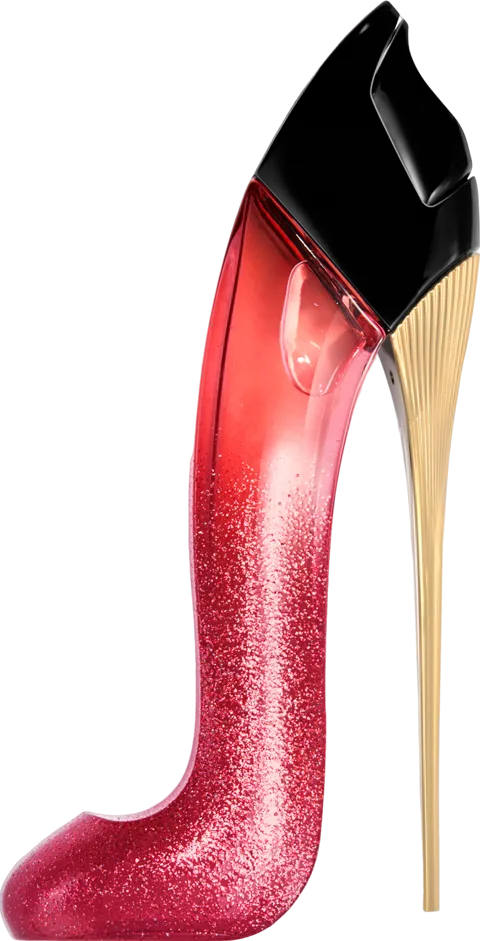 Very Good Girl Glam
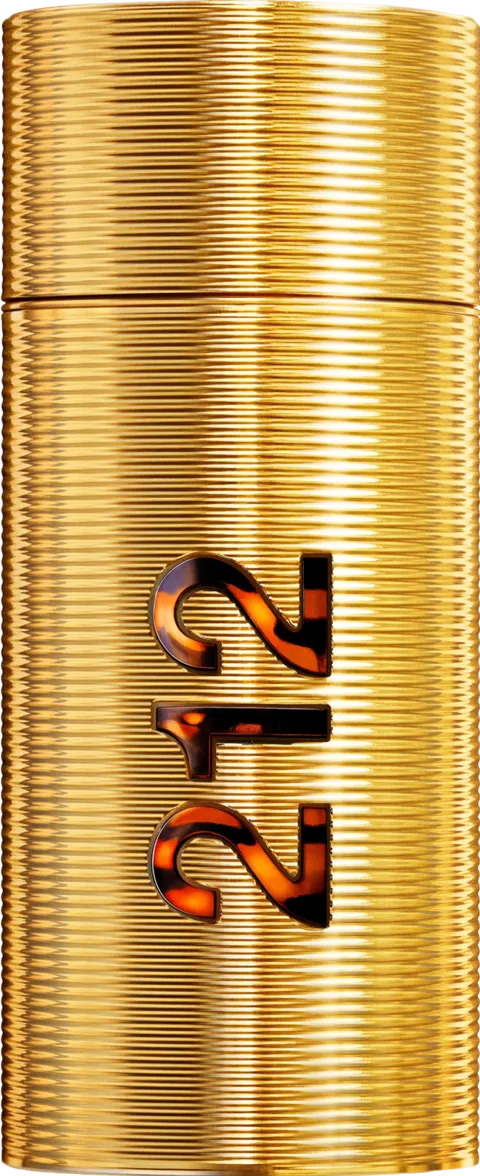 212 Men Parfum
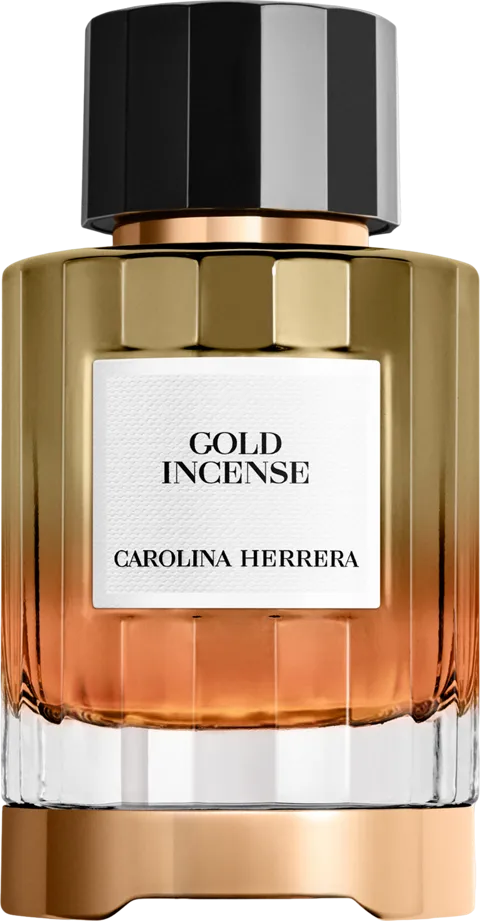 Gold Incense
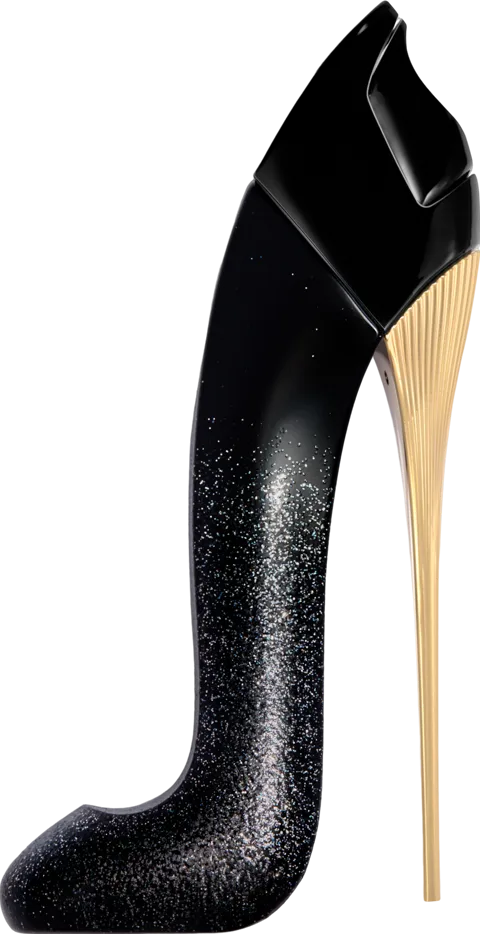 Good Girl Eau de Parfum Suprême
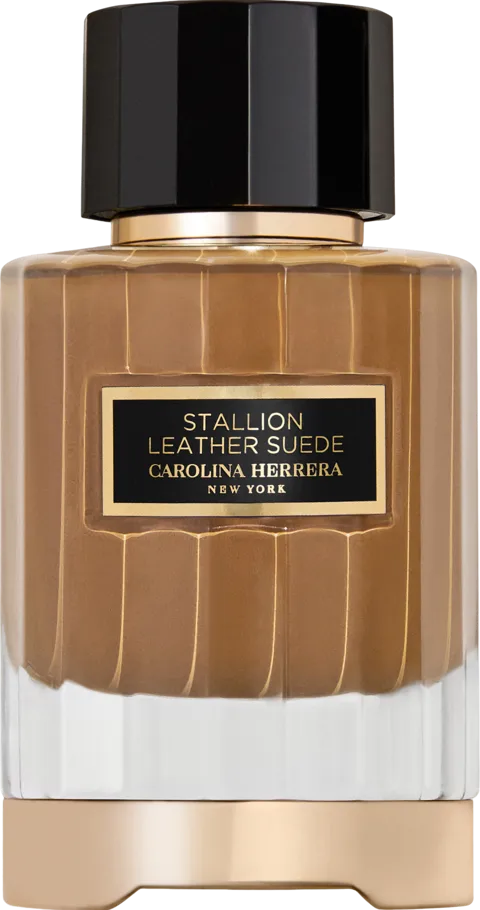 Stallion Leather Suede
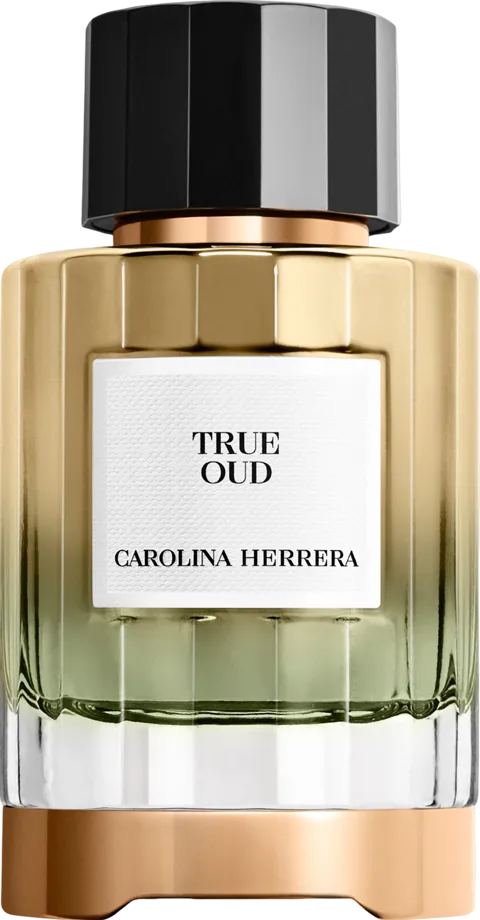 True Oud
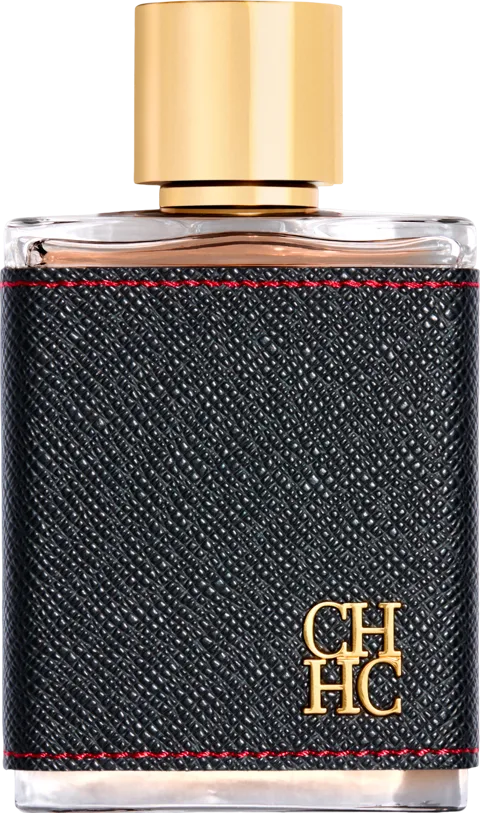 CH Men
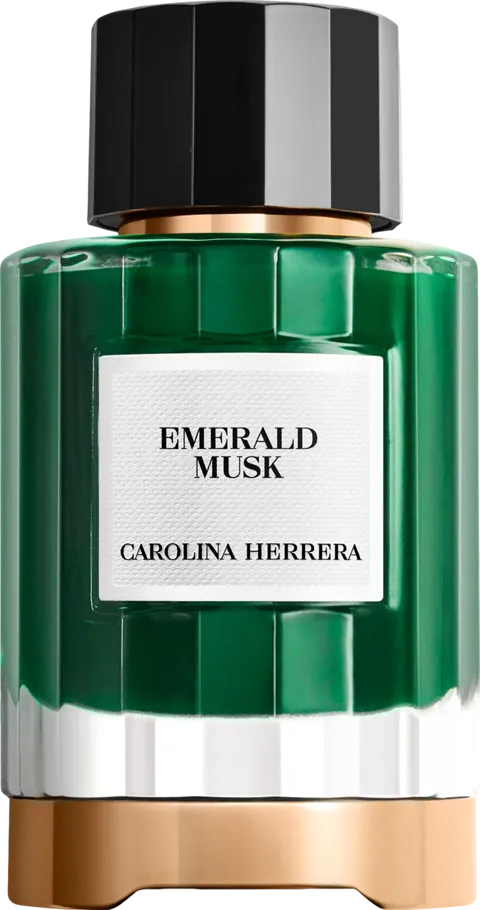 Emerald Musk
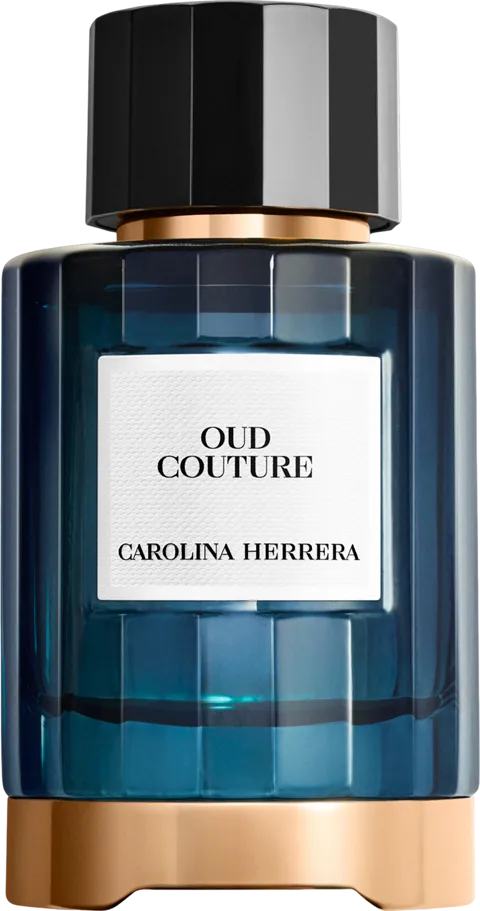 Oud Couture
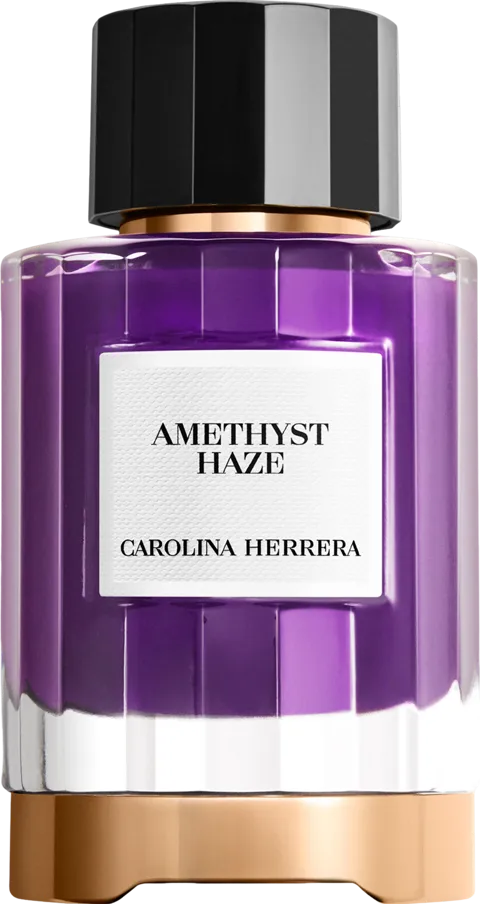 Amethyst Haze
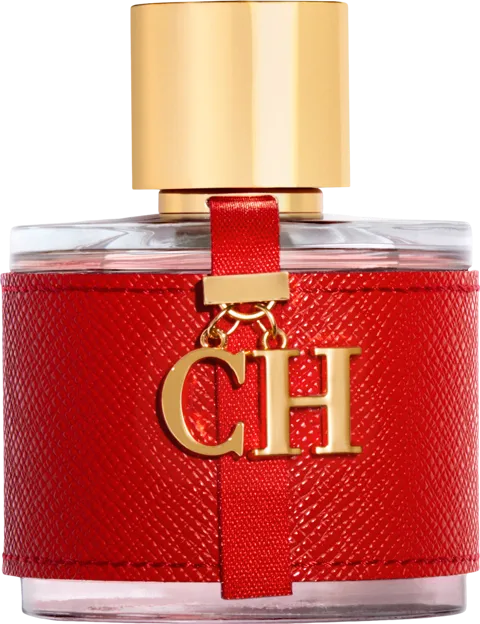 CH
CH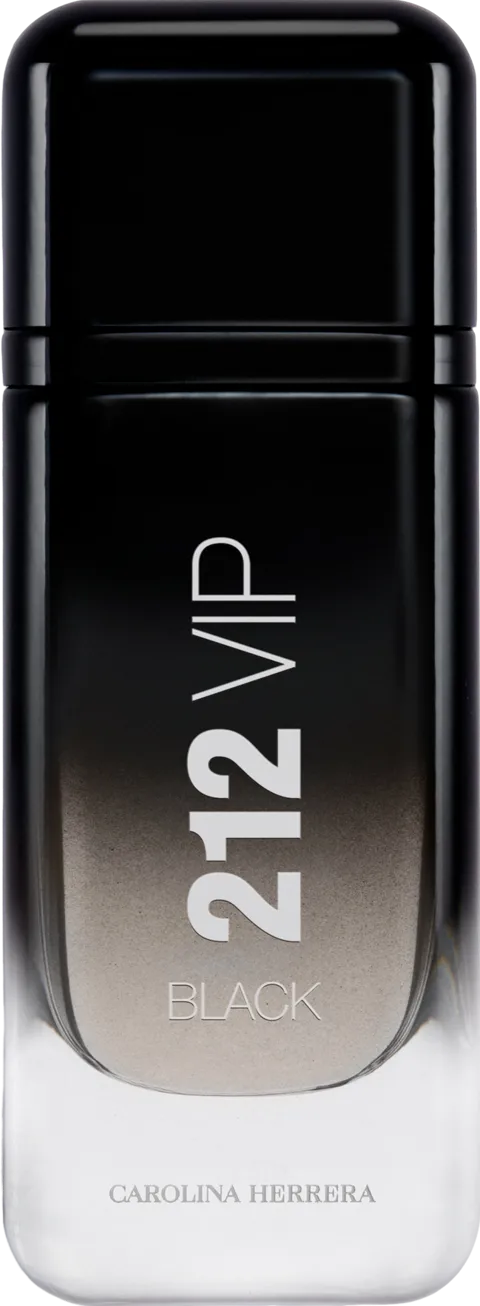 212 VIP Black
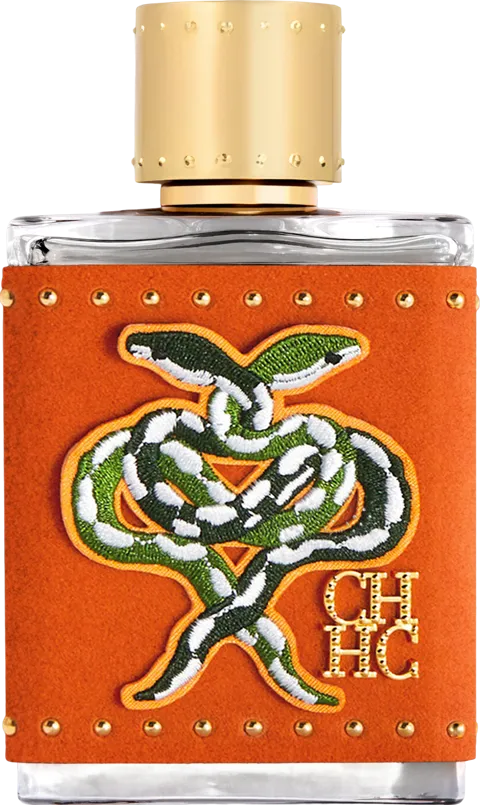 CH Men Hot! Hot! Hot!
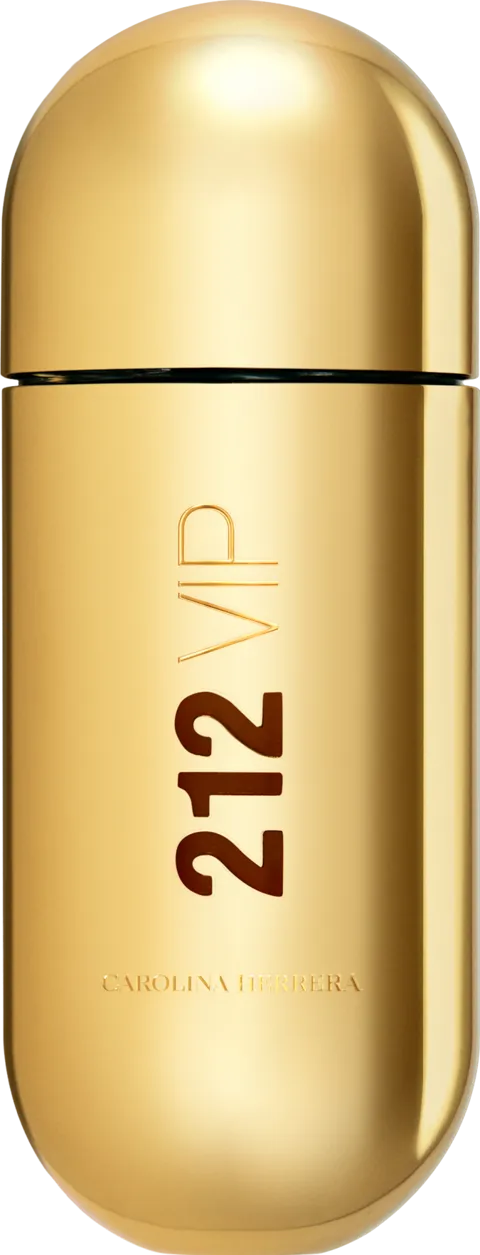 212 VIP
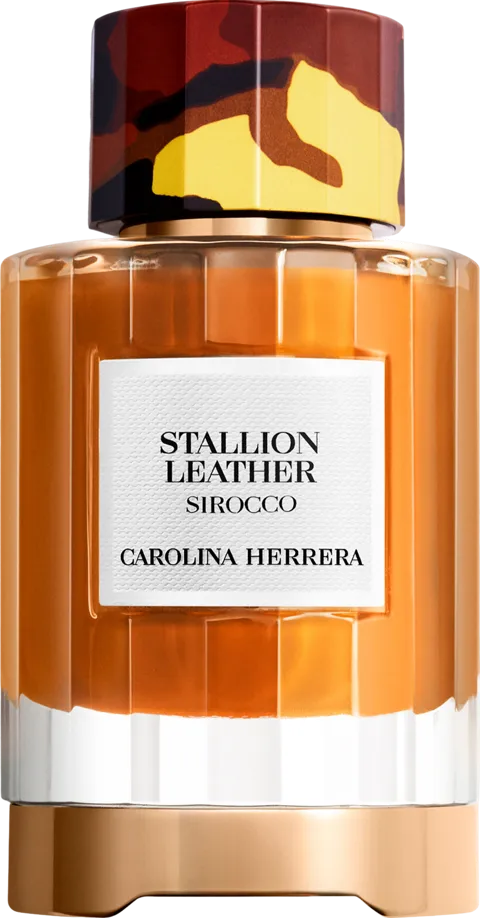 Stallion Leather Sirocco
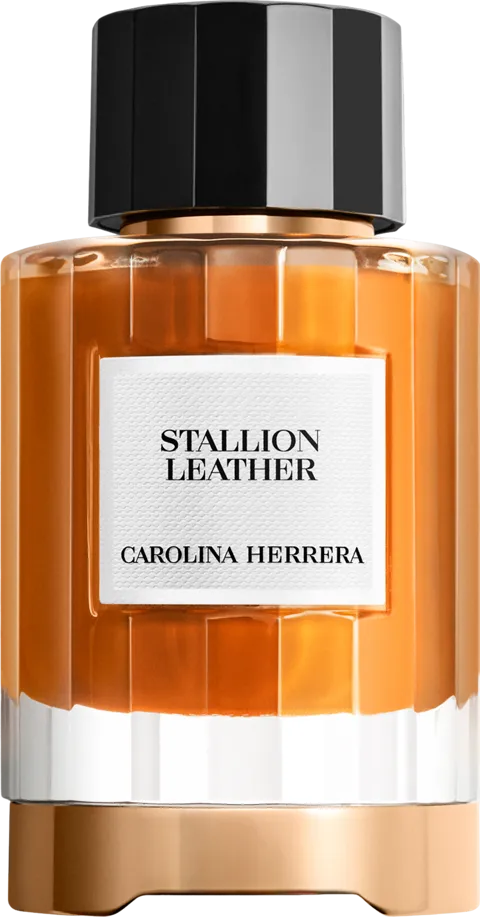 Stallion Leather
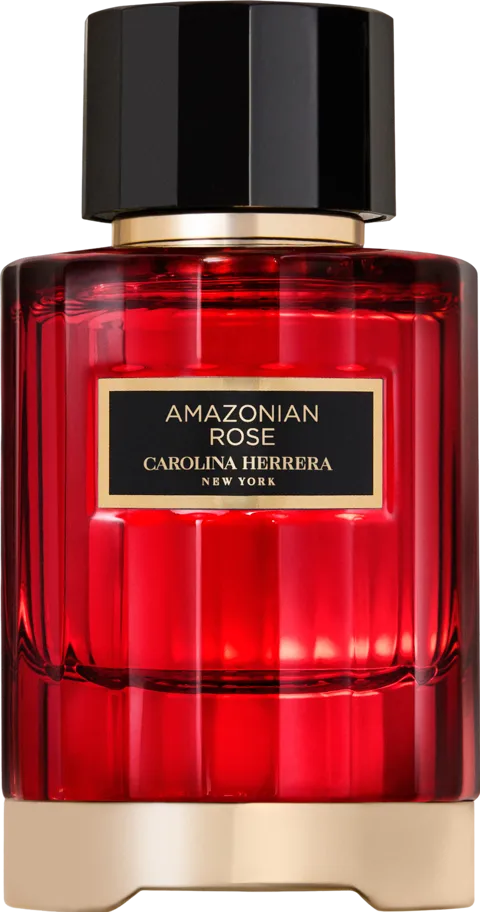 Amazonian Rose
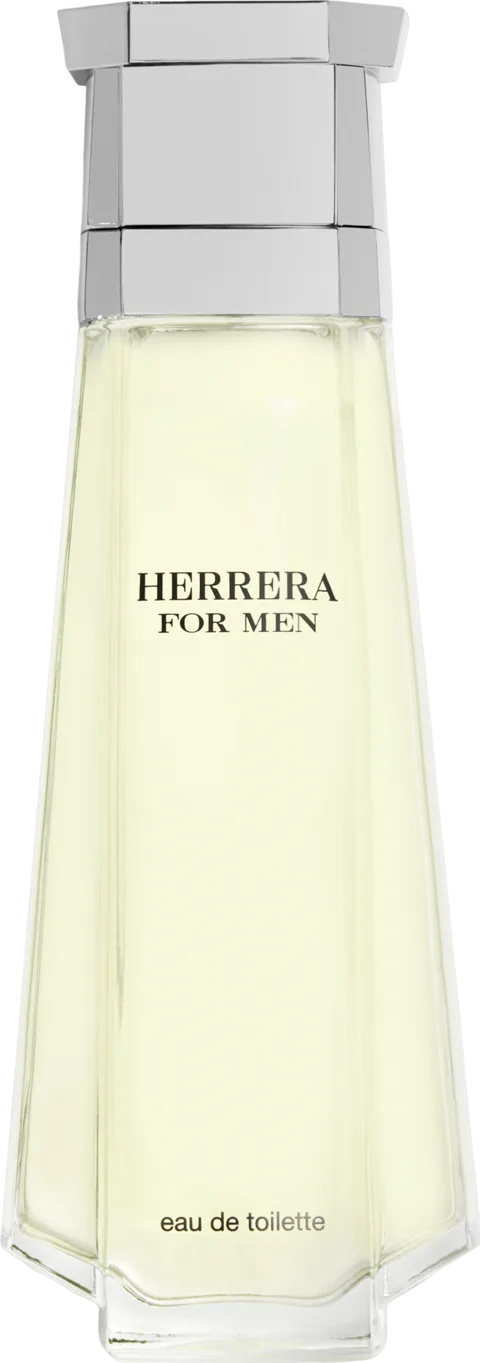 Herrera for Men
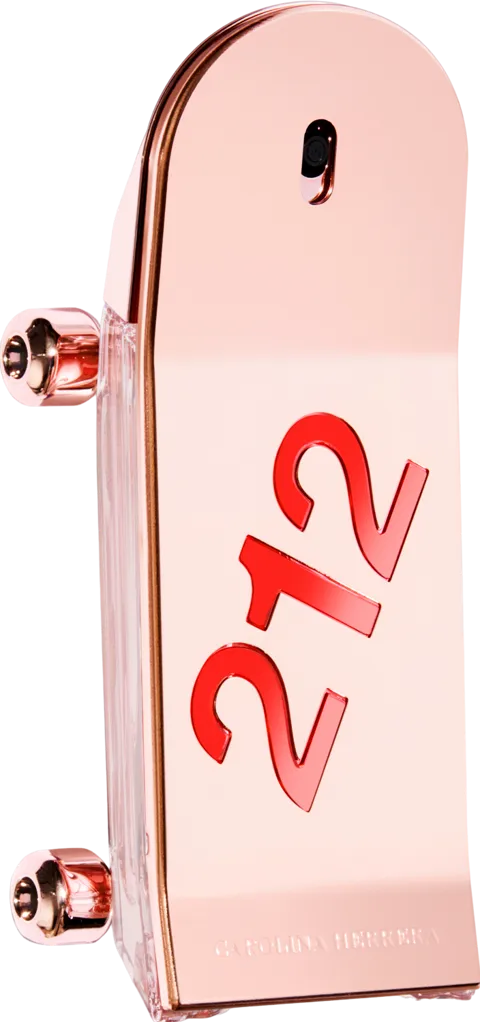 212 Heroes For Her
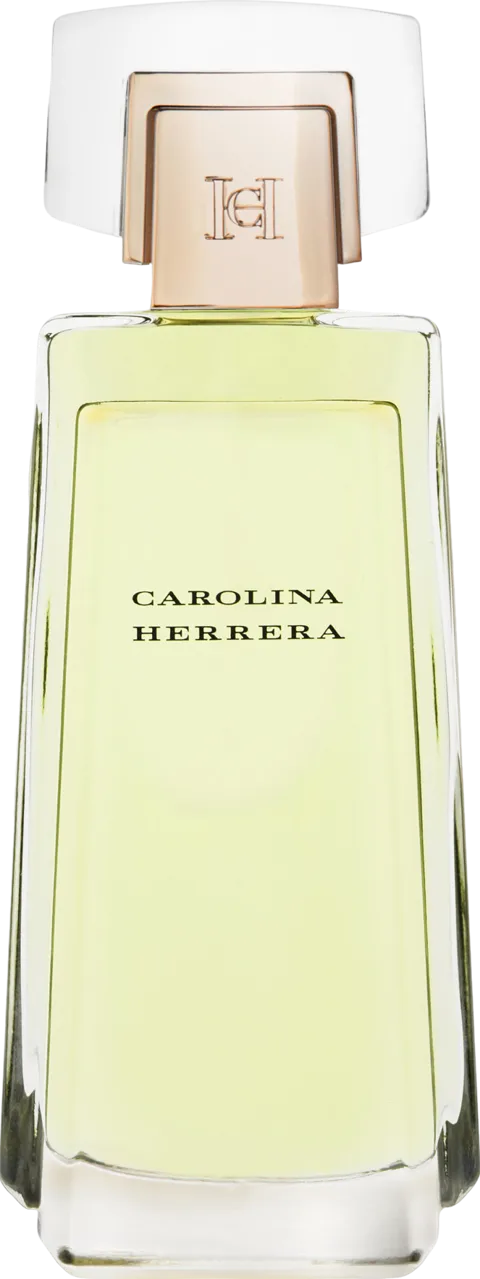 Carolina Herrera Eau de Toilette
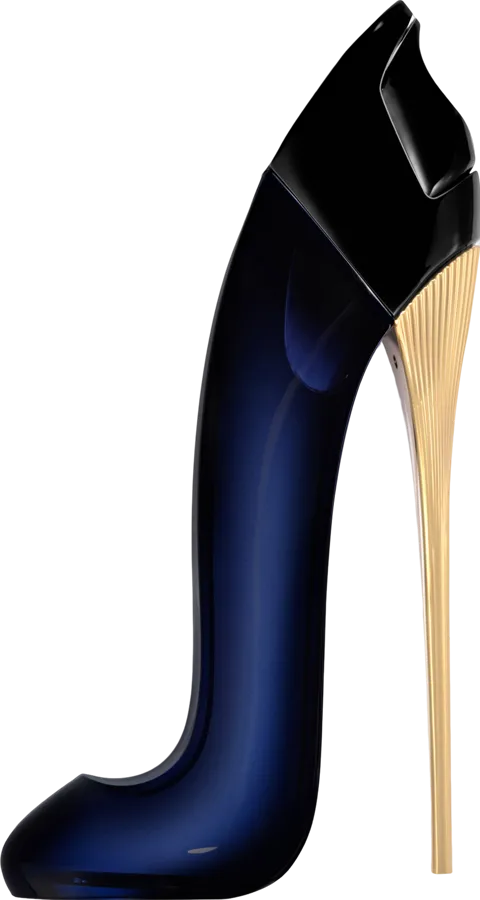 Good Girl
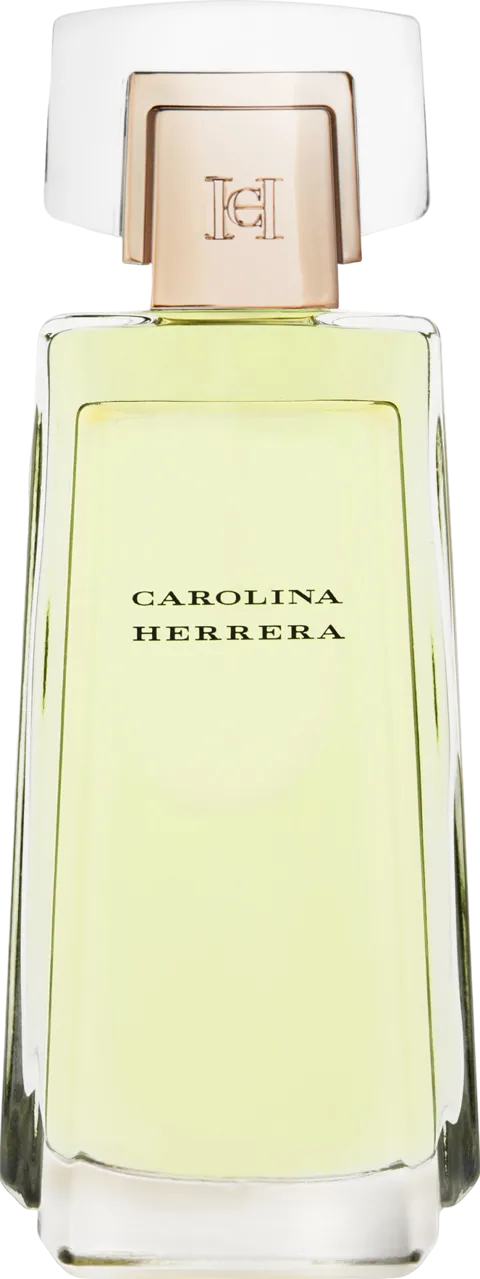 Carolina Herrera Eau de Parfum
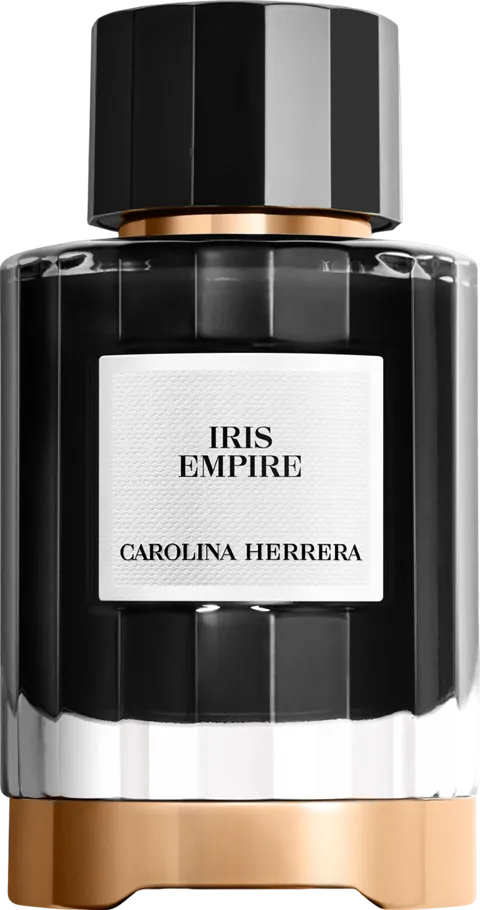 Iris Empire
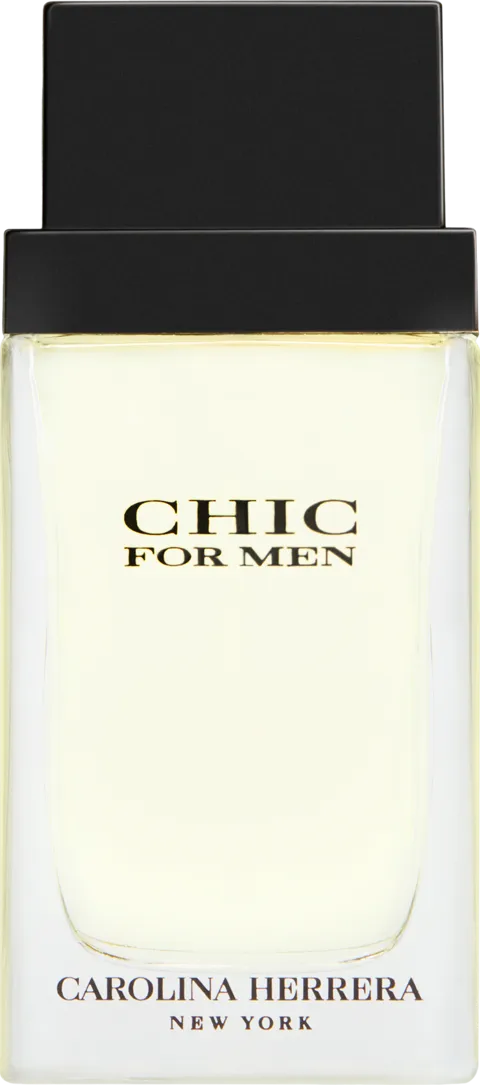 Chic for Men
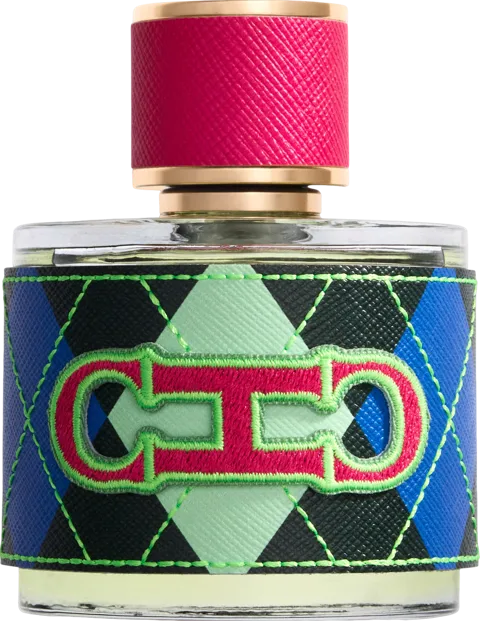 CH Swing Limited Edition
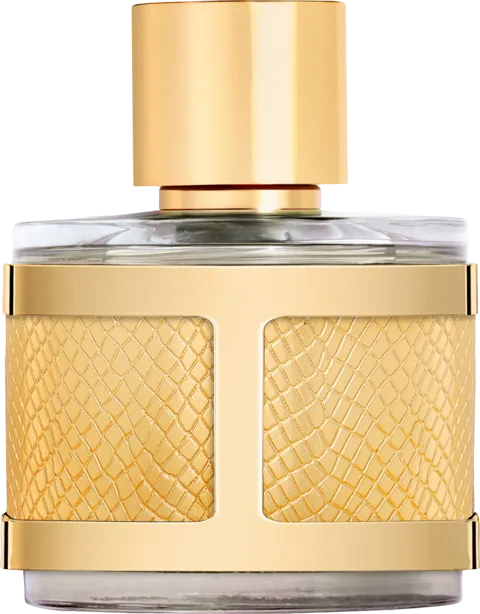 CH Insignia
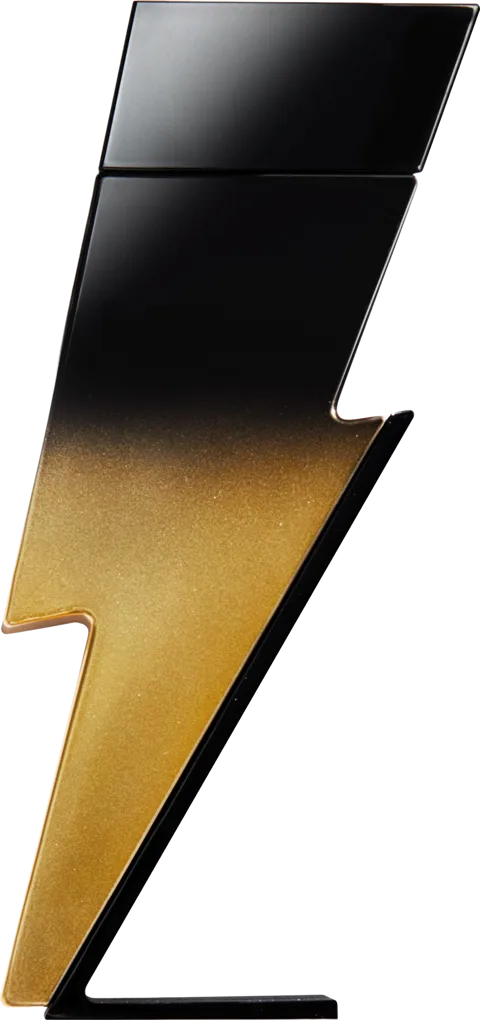 Bad Boy Eau de Parfum Extreme
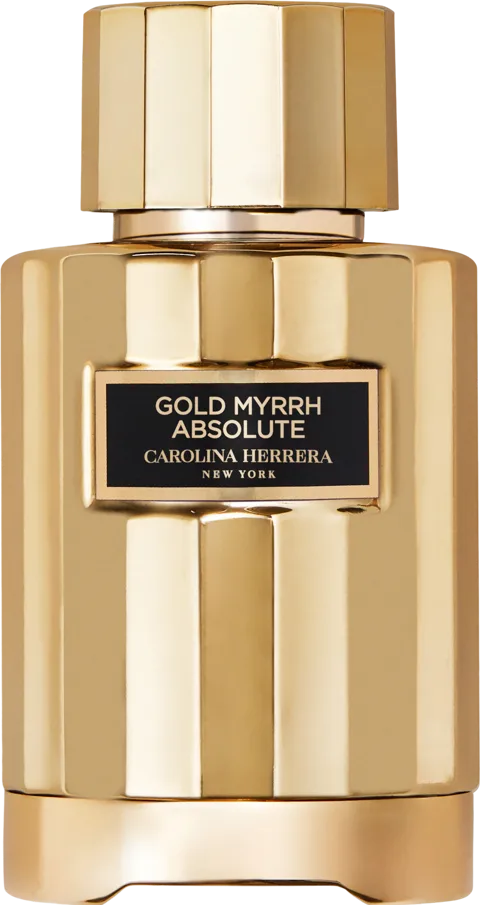 Gold Myrrh Absolute
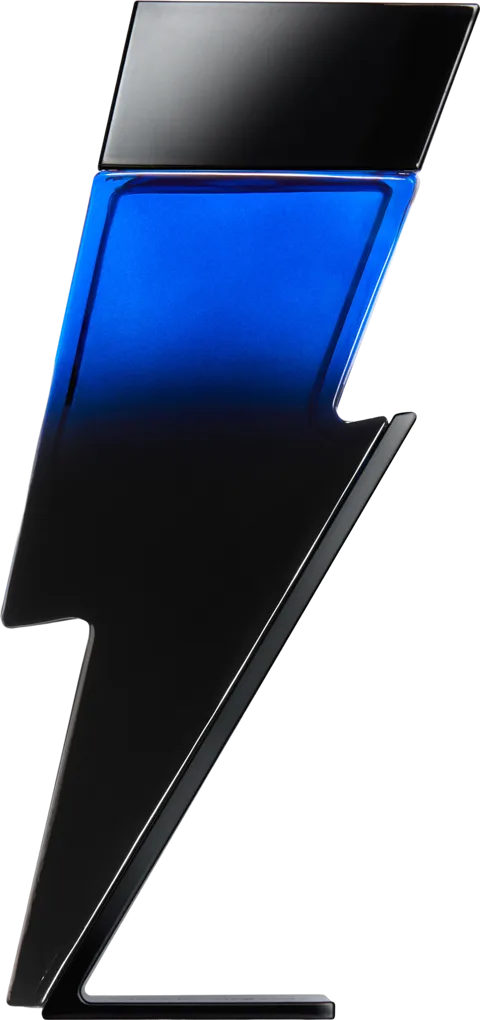 Bad Boy Cobalt Elixir
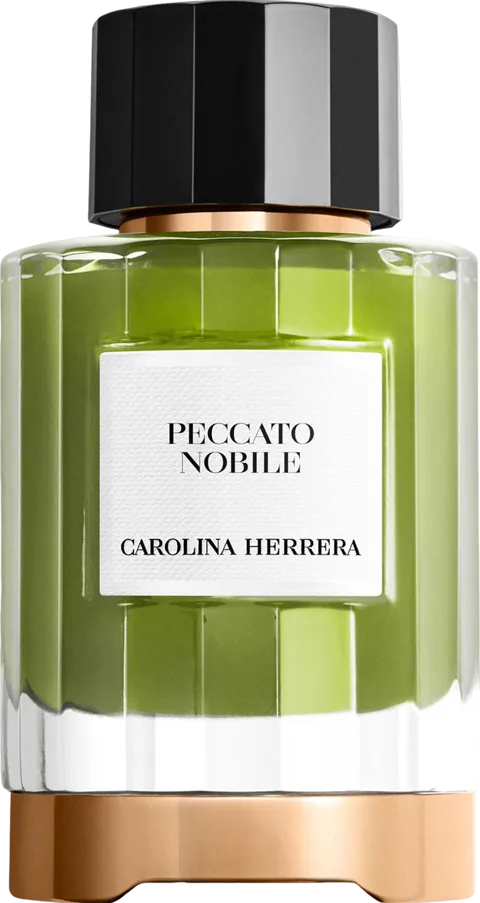 Peccato Nobile
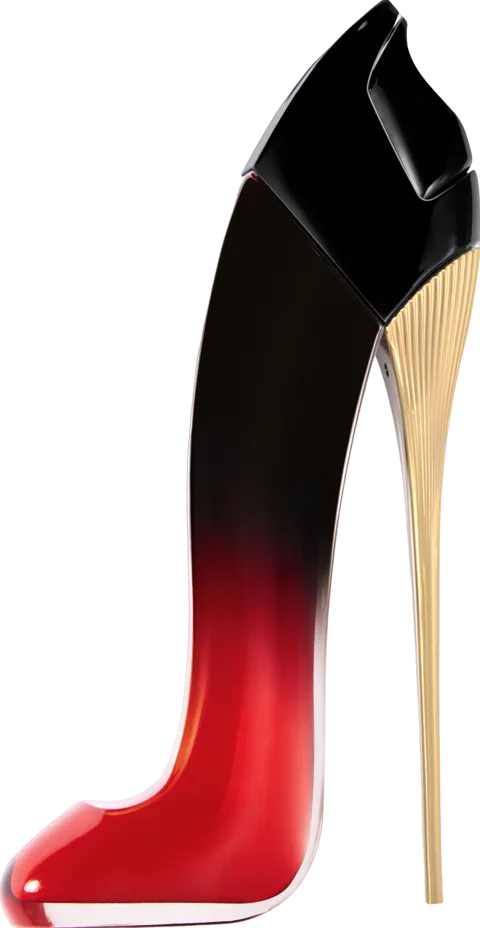 Very Good Girl Elixir
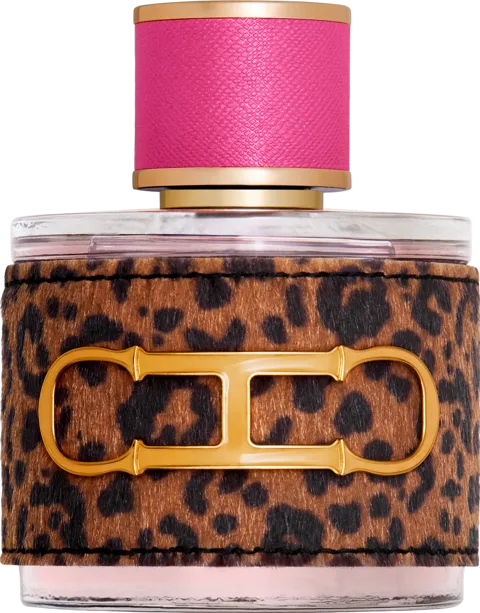 CH Wild Love Limited Edition
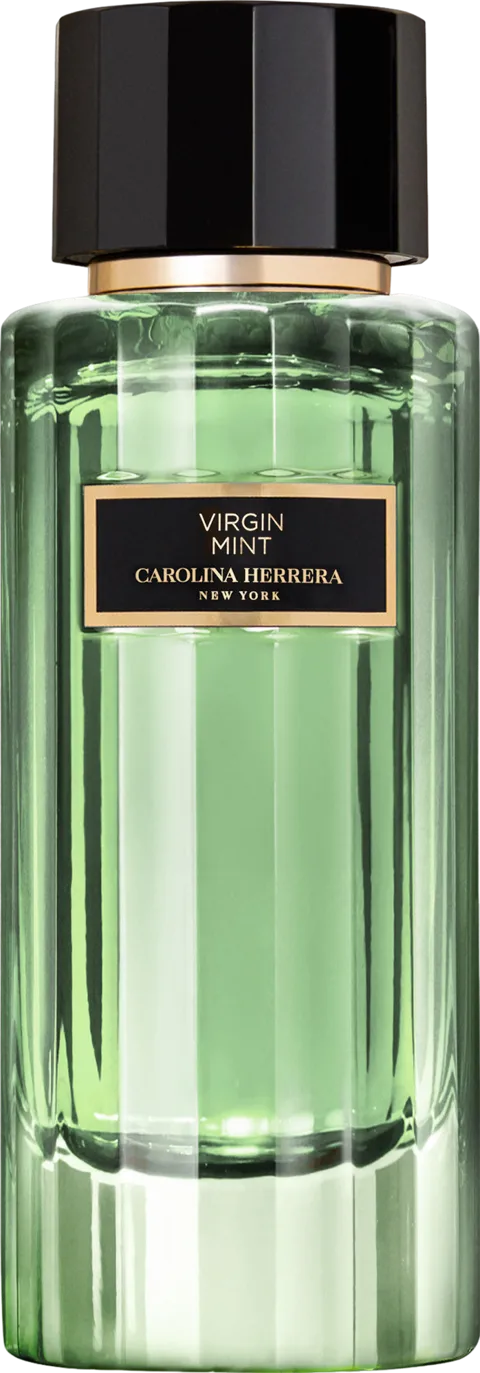 Virgin Mint
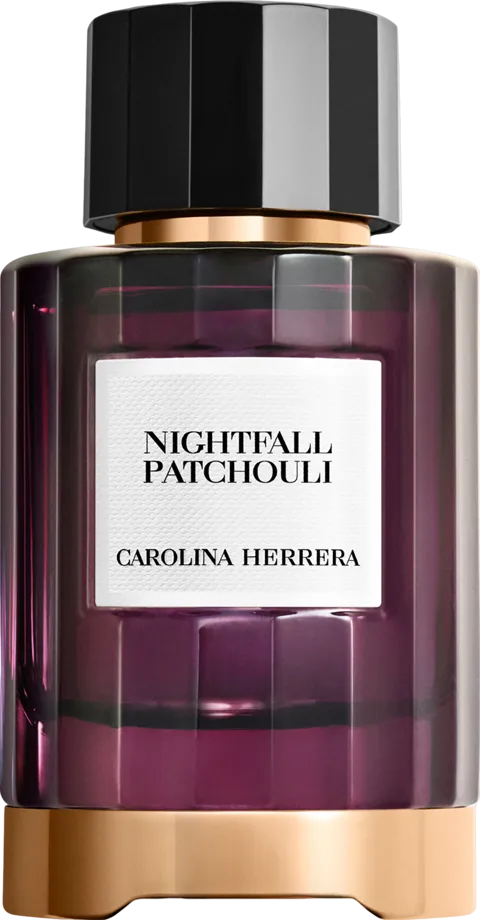 Nightfall Patchouli
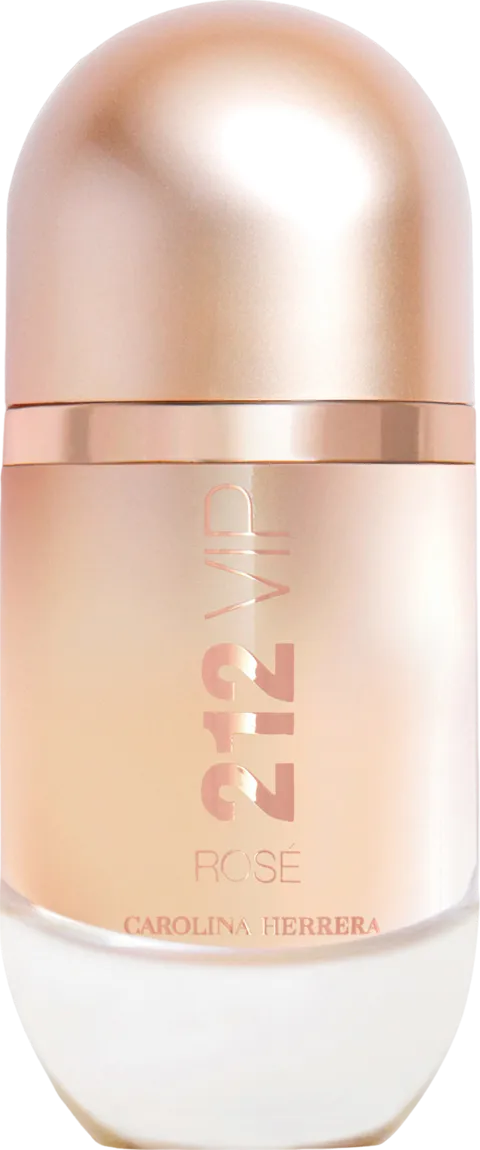 212 VIP Rosé
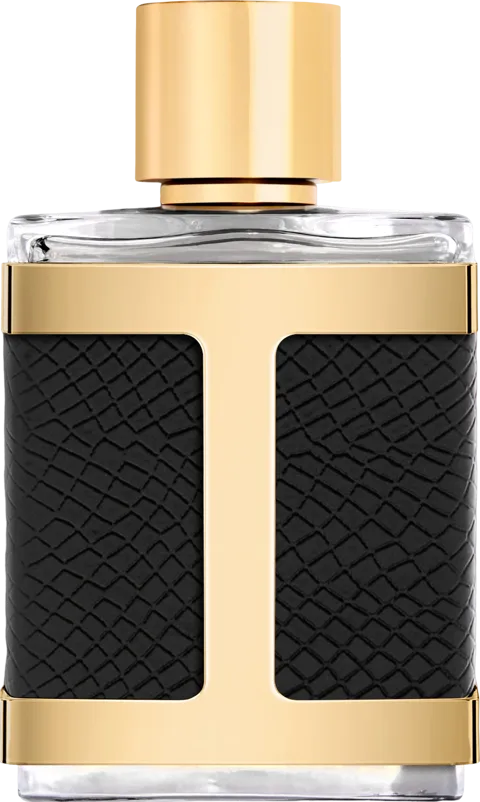 CH Men Insignia
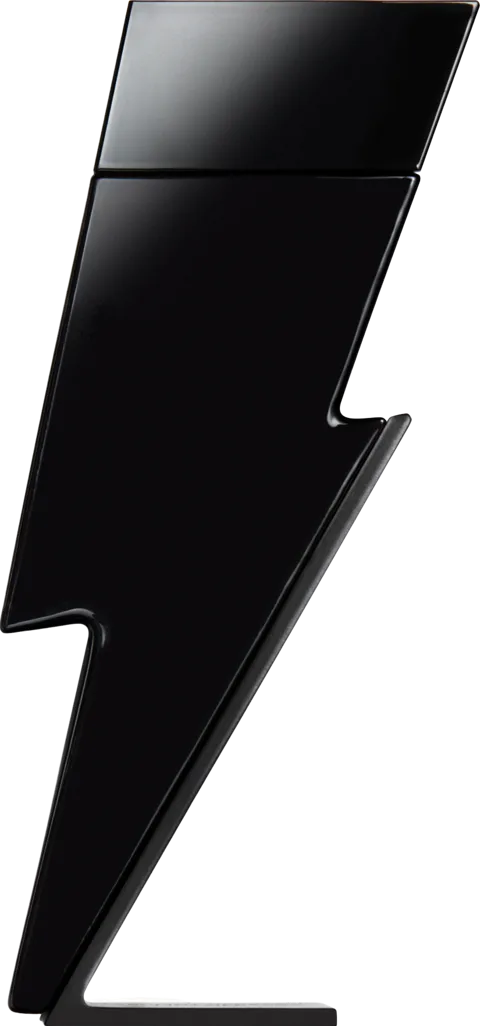 Bad Boy
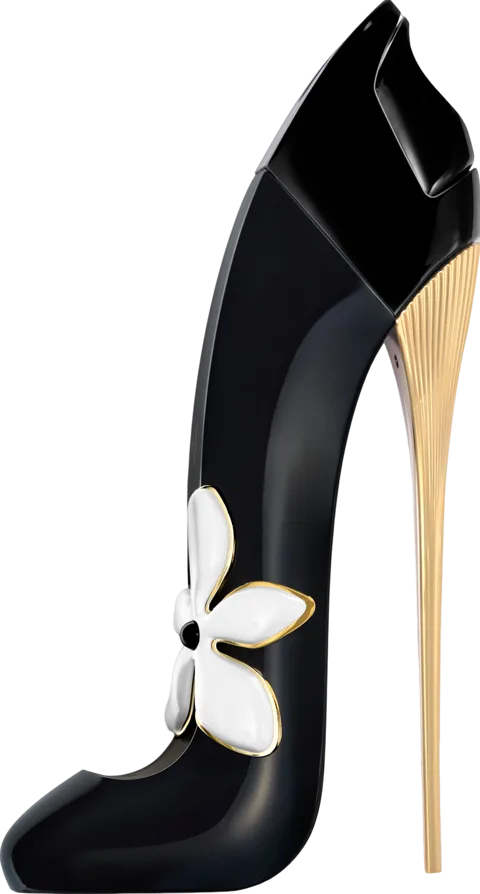 Good Girl Jasmine Absolute
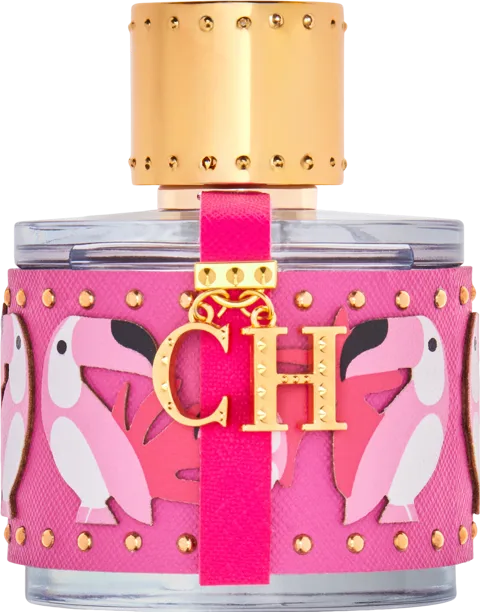 CH Birds of Paradise For Her
 Bad Boy Cobalt Absolute
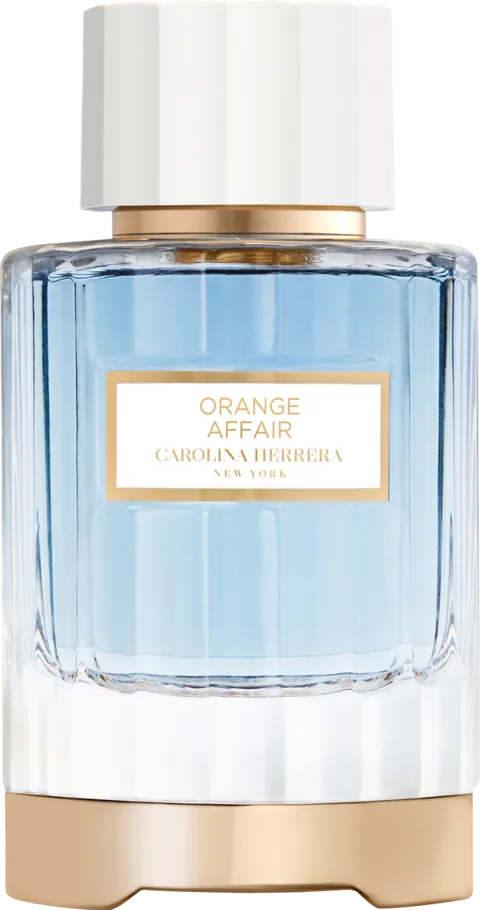 Orange Affair
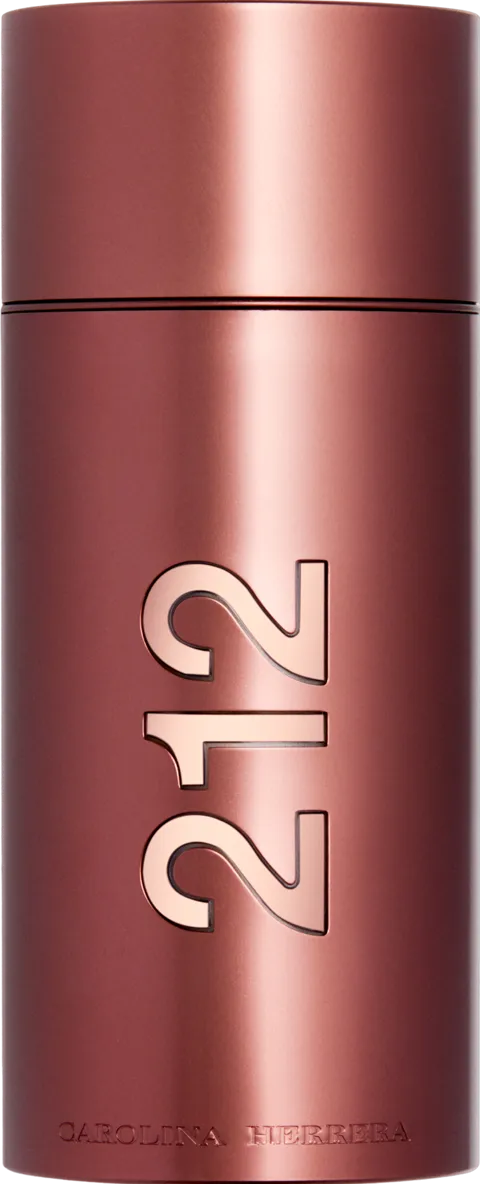 212 Sexy Men
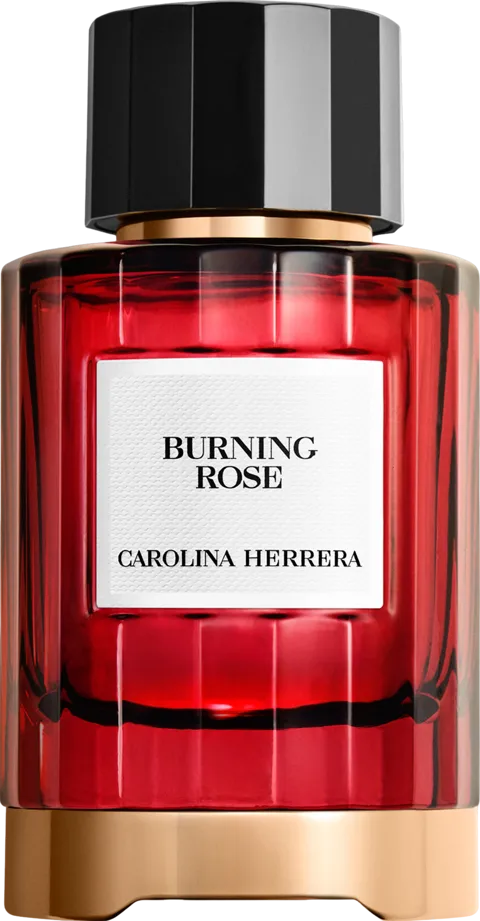 Burning Rose
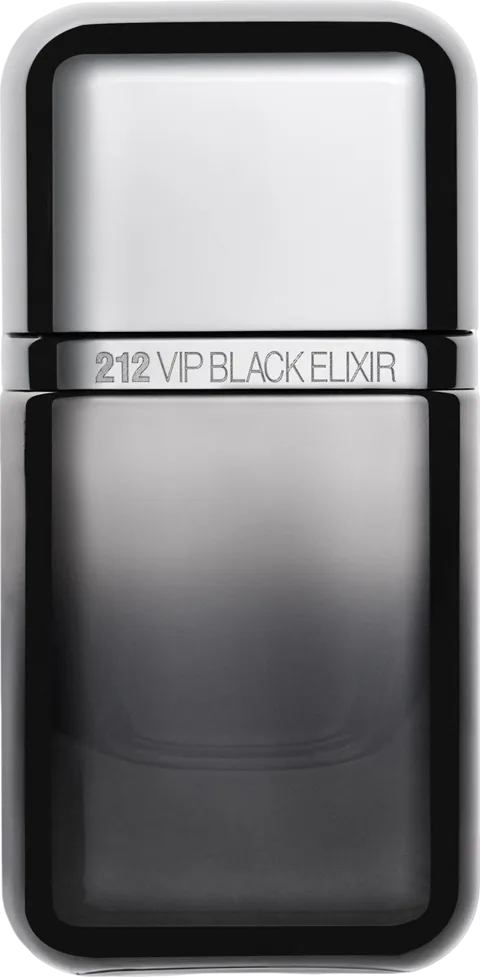 212 VIP Black Elixir
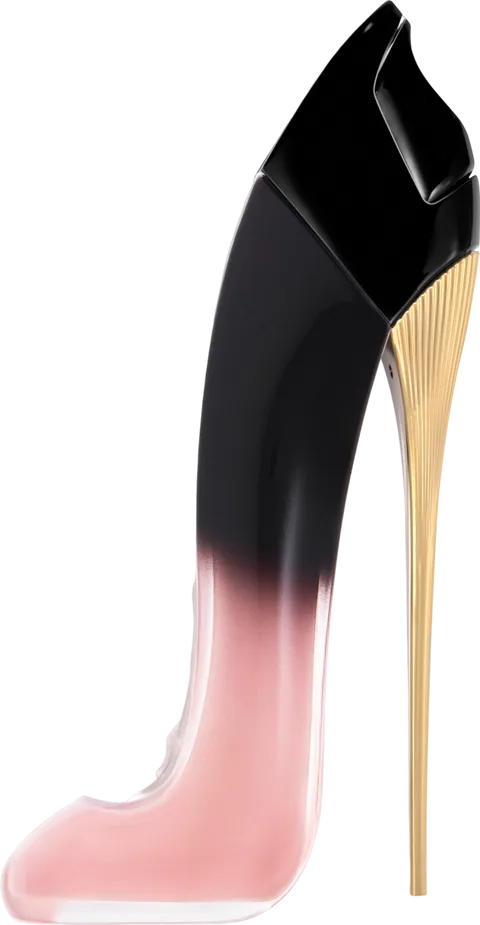 Good Girl Blush Elixir
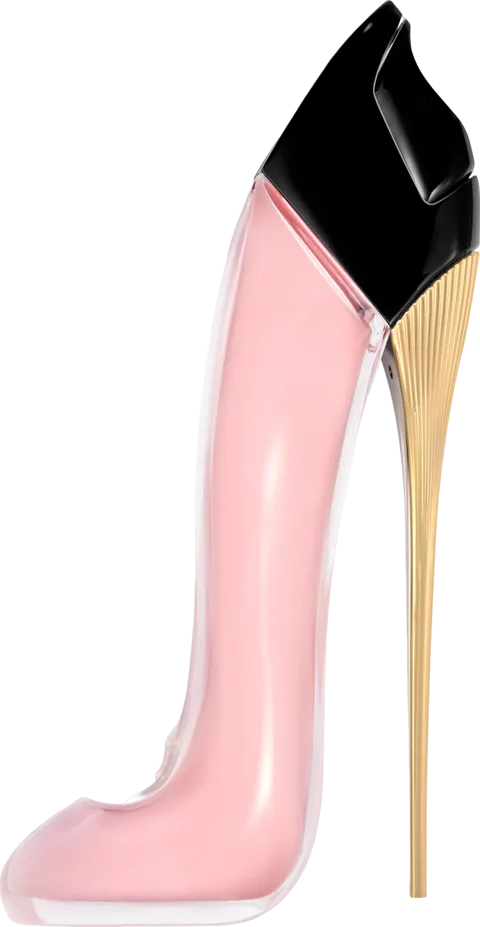 Good Girl Blush
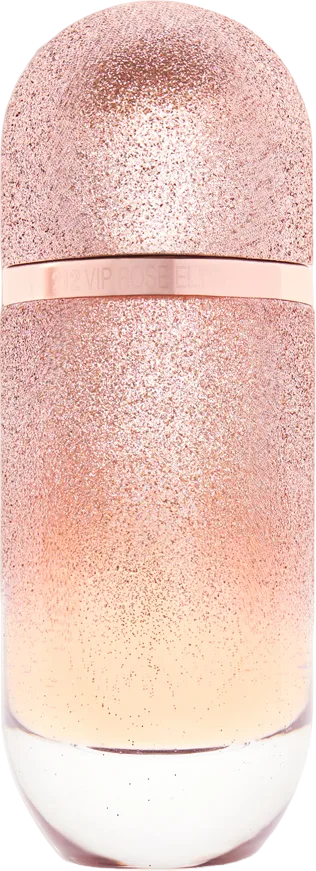 212 VIP Rosé Elixir
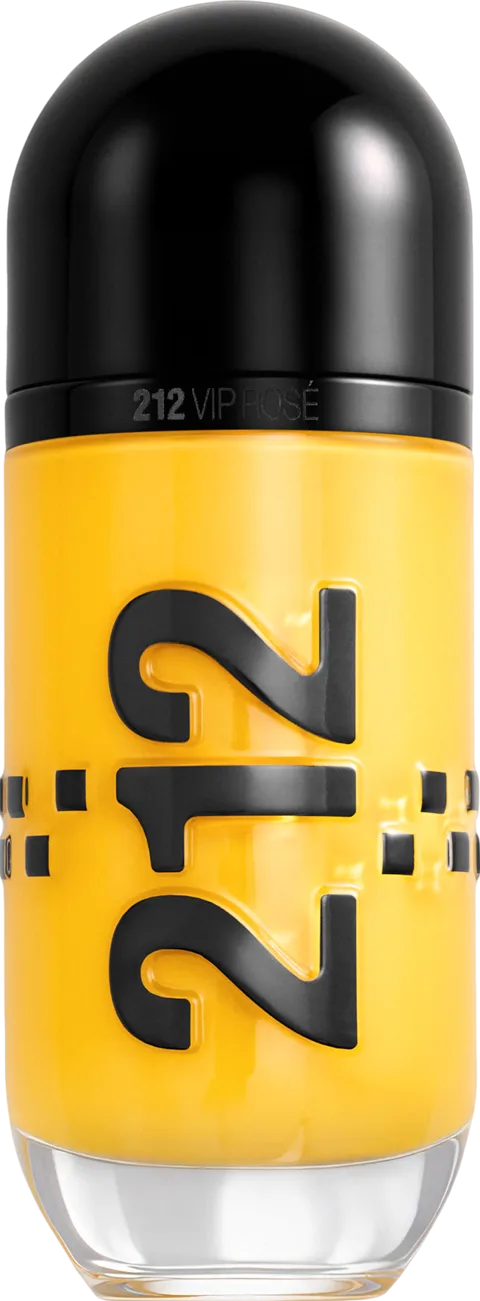 212 VIP Rosé Cab Limited Edition
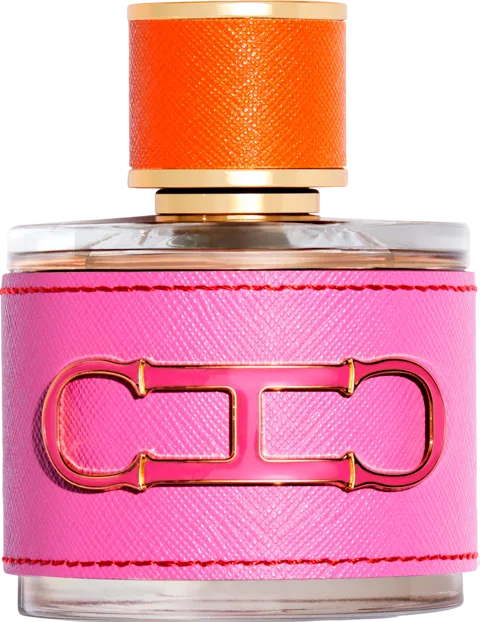 CH Pasión
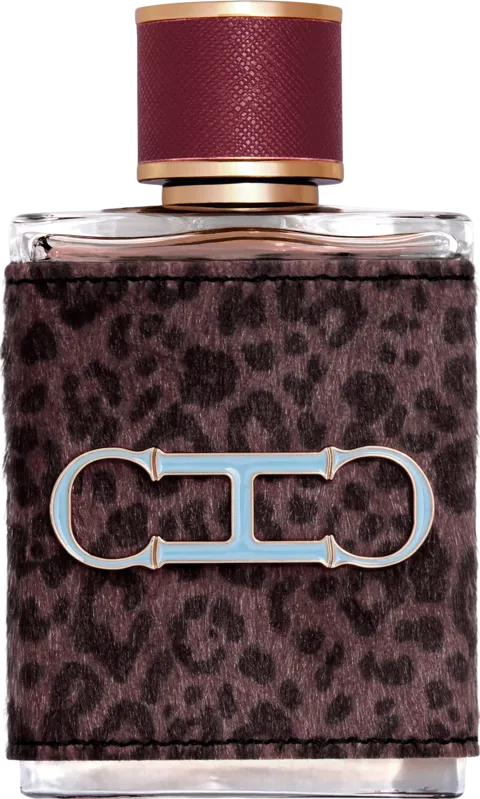 CH Men Wild Love Limited Edition Eau de Parfum
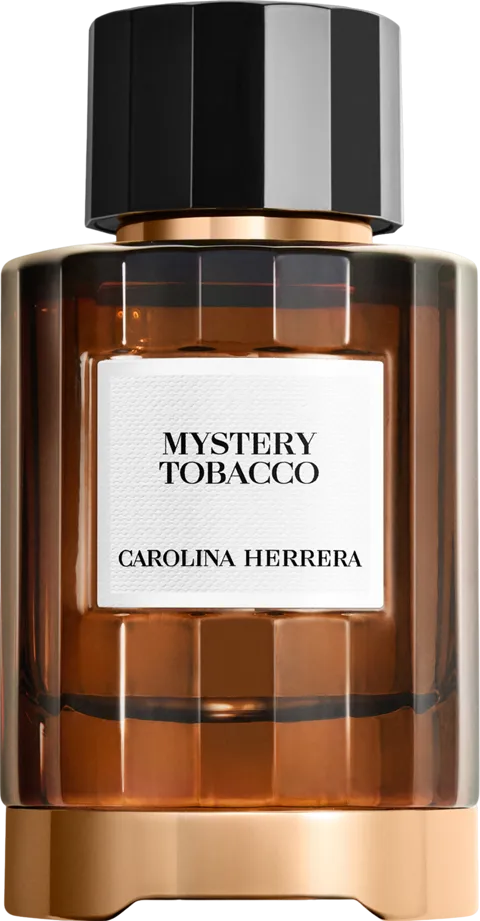 Mystery Tobacco
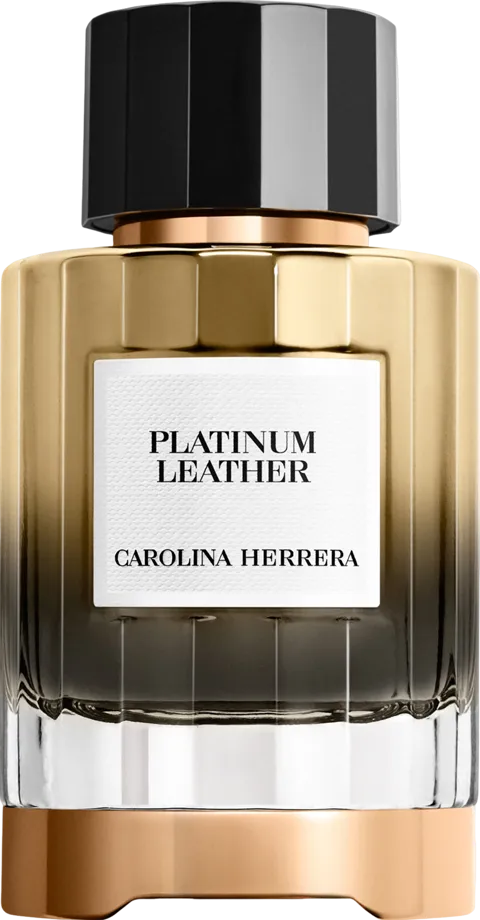 Platinum Leather
 Good Girl Légère
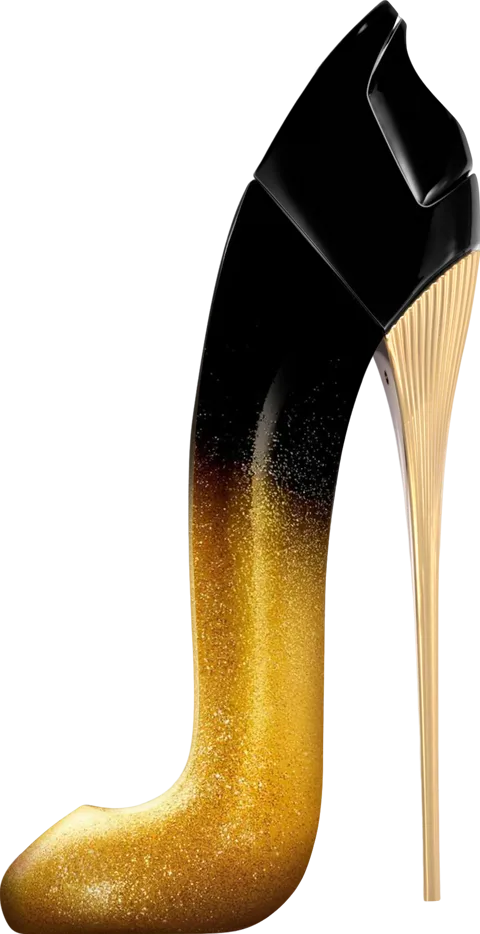 Good Girl Midnight
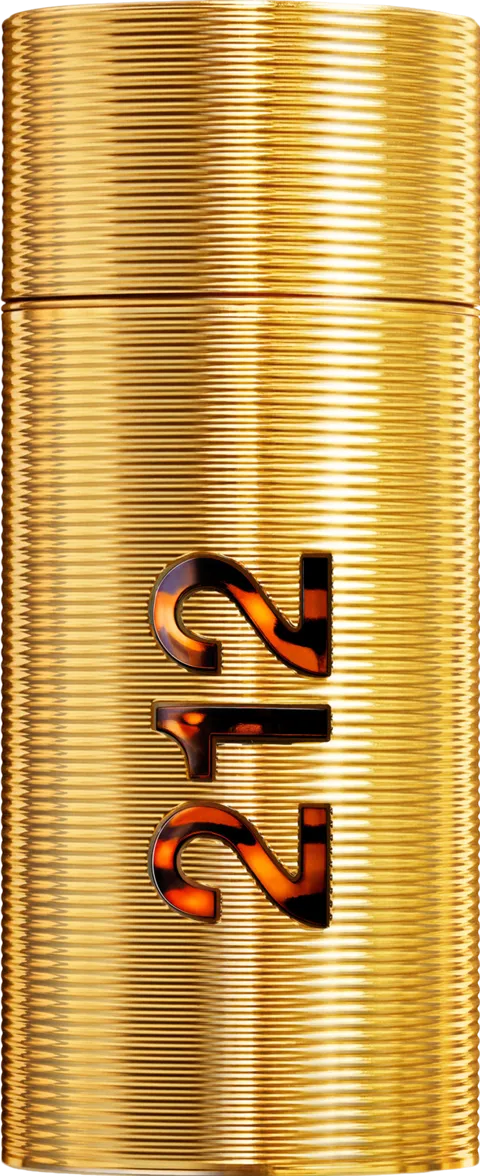 212 Men NYC
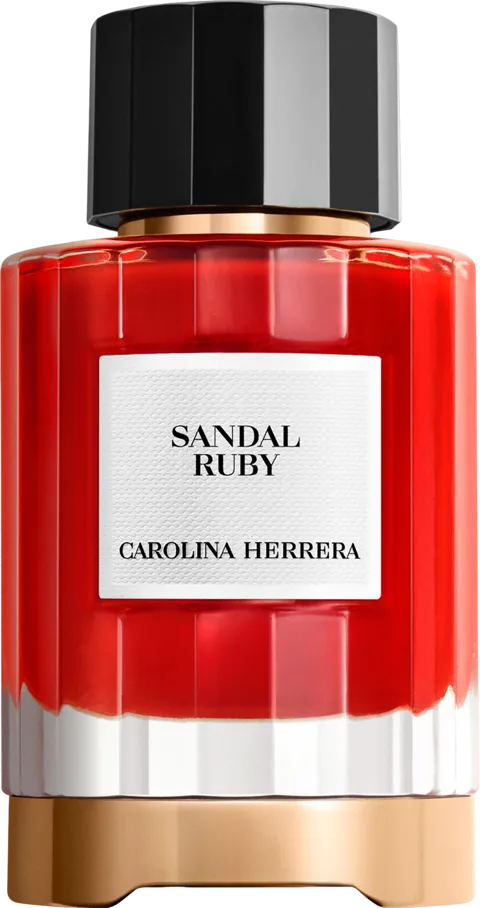 Sandal Ruby
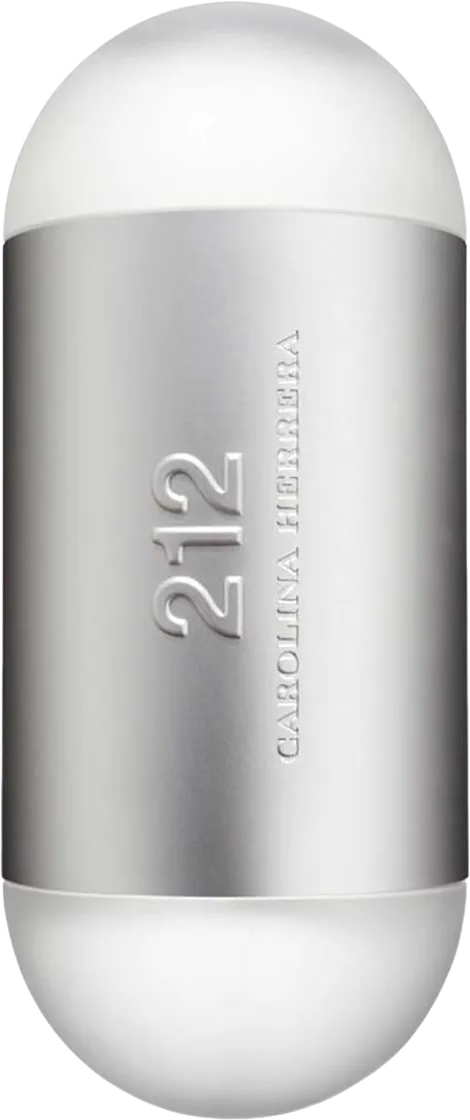 212
212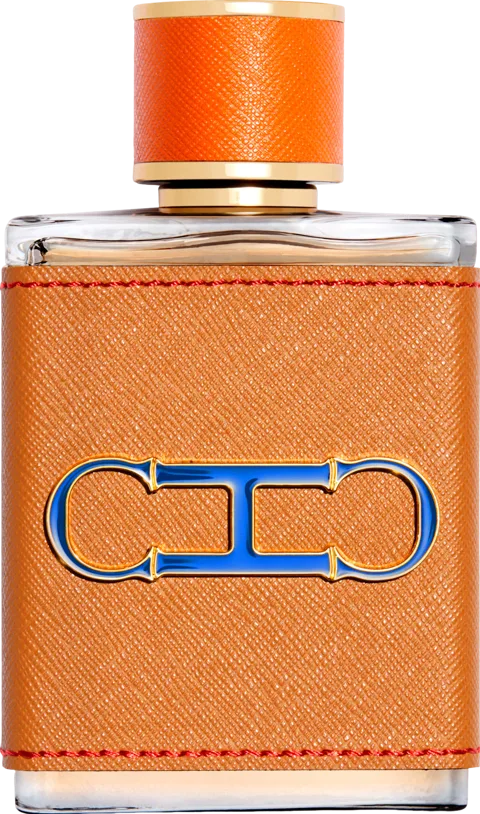 CH Men Pasión
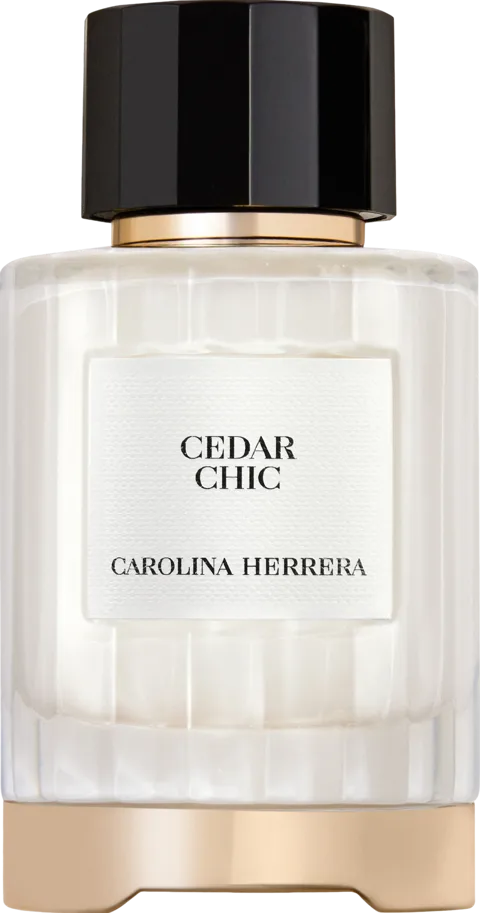 Cedar Chic
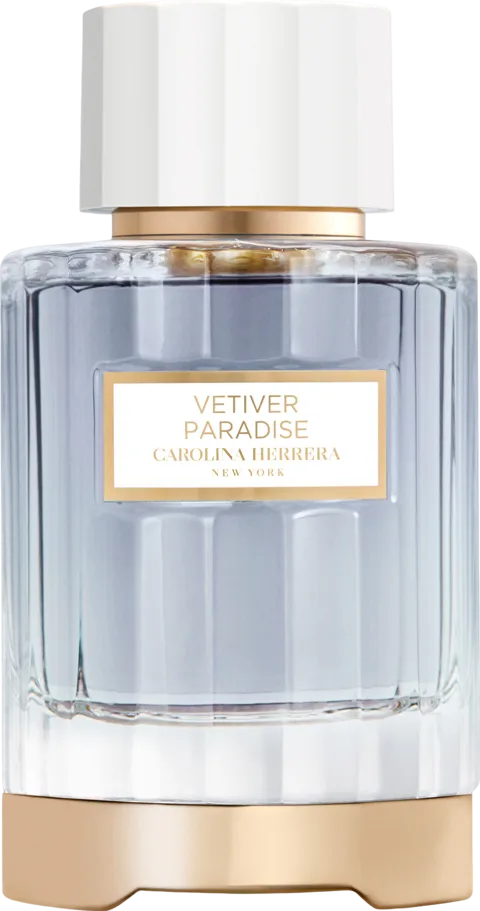 Vetiver Paradise
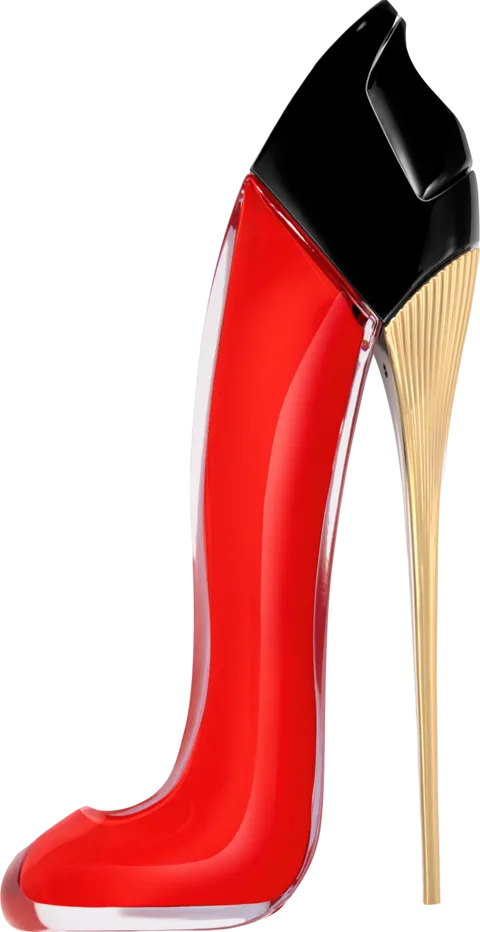 Very Good Girl
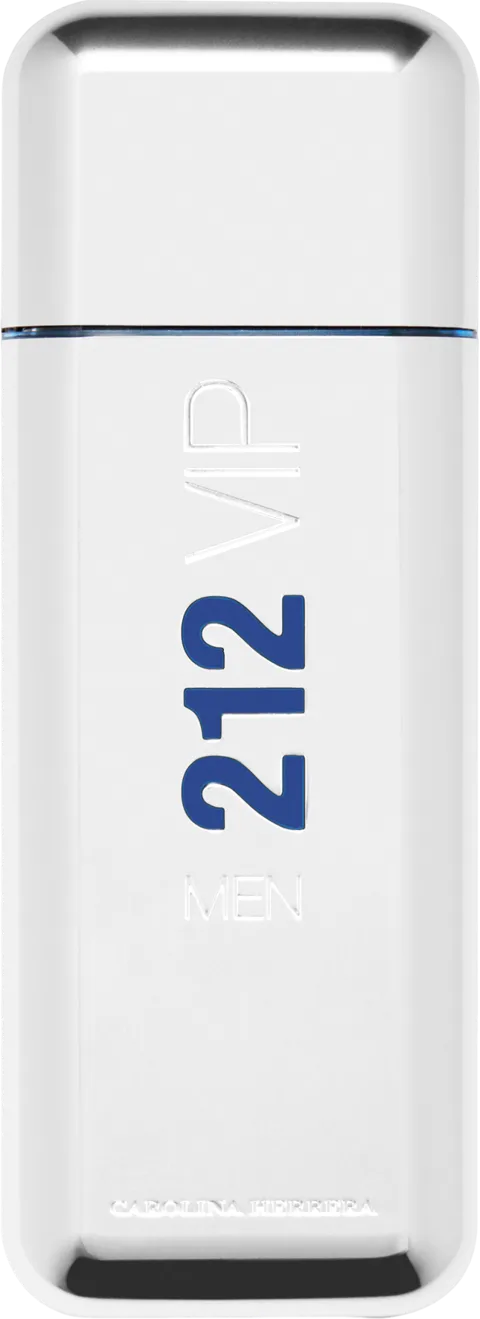 212 VIP Men
 Bad Boy Cobalt Eau de Parfum Électrique