Thé Matcha 26 Eau de Parfum
A quiet Le Labo eau de parfum where matcha becomes an introspective skin scent of creamy fig, cedar, vetiver, and soft green powder.
Perfumer: Frank Voelkl

🌸 Basic Information and First Impression
Thé Matcha 26 is a 2021 Eau de Parfum by Le Labo. In the Japanese official context, the name is read as Matcha 26. It comes in Le Labo's familiar minimalist bottle with a white typewriter-style label, and the label can be personalized with up to 23 characters.
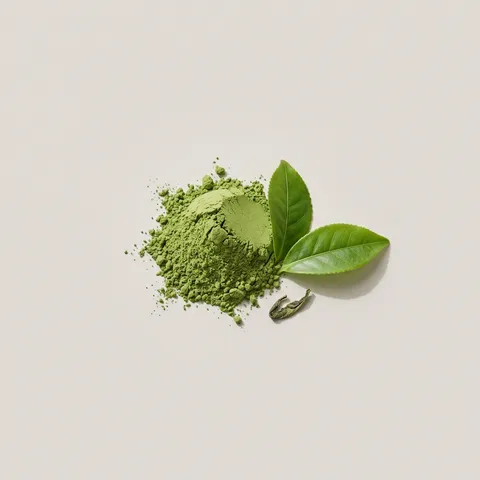
The important point is that this fragrance should not be approached as a literal matcha-flavored perfume. The official idea is not a realistic cup of green tea, but the quiet, introspective time around matcha. On skin, it moves from the brightness of bitter orange into creamy fig, powdery green matcha, cedar, and dry vetiver.
In other words, this is not a strong matcha latte scent. It is a quiet Le Labo abstraction: fig and matcha sinking close to the skin, noticeable at intimate distance rather than projected loudly across a room.
👤 Perfumer, Brand Background, and Creation Story
Le Labo was founded in New York in 2006 by Eddie Roschi and Fabrice Penot. The name means "the lab," and the brand is known for fresh in-store blending, dated and location-specific labels, and personalized bottles that make buying perfume feel like part of the experience.
The perfumer of Thé Matcha 26 is attributed in multiple fragrance databases and related sources to Frank Voelkl. He is also associated with Le Labo works such as Santal 33 and Thé Noir 29, which makes the connection between woods, tea, fig, and skin-like texture especially relevant here.
The official concept presents matcha as more than a drink in Japanese culture, and positions the fragrance as more than a simple scent. Introspection, a moment of self, quiet grace, the feeling of home, and welcomed solitude are translated into a restrained composition of fig, woods, and soft green texture.
🧪 Detailed Scent Analysis (Top, Middle, Base)
The official core is matcha accord, creamy fig, soft vetiver, textured cedarwood, and bitter orange. The product page does not present a classic top-heart-base pyramid, so the structure is best understood as an analytical reconstruction based on the official materials and repeated wearer impressions.
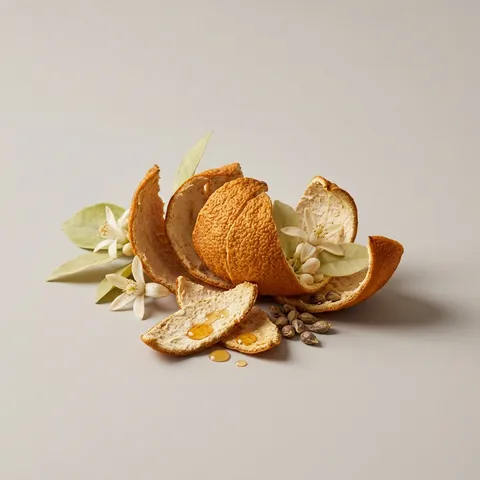
The opening is shaped by bitter orange. It is not a sweet orange candy effect, but a slightly bitter citrus brightness that gives the fragrance its first outline. Fig appears early as green fruitiness and milky softness, so the first impression may feel more fruity and creamy than clearly matcha-like.
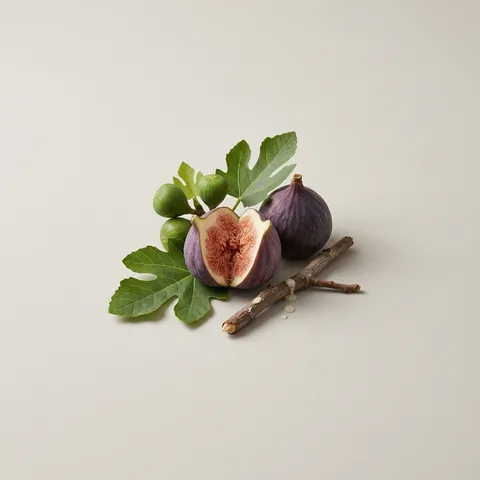
The heart centers on matcha accord and creamy fig. The matcha is not a strong seaweed-like tea leaf note; it is more powdery, quiet, green, and atmospheric. The fig adds milky roundness, sap-like greenness, and a soft vegetal edge, wrapping the matcha accord rather than simply sitting beside it.
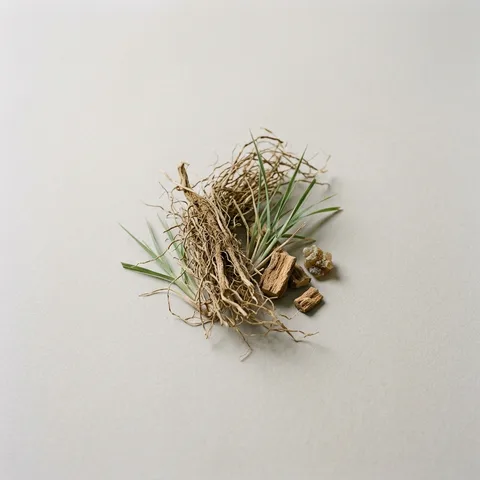
The drydown is where cedarwood and vetiver become important. Cedar gives a clean, pale, dry wood effect, while vetiver adds rooty calm and a faint earthy depth. As the fragrance dries, the tea impression recedes and the scent becomes a woody skin scent that stays close rather than projecting loudly.
⚖️ Comparison and Positioning
The most direct comparison is Le Labo Thé Noir 29, which also connects tea, fig, and cedar and is attributed to Frank Voelkl. Thé Noir 29 is darker, smokier, and more tobacco-like, while Thé Matcha 26 is brighter, creamier, greener, and closer to the skin.
Diptyque Philosykos is another useful reference because of the fig connection. Philosykos is a more realistic portrait of the fig tree, including leaf, fruit, wood, and coconut-like milkiness. In Thé Matcha 26, fig is less about the whole tree and more about softening the matcha accord into a creamy skin scent.
BDK Parfums Gris Charnel also shares fig, tea, wood, and urban intimacy, but it is warmer, spicier, and grayer, with black tea, cardamom, sandalwood, and tonka. Thé Matcha 26 is paler, greener, quieter, and easier to place in spring or autumn daytime settings.
🛒 Buying Guide, Price, and Recommendation
The Japanese official lineup includes 1.5 ml discovery, 15 ml, 50 ml, and 100 ml Eau de Parfum formats, plus related body products such as liquid balm, hand cream, body lotion, and shower gel. The current Japanese official prices confirmed in the research include 990 yen for 1.5 ml, 14,080 yen for 15 ml, 31,350 yen for 50 ml, and 45,650 yen for 100 ml.
For a first test, the 1.5 ml discovery size or 15 ml bottle is the safest route. The reason is expectation: anyone looking for a vivid matcha dessert or strong green tea realism may find it too fig-forward or too quiet. People who enjoy fig, tea, dry woods, and intimate skin scents are more likely to understand its appeal.
The recommendation is high for wearers who like creamy fig, tea-like greenness, cedar, vetiver, and understated Le Labo textures. It is less ideal for those who want strong projection, a dense gourmand profile, or an obvious matcha latte effect.
💬 Real-World Wear, Scenes, and Reputation
Thé Matcha 26 is especially suited to spring and autumn. Its pale green quality, creamy fig, cedar, and vetiver feel most natural in mild weather. In summer it works best with a light hand indoors, while in winter it can be softened through body care or layering.
It fits offices, school, work from home, reading, cafes, quiet outings, and close-distance dates. It pairs well with white shirts, thin knits, linen, gray, ecru, and minimal clothing. This is not a perfume designed to fill a large space; it creates a small circle of green wood and skin-like calm around the wearer.
Reception is divided in a useful way. Positive comments focus on elegance, calm, urban softness, and the milky fig-woody texture. Critical responses often say it is not realistic matcha, that the fig is stronger than expected, or that projection feels modest for the price. The key is to judge it not as matcha realism, but as the quiet time around matcha translated into scent.