Tar
A deep scent evoking burnt wood and smoke, with leathery undertones.
Resinous
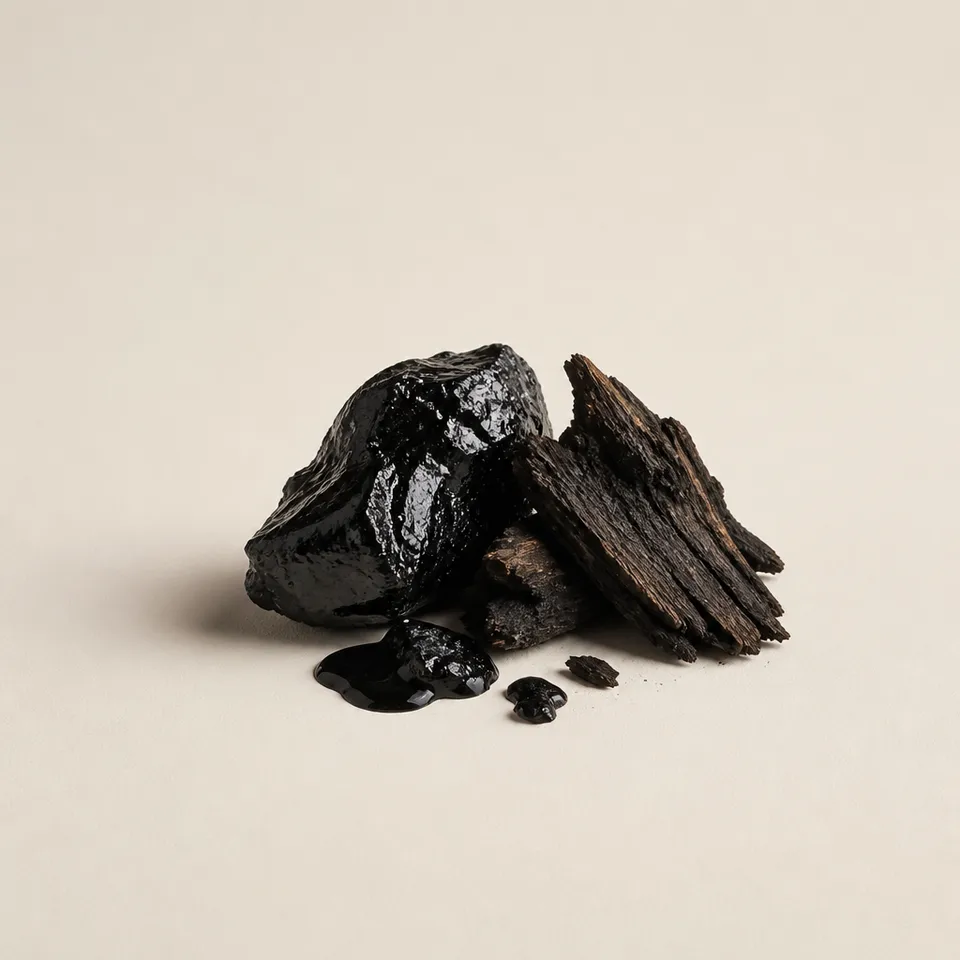
About Tar
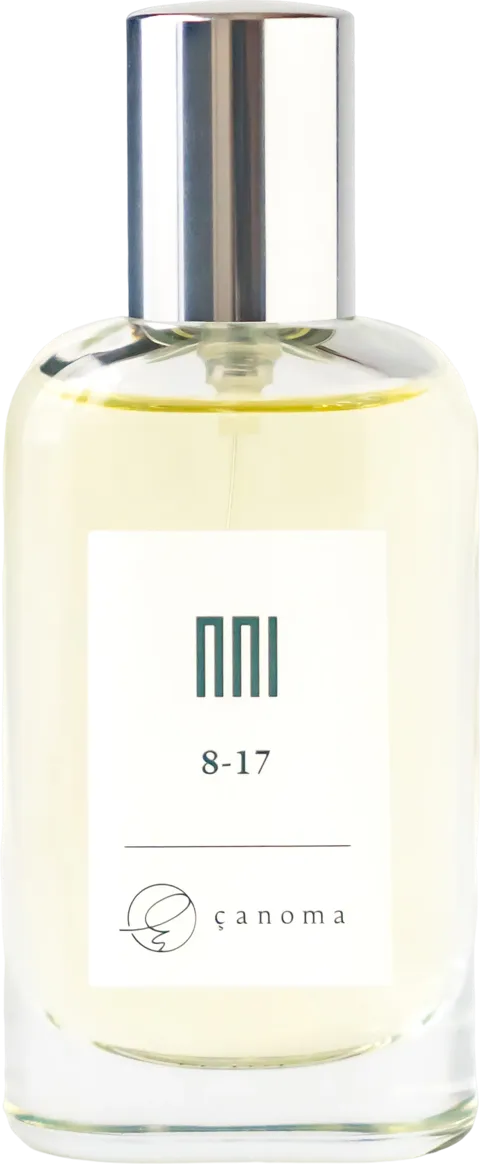
Tar is catalogued here as a smoky tar note without assuming birch, pine, coal, or any other specific tar source. canoma lists tar with seaweed, orange, and tarragon in 8-17 | Matsukaze before leather and woods. In a perfume note list, this wording communicates an intended olfactory image; it is not a complete ingredient declaration and does not by itself prove that the named object is physically present. A supplier documents birch tar as one leathery-smoky perfumery material, but canoma does not identify the source of its tar note.
Scent Profile
Its working profile suggests charred-wood smoke, dark oily resin, a phenolic edge, and heaviness reminiscent of old leather or wet asphalt. These descriptors concern smell, temperature, and texture rather than taste or touch. Depending on the materials around it, the impression may become brighter, denser, drier, softer, sweeter, or more transparent. Citrus can sharpen its outline; flowers can soften or expand it; woods, amber, and musk can extend its warmth or persistence without turning the note name into a literal ingredient statement.
Use in Perfumery
It can link seaweed salinity to animalic leather and add charred depth to oakmoss, cedar, patchouli, incense, or musk. It may act as a featured theme or as a linking texture between fruity, floral, woody, spicy, gourmand, and musky parts of a composition. The cited product usage confirms the note name and its position or context in at least one fragrance, but it does not disclose the full recipe. Perceived sweetness, projection, diffusion, and persistence depend on dosage, concentration, and surrounding materials. It avoids unsupported claims about extraction, exact chemistry, natural-versus-synthetic percentage, regulatory status, or effects beyond scent.