Drakkar Noir
Guy Laroche’s Drakkar Noir is a 1982 aromatic fougère eau de toilette. Its bright herbal and citrus opening gives way to spice, woods, moss and a leather-like darkness. The changing character suits cooler evenings.
#526 · 2026-10-27
Fragrance Overview and First Impression
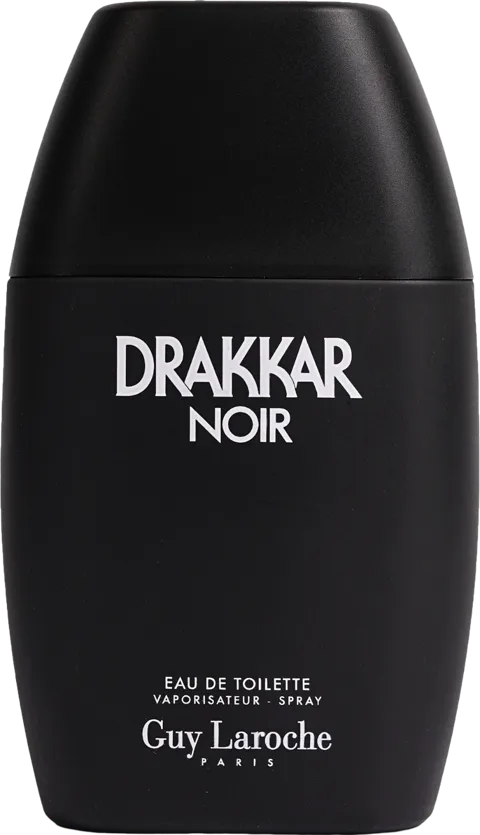
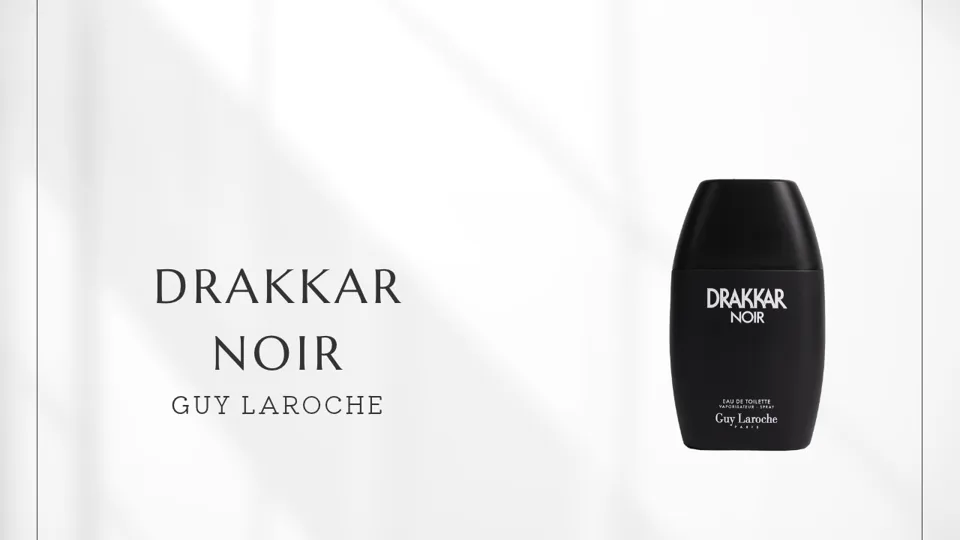
Guy Laroche released Drakkar Noir as an eau de toilette in 1982. The house frames it through the imagery of night, yet its opening is bright: lavender, rosemary and citrus suggest clean herbs before the darker character arrives. The contrast with its black bottle is part of its immediate appeal.
The house calls the fragrance an aromatic fougère. Fougère, French for fern, names a family that pairs the freshness of herbs such as lavender with the damp depth of moss and woods such as oakmoss. In Drakkar Noir, lavender in the top and oakmoss in the base form that pairing, while spice links a clear opening to a darker green finish. Someone seeking a cool-weather evening scent with a lively start has a reason to try it beyond the bottle’s appearance.
Perfumer and House Background
Drakkar Noir was composed by Pierre Wargnye, whose work also includes Yves Saint Laurent’s L’Homme and La Nuit de L’Homme and Diesel’s Only the Brave. Its move from clean herbs to darker woods carries the confident character of a 1982 masculine.
Guy Laroche opened his namesake haute couture house in Paris in 1957. A 1972 fragrance called Drakkar preceded Drakkar Noir, which adopted the earlier name in 1982. Adding Noir, the French word for black, set it firmly in the imagery of night. The word Drakkar is associated with the ships of the Vikings.
Scent Analysis
Drakkar Noir is an aromatic fougère, and its top, middle and base trace a move from bright herbs to woods and moss.
The top lists lavender, lemon, bergamot, rosemary, mint, lemon verbena, basil and artemisia. Lavender gives a gentle herbal quality, rosemary sharpens the greenery, and lemon adds a brisk brightness. Together they make the beginning cleaner and lighter than the name might suggest.
The middle lists juniper, carnation, cinnamon, coriander, wormwood, angelica and jasmine. Juniper suggests cool conifer needles; coriander brings a warmer spicy turn. Together they carry the bright herbs toward a deeper finish.
The base lists oakmoss, pine tree needles, fir, leather, vetiver, patchouli, sandalwood, cedar, amber and resins. Oakmoss suggests damp green depth, cedar gives the wood a drier edge, and leather adds a darker texture. On skin, the question is whether that settled, mossy finish appeals as much as the fresh opening.
Comparison and Positioning
Penhaligon’s Sartorial offers a comparison through lavender, moss and leather within a fougère setting. Sartorial draws on a tailor’s workshop, with steam, beeswax and cardamom in its description. Drakkar Noir instead moves through herbs and conifer-like green notes toward a darker evening finish. Sartorial may appeal for its tailoring theme; Drakkar Noir for its shift from brightness to shadow.
Dior Fahrenheit is another 1980s fragrance that includes lavender and leather. Its emphasis moves toward violet leaf and leather, while Drakkar Noir keeps herbs, woods and moss in view. Choose the latter for a cleaner herbal opening, or Fahrenheit when a more prominent leather character is the goal.
Guerlain Jicky shares a bright opening of lavender, rosemary and bergamot. Aimé Guerlain’s classic then softens into tonka bean and vanilla warmth, while Drakkar Noir turns toward moss, woods and a leather-like darkness.
Buying Guide
The house currently lists Drakkar Noir as an eau de toilette. Drakkar Intense and Drakkar Bleu are separate fragrances, so check the full product name when shopping. Try the scent past its bright citrus and herbal opening: the later mossy and leathery impression may be the deciding factor.
Prices, sizes and stock vary by seller and date. Check a seller’s current product information before buying.
Wearing Experience and Reception
Autumn and winter evenings are the clearest starting point. A wool jacket or substantial knit fits the cooler settings in which the contrast between fresh herbs and darker woods can be enjoyed. Some sources also suggest spring.
For an office or another close setting, one source recommends a light application. Wearers differ in how strongly they perceive the opening and how long the fragrance lasts. Its strongest reason to try it is the change from clean, bright herbs to a darker green finish; let that full transition decide whether it belongs in your wardrobe.