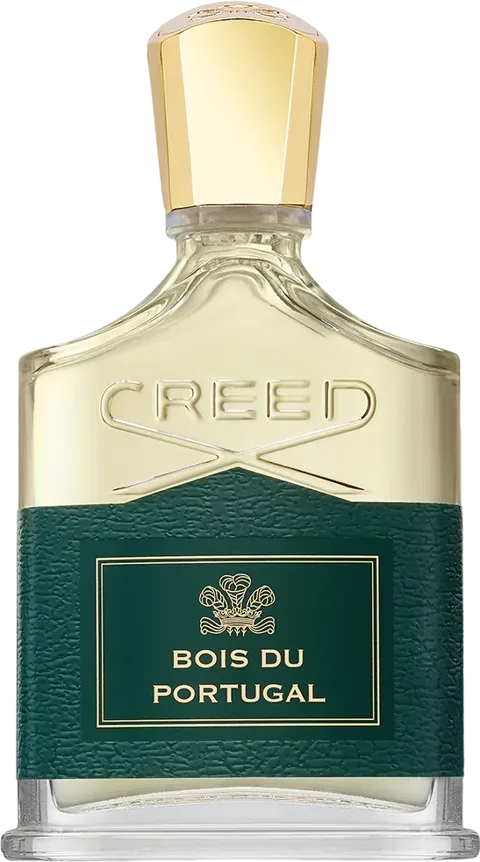
Bois Du Portugal
Creed's Bois Du Portugal moves from bright citrus and basil through lavender and spice to a woody base. Inspired by the forests of the Iberian Peninsula and the Portuguese highlands, it lends itself especially well to an autumn day in a jacket or work clothes.
#512 · 2026-10-13
Fragrance Overview and First Impression
Creed's Bois Du Portugal is a woody fragrance named for the forest. Inspired by the forests of the Iberian Peninsula and the Portuguese highlands, it makes a surprising first impression: bright bergamot and lemon rather than deep woods. That contrast invites a closer look at how the scent develops.
Creed classifies it as mossy woods, spicy, and aromatic. Those terms become more useful when followed through the composition: brightness at the start, aromatic dryness in the heart, and a smoother woody finish. Creed presents Bois Du Portugal as a men's fragrance with a classic sense of elegance. Its progression can be enjoyed without treating that description as a restriction on who may wear it.
Perfumer, House, and Inspiration
The official story evokes pine, oak, and chestnut trees beside a shaded forest path, with warm Mediterranean air moving through the scene. The transition from citrus to woods gives that setting a clear connection to the scent. Creed does not officially credit a perfumer for Bois Du Portugal. Many sources name Olivier Creed, while some point to the involvement of Pierre Bourdon. Creed's French product description names Olivier Creed's travels in the Iberian Peninsula as an inspiration.
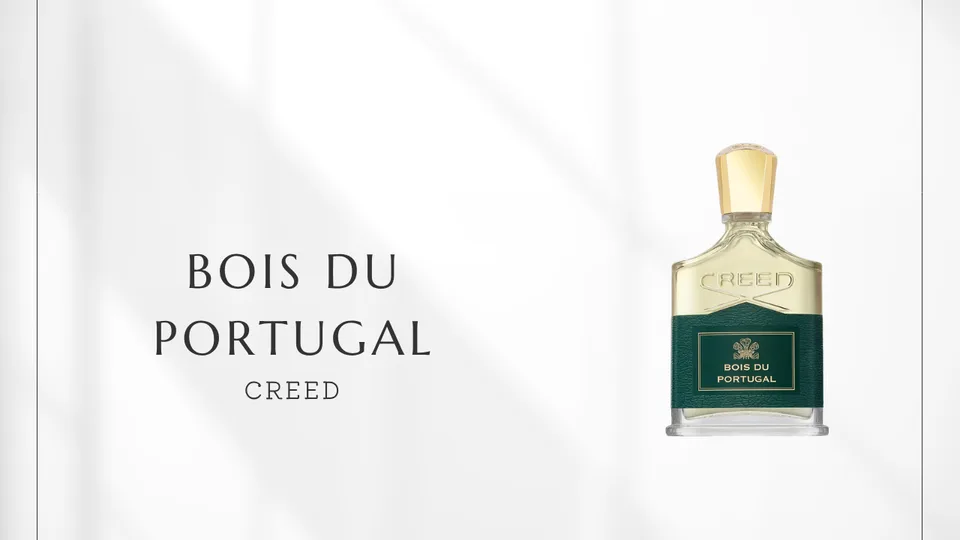
Creed describes its wider approach through the meeting of British tailoring and French perfume making. In this fragrance, the carefully linked stages are easier to notice than an abstract statement of style: citrus leads into lavender and spice before the woods settle. The transparent glass bottle follows Creed's familiar shape, with CREED embossed on its shoulders. A gold cap sits above a deep green label band bearing BOIS DU PORTUGAL in gold lettering. In the United States, bottle-back engraving and a monogrammed medallion are also offered.
Scent Analysis
The official top notes are bergamot, lemon, lime, mandarin, and basil. Bergamot brings a bitter peel edge, lemon and lime sharpen the brightness, and mandarin rounds the citrus. Basil then adds a lively green herbal impression. Rather than beginning deep in the woods, the fragrance first opens into a lighter space.
Lavender and spice form the official heart. Lavender carries some of the opening's freshness forward, while dry spice helps it approach the woody base. The formal list does not identify a particular spice. It is therefore more useful to notice the dry texture it adds than to assume pepper, clove, or another named ingredient.
Sandalwood, patchouli, vetiver, and cedarwood make up the official base. Sandalwood provides a smooth, creamy aspect; patchouli and vetiver suggest greater earthiness; and cedarwood adds a drier line. Together they create a settled finish that contrasts with the bright entrance. The product description also mentions ambroxan in the final impression, although it is not included in the formal base-note list.
Comparisons and Positioning
Creed's Green Irish Tweed shares bergamot, lemon, lavender, sandalwood, and cedarwood with Bois Du Portugal. Green Irish Tweed brings a greener direction through peppermint, verbena, and galbanum. Bois Du Portugal instead passes through basil and spice toward woods with vetiver and patchouli. The choice is between a brisker grassy impression and a more settled woody one.
Nicolaï's New York Intense offers another point of comparison through bergamot, lemon, lavender, and a spicy heart. Its black pepper, clove, and cinnamon sit alongside oakmoss and incense. Trying it next to Bois Du Portugal helps reveal how different spices and supporting materials change the path from a similar aromatic opening.
Chanel's Égoïste shares mandarin and sandalwood as useful reference points, along with an interest in woods and spice. Coriander, rose, vanilla, and ambrette seed take Égoïste toward a different floral and sweet balance. It suits a wearer seeking more of those facets, while Bois Du Portugal keeps lavender, basil, and the progression into woods more central.
Buying Guide
Current official listings describe Bois Du Portugal as an eau de parfum. The Japanese product page lists standard bottles of 50mL and 100mL, while a separate 240mL splash format also exists. A price of ¥39,050 appears on the saved Japanese page, but the saved text does not establish which size it belongs to. Current prices and availability are best checked with the official seller before purchase.
When testing, allow the citrus and basil opening to move through lavender and spice into the woody base. Whether sandalwood's smoothness and the deeper vetiver and patchouli suit you is likely to matter more than the first bright minutes alone. A paper strip can show the general progression, while skin gives a better sense of how the fragrance sits in the setting where you expect to wear it.
Bois Du Portugal is a strong candidate for someone who wants citrus at the entrance and a calmer woody, spicy finish. Those seeking a light citrus scent throughout, or those sensitive to a noticeable lavender note, will learn more by wearing it through the full development before choosing a bottle.
Wear, Setting, and Reception
Wearer accounts make an autumn day the first setting to consider. A jacket or work clothes can suit its lavender and woods, and mild spring days or winter are other possibilities. Some wearers find it heavier in summer heat, so a cooler day offers a clearer starting point for a skin test. These are useful preferences rather than an official seasonal instruction.
Moderate projection is a common impression in wearer accounts, and many also value its staying power. Skin, quantity, and surroundings can change both. One account found several sprays too strong in a small meeting room, which makes distance from other people a practical consideration. Testing the amount in a familiar setting is more informative than assuming the same result everywhere.
Some wearers appreciate the polished woods and classic character; others are less comfortable with the strength of the lavender or the price. The decisive question is whether the movement from citrus to woods, and the calm finish left behind, feel right on your skin. An autumn daytime test gives that progression room to speak.