L'Air Barbès
L'Air Barbès by 19-69 moves from cold aldehydes and citrus through concrete and white flowers into ink, orris, leather, woods, and musk. Its monochrome city retains human warmth and the memory of Paris at night.
#451 · 2026-08-13
Basic Information and First Impression
L'Air Barbès by 19-69 is a 2017 eau de parfum inspired by the intersecting faces of Paris: concrete alleys, the banlieue, Barbès–Rochechouart, and the polished fashion capital. It opens in white, electric light. Aldehydes, lemon, and bergamot feel cool and narrow rather than juicy or sweet.
The name Concrete appears among the notes, yet the fragrance is not only about an empty mineral surface. White flowers, cumin, leather, and musk gradually introduce warmth and human presence. Its colors are white, gray, and black; its movement is from illuminated pavement to flowers in a gray interior, then to ink, powder, leather, and skin.
Perfumer, Brand Background, and Creation Story
Anne-Sophie Behaghel and Amélie Bourgeois composed the fragrance. Both are associated with FLAIR, the independent Paris creation studio founded with Martine Denisot in 2012. The studio values hearing a brief and its story directly from the creator, though no specific division of labor between the two perfumers has been confirmed for this composition.
Johan and Catharina Bergelin co-founded 19-69 in 2017. The name refers to Johan's birth year and to a period he sees as a starting point across architecture, music, literature, interiors, and fashion. The house uses time, culture, and place as coordinates for fragrance.
A key inspiration for L'Air Barbès is Helmut Newton's photograph of Yves Saint Laurent's Le Smoking. Bergelin responded to its androgyny and austere monochrome aesthetic. Tailoring and skin, control and sensuality, become olfactory contrasts between concrete and flowers, ink and musk.
Detailed Scent Analysis
**Top**
Aldehydes, lemon, and bergamot create a bright opening with the polish of white light. The citrus is crisp and cool, while a faintly soapy surface makes the first impression feel more like light reflected on wet pavement than sweet fruit.
**Middle**
Concrete, ylang-ylang, and tuberose form the heart. The flowers add creamy thickness, but dry powder keeps their sweetness inside a gray architectural frame. The surrounding coolness makes the temperature of the white flowers easier to perceive.
**Base**
Ink, orris, white musk, leather, ambroxan, cumin, and woodsy notes remain in the base. Orris and ink suggest powder and paper; leather and woods add dryness; cumin introduces body heat. Ambroxan and white musk connect these elements close to skin without making the fragrance heavy.
The overall movement is from cold white light to flowers inside gray concrete, then to a darker trace of ink, leather, and skin. Wearers differ on longevity and projection, so the drydown is worth following before adding more.
Comparison and Positioning
Iris Concrete by Nonfiction also links lemon, iris, woods, and musk to modern architecture. Spearmint, galbanum, mastic, and cedar give it a greener, more botanical powder. L'Air Barbès moves toward a colder city through aldehydes, tuberose, ink, leather, and cumin.
Acte d'amour furtif. A.N. by D'ORSAY also combines cumin, iris, ambroxan, and a leather or suede texture. A.N. emphasizes warm skin and intimate suede through black pepper and violet leaf. L'Air Barbès expands that skin into a white urban space with citrus, flowers, concrete, and ink.
L'Iris by Santa Maria Novella moves from citrus into iris, white flowers, and musk. Galbanum, Timur pepper, neroli, champaca, and jasmine give it a more classical floral bearing. Concrete, ink, and leather make the powder of L'Air Barbès feel more inorganic and metropolitan.
Buying Guide, Price, and Recommendation
The fragrance is offered as one eau de parfum in 9 ml, 30 ml, and 100 ml. At the time of research, the official prices were €25, €75, and €185; the 30 ml size was marked sold out. A 200 ml scented candle shares the name but is not another fragrance concentration. Prices, stock, and regional availability should be checked again before purchase.
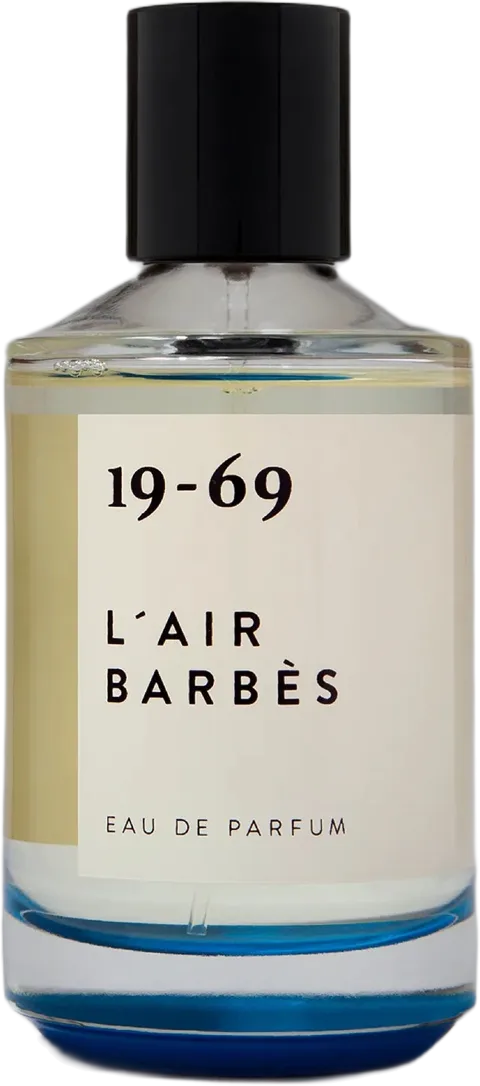
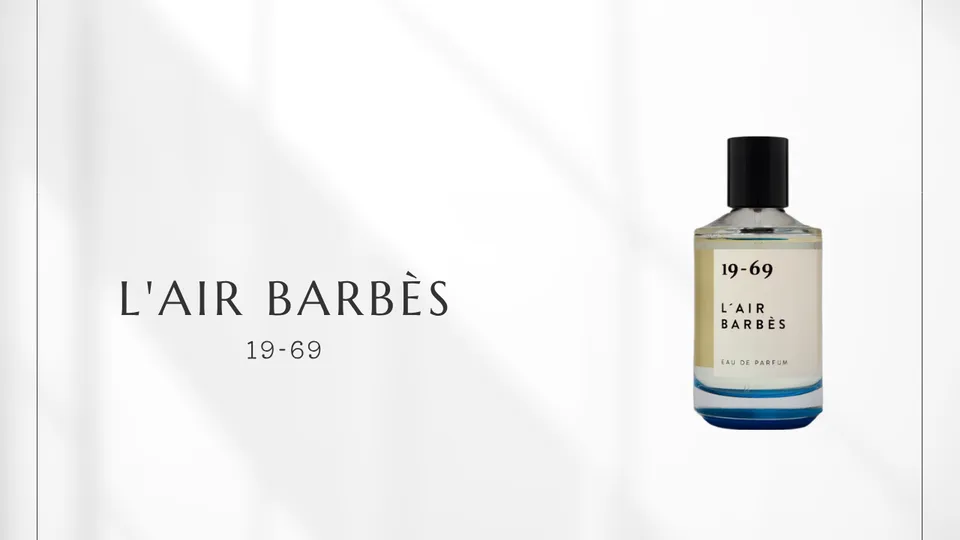
A smaller size is practical for a first test because the opening and drydown differ sharply. Someone expecting soft flowers, realistic stone, or sweet citrus may find the aldehydes, ink, and ambroxan unexpectedly hard. The clear rectangular bottle has a pale liquid, white label, and black cylindrical cap. It is painted and screen-printed in Italy and finished by hand, so small variations are part of the object.
Wearing Experience, Scenes, and Reputation
Spring and early autumn are the easiest seasons, from daytime into the beginning of evening. Galleries, museums, creative workplaces, and city walks suit its shift from white light to urban shadow. White, gray, or black shirts and tailored jackets echo the androgynous setting. In summer, start lightly in air-conditioned or well-ventilated places.
Some wearers describe bergamot and ink as clean, clinical, glossy paper, or a gray museum interior. Others notice a harder rubber-like aspect or stronger leather in the drydown. That split is useful when testing: wait beyond the bright opening and notice whether the monochrome effect becomes smooth paper, dry leather, or a sharper synthetic surface on skin.
The brand's Paris recollection includes a dark rainy street, a theater with red velvet, drag queens voguing to Grace Jones, and a figure called The Professor in a paisley silk robe and tassel loafers, surrounded by a musky scent. The contrast between cold concrete and vivid clothing, monochrome restraint and nocturnal heat, explains why the fragrance ends with musk, leather, and a trace of human warmth.