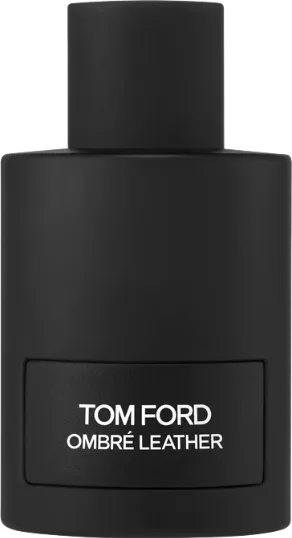
Ombré Leather
Tom Ford Ombré Leather opens black hide with cool cardamom and white jasmine light. Amber, moss, and patchouli settle the fragrance into the dry mineral heat of the American West.
#427 · 2026-07-20
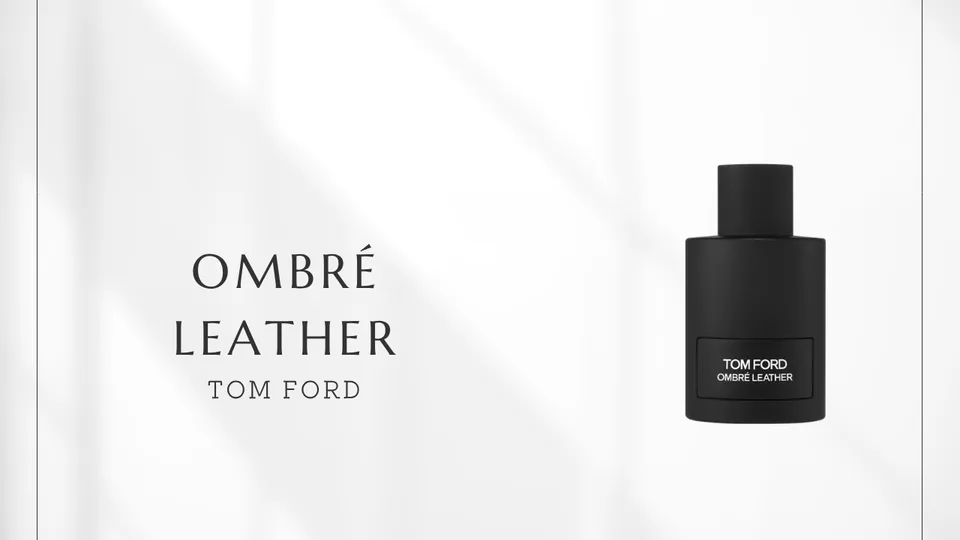
Basic Information and First Impression
Tom Ford Ombré Leather is a 2018 eau de parfum. The official key notes are cardamom, jasmine sambac, black leather, patchouli, white moss, and amber. The brand does not publish a strict top, heart, and base pyramid, so the leather is best understood as a continuous theme whose light, temperature, and distance shift over time.
The first impression is black leather cut by white floral light. Cool dry cardamom outlines polished leather rather than hiding it. Jasmine opens space inside the dark material, and amber, moss, and patchouli eventually add the heat of rock, sand, earth, and wood. The matte-black bottle and leather label extend the same tactile idea into the object.
Perfumer, Brand Background, and Creation Story
Sonia Constant created Ombré Leather. She studied at ISIPCA, built her career at Givaudan, and founded ELLA K in 2017. Her work often translates travel, light, materials, and emotional memory into scent. Here the American West is not represented as a literal landscape but as cool spice, white floral brightness, black hide, and dry mineral heat.
Tom Ford was founded in 2005. Its fragrance language often joins a clearly focused material to cinematic imagery, polished surfaces, and a distinct character. Ombré Leather grew from the limited Ombré Leather 16 of 2016 and entered the more widely distributed Signature line in 2018.
The 2018 campaign featured former professional bull rider Bonner Bolton and model Linda Helena, photographed by Steven Klein. Wide sky, leather against the body, and physical freedom extended the official theme of the American West.
Detailed Scent Analysis
At the opening, cardamom provides a cool, dry, aromatic line. It is not primarily culinary or sweet. Leather appears at the same time, suggesting a new jacket, polished shoes, or a carefully maintained car interior. The color is black, the temperature initially cool, and the surface smooth and dry.
As the fragrance settles, black leather and jasmine sambac form the central contrast. Jasmine does not turn the structure into a sweet floral. It illuminates the leather from within, making the material feel smoother, slightly creamy, and more open while keeping its weight. This white-flower and black-hide balance gives the fragrance its modern, relatively ungendered wearability.
The drydown gathers amber, white moss, and patchouli. Amber adds dry warmth, moss brings a green shadow, and patchouli contributes earth and dark wood. The fragrance does not become an entirely different composition; the same leather sinks closer to skin as its temperature rises and its projection falls.
Comparisons and Positioning
Tom Ford Tuscan Leather also makes leather the central material and shares a dark, smoky luxury. Tuscan Leather uses raspberry, saffron, and thyme to create fruit acidity, smoke, and greater animalic density. Ombré Leather uses cardamom and jasmine to let air through the structure before amber and moss settle into a dry Western landscape. Tuscan Leather is the denser, more confrontational choice; Ombré Leather is smoother and easier to place in everyday dress.
Acqua di Parma Leather Eau de Parfum also translates high-quality leather into a modern wardrobe. The Acqua di Parma fragrance moves toward bright citrus and polished Italian leather. Ombré Leather is darker, floral, mossy, and ambered, framing leather through the dry shadow of the American West rather than Mediterranean brightness.
Its identity is not a weakened Tuscan Leather or a darker Italian leather. It preserves a strong black-leather core while using cardamom and jasmine to create breath and contrast.
Buying Guide, Price, and Recommendation
The US official site lists 10, 50, 100, and 150 mL formats. As checked on July 20, 2026, the range was priced from $55 to $280, with 50 mL at $165. In Japan, 50 mL was available at ¥25,300 including tax. A price and size revision announced for July 31 lists 10 mL at ¥7,480, 50 mL at ¥21,560, and 100 mL at ¥30,800. Current official or authorized-retailer information should be checked at purchase.
The family includes materially different interpretations rather than a simple ladder of strength. The 2021 Parfum emphasizes violet leaf, orris, tobacco, and woods. Eau d’Ombré Leather from 2024 is brighter and softer through vanilla and amber. Ombré Leather Reserve Parfum, scheduled for Japanese release on July 31, 2026, turns toward black pepper, cypress, juniper, vetiver, benzoin, and coniferous dryness.
A skin test should follow the cardamom opening, the jasmine-lit middle, and the mossy patchouli drydown. People who enjoy polished leather, dry spice, and white-floral contrast will find the design direct. Those who dislike the smell of new leather or want fruit-heavy smoke should sample cautiously.
Wearing Experience, Scenes, and Reputation
The clearest season is autumn and winter, especially from evening into night. Dinner, a bar, a gallery, a hotel lounge, or a night drive suit its polished darkness. Black or charcoal tailoring, a white shirt, a minimal dress, wool, and polished shoes extend the scent's tactile language.
In midsummer, it works best after sunset or in air-conditioned spaces, beginning with one spray below the waist. The opening can project from medium to strong for two or three hours before settling into a closer leather-and-amber trail. Many wearers report five to ten hours on skin and longer on fabric, although performance varies.
Positive responses emphasize smooth leather, jasmine-created openness, persistence, and value. Criticism compares it with a car interior, finds the leather synthetic, or wants more change over time. The decisive question is whether black leather itself is welcome as the main subject. If it is, the movement of white flowers and dry heat across that surface becomes the fragrance's strength.