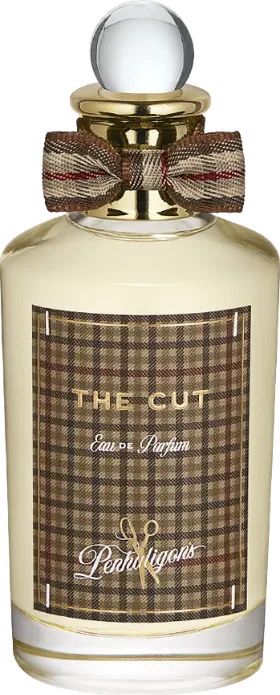
The Cut Eau de Parfum
This episode explores Penhaligon's The Cut Eau de Parfum as a modern fougere shaped by Savile Row tailoring. It follows the sharp mint opening, the dry cypress structure, and the fir balsam drydown that leaves a clean coniferous trail on skin.
#406 · 2026-06-29
Basic Impression
Penhaligon's The Cut Eau de Parfum is presented as a modern fougere inspired by bespoke tailoring on Savile Row. The fragrance opens with mint, then moves into cypress, clary sage, and lavender before settling into fir balsam, cedar, and vetiver. Its appeal lies in clean structure rather than heavy sweetness or loud projection.
Perfumer and Brand Context
The perfumer is Paul Guerlain, a French perfumer associated with IFF. Penhaligon's, founded in London in 1870, brings its barbershop and British storytelling heritage into a contemporary tailoring narrative. The episode treats the fragrance as an update of the British gentleman code, not a museum piece.
Scent Analysis
The top is cold, green, and herbal, led by mint with a botanical sharpness. The heart introduces cypress, clary sage, and lavender, creating a dry aromatic fougere frame. The base of fir balsam, cedar, and vetiver gives the scent a coniferous woody finish that feels like fabric and lining rather than dense leather.
Positioning
The closest house comparison is Sartorial: Sartorial smells more like the tailor's workshop, while The Cut suggests the finished suit in motion. It also differs from Green Irish Tweed by being more minty, coniferous, and dry, and from darker mint fragrances such as Memoir Man by staying cleaner and more daytime-friendly.
Buying Guide
The fragrance is available in 100mL and 30mL sizes, with a duo set pairing it with Sartorial in some markets. It is best tested on skin because the mint opening and woody drydown can vary by wearer.
Wear and Scene
The Cut suits spring, early summer, and autumn daytime wear. It pairs naturally with shirts, jackets, offices, galleries, and smart casual occasions. It is restrained enough for close-range use, which can be either its strength or its limitation depending on the wearer.