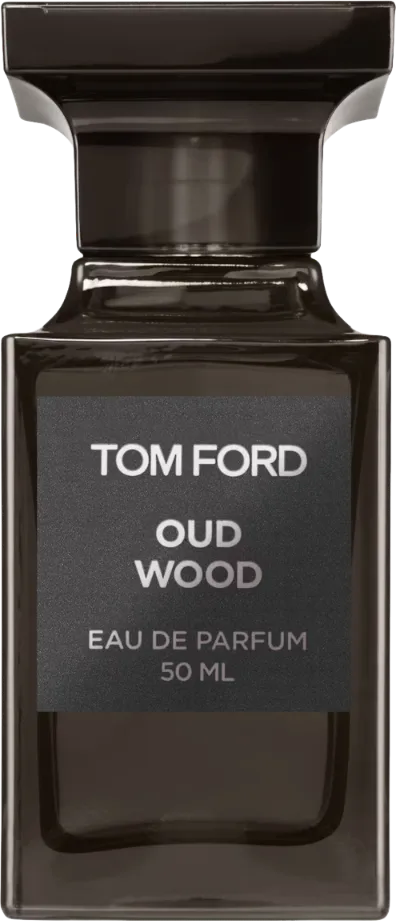
Oud Wood
Tom Ford's Oud Wood is a 2007 Private Blend fragrance shaped by cardamom, pink pepper, oud notes, sandalwood and amber. It treats oud as polished, dry timber and quiet smoke rather than as a dense display of raw agarwood.
#237 · 2026-01-11
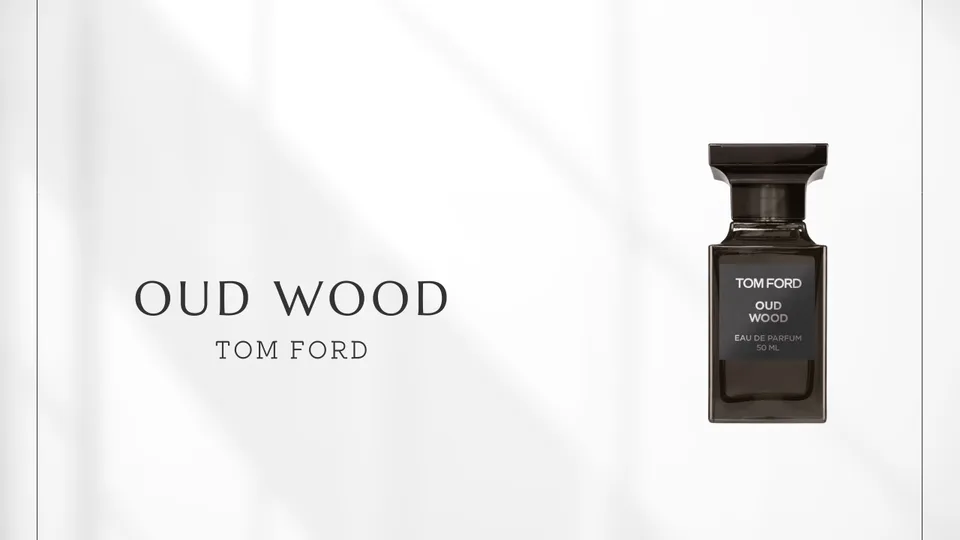
An Oud That Keeps Its Voice Down
Tom Ford launched Oud Wood in 2007 as part of the Private Blend collection, and the house still frames it the same way today: oud notes, exotic woods and warm amber. That phrasing is worth taking literally. This is a fragrance built around the idea of oud rather than a showcase for raw agarwood, and reading it that way explains most of what happens once it is on skin.
The first impression is dryness rather than density. Oud is often deployed as something thick, resinous and faintly medicinal; here it reads as polished timber — sanded, warmed, and lit from a distance by smoke. There is a stillness to the composition that sends people reaching for architectural comparisons: a dark wood-panelled room, a temple corridor, the hush of a hotel lobby late at night. Nothing in it insists on your attention.
If you have steered clear of oud because you associate the word with weight, this is the version of the genre that argues most persuasively against that association.
The House Behind It, and the Name That Isn't on the Label
Tom Ford founded his label in 2005 and moved into fragrance shortly after. Private Blend arrived as the more expensive, less compromising tier of that project — a line briefed around the founder's own taste rather than a mass-market target. Oud Wood, released in 2007, is one of the fragrances that set the collection's tone.
The perfumer question deserves a straight answer rather than a confident one. Richard Herpin is widely credited with Oud Wood across enthusiast and reference sources, but his name does not appear on Tom Ford's current official product page. Treat the attribution as well-established reporting, not a house statement.
There is one genuine piece of career context worth knowing. As creative director at Yves Saint Laurent, Ford oversaw M7 in 2002 — a designer fragrance that put oud at the center of its identity years before the material became a fixture of mainstream Western perfumery. Oud Wood followed five years later, from his own house, with an entirely different temperament: quieter, drier, and far more concerned with polish than with impact.
How It Actually Smells
Tom Ford's official key notes are cardamom, pink pepper, patchouli, amber, oud and tonka bean. The brand's own written description takes a slightly different route, walking through exotic rosewood and cardamom, then a smoky blend of oud notes with sandalwood and vetiver, and finally tonka and amber. The two accounts don't collapse neatly into a top-heart-base pyramid, and the fragrance doesn't behave like one either. Better to think of it as three overlapping temperatures.
The opening is spice without sweetness. Cardamom supplies a cool, aromatic lift that reads almost like freshness despite the absence of citrus; pink pepper adds a dry crackle over the top; rosewood gives the whole thing a grain to hold onto. There can be something sharp and herbal in the first few minutes — a green, faintly medicinal edge that seems strange before it settles.
The middle stretch is where the fragrance makes its case. The oud notes come through smoky rather than animalic, cushioned by sandalwood's creaminess and anchored by the dry root quality of vetiver. Patchouli works underneath as ballast, contributing earth rather than damp. The effect is closer to incense drifting through a room of good furniture than to anything raw.
The finish is warm and close to the skin. Tonka and amber round the edges off the wood with a soft sweetness that reads more like warm skin than like dessert. The arc, start to finish, is a steady rise in temperature: cool spice, then quiet smoke, then something that feels almost like your own skin on a good day.
Where It Sits Next to Other Ouds
Against M7, the contrast is instructive. M7 pushed its oud forward — bitter, syrupy, medicinal, unmistakably a statement. Oud Wood pulls in the opposite direction, sanding the material down until it slots into everyday clothing. Neither approach is more correct, but they answer different questions.
Versace's Oud Noir is frequently suggested as a lower-priced route to a similar woody-spicy shape. The comparison holds up in outline, though Oud Noir runs sharper and more peppery, with a leathery edge where Oud Wood is creamy. It is rougher, and it costs less; whether that trade works depends on how much you value smoothness.
Thameen's Carved Oud covers comparable territory with more density and depth. If Oud Wood's restraint reads to you as thinness rather than elegance, that is the direction to explore.
Buying It Sensibly
Sample before committing. Oud Wood's opening spice divides people more than its comfortable drydown does, and the drydown is what most reviews describe.
Tom Ford has also released Oud Wood in a Parfum interpretation, so the eau de parfum is not the only expression of this idea. Compare them on skin if the standard version feels too discreet. If your retailer stocks more than one bottle size, a smaller bottle is the sensible entry point for a fragrance you may reserve for particular occasions.
Living With It
This is a cold-weather fragrance by temperament. Dry autumn and winter air suits the wood and amber; high summer humidity tends to make the same materials feel heavier than intended. Spring evenings work fine.
Oud Wood sits within conversational distance rather than announcing itself across a room, which is precisely why it works in offices, meetings and restaurants where bolder fragrances can become a liability.
Clothing matters more than usual here. Dark tailoring, cashmere, leather and knitwear all flatter it; gym clothes and beachwear fight it. Evening is its natural hour, though a light hand makes it workable during the day.
Tom Ford presents the Private Blend collection as suitable for layering, and Oud Wood takes to it well — pairing it with something sweeter or brighter shifts the balance without erasing the woods underneath. Skip it if you want an oud with genuine wildness in it. Choose it if you want the material handled with a light touch.