Prada
An Italian house founded in Milan in 1913, intellectually reversing beauty and awkwardness, luxury and industrial material, convention and dissent to create tension in scent.
Italy

About Prada
Prada unsettles judgments of value by placing awkward color, industrial material, or uniform-like line where beauty might otherwise be presented as straightforward luxury. Sweetness and cleanliness in fragrance are similarly refused as fixed meanings; exaggeration or a cold structure can turn each into something newly ambiguous.
History
Mario Prada opened a shop for travel goods and luxury objects in Milan's Galleria Vittorio Emanuele II in 1913. From the late 1970s, his granddaughter Miuccia Prada and Patrizio Bertelli led the business, bringing lightweight industrial nylon and intellectual discomfort into luxury fashion. Fragrance production began through a Puig agreement in 2003. Since 2021, beauty has been developed under a long-term license with L'Oréal.
Philosophy & Signature Style
A small contradiction enters polished elegance and asks what deserves to be called beautiful. Familiar materials—caramel, white florals, musk, amber, and molecular cleanliness—are edited through extreme dosage or geometric contrast. Packaging and campaigns also hold sweetness with distance and futurity with memory. Perfume becomes an object that prompts thought rather than an outfit with one correct answer.
Iconic Fragrances
- *Candy* — Caramel, benzoin, and musk contrast excessive sweetness with disciplined powder.
- *Paradoxe Eau de Parfum* — White florals, amber, and musk cross familiarity with synthetic transparency.
Perfumes by this brand
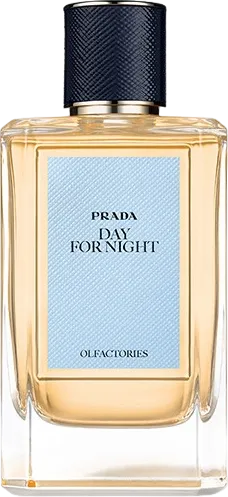 Olfactories - Day For Night
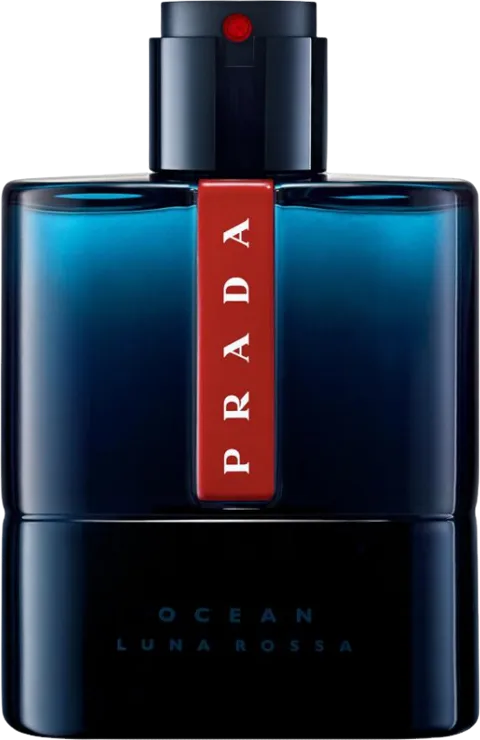 Luna Rossa Ocean
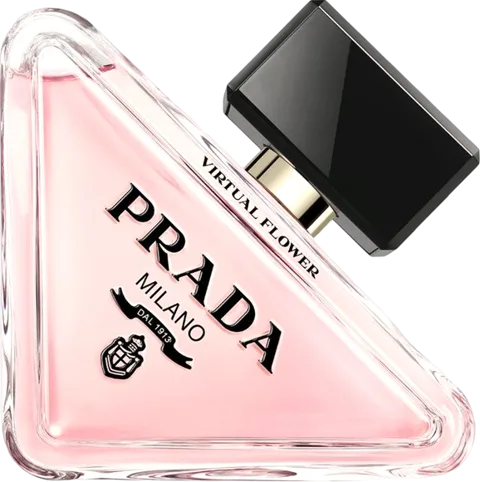 Paradoxe Virtual Flower
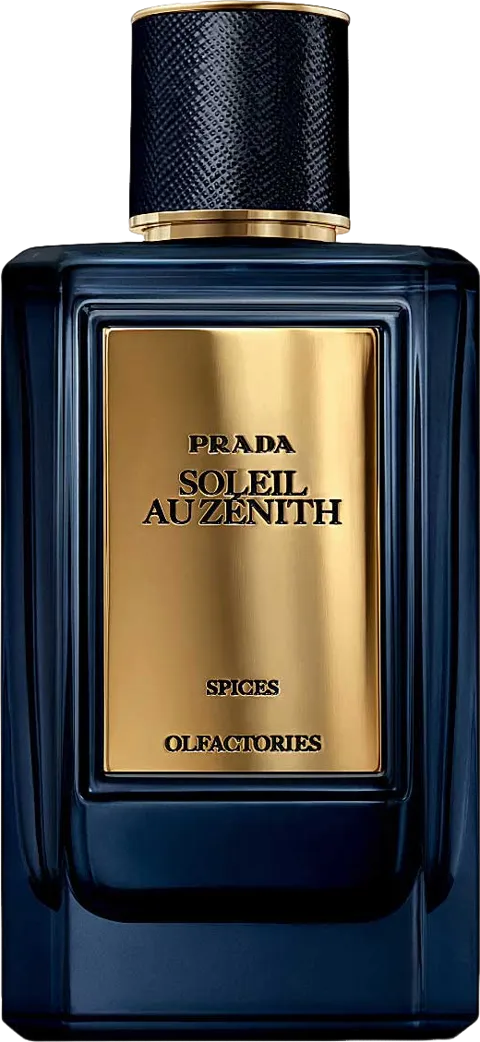 Olfactories Les Mirages - Soleil Au Zenith
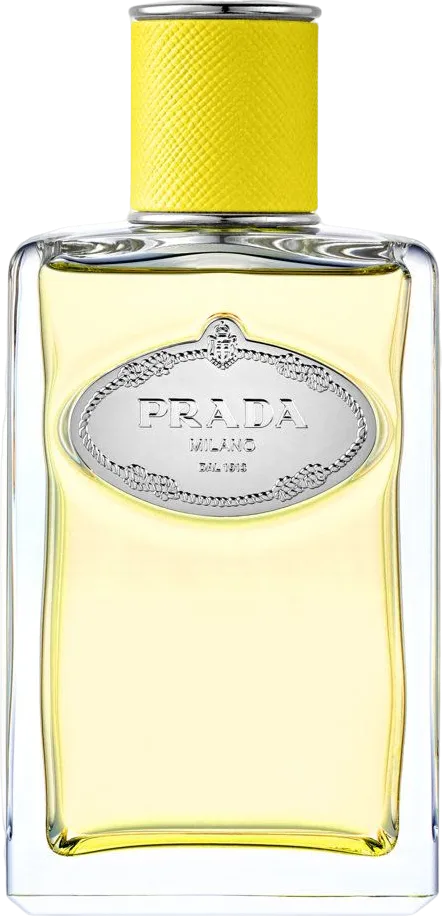 Prada Infusion d'Ylang
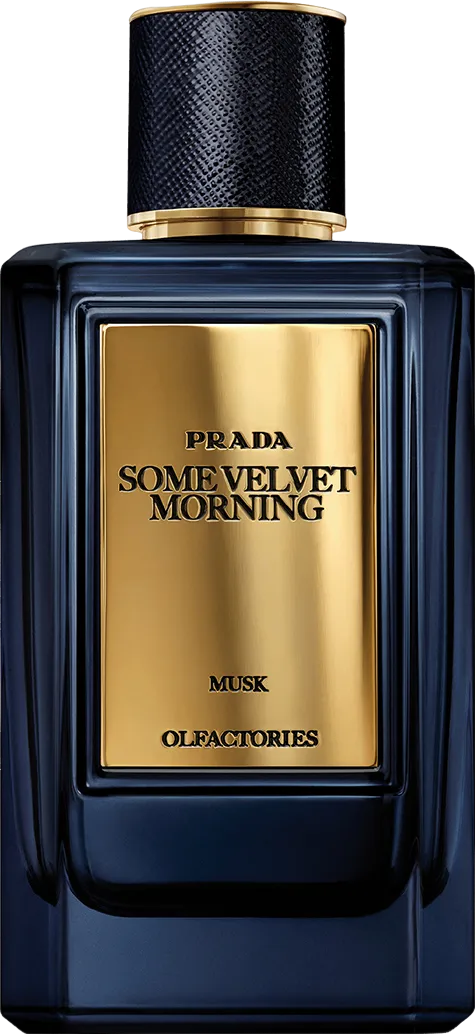 Olfactories Les Mirages - Some Velvet Morning
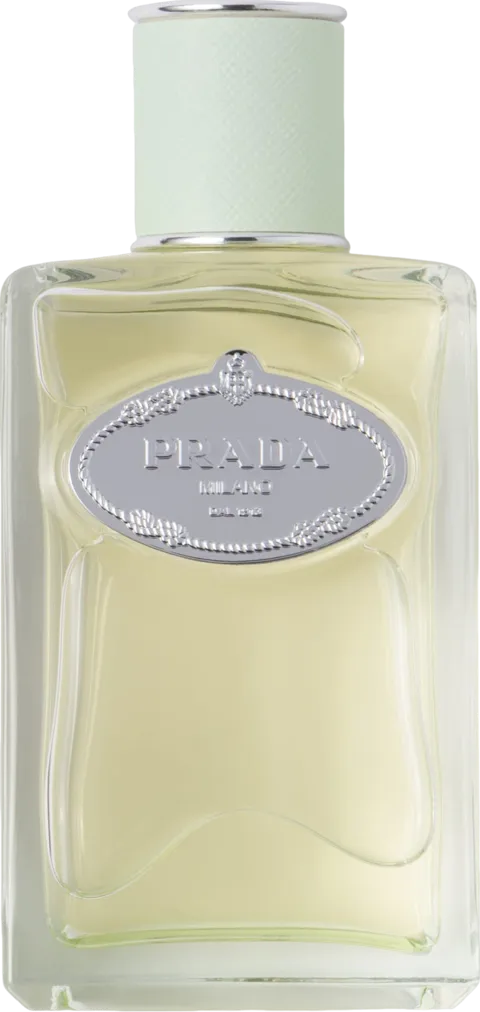 Infusion d'Iris Eau de Parfum
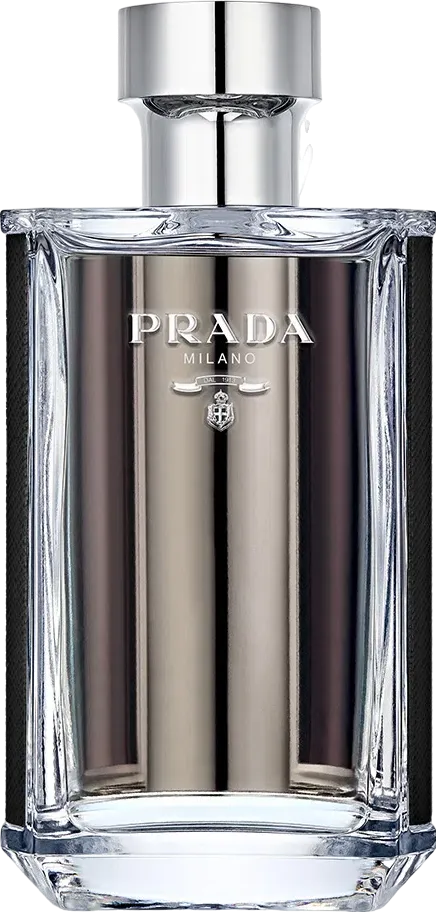 L'Homme Prada
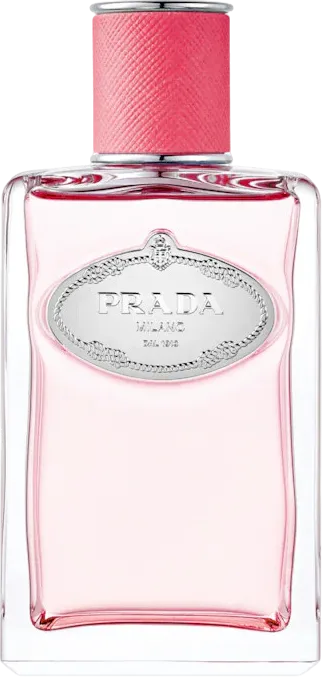 Prada Infusion de Rhubarbe
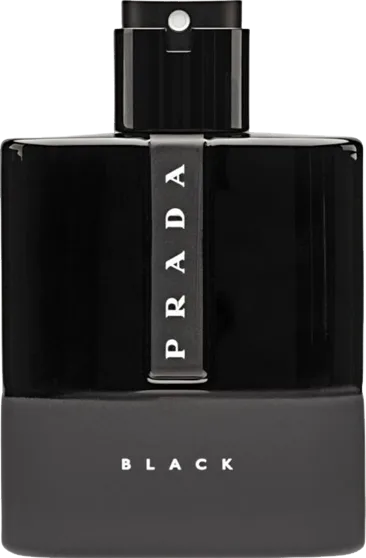 Luna Rossa Black
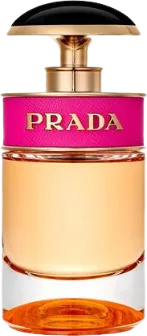 Candy
Candy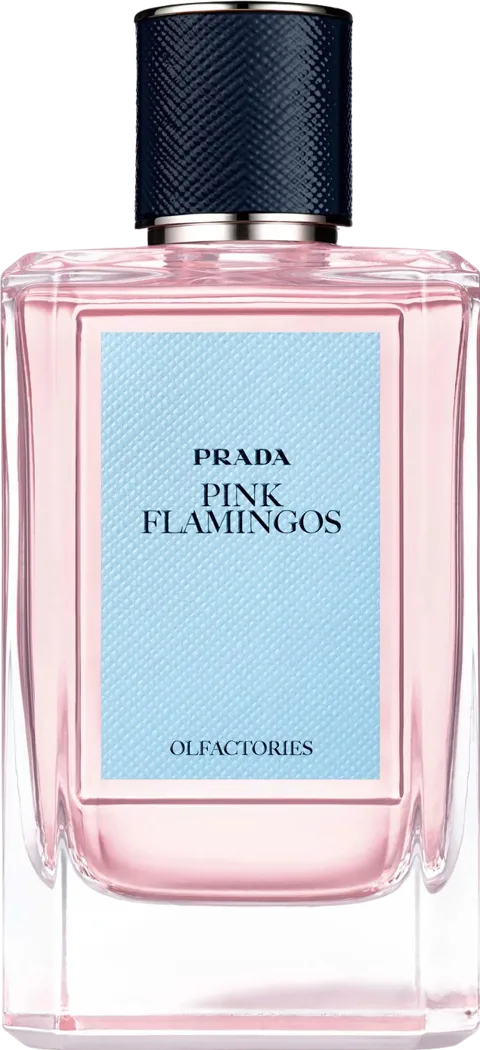 Olfactories - Pink Flamingos
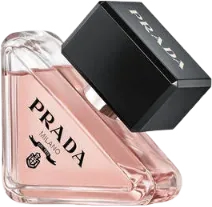 Paradoxe Eau de Parfum
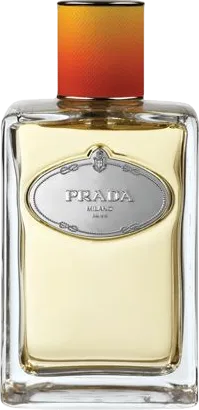 Prada Infusion de Fleur d'Oranger
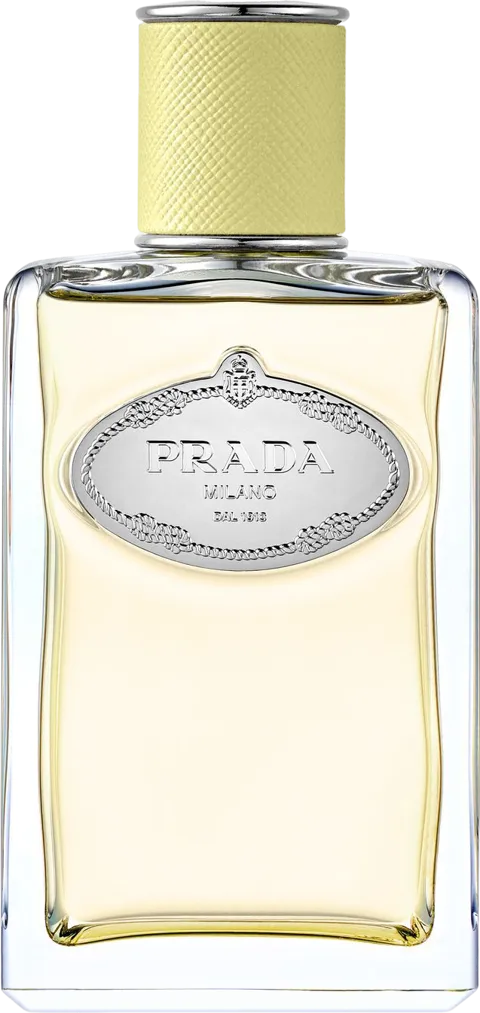 Prada Infusion de Gingembre
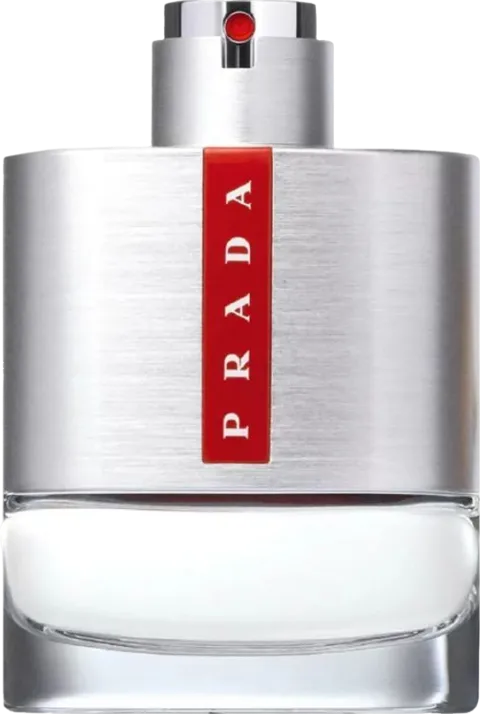 Luna Rossa
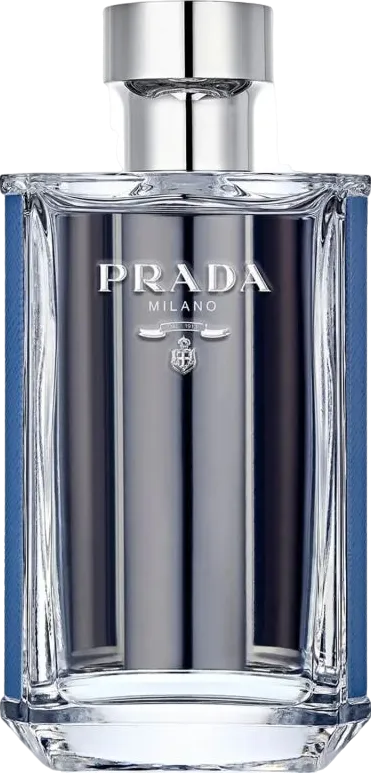 L'Homme Prada L'Eau
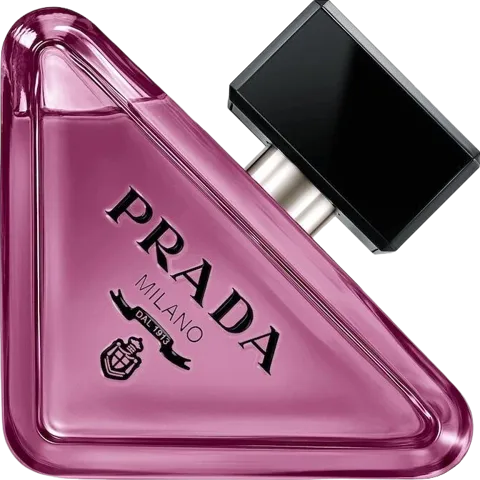 Paradoxe Sweet Chemistry
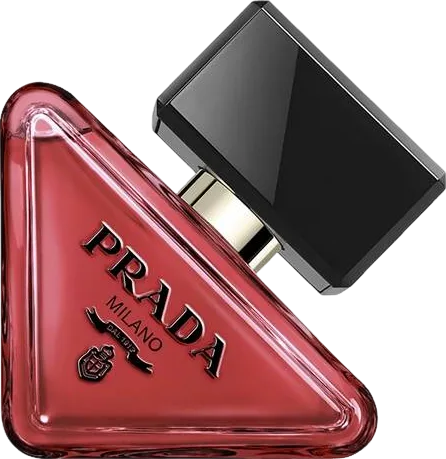 Paradoxe Radical Essence
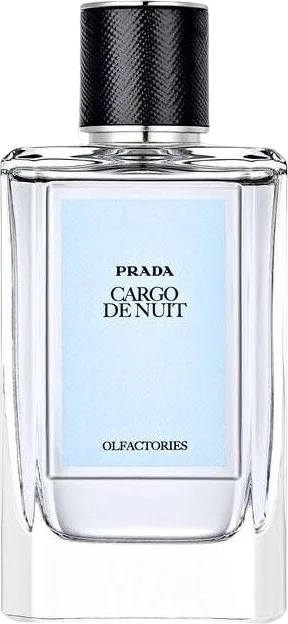 Olfactories - Cargo De Nuit
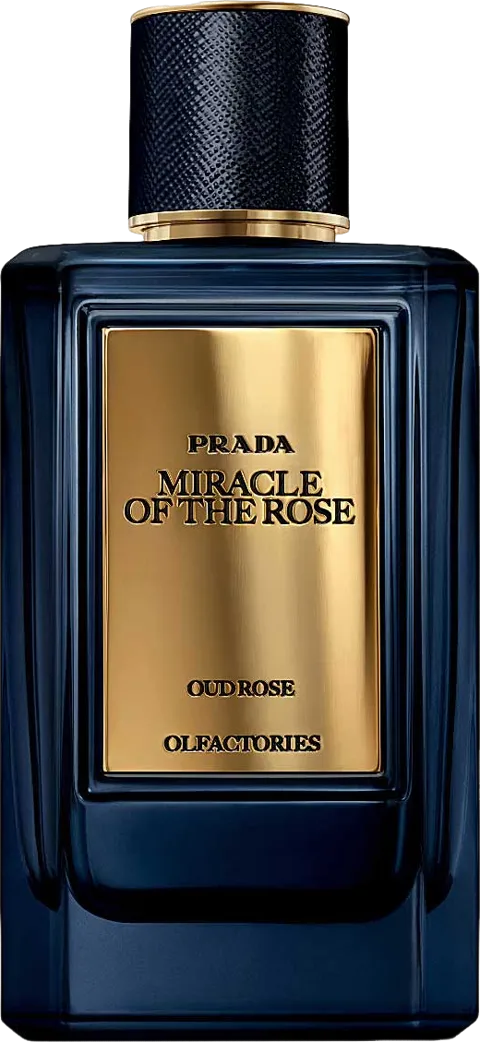 Olfactories Les Mirages - Miracle Of The Rose
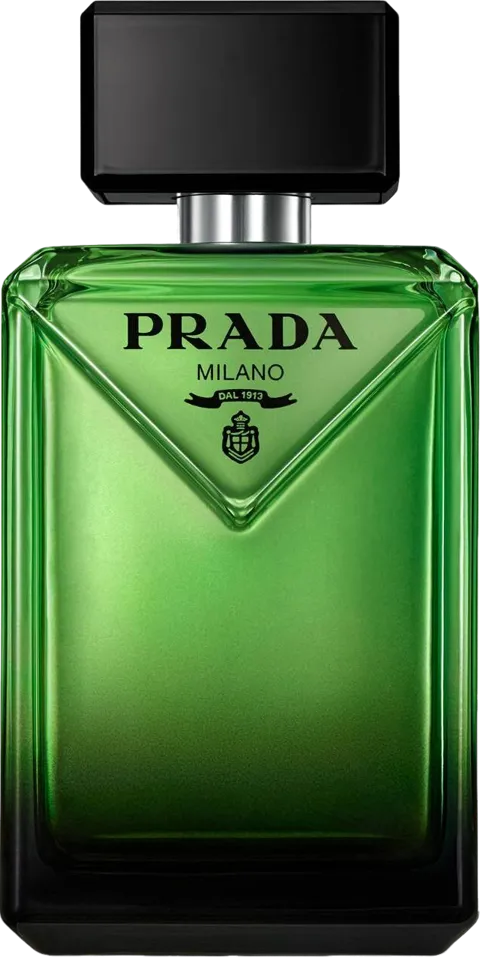 Paradigme
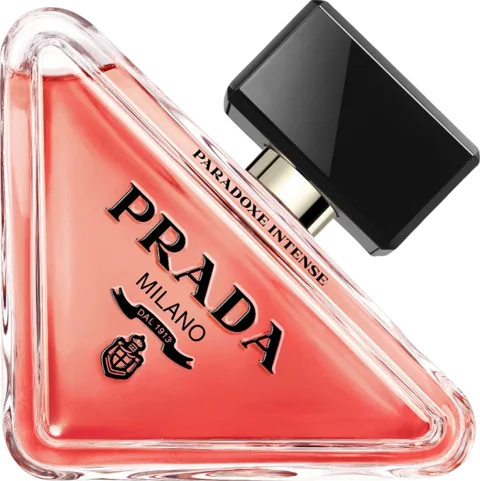 Paradoxe Intense
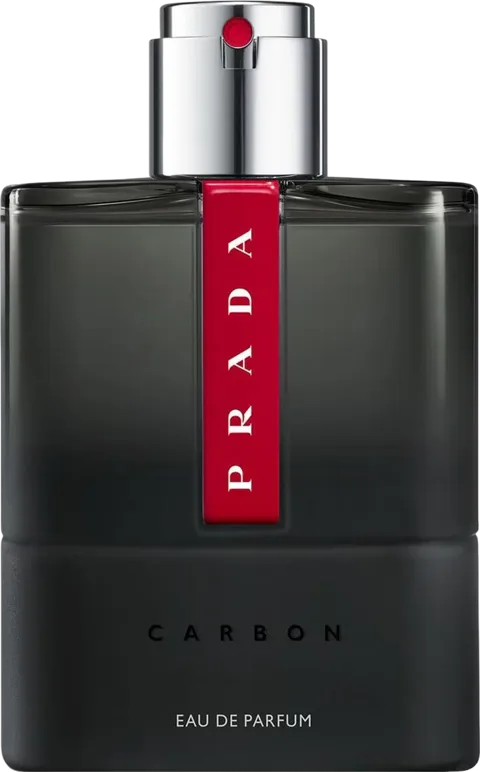 Luna Rossa Carbon
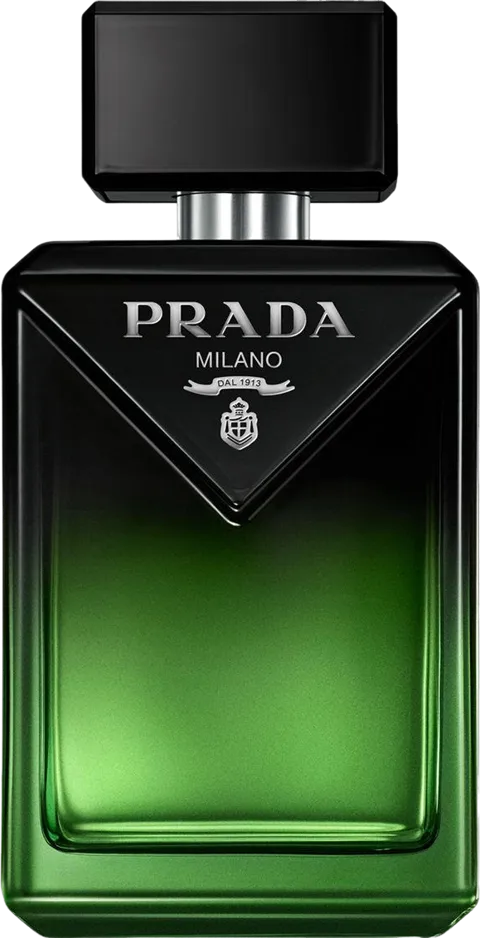 Paradigme Le Parfum