CHANEL
A Paris couture house founded in 1910, building freedom and abstraction in scent through an in-house perfumer tradition and long-term Grasse cultivation.
France

About Chanel
Chanel extends Coco Chanel's idea of freeing the body through clothing into fragrance through abstract composition. Rather than copying the smell of a single flower, natural and synthetic materials are combined to form an impression that does not exist literally in nature.
History
Coco Chanel opened a millinery shop in Paris in 1910 and brought clean lines and physical ease into fashion. She entered fragrance in 1921 through work with Ernest Beaux, and Parfums Chanel was established in 1924. A succession of in-house perfumers—Beaux, Henri Robert, Jacques Polge, and now Olivier Polge—has maintained both continuity and change. Long-term cultivation partnerships in Grasse for jasmine, rose, and other flowers give the laboratory close knowledge of important natural materials.
Philosophy & Signature Style
A fashionable note is not simply amplified on its own; contrast, proportion, and the complete drydown are constructed much like a garment. The in-house laboratory protects historic formulas while using new extraction methods and synthetic materials to restate values in another form. Bottle, typography, image, and scent are controlled as one visual and olfactory language, preserving a recognizable contour even as the period changes. Restraint and luxury therefore come from editing and structure rather than from displaying every expensive material at once.
Iconic Fragrances
- *N°5* — Aldehydes and flowers are built into abstract light, establishing a benchmark for modern perfumery.
- *N°19* — Iris and sharp greenery become dry, self-possessed elegance.
- *Bleu de Chanel* — Citrus, aromatics, and woods frame a polished contemporary freedom.
Perfumes by this brand
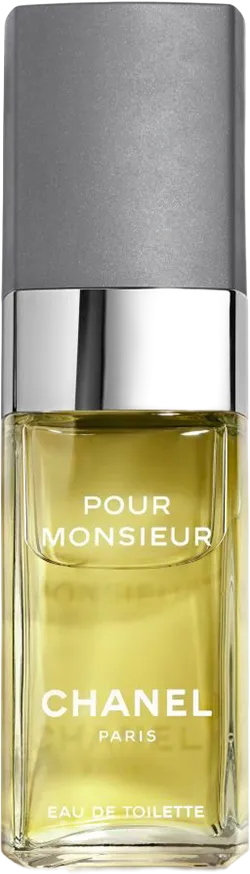 POUR MONSIEUR
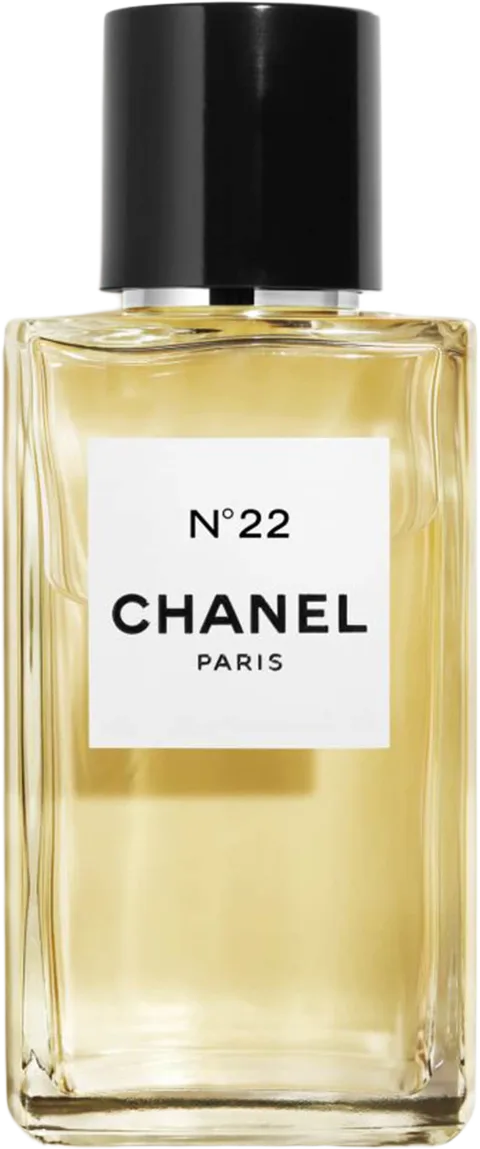 N°22
N°22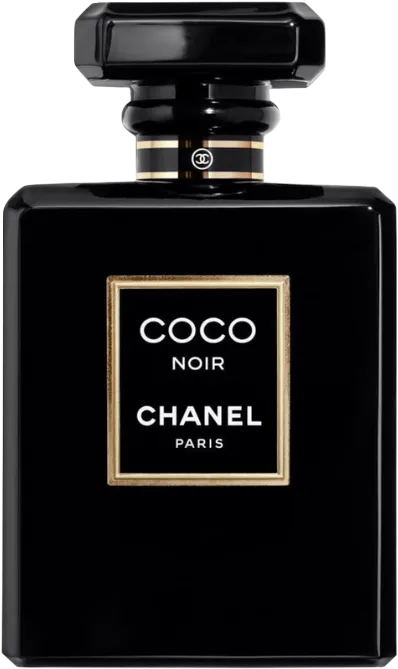 COCO NOIR
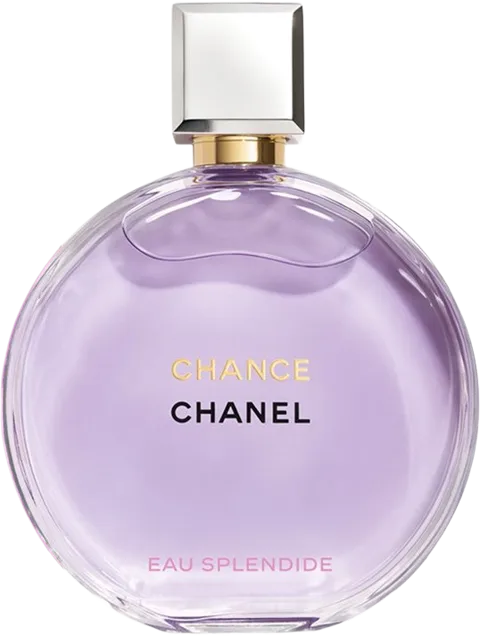 CHANCE EAU SPLENDIDE
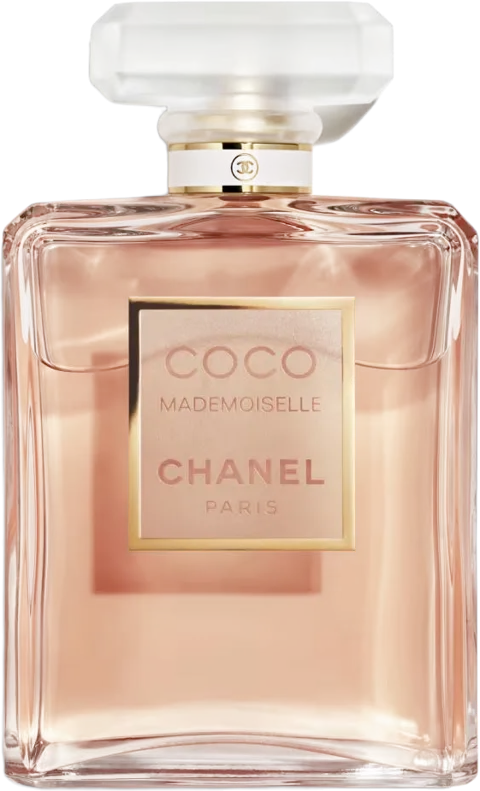 COCO MADEMOISELLE
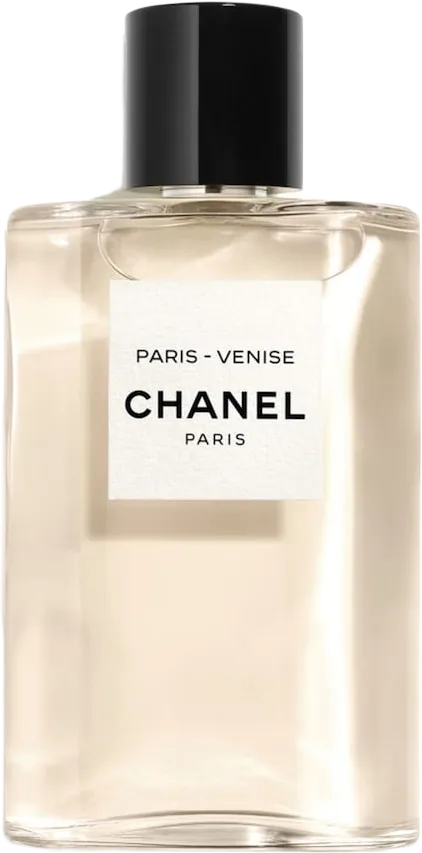 PARIS-VENISE
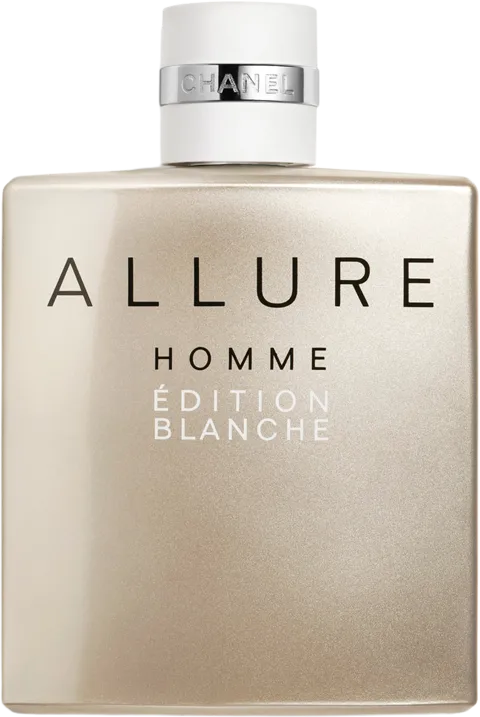 ALLURE HOMME ÉDITION BLANCHE
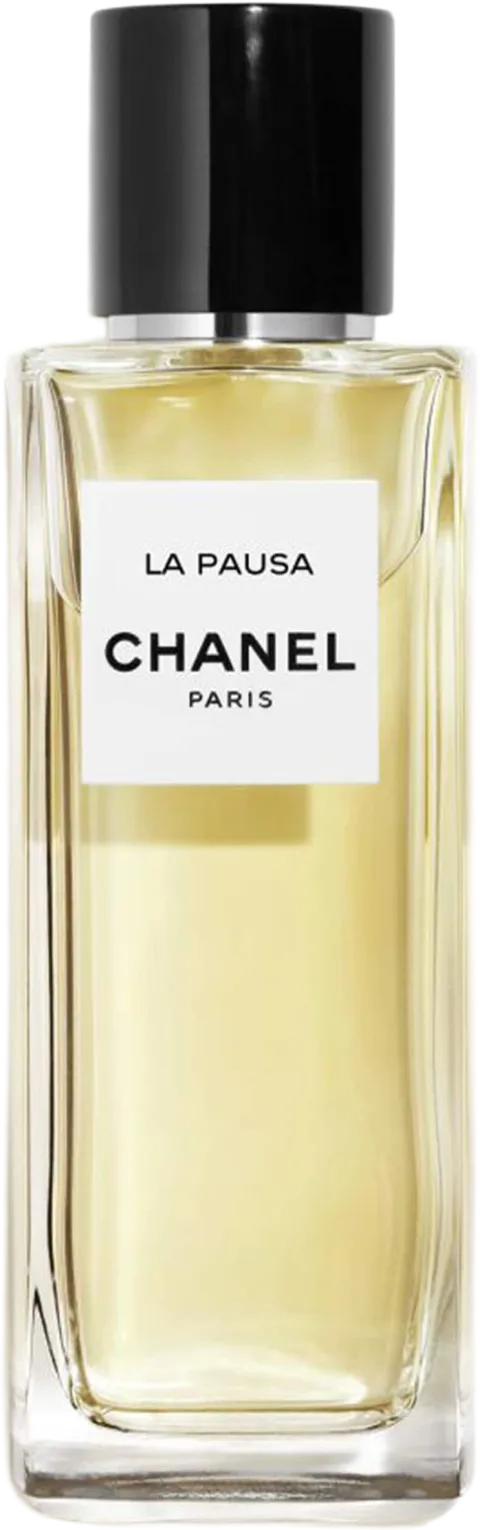 LA PAUSA
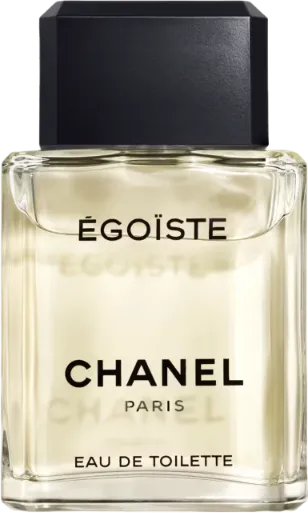 Égoïste
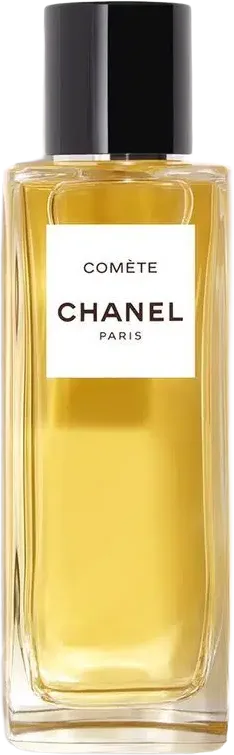 COMÈTE
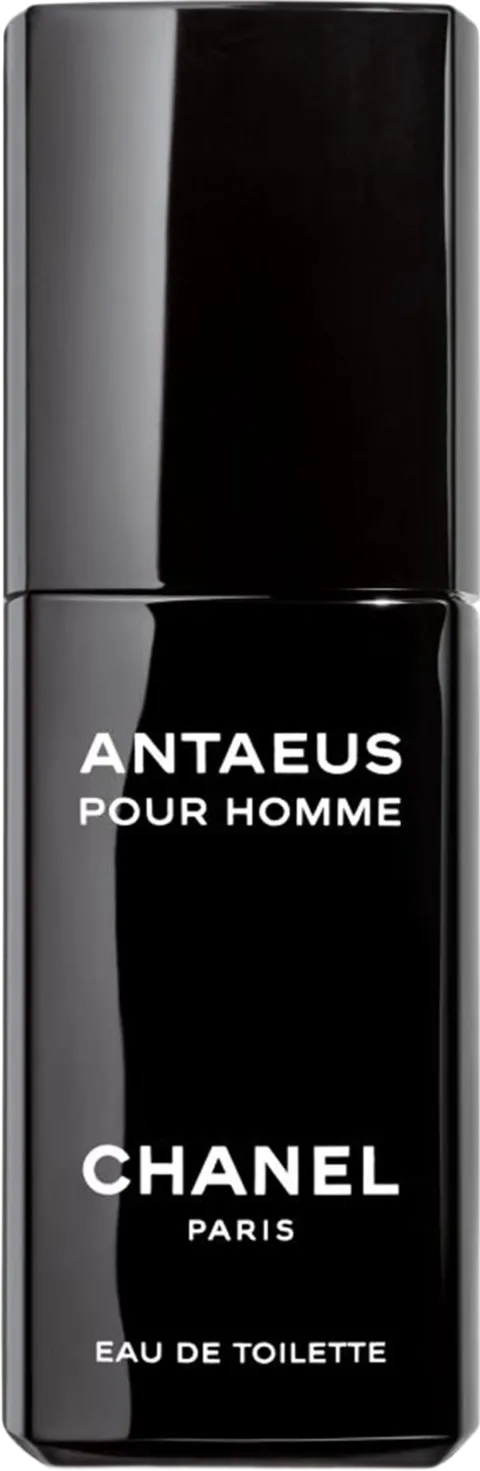 ANTAEUS
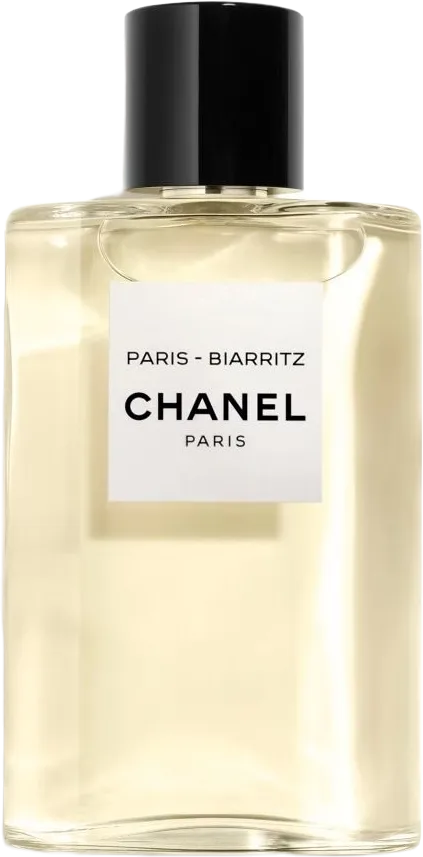 PARIS-BIARRITZ
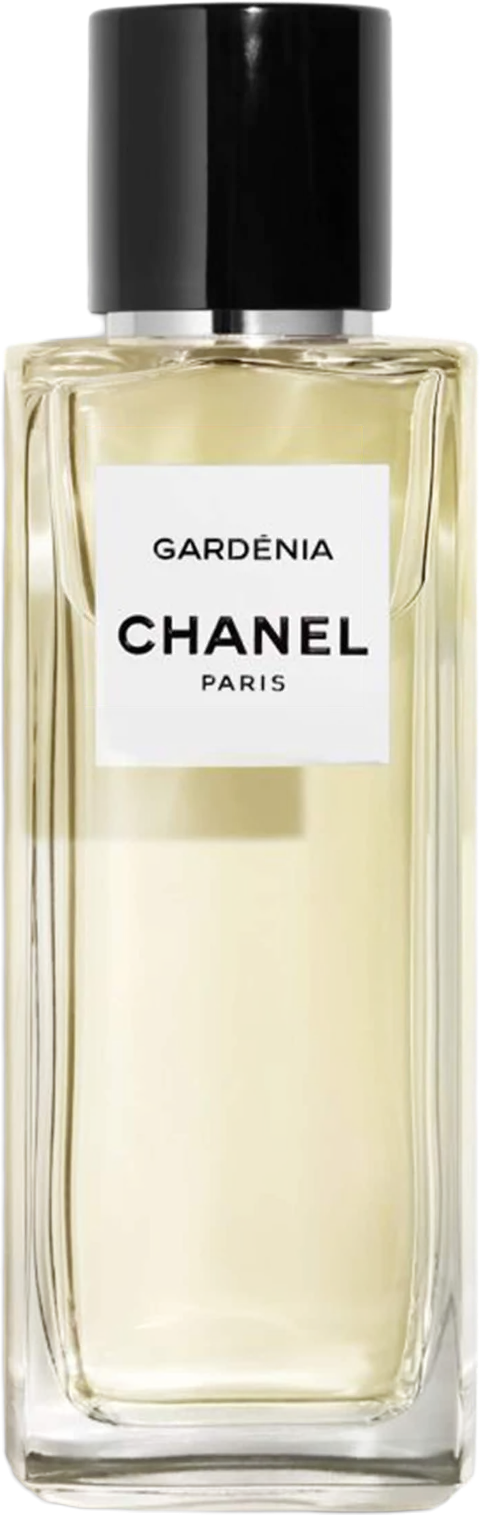 GARDÉNIA
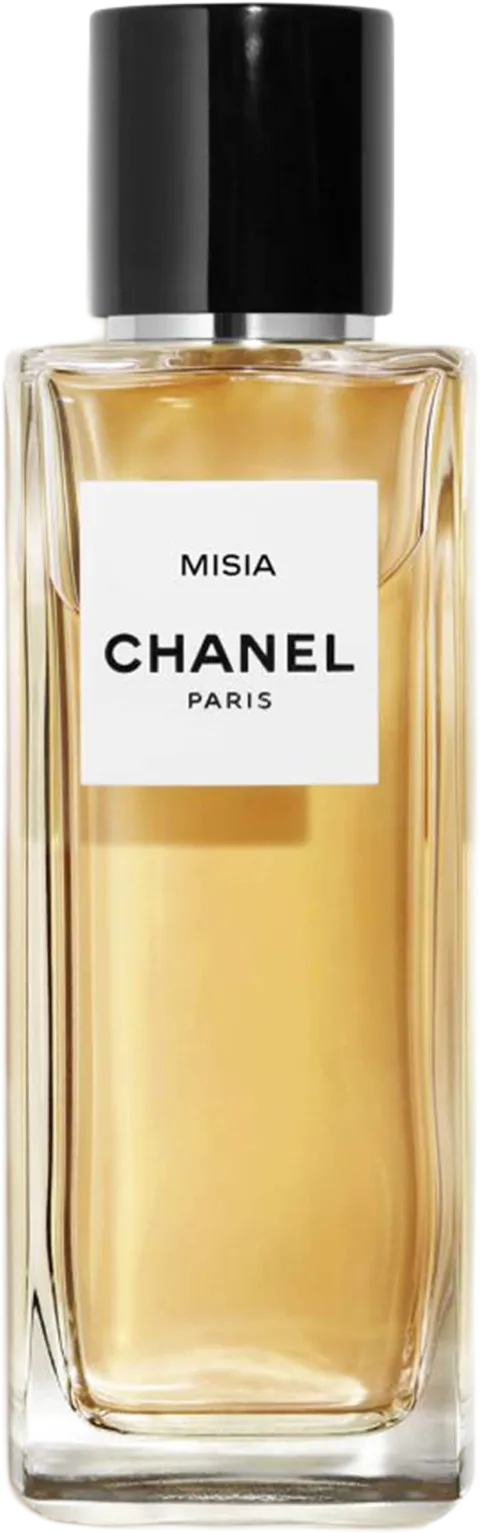 MISIA
MISIA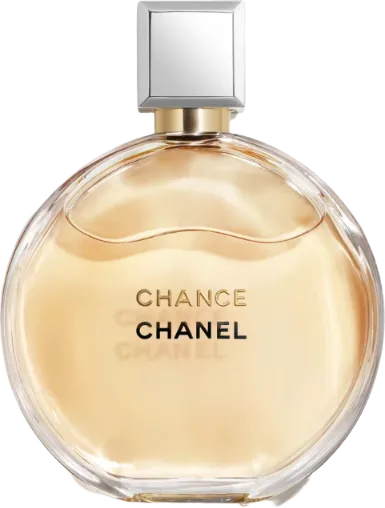 Chance
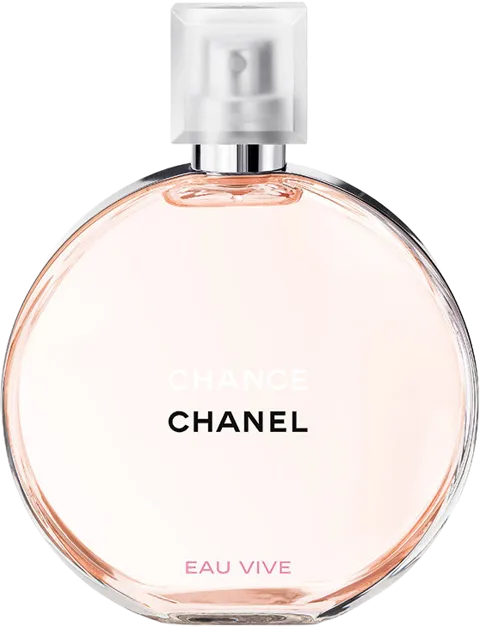 CHANCE EAU VIVE
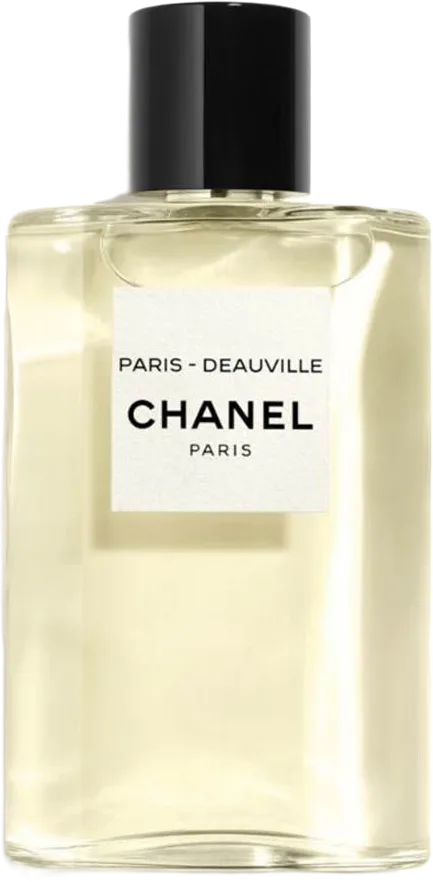 PARIS-DEAUVILLE
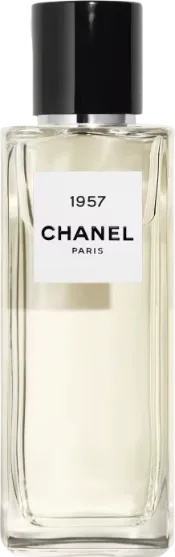 1957
1957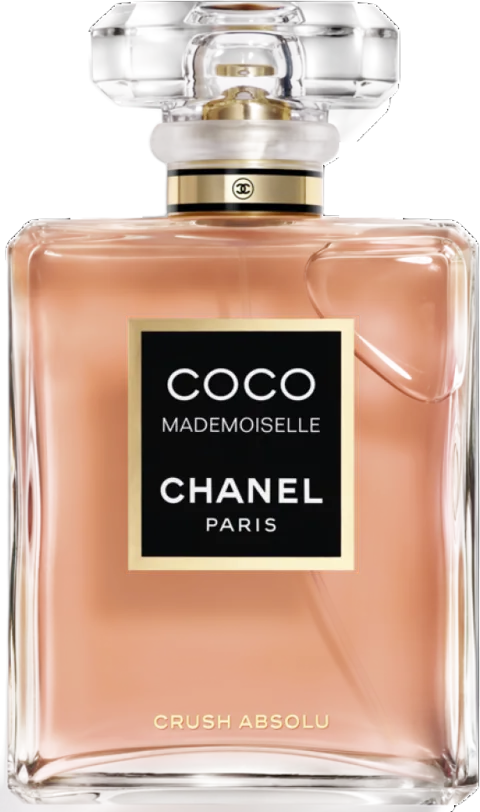 COCO MADEMOISELLE CRUSH ABSOLU
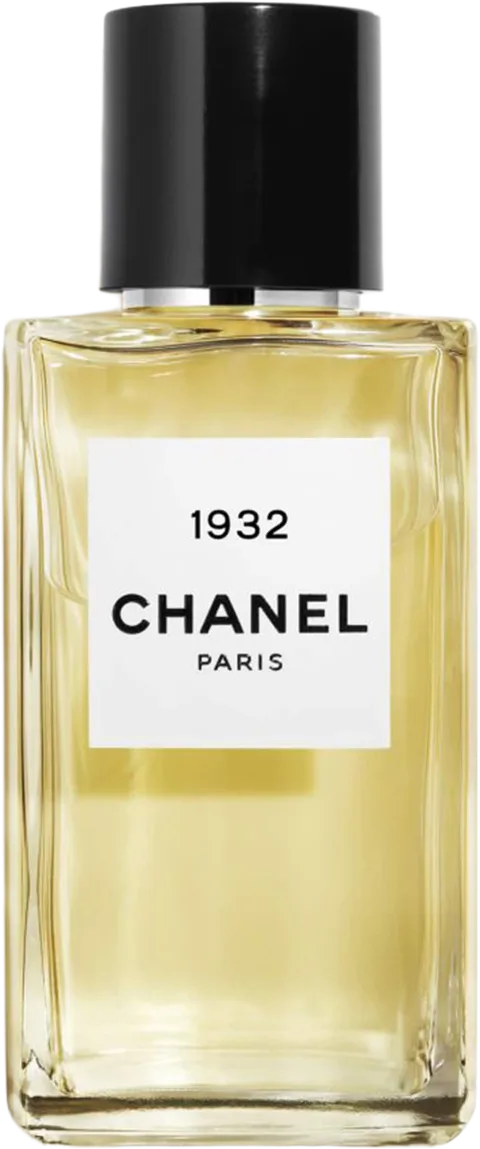 1932
1932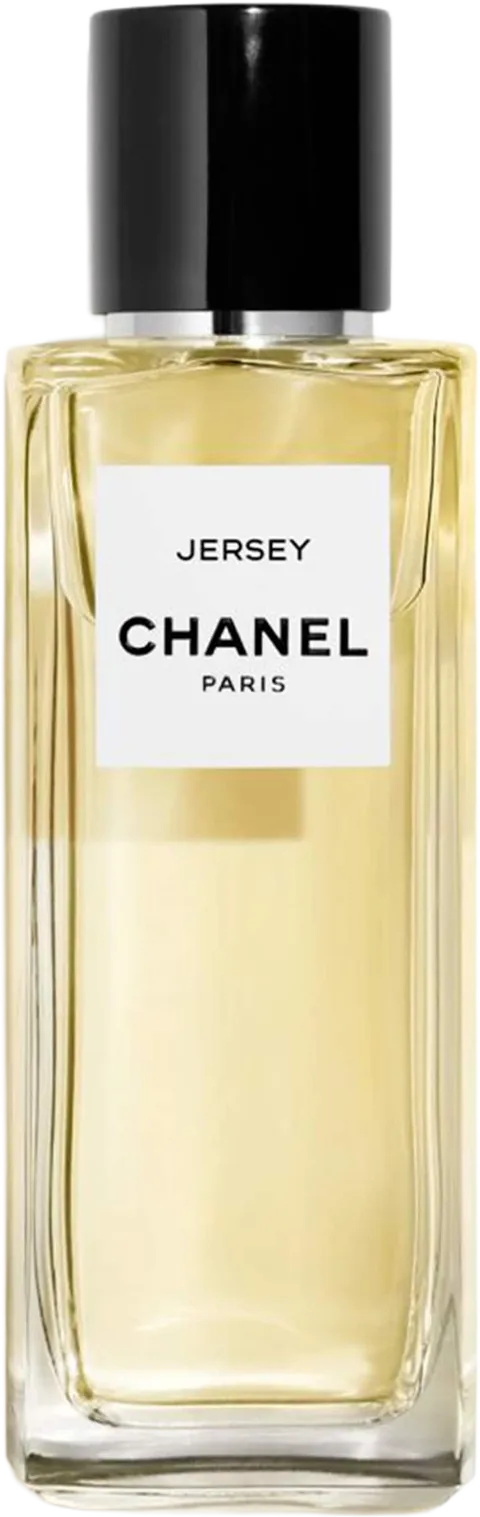 JERSEY
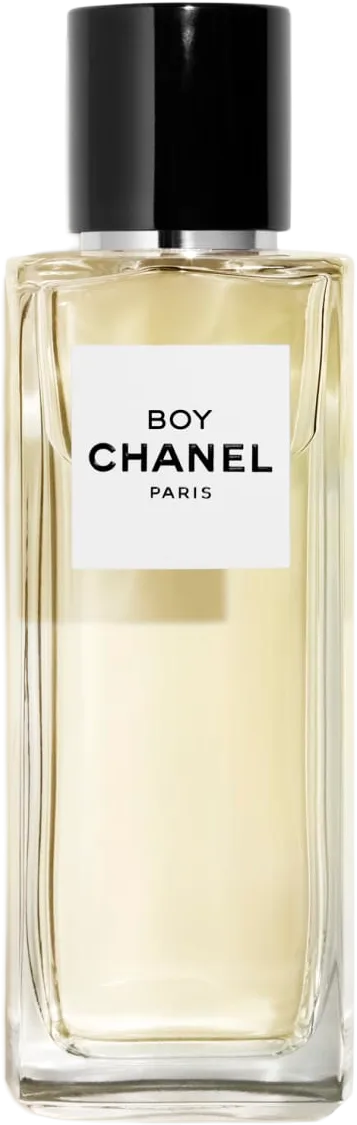 BOY CHANEL
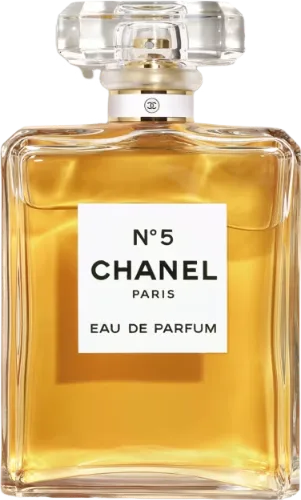 N°5
N°5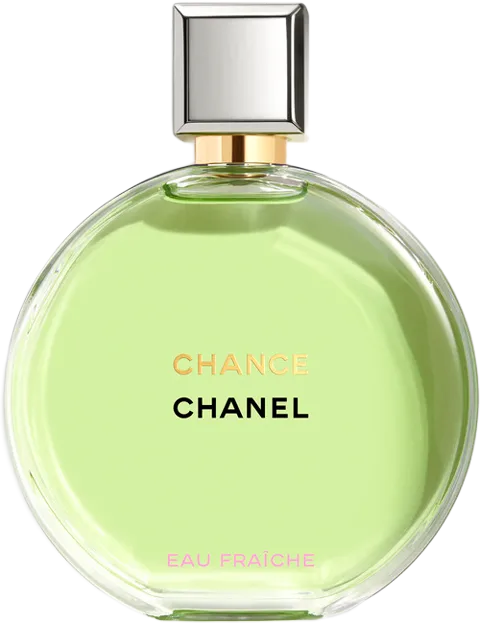 CHANCE EAU FRAÎCHE
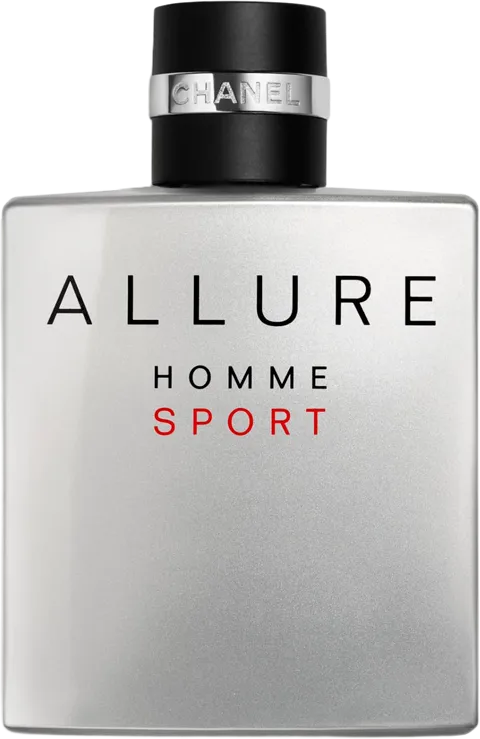 ALLURE HOMME SPORT
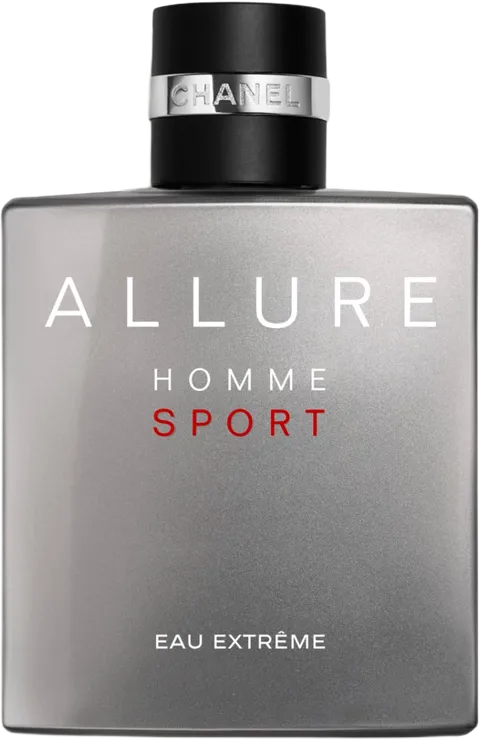 ALLURE HOMME SPORT EAU EXTRÊME
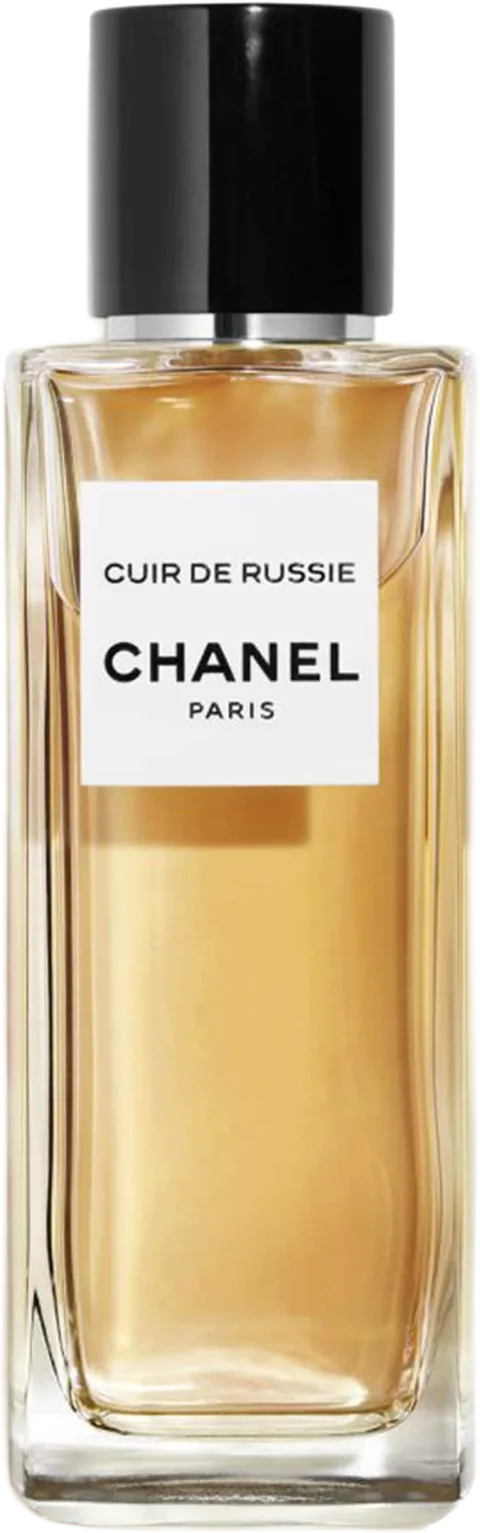 CUIR DE RUSSIE
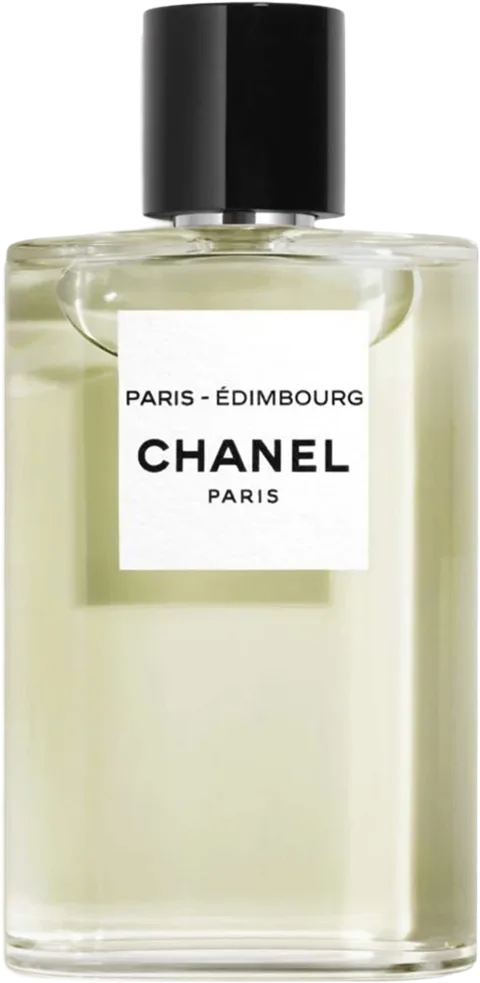 PARIS-ÉDIMBOURG
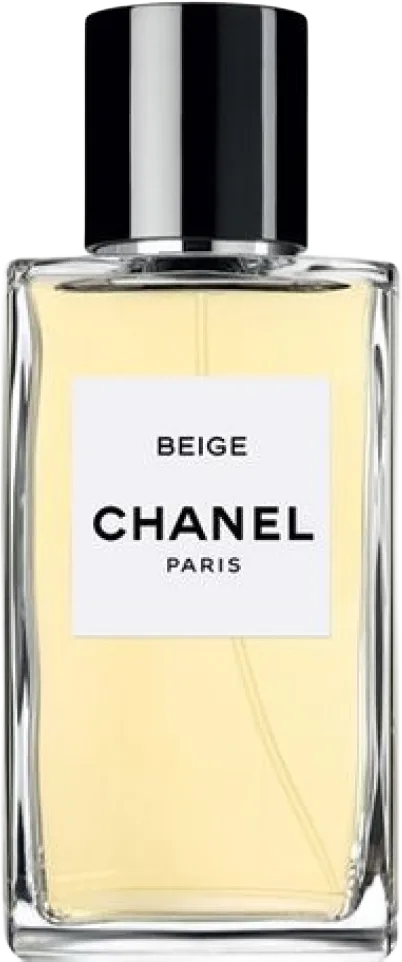 BEIGE
BEIGE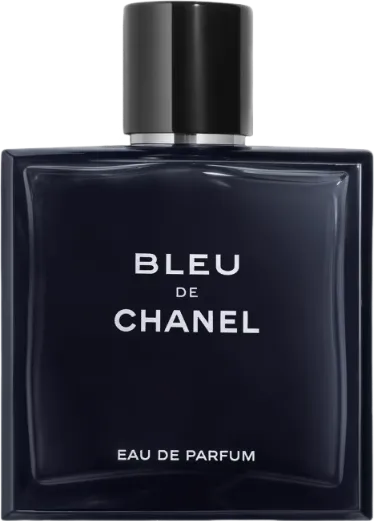 Bleu de Chanel
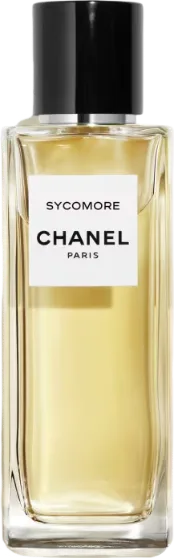 Sycomore
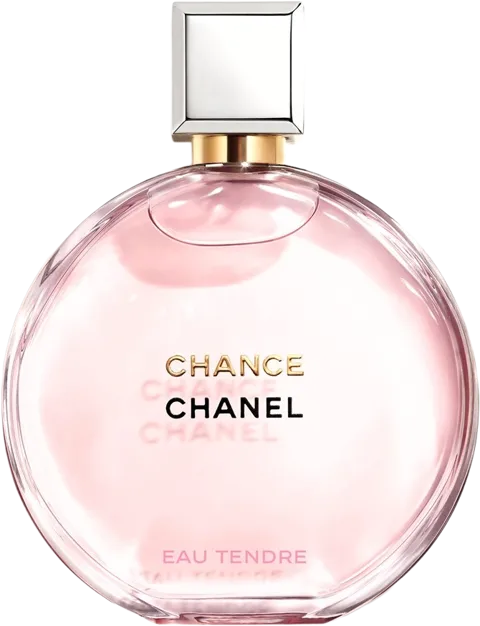 CHANCE EAU TENDRE
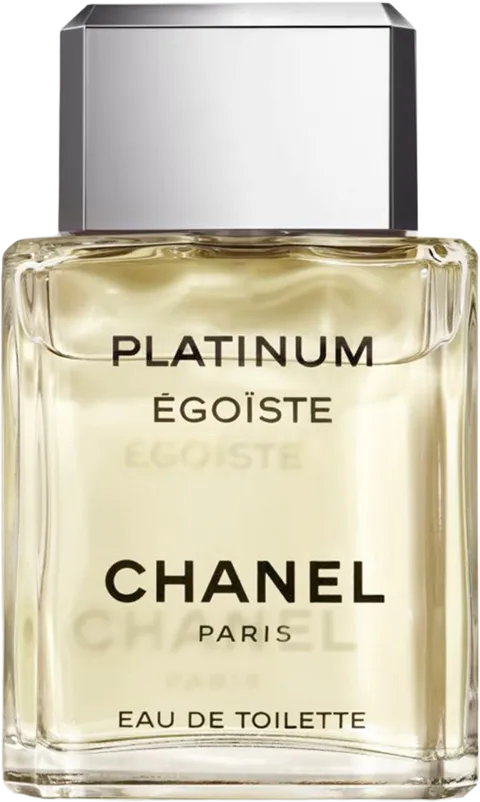 PLATINUM ÉGOÏSTE
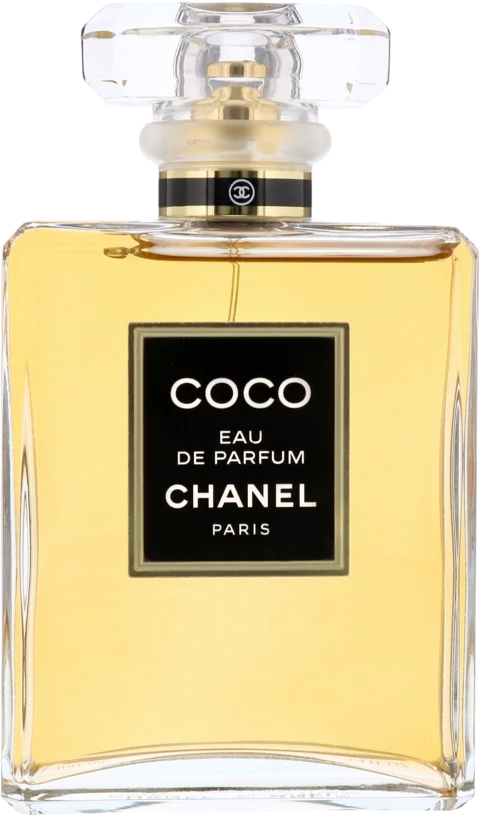 COCO
COCO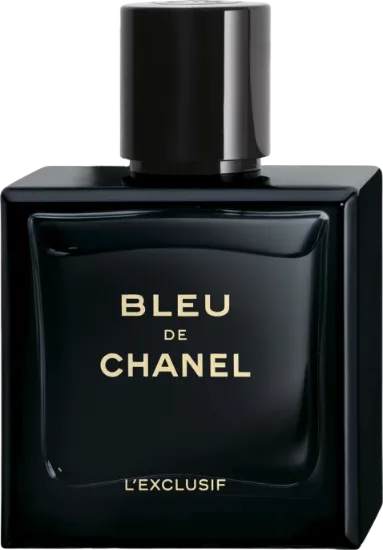 BLEU DE CHANEL L'EXCLUSIF
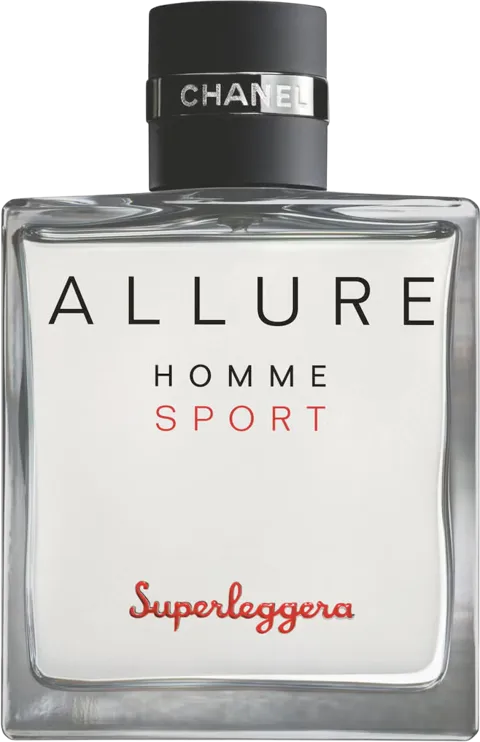 ALLURE HOMME SPORT SUPERLEGGERA
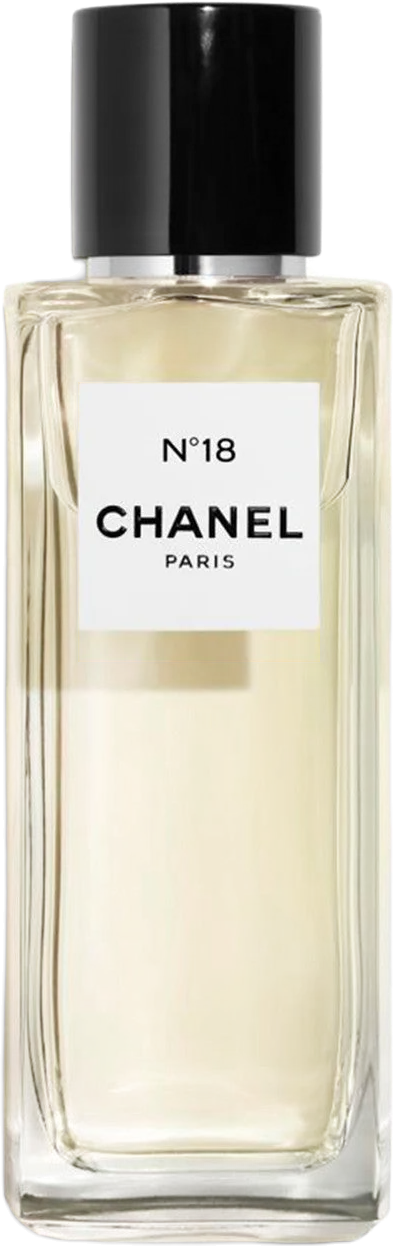 N°18
N°18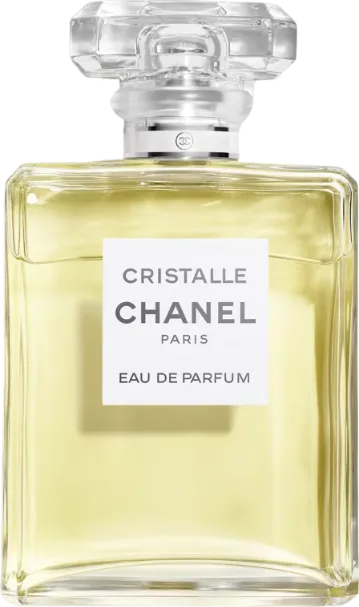 CRISTALLE
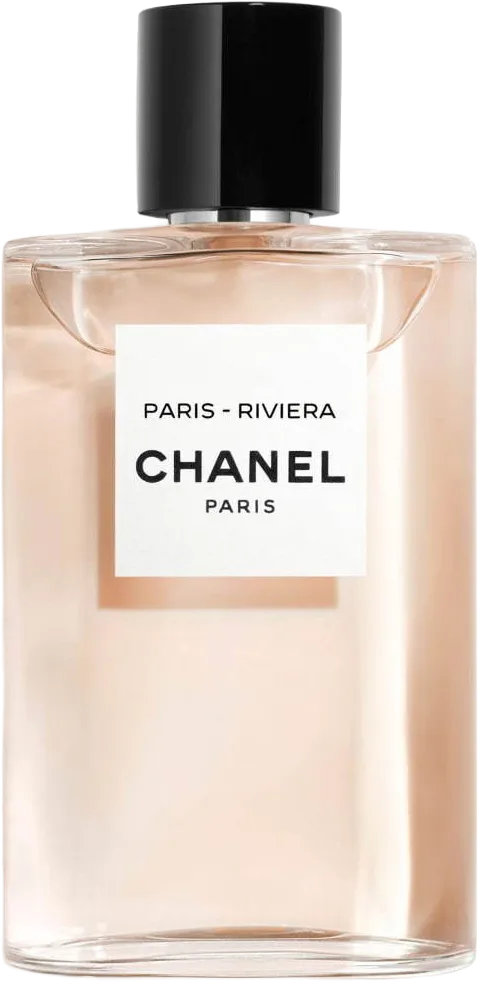 PARIS-RIVIERA
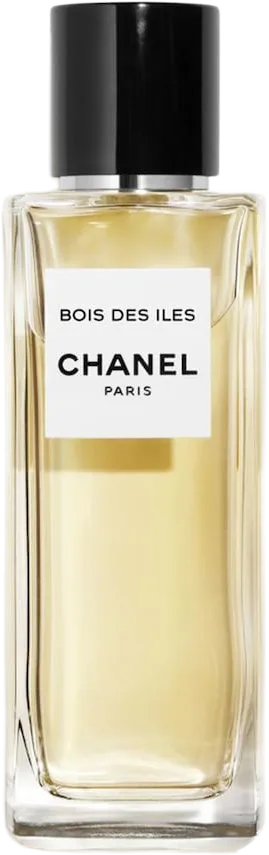 BOIS DES ILES
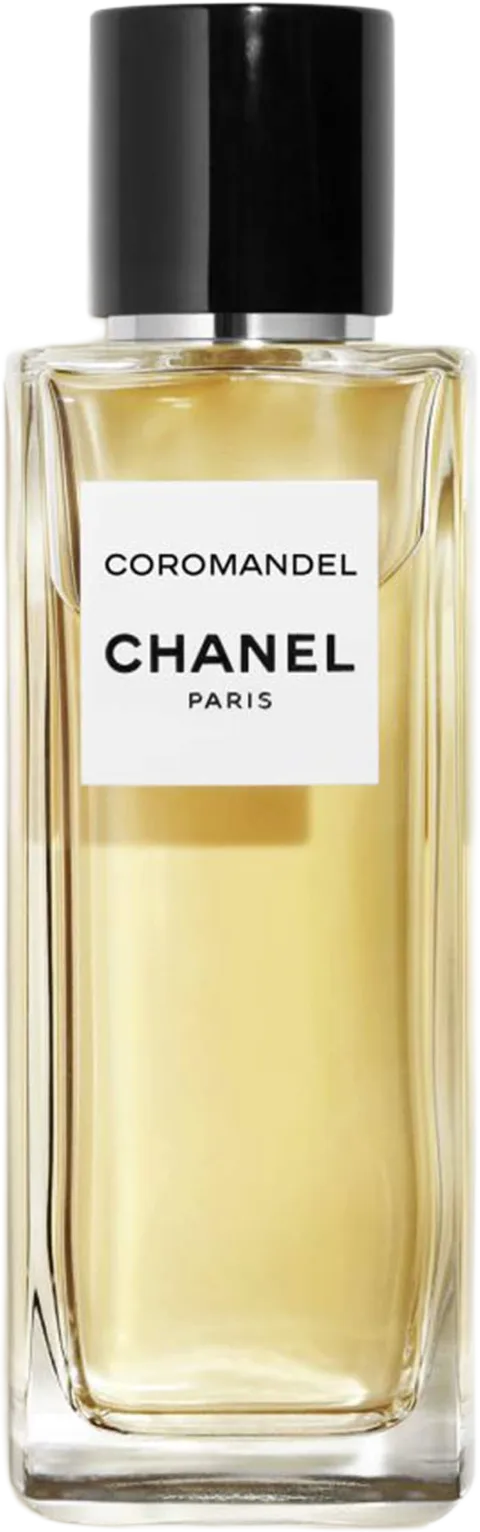 COROMANDEL
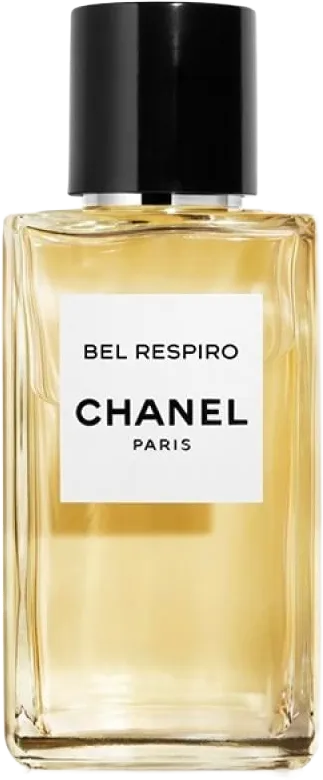 BEL RESPIRO
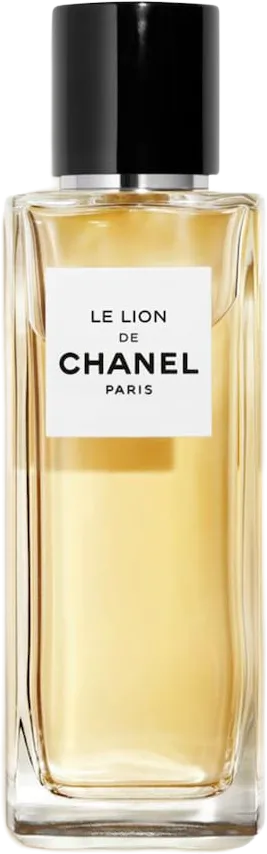 LE LION DE CHANEL
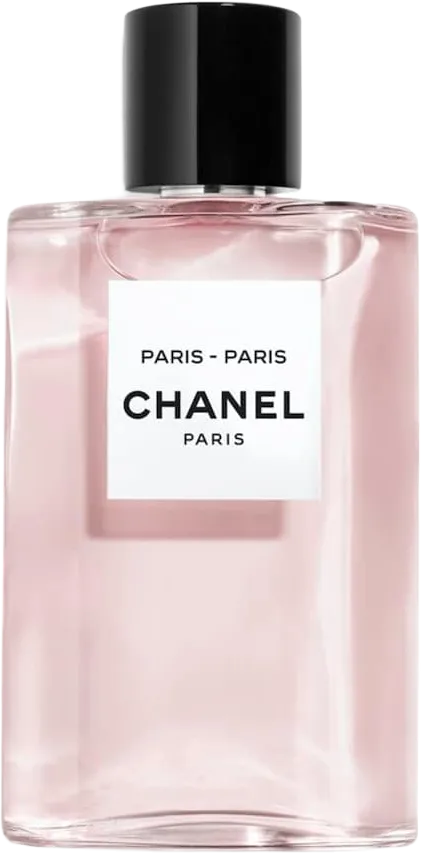 PARIS-PARIS
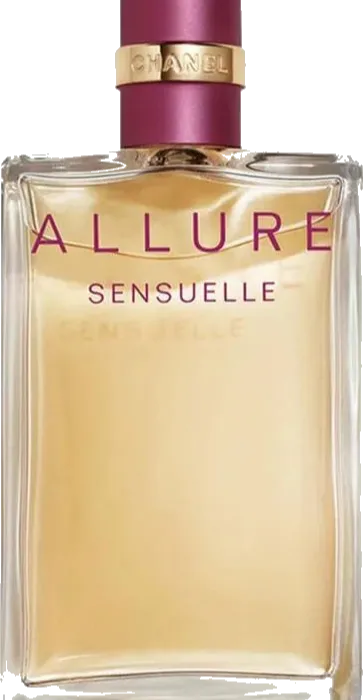 ALLURE SENSUELLE
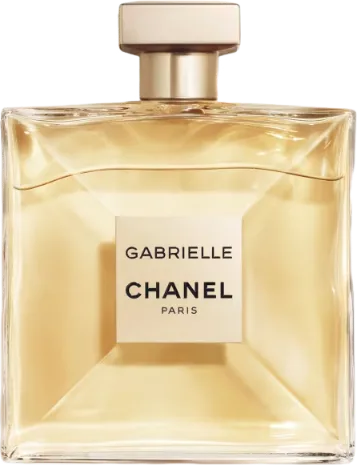 Gabrielle
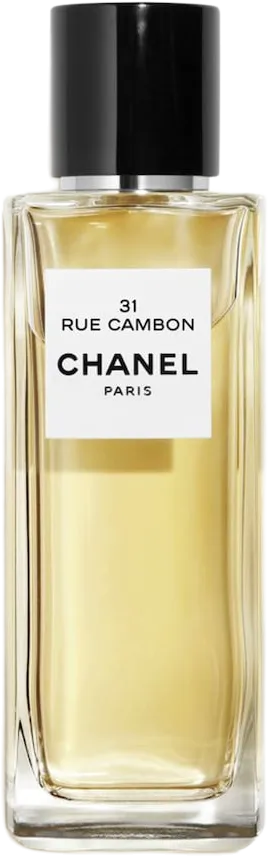 31 RUE CAMBON
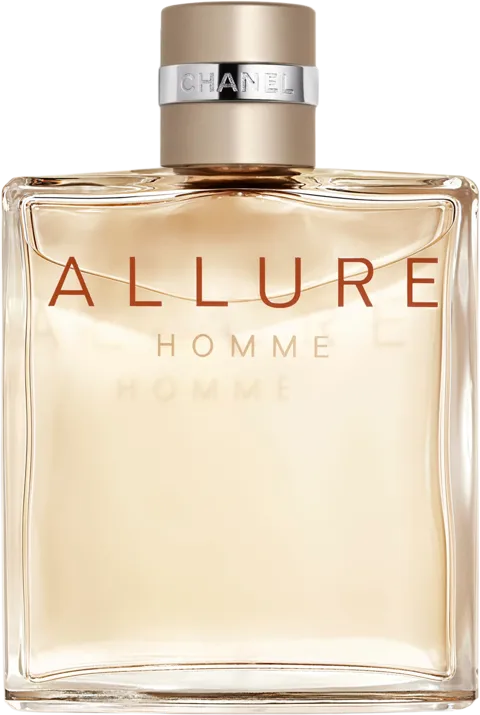 ALLURE HOMME
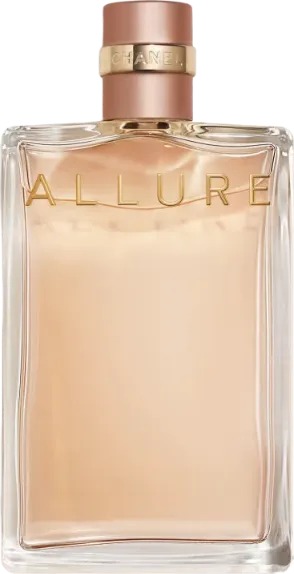 Allure
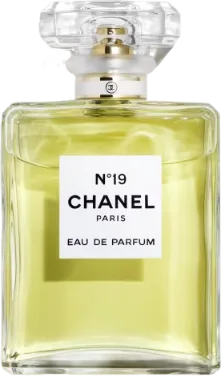 N°19
N°19