Bois Impérial Extrait
A 32% concentration amber-woody extrait by Essential Parfums that reveals the nocturnal side of Bois Impérial through black pepper, rose, labdanum, and fir balsam.
Perfumer: Quentin Bisch
🌸 Basic Information and First Impression
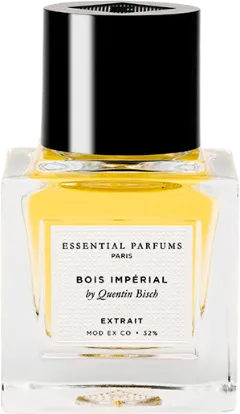
Bois Impérial Extrait is an Extrait de Parfum reinterpretation of Essential Parfums' signature Bois Impérial. The official profile presents it as a 32% concentration, 87% naturally derived, vegan, unisex fragrance made with beet-derived alcohol.
The key first impression is the idea of a nocturnal facet. Where the original Bois Impérial is often described as a fresh, mineral, modern woody fragrance, the Extrait is darker, richer, warmer, and more resinous. It opens with black pepper and vivid spicy lift, then moves into dense woods touched by rose, before settling into labdanum, fir balsam, Akigalawood, and a leather-like amber resin.
In one phrase, it is a night forest deepened by black pepper and amber. It can be powerful, but with restrained application it becomes a long-lasting shadow of woods and resin close to skin and clothing.
👤 Perfumer, Brand Background, and Creation Story
The perfumer is Quentin Bisch, a Givaudan perfumer associated with Bois Impérial, Ganymede, Delina, Good Girl, La Belle, and Fleur Narcotique. He is known for memorable signatures, modern diffusion, and strong material contrasts.
The official creative idea is not simply to make the original stronger. The Extrait emphasizes the contrasts of Bois Impérial: black pepper sharpens the spice, Atlas cedar and rose enrich the heart, and labdanum with fir balsam gives the woody signature a sweeter, darker, more sensual base. This is the blueprint of the fragrance.
Essential Parfums was founded in Paris in 2018 and places the perfumer at the center of the brand. Its restrained packaging, visible perfumer credits, sustainable sourcing, and transparent formula claims all support the same philosophy: reduce noise around the perfume and let the composition speak.
🧪 Detailed Scent Analysis (Top, Middle, Base)
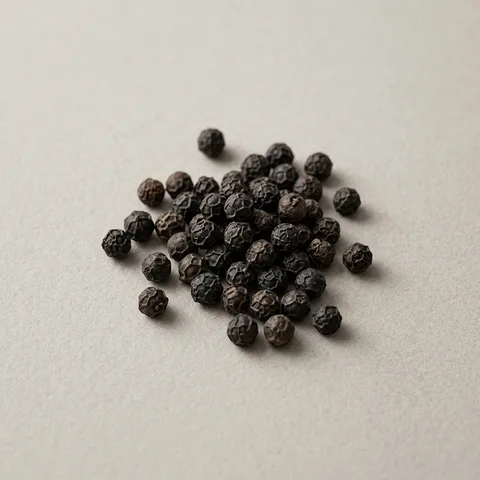
The top notes are Thai basil accord, Timut berry, and black pepper essence. The fragrance begins with bright herbs and spices. Timut berry gives a tingling citrus-like spark, while black pepper adds dry heat. There is still a trace of the original's freshness, but the Extrait feels thicker and more concentrated from the beginning.
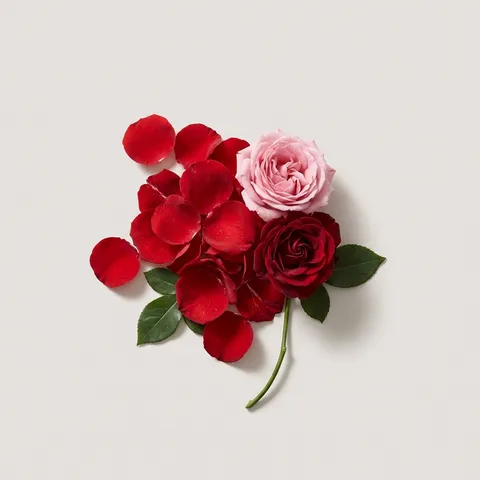
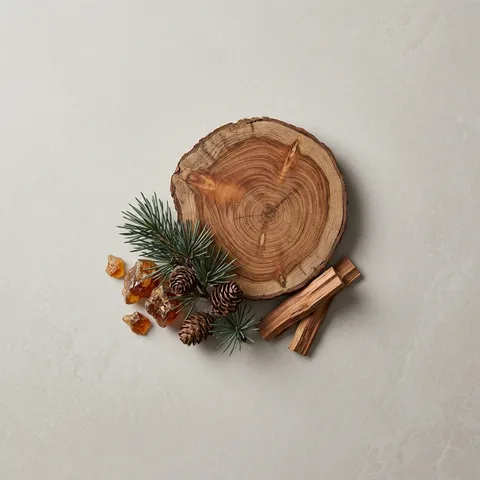
The heart is built around Atlas cedar essence, vetiver essence, Georgywood, and rose neo absolute. This is where the scent becomes more than dry wood. Rose does not turn it into a rose perfume; instead, it adds color, density, and a sensual warmth to the wood. Atlas cedar gives vertical structure, while vetiver and Georgywood keep the wood grain clean and modern.
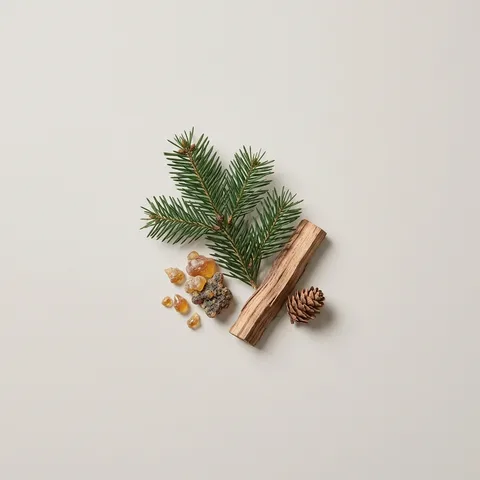
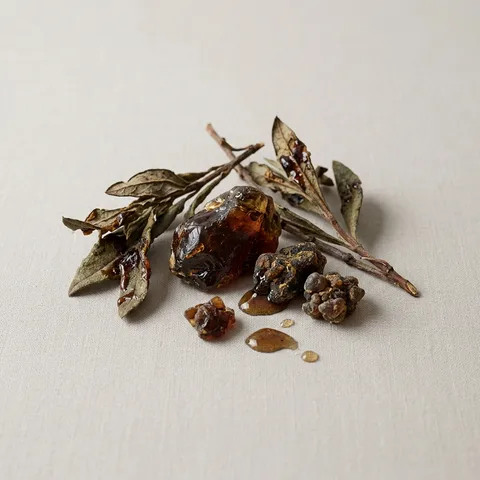
The base contains fir balsam, patchouli essence, Akigalawood, and labdanum resinoid. This is the deepest part of the fragrance. Labdanum brings amber and leather, fir balsam adds conifer resin, Akigalawood keeps the woody line spicy and modern, and patchouli grounds the structure. The official language suggests an effect lasting into the end of the night and beyond, and user impressions often describe strong longevity.
⚖️ Comparison and Positioning
The most useful comparison is Marc-Antoine Barrois Ganymede, another Quentin Bisch fragrance linked to a modern mineral-woody signature and Akigalawood-like effects. Ganymede is more mineral, suede-like, futuristic, and abstract. Bois Impérial Extrait is warmer, darker, and more amber-woody because of rose, labdanum, and fir balsam.
Le Labo Another 13 is relevant as a clean, skin-adjacent modern woody reference. Another 13 is more minimal, musky, and ambroxan-centered; Bois Impérial Extrait adds black pepper, rose, resin, and leather-like darkness. Tom Ford Grey Vetiver shares a clean vetiver-woody vocabulary, but Bois Impérial Extrait is more resinous, nocturnal, and formal.
🛒 Buying Guide, Price, and Recommendation
The official French site lists Bois Impérial Extrait as a 30 ml fragrance at 98 euros, while Japanese retail sources present it at 27,500 yen including tax. Because it is a 32% extrait with notable persistence, it is not the kind of perfume that needs heavy daily spraying.
Testing before buying is strongly recommended. The Akigalawood, black pepper, labdanum, and fir balsam structure is clear and distinctive. If choosing between the Eau de Parfum and the Extrait, the EDP is the more natural option for daytime and office use, while the Extrait suits evening wear, autumn and winter, darker clothing, and people who want a deeper trail.
💬 Real-World Wear, Scenes, and Reputation
The best seasons are autumn, winter, late autumn, and cold nights. It fits black coats, wool, knitwear, leather accessories, and quiet formal settings. It can work on spring nights or in air-conditioned spaces, but it may feel too dense in hot daytime weather or active settings.
Recommended scenes include quiet dinners, bars, galleries, evening dates, and more dressed-up outings. It is best worn in small amounts so that the scent stays close and deep rather than overwhelming a room. Common impressions emphasize longevity, dark woods, pepper, resin, amber, and a polished high-impact character. Its strength is also the reason it can divide opinion: it is not a soft transparent clean scent, but a woody fragrance with temperature, shadow, and a long nocturnal finish.