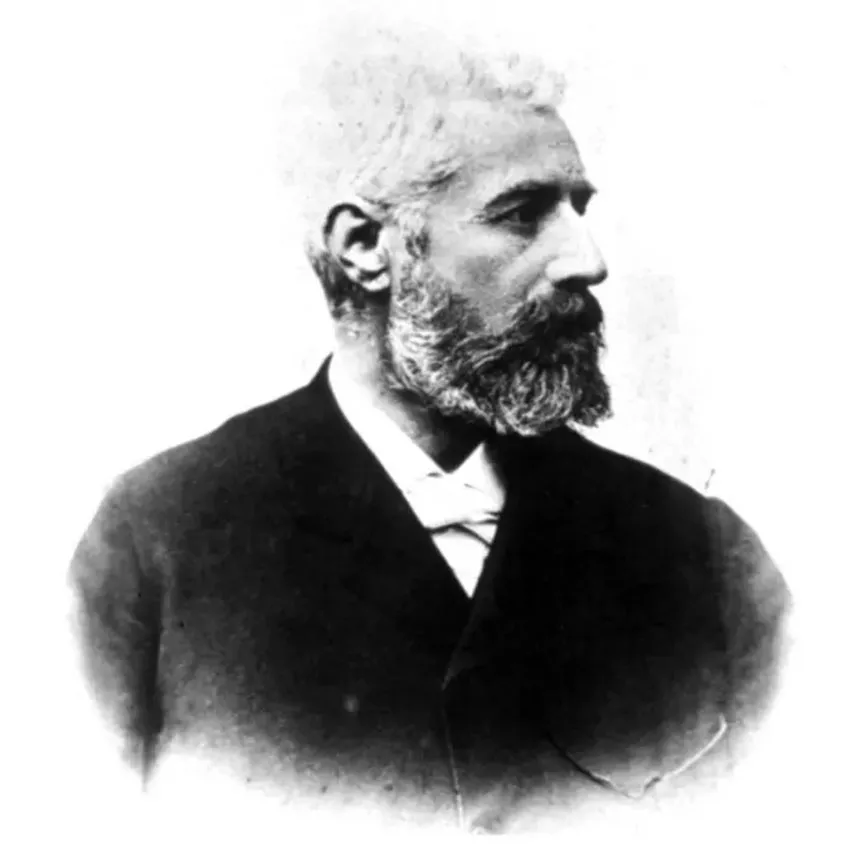
Aimé Guerlain
A French perfumer who carried the Guerlain family tradition into modern fragrance composition and left a defining mark on the house.
France
About Aimé Guerlain
Aimé Guerlain (1834–1910) was a French perfumer and the second-generation head of the House of Guerlain, founded by his father Pierre-François-Pascal Guerlain in Paris in 1828. After his father's death in 1864, Aimé took over as master perfumer while his brother Gabriel managed the business. Over a career spanning nearly four decades, Aimé created several iconic fragrances that shaped the course of modern perfumery.
Career
Aimé was born in 1834 and lost his mother at age seven. He was educated in England before being trained in perfumery by his father. In 1862, his father transferred the business to Aimé and Gabriel, and by 1865 Aimé assumed full creative direction. He gained international recognition at the 1867 Exposition Universelle with his composition 'Bouquet de l'Exposition.' In 1890, he co-founded the Syndicat Français de la Parfumerie with Charles Gallet to advocate for the profession.
Creative Style & Philosophy
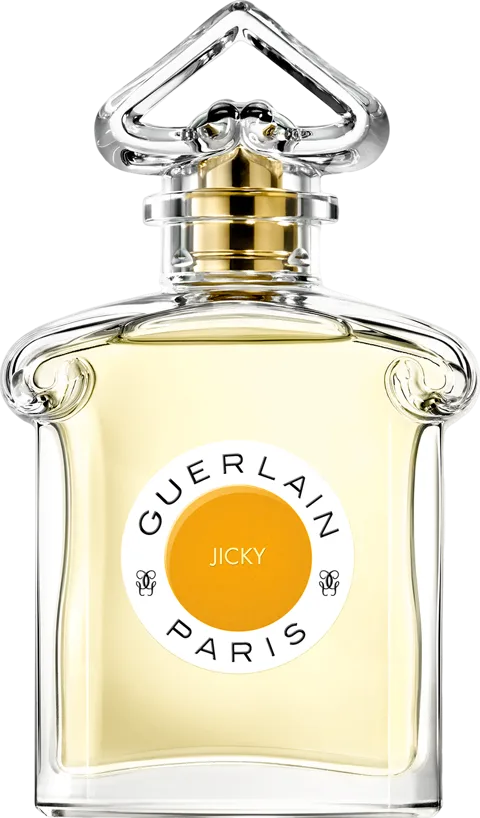
Aimé Guerlain is celebrated for his innovative use of synthetic raw materials alongside natural absolutes. His most famous creation, Jicky (1889), is widely regarded as the first modern perfume, blending coumarin (a synthetic isolate from tonka bean) with natural essences like lavender and vanilla. This bold approach marked a departure from traditional floral compositions and established a new olfactory language.
Signature Works
- *Jicky (Guerlain, 1889)* — An aromatic fougère that connects lavender and bergamot freshness with the warmth of coumarin and vanilla; its bold use of synthetics beside naturals made it a turning point in modern perfumery.
- *Fleur d'Italie (Guerlain, 1884)* — A classical floral from the period before Jicky, documenting Aimé's work with nineteenth-century bouquet structures before his later modernist breakthrough.
- *Rococo (Guerlain, 1887)* — A late-nineteenth-century powdery floral, positioned between the elegance of classical bouquet perfumery and the more radical structures that followed.