Wasanbon
A traditional Japanese premium sugar used as a delicate, refined sweetness reference with soft butter-honey-caramel nuances.
Aromatic
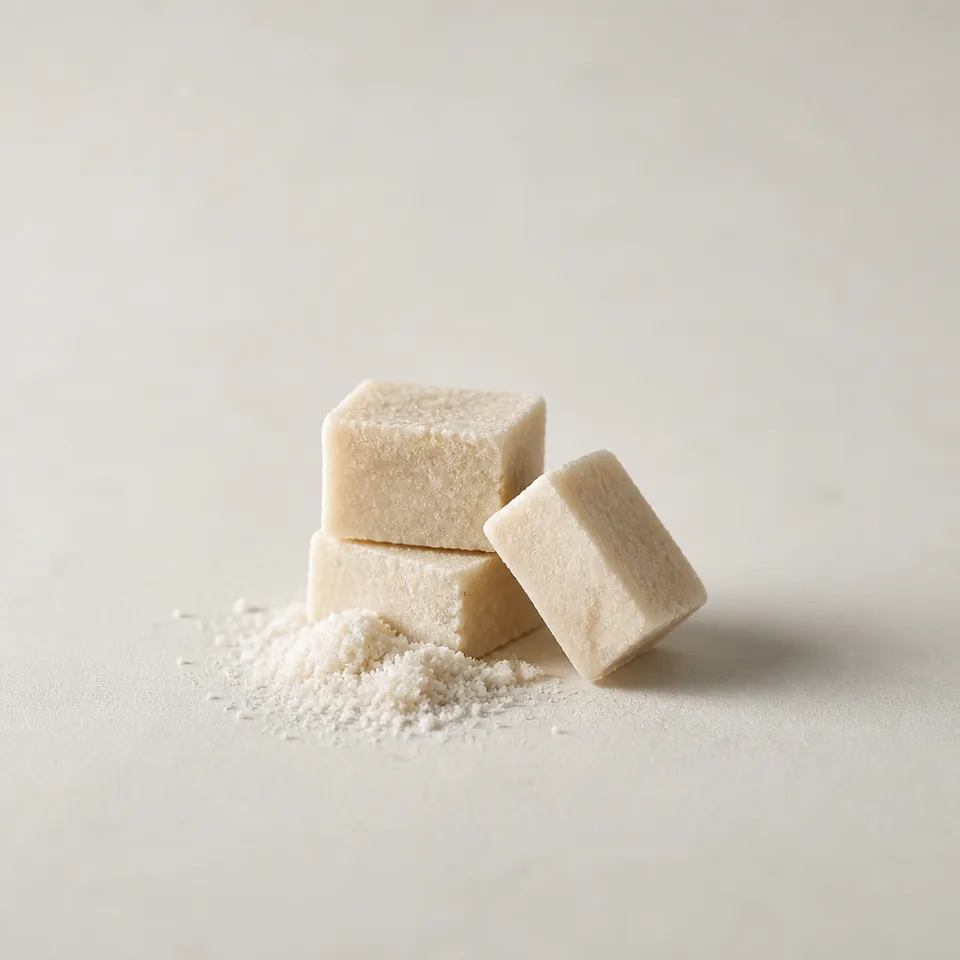
About Wasanbon
Wasanbon is a traditional Japanese premium sugar, not a perfume material in the botanical or molecular sense, but a food-derived sweet accord often referenced for its scent impression. It is produced mainly in Tokushima and Kagawa in Shikoku, using refined local sugarcane varieties and a labor-intensive process that removes most molasses while preserving a small amount of character. The result is a fine, pale-golden, highly soluble sugar prized in wagashi for its delicate texture and restrained sweetness. In aroma-description terms, wasanbon is associated with a soft, gentle sweetness with hints often described as butter, honey, caramel, and a faint brown-sugar roundness rather than a sharp sugary blast.
Scent Profile
In perfumery language, wasanbon would be classified as a **food/beverage impression** rather than a natural extract or a captive aroma chemical. A fragrance note built around it would typically suggest airy sweetness, polished texture, and a clean, refined sugar character with a subtle edible warmth. Because wasanbon is a real sugar with regional production standards and variable processing, its sensory profile can differ by maker and by residual molasses content.
Use in Perfumery
Wasanbon can be used as a focal effect or as an accent that adds texture and definition to a wider composition. Its exact impression depends on dosage and on the materials surrounding it.