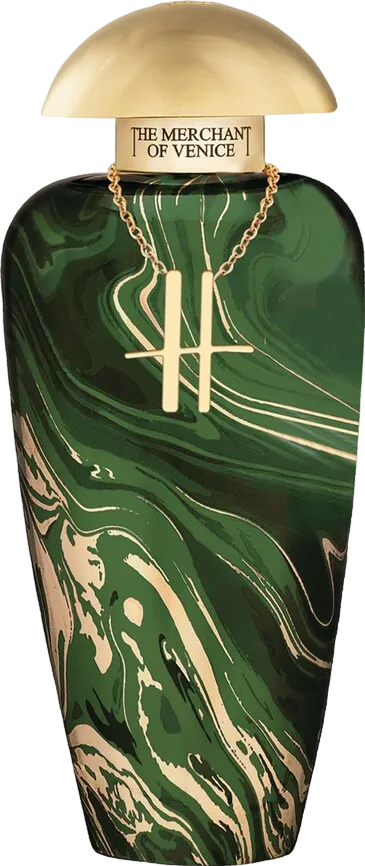
Tree Bark
A dry, woody, textured note evoking the outer covering of woody plants, often rendered as a bark accord rather than a single extract.
Woody
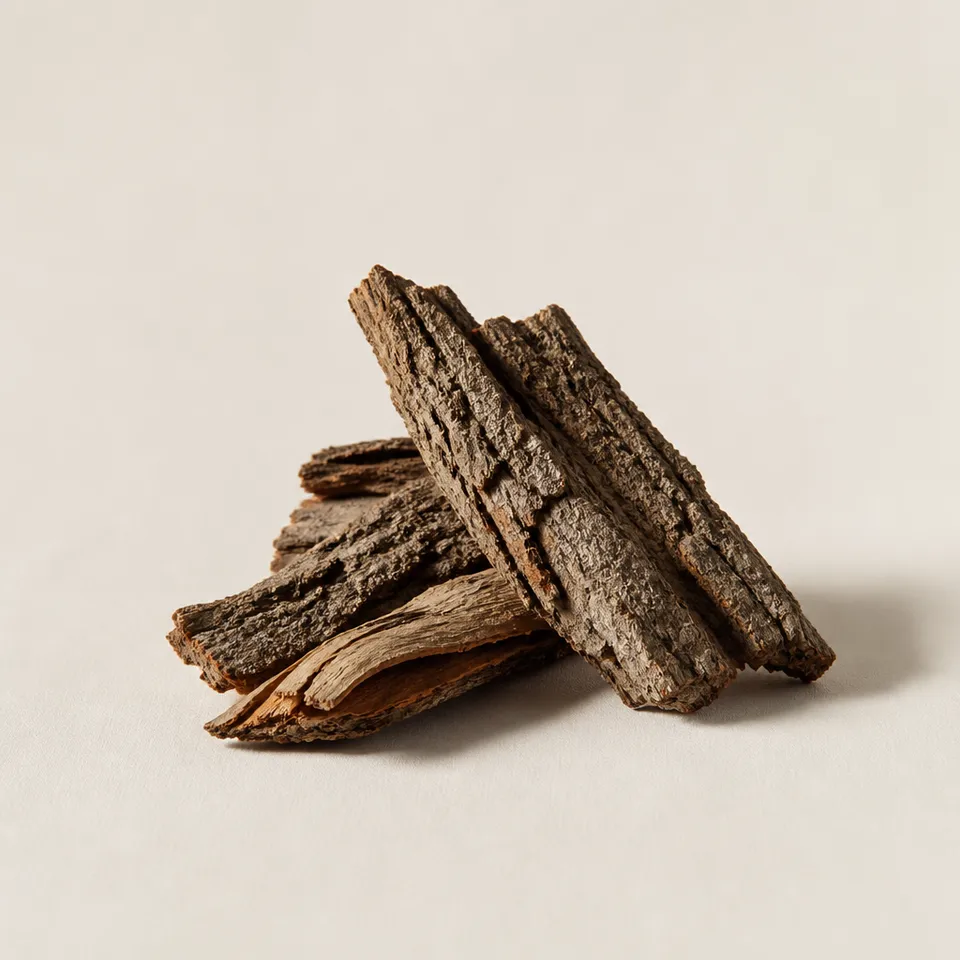
About Tree Bark
**Tree Bark** is a **generic natural-material note** that refers to the scent impression of a woody plant’s outer covering rather than to one single botanical source or a standardized extract. In botanical terms, bark is the outer tissue of woody plants, and it varies widely by species, age, climate, and condition; that variability is part of why perfumers use “tree bark” as an olfactory idea rather than a fixed raw material.
Scent Profile
The smell associated with tree bark is typically **dry, woody, rough, resinous, earthy, and tannic**, sometimes with a faint mossy, bitter, or smoky edge. A fresher interpretation may suggest sap-soaked wood, while a more aged one can read as cracked, papery, and mineral. Because bark itself is structurally complex and serves as the tree’s protective outer layer, the note often evokes a tactile impression of thickness, texture, and weathering.
Use in Perfumery
In perfumery, tree bark is usually built as an **accord** or suggested through woody, dry, and slightly bitter materials rather than through a single “bark” essence. It can support forest, woody, incense, leather, and aromatic compositions by adding a sense of natural dryness and protective shell-like texture. It is best understood as an abstracted odor profile inspired by bark’s appearance and role in the living tree, not as a precise botanical ingredient with one universal formula.