Tamarind
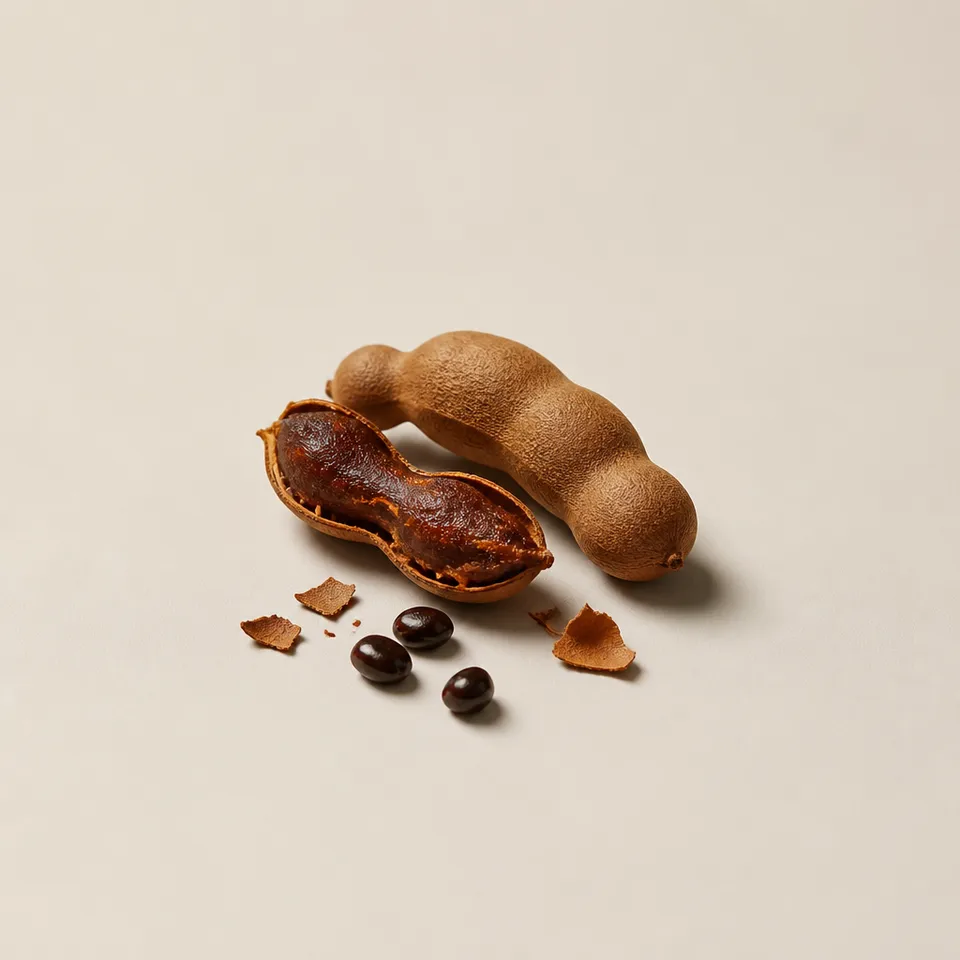
A fruity note evoking tamarind pulp through vivid acidity, dark sweetness, spice, and sticky density.
Fruity
About Tamarind
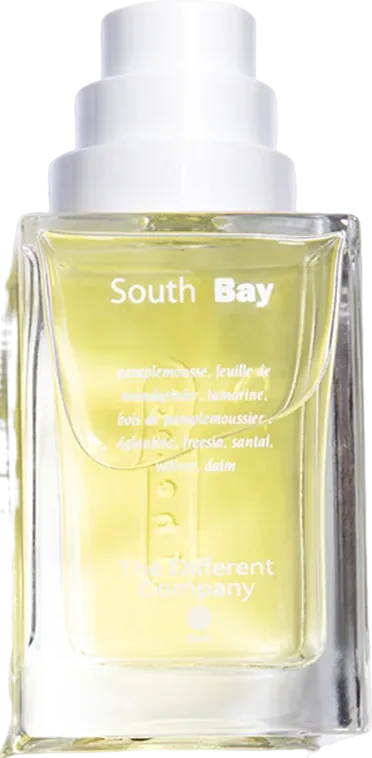
Tamarind is catalogued here as a fruity, faintly spicy note referring to the tart dark pulp of tamarind. The Different Company places tamarind between grapefruit and mandarin leaf in the tangy citrus opening of South Bay. In a perfume note list, this wording communicates an intended olfactory image; it is not a complete ingredient declaration and does not by itself prove that the named object is physically present. Kew confirms the acidic pulp of Tamarindus indica, while the perfume page does not identify a natural fruit extract or formula.
Scent Profile
Its working profile suggests vivid fruit acidity, dark brown-sugar-like sweetness, slightly earthy density, and a mild spicy edge beside citrus. These descriptors concern smell, temperature, and texture rather than taste or touch. Depending on the materials around it, the impression may become brighter, denser, drier, softer, sweeter, or more transparent. Citrus can sharpen its outline; flowers can soften or expand it; woods, amber, and musk can extend its warmth or persistence without turning the note name into a literal ingredient statement.
Use in Perfumery
It can add a different acidity between grapefruit and mandarin, then carry an energetic fruit line into florals, vetiver, suede, and sandalwood. It may act as a featured theme or as a linking texture between fruity, floral, woody, spicy, gourmand, and musky parts of a composition. The cited product usage confirms the note name and its position or context in at least one fragrance, but it does not disclose the full recipe. Perceived sweetness, projection, diffusion, and persistence depend on dosage, concentration, and surrounding materials. It avoids unsupported claims about extraction, exact chemistry, natural-versus-synthetic percentage, regulatory status, or effects beyond scent.