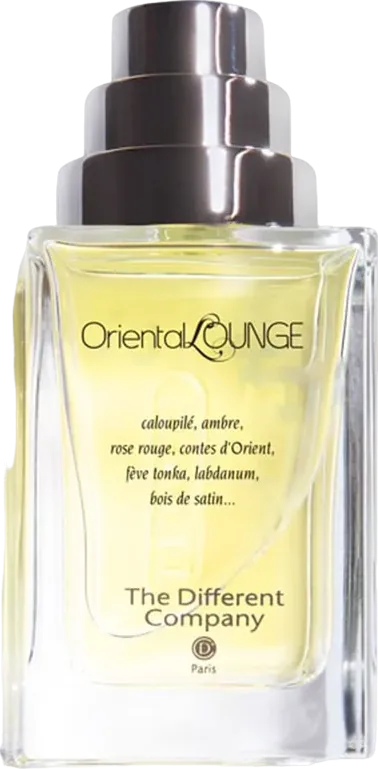
Satin wood
A smooth woody accord evoking satin-like sheen, supple texture, warm polish, and quiet depth.
Woody
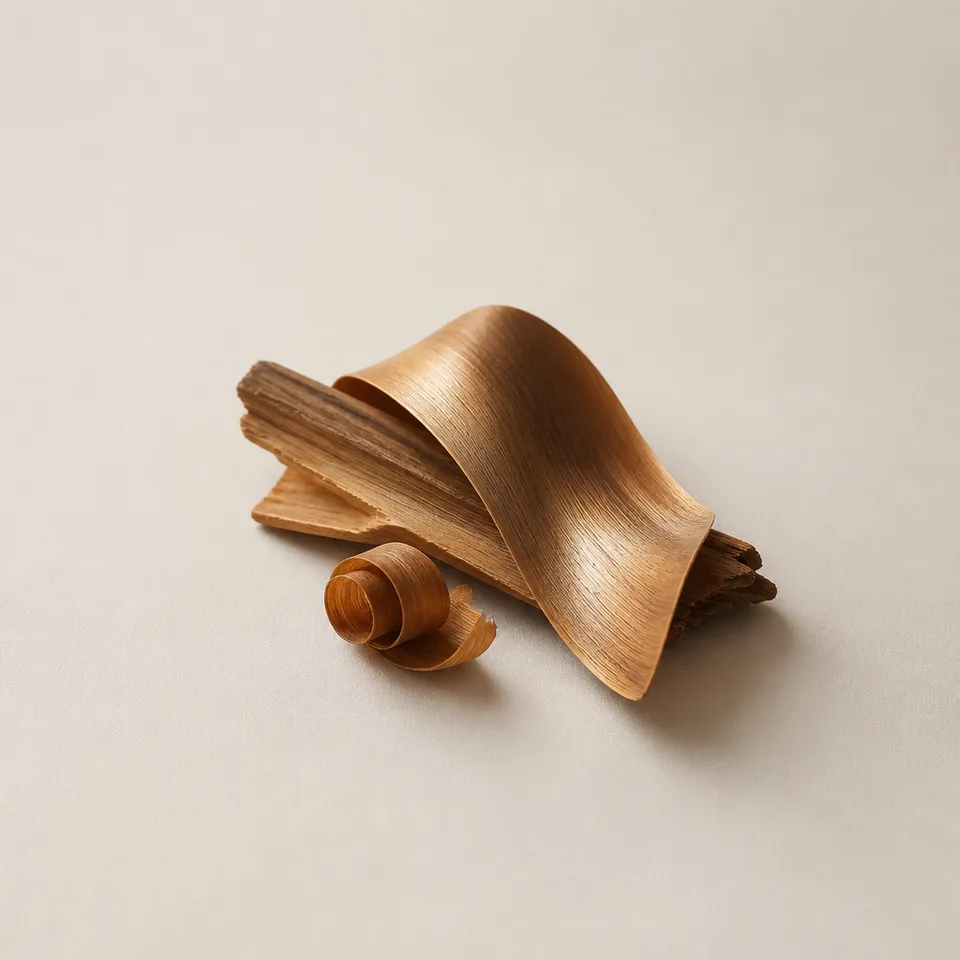
About Satin wood
Satin wood is catalogued here as a woody texture accord evoking satin rather than identifying a tree species or extract. The Different Company pairs Satin Wood with red rose in Oriental Lounge and describes the fragrance as wrapping skin in red satin. In a perfume note list, this wording communicates an intended olfactory image; it is not a complete ingredient declaration and does not by itself prove that the named object is physically present. Satinwood can also be a common timber name, but the perfume page provides no botanical identity or evidence of a natural extract.
Scent Profile
Its working profile suggests polished warm wood, supple fabric-like texture, restrained sweetness, and a smooth sheen beside rose petals. These descriptors concern smell, temperature, and texture rather than taste or touch. Depending on the materials around it, the impression may become brighter, denser, drier, softer, sweeter, or more transparent. Citrus can sharpen its outline; flowers can soften or expand it; woods, amber, and musk can extend its warmth or persistence without turning the note name into a literal ingredient statement.
Use in Perfumery
It can smooth the transition from spice into rose, amber, tonka, and labdanum, adding polished wood without coarse dryness. It may act as a featured theme or as a linking texture between fruity, floral, woody, spicy, gourmand, and musky parts of a composition. The cited product usage confirms the note name and its position or context in at least one fragrance, but it does not disclose the full recipe. Perceived sweetness, projection, diffusion, and persistence depend on dosage, concentration, and surrounding materials. It avoids unsupported claims about extraction, exact chemistry, natural-versus-synthetic percentage, regulatory status, or effects beyond scent.