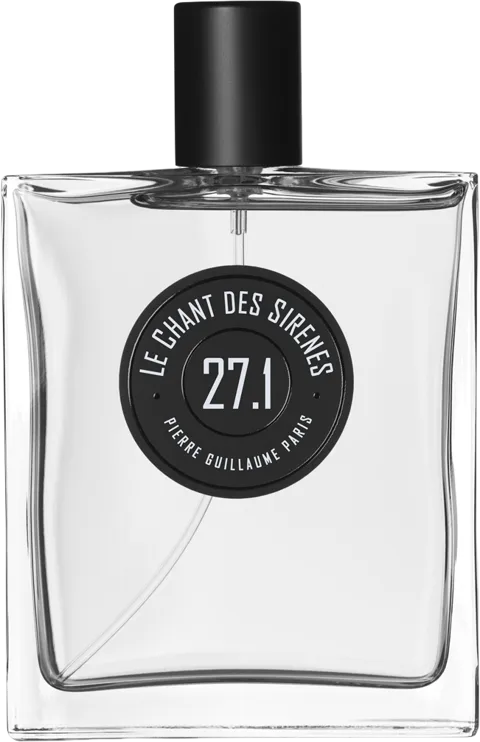
Rosewood Leaf
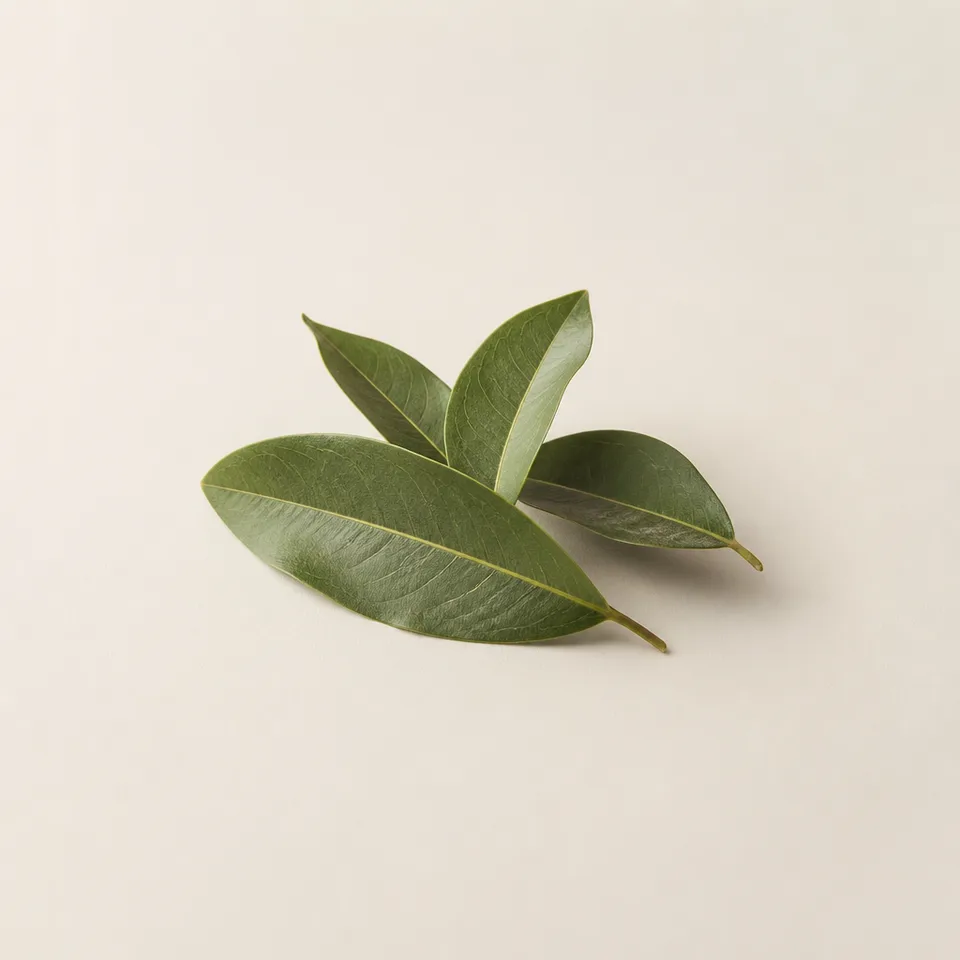
Rosewood leaf emphasises aromatic foliage rather than the wood itself.
Green
About Rosewood Leaf
Rosewood leaf emphasises aromatic foliage rather than the wood itself. Although it carries a woody plant name, it can introduce a fresher outline closer to fruit and coastal vegetation. A gentler greenness gives brighter fragrance materials a more distinctly botanical setting without making the composition heavily woody.
Scent Profile
A quieter herbal impression can meet watery fruit and warmer wood. It is better imagined through lighter foliage than through strong smoke or weighty resin. Fruit can make its character feel sweeter-tart, while salty woods can place the same greener texture in a scene reminiscent of sea wind.
Use in Perfumery
With star fruit, rosewood leaf can connect fresher fruit with the rounded balsams of almond wood and opoponax. Sea fennel and sandalwood allow its greenness to receive a coastal salty shade. The note gives softer aquatic compositions a plant-like outline as well as a sense of refreshing air.
Did You Know?
The name rosewood does not make wood and leaves identical in texture. Paying attention to a leaf description reveals a different botanical role within a marine fragrance. This distinction keeps the fresher foliage image separate from the qualities usually associated with timber.