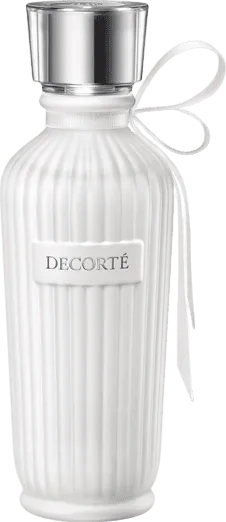
Hydrangea
A fresh, transparent floral note evoking rain-kissed hydrangeas—pure and delicate.
Floral
About Hydrangea
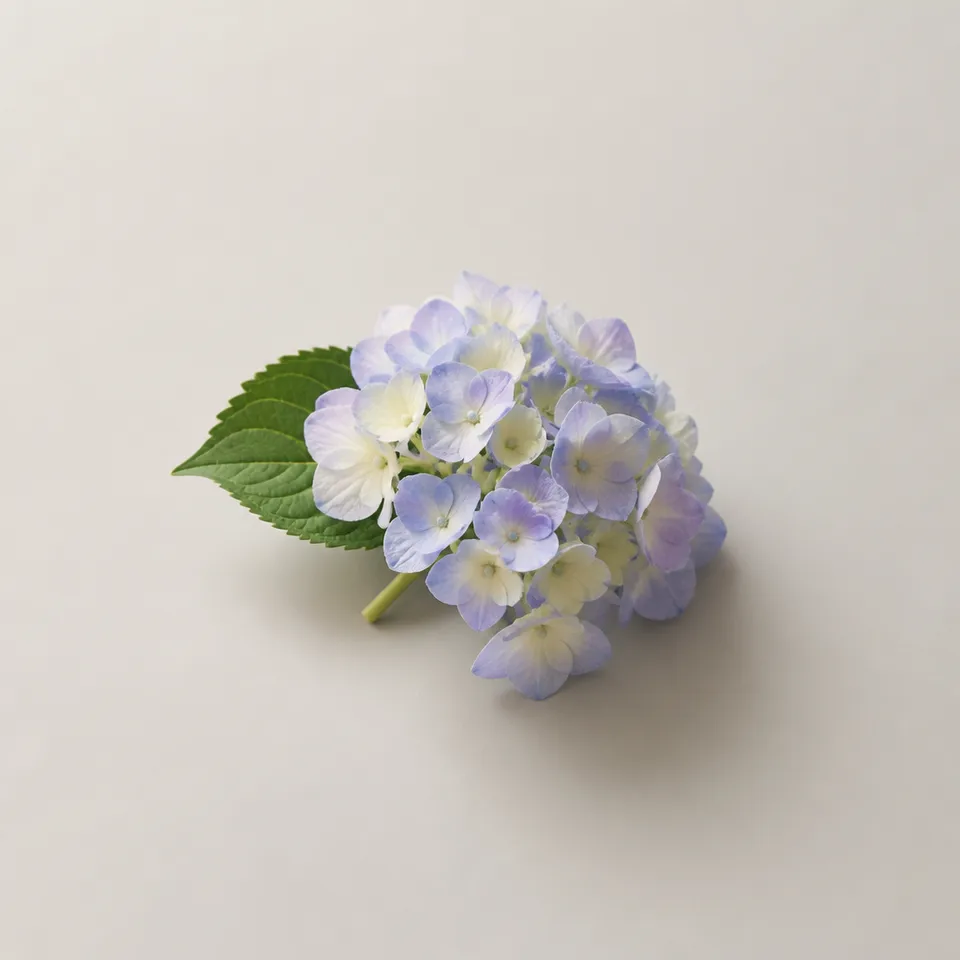
Hydrangea (Hydrangea macrophylla) is a deciduous shrub in the Hydrangeaceae family, native to East Asia, including Japan. It is widely loved for its blooms during the rainy season, and its flower color changes from blue to purple to pink depending on soil acidity. As a perfume material, essential oil is rarely extracted from the actual flowers; instead, hydrangea is primarily recreated as an accord (a blend of fragrance materials) using other floral ingredients to capture its character.
The scent of hydrangea is often described as 'almost scentless,' but upon close approach, a faint, green, water-laden floral aroma can be detected. To reproduce this delicate impression, perfumers often combine transparent floral materials such as cyclamen aldehyde, linalool, and hedione with green and aquatic nuances.
Scent Profile
The hydrangea note is classified as a fresh, transparent floral. In the top note, a green and aquatic impression reminiscent of rain-soaked petals and leaves unfolds, while the middle note reveals a soft floral sweetness. The base note adds a subtle musky or woody nuance, providing cleanliness and depth.
Overall, the scent is pure, delicate, and somewhat nostalgic rather than showy or rich. It evokes the quiet sound of rain during the rainy season and a moist atmosphere, carrying a distinctly Japanese aesthetic.
Use in Perfumery
The hydrangea note is primarily used in women's fragrances to create a sense of freshness and transparency. It is rarely the sole star; instead, it is often blended with other florals such as rose, jasmine, or peony to build a more complex bouquet.
Additionally, adding it to green or aquatic fragrances can impart a refreshing quality reminiscent of a garden after rain or morning dew. In recent years, hydrangea has been featured as a symbol of the rainy season in fragrances inspired by Japanese aesthetics and seasonal themes.