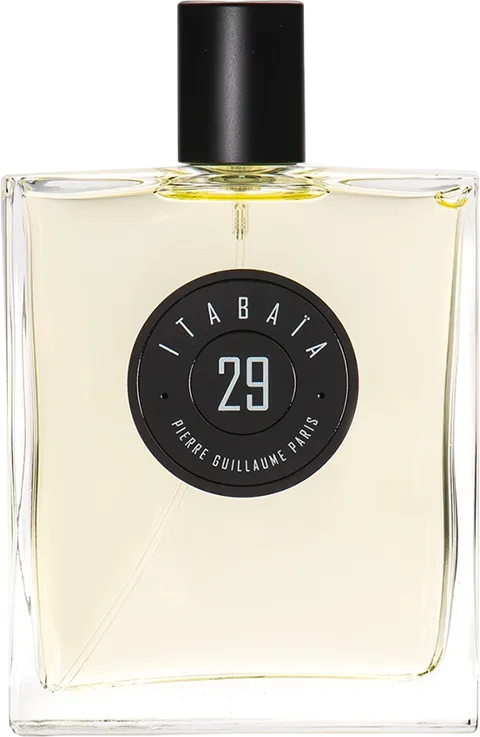
Hibiscus Wood
Hibiscus wood uses a plant name associated with flowers as the subject of a woody fragrance impression.
Woody
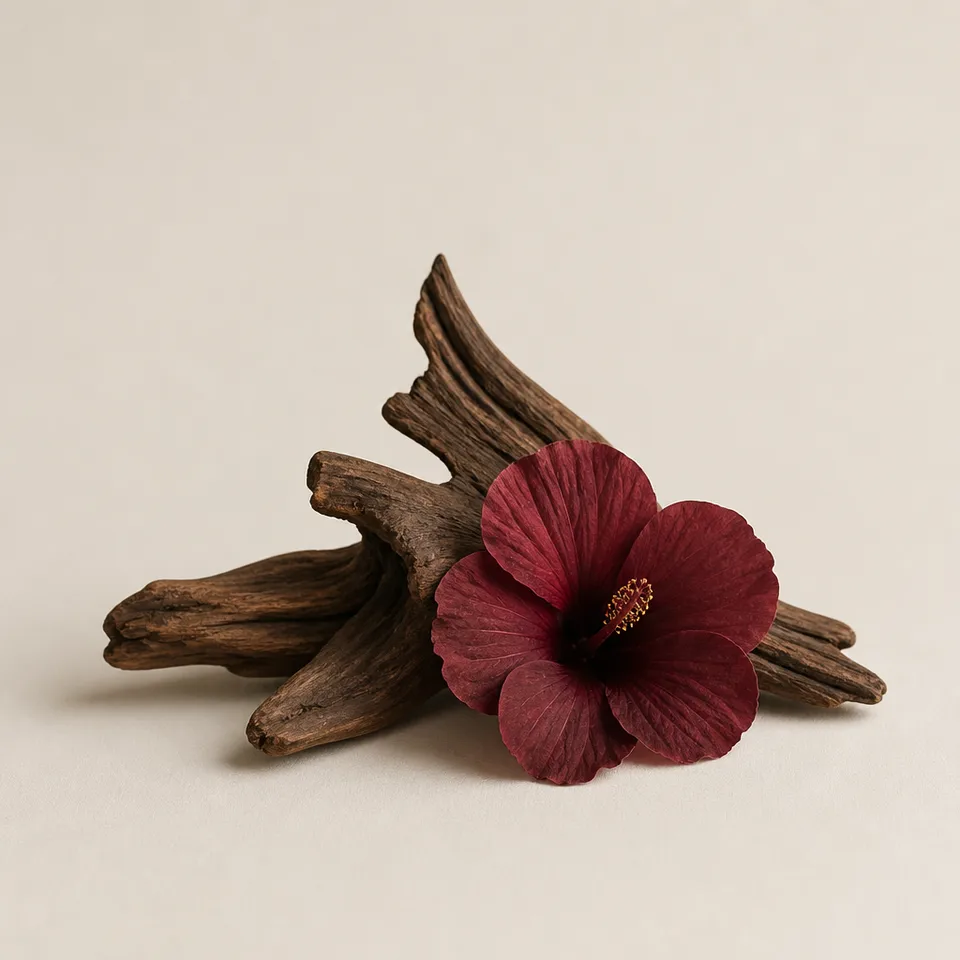
About Hibiscus Wood
Hibiscus wood uses a plant name associated with flowers as the subject of a woody fragrance impression. Attention shifts from vivid petals towards the outline of wood supporting a composition. It can provide a quieter vegetal background behind tropical fruit and flowers, balancing their more immediately colourful character.
Scent Profile
A drier woody texture can spread through softer floral and sweet materials. The image is better understood as support for a plant-like composition than as an emphatic effect of smoke or heavy resin. Beside fruit acidity, it can suggest a calmer woody fullness within the brighter fragrance.
Use in Perfumery
Citrus and passion fruit can be connected with hemp and greener flowers through this woody background. Vanilla receives a firmer outline, keeping the composition from relying entirely on softness. In a tropical setting, the wood can help create a quieter space behind the more vivid fruit and floral impressions.
Did You Know?
A wood named in a perfume does not necessarily establish the use of an extract from natural timber. Its role also differs from a hibiscus-flower note. Reading the plant name together with its stated part helps clarify the texture intended within the composition.