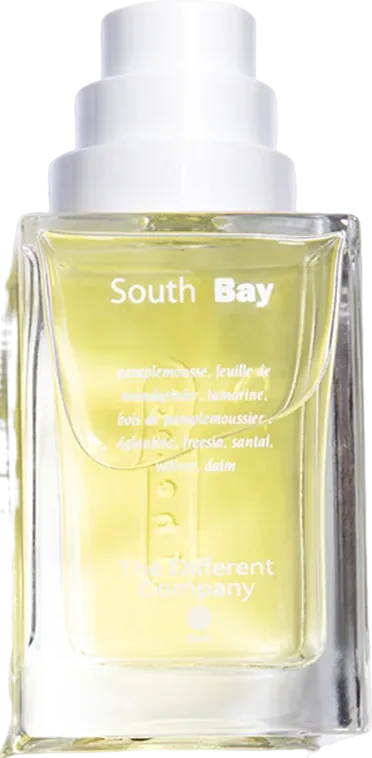
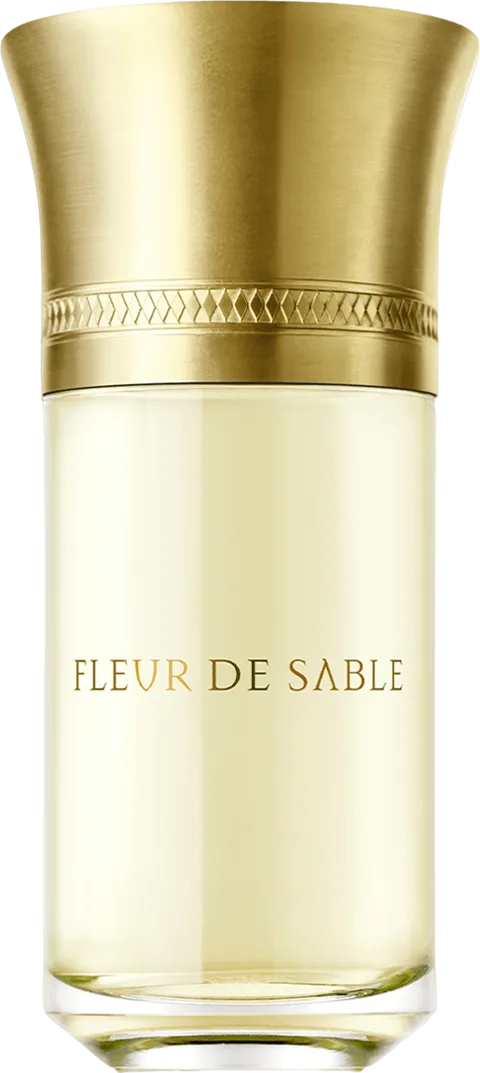
Eglantine
A light wild-rose note with small fresh petals, soft greenness, faint honey, and a delicate fruity lift.
Floral
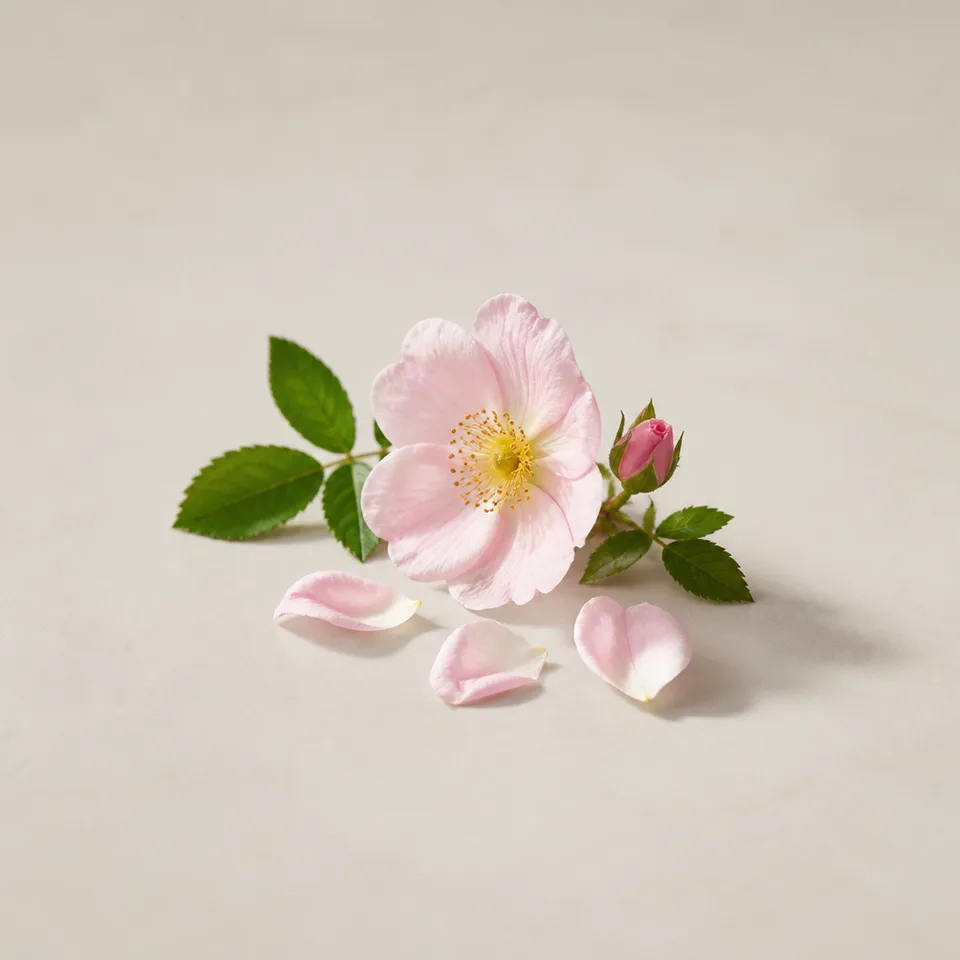
About Eglantine
Eglantine is a French-derived name for wild rose, and The Different Company’s own English note list for South Bay translates it as Wild Rose. Botanically, the name is associated with Rosa rubiginosa; Rosa eglanteria is treated as a synonym. A product note, however, does not prove that a specific natural rose extract was used.
Scent Profile
The intended profile is lighter and wilder than a dense cultivated-rose absolute: small fresh petals, soft greenness, faint honey, and a possible fruity lift. It can feel airy enough to sit inside a citrus landscape rather than taking over as a rose soliflore. The formula may use natural rose materials, reconstruction, or both.
Use in Perfumery
Eglantine provides a floral heart between grapefruit, mandarin leaf, tamarind, grapefruit wood, freesia, sandalwood, and suede. It preserves the bright outdoors character while adding petal softness and gentle romance. Its role is less about opulent rose depth and more about giving a sparkling citrus structure a natural-looking floral center. A note name records an intended olfactory effect; it does not necessarily declare that one raw material appears unchanged in the formula. The exact balance remains formula-specific, and perceived sweetness, greenness, diffusion, and persistence can change with dosage and surrounding materials. Unless the supplier or brand publishes the information, no botanical species, extraction route, chemical structure, or manufacturing process should be inferred from the name. Its catalog identity should therefore preserve the documented wording while separating verified source facts from sensory interpretation.