Cauliflower
An experimental vegetal-gourmand accord inspired by the volatile chemistry and culinary use of Brassica oleracea var. botrytis, interpreted in niche perfumery as a soft, creamy, subtly sulfuric note rather than a realistic cooked-vegetable smell.
Aromatic
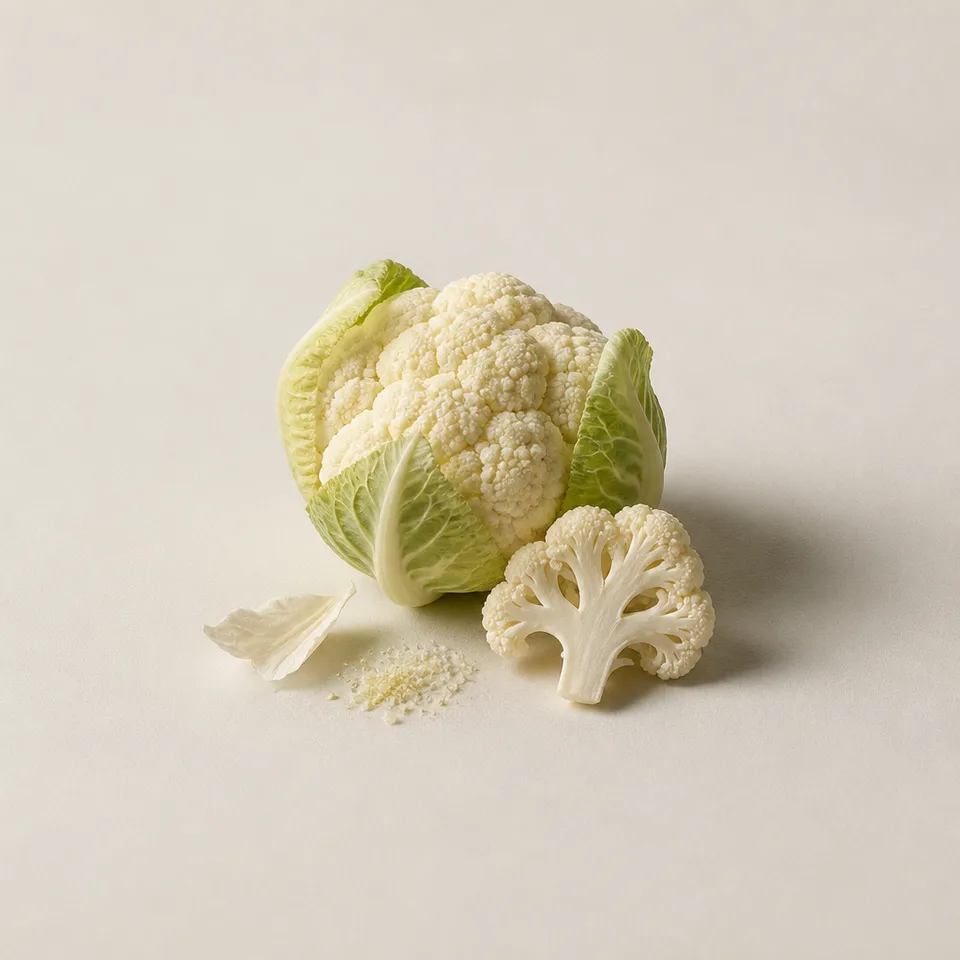
Cauliflower
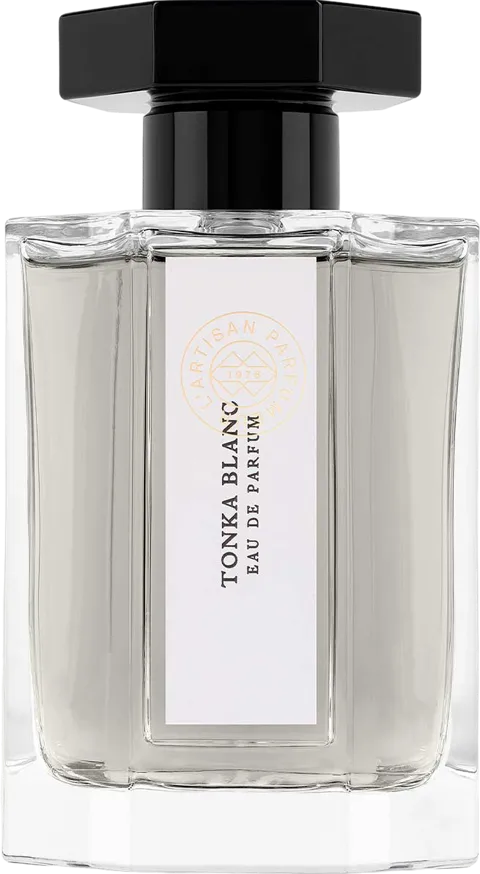
In perfumery, **cauliflower** refers primarily to an experimental **vegetable‑based accord** built around the aroma of *Brassica oleracea* var. *botrytis*, rather than a classic floral or spice note. Brand communication around Tonka Blanc by L’Artisan Parfumeur describes cauliflower as “a new plant‑based treat for perfumery,” suggesting the use of a natural vegetable extract for the top note, interpreted through a sweet, cocooning accord. Outside fragrance, cauliflower aroma has been studied extensively in food science: its volatile profile is dominated by sulfur compounds, isothiocyanates, nitriles, aldehydes and alcohols produced from glucosinolates and S‑methyl‑L‑cysteine sulfoxide. These data inform how perfumers may reconstruct the impression using existing sulfuric and green materials rather than formulating directly with cooked vegetable odor. Thus “cauliflower” in perfumery is best understood as a **conceptual gourmand‑vegetal accord** inspired by the chemistry and culinary use of the vegetable, not a standard essential oil or isolated aroma chemical.
Scent profile
Food science identifies key odorants of cooked cauliflower as dimethyl trisulfide, dimethyl sulfide, methanethiol and allyl isothiocyanate, responsible for sulfurous, pungent, and slightly bitter facets. At the same time, aldehydes such as 2‑butenal, hexanal, 2‑hexenal and nonanal contribute green, fatty, soup‑like and faintly floral nuances. In perfumery interpretation, the harsh sulfur character is usually softened or abstracted: L’Artisan’s cauliflower accord is described in marketing as **sweet, creamy, cocooning and slightly nutty**, especially when paired with tonka bean and almond facets. Critics note a warm, savoury, slightly sulfurous undertone that can evoke milk powder or dry, milky woods, while other reviewers report that the vegetable facet is barely perceptible, suggesting a very restrained dose. Overall, the perfumery “cauliflower” impression sits between **soft gourmand creaminess**, light **green‑nutty freshness**, and a discreet **warm sulfuric** shadow recalling steamed Brassica rather than strongly cooked cabbage.
Perfumery use
Cauliflower is not a traditional perfumery commodity like rose or patchouli; there is no widely traded cauliflower essential oil or absolute. Its use is currently confined to **modern niche experimentation**, notably in L’Artisan Parfumeur’s Le Potager collection, where it appears as a named top note and conceptual accord. The brand positions it as the first fragrance on the market to contain a natural vegetable extract, highlighting innovation in plant‑based gourmand themes. In formula construction, the cauliflower idea is typically embedded within **dessert‑like accords** of tonka bean, citrus and balsams, lending subtle savoury warmth and textural creaminess rather than overt vegetable realism. Reviews suggest the accord functions more as a **storytelling and texture note** than a dominant smell, used to differentiate soft gourmand compositions and explore the boundary between cuisine and fragrance. Because of its challenging sulfur chemistry, perfumers rely on careful dosing and abstract reconstruction, making cauliflower a **niche, experimental accord** rather than a broadly adopted perfumery material.