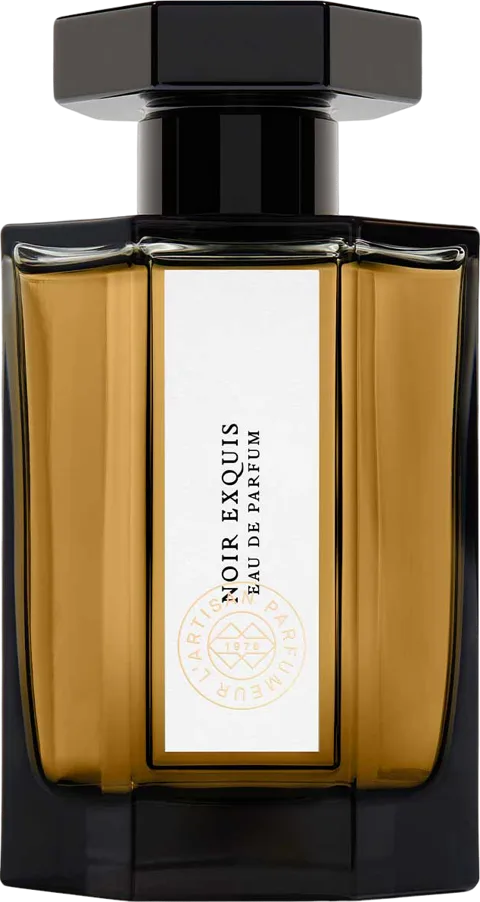
Candied Orange
A constructed gourmand citrus accord recreating the sweet, syrupy aroma of sugar‑candied orange peel using orange materials plus vanillic and caramelic sweetness.
Aromatic
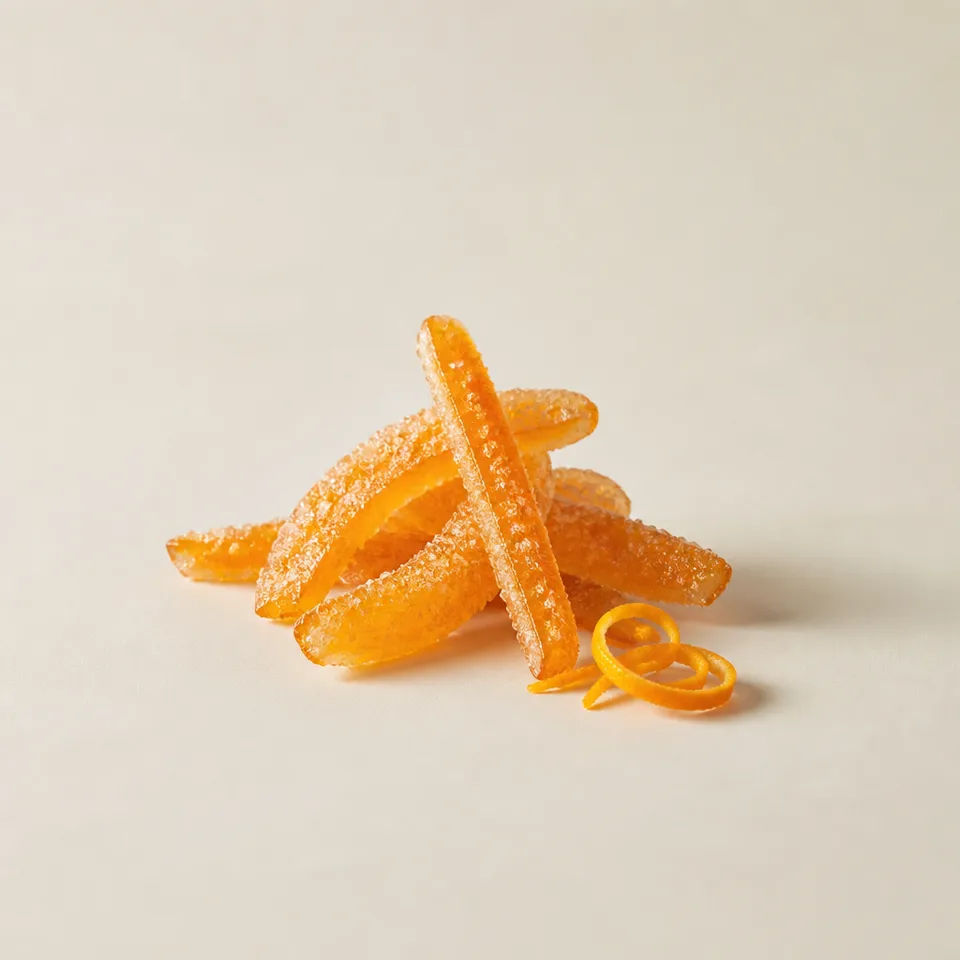
Candied Orange
Candied orange in perfumery denotes a **constructed gourmand accord** that reproduces the smell of orange peel cooked in sugar, rather than a distinct natural extract or single molecule. It typically combines **citrus materials** (sweet orange, orange peel oils, orange terpenes) with **vanillic, caramelic and sugary notes** to suggest confectionery-style orange confit. Ingredient lists for gourmand perfumes featuring candied orange almost always show standard orange peel oil alongside vanilla and sweet synthetics, indicating that the effect is built from existing palette materials rather than a proprietary captive. Perfumers treat it as a specialized sub‑type of citrus–gourmand accord, bridging classic orange notes with patisserie impressions such as panettone, custard cream or boozy desserts.
Scent Profile
The accord centers on a **warm, sweet, peel‑like orange** impression, less juicy than fresh orange and with reduced acidity. Descriptions emphasize *candied orange*, *candied citrus*, or *orange confit*, highlighting a sugary, syrupy brightness over zesty sharpness. Top notes typically evoke orange peel softened by sugar syrup, often supported by lemon zest or other candied fruits for extra sparkle. The sweetness is deepened by vanilla, tonka, and caramel facets that mimic pastry cream, rum‑soaked cake, or chocolate desserts, creating a rounded, almost sticky texture. Compared with a straightforward sweet orange oil, candied orange smells more like bakery or holiday confectionery, with a subtle cooked‑fruit nuance and occasionally a faint boozy tone from rum or liqueur accords.
Perfumery Use
Candied orange is used to add a **dessert‑like citrus gourmand** character, particularly in oriental, amber and gourmand compositions. It often appears in the opening of fragrances that reference panettone, patisserie, cotton candy or boozy vanilla desserts, acting as a playful bridge between bright citrus and rich edible notes. The accord pairs well with vanilla, musks and light woods to form soft, comforting trails, and with rum, chocolate and nuts for more indulgent “bakery” effects. Perfumers may build it from orange peel oil and lemon zest combined with vanillin, ethyl vanillin, caramelic aroma chemicals and sugar accords, adjusting the citrus–sweet balance depending on context—more sparkling in fruity florals, more dense in wintery, pastry‑inspired scents. While popular in modern gourmand perfumery, it remains a flexible secondary accord rather than a fundamental perfumery building block like plain orange or vanilla.