Five Popular Japanese Perfumes You Can Only Meet in Japan
Five fragrances shaped by Japanese life and aesthetics, and cherished over time. From an ink-dyed rose to deep-steamed green tea and shiso, white peach and oolong, clean savon with powdery florals, and vivid green woods, each is introduced with the moments it suits best.
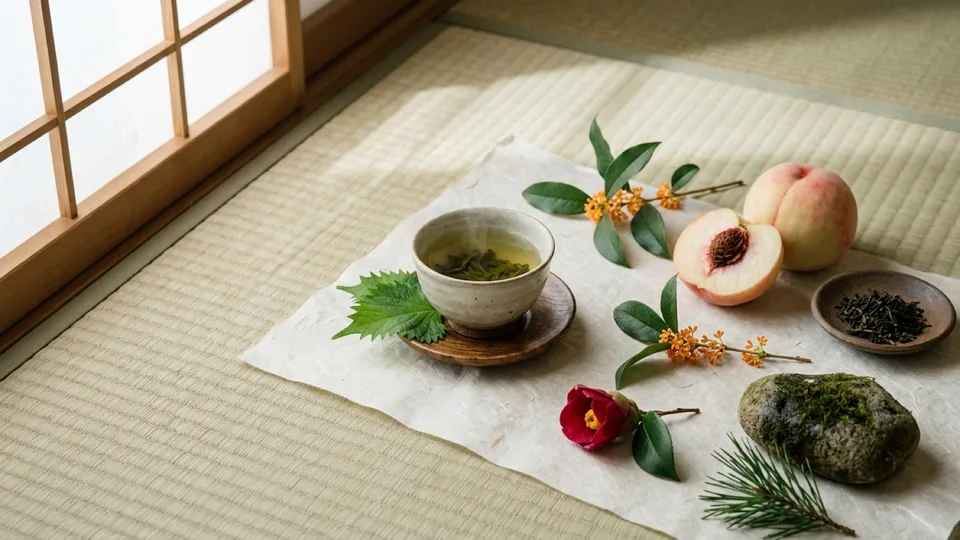
Fragrance reflects the life, seasons, and aesthetic sensibility of the place where it is created. Japanese perfumery carries a richness of its own, from colognes that have remained familiar drugstore staples for decades to small-label releases that draw attention whenever they return to stock.
From the Japanese fragrances covered on the show, we have chosen five as an inviting introduction to that world. An ink-dyed rose blooming in a tearoom before dawn, deep-steamed green tea and shiso, white peach and oolong, powdery florals over clean savon, and a vivid green cologne found on drugstore shelves: these are fragrances whose surrounding landscapes are as compelling as the scents themselves.
An Ink-Dyed Rose in a Tearoom Before Dawn
Parfum Satori's Wabisuke stands as something like a summit of Japanese niche perfumery. It arrived fifteen years after the house's signature Hyouge, as the form in which perfumer Satori Osawa finally reached her own idea of wabi.
Its subject is the "dawn tea ceremony," held in the coldest days around the start of spring, with only charcoal light in the darkness. From the cold, taut opening of davana and patchouli, a rose and lilac drained of saturation bloom quietly, and the fragrance sinks into borneol, ink, and resin. The wabisuke camellia barely has a scent at all, and turning that absence into perfume as a pure concept is astonishing subtraction. It belongs to nights when you want to sit with yourself, or to days when you dress with care.
Rose is at the center, but not a radiant one. It is placed here as a rose with shadow, its saturation lowered to what has been described as deep crimson mixed with purple ink. Davana brings tension to that stillness — ripe fruit, herbs, and a liqueur-like fermented quality make it distinctive, and it adds complex depth to the cold air before dawn. Borneol remains at the very end: cool and camphoraceous, close to pine, it creates a dry, purified trail like a Japanese room where the smell of ink still lingers. That landing is what makes Wabisuke a perfume of silence.
The Quiet Left at the Bottom of a Teacup
When people hear "green tea fragrance," most imagine a fresh tea accord lifted with bergamot. R fragrance's Trump Club rewrites that image completely.
Instead of leaning on citrus, it draws an entire Japanese room using only the sharp green of shiso and the depth of deep-steamed green tea. Jasmine joins in the heart, giving the roundness of tea leaves scented with flowers, and the drydown sinks into tatami and moss — the stillness of a tearoom after rain. It stays close to the skin, so it sits well beside reading, work, or any quiet hour of concentration. Knowing that the brand composes and produces everything in Japan makes that realism easier to understand.
At the center is green tea itself: the transparency of the leaf, a light bitterness, the clean feeling of steam — though here it is the body and umami of deep-steamed tea, rather than simple freshness, that is carefully drawn. Shiso gives that tea its sharp outline: cool like mint, but with green leaf and a light spice, unmistakably Japanese, and exactly where this perfume parts ways with Western tea fragrances. The landing point is tatami, a plain, grounding scent of dry straw and hay that makes a room appear at the end of the fragrance. As a way of drawing a space with scent, it could hardly be more Japanese.
From a Cold Name to Body Temperature
A name like "Mineral" suggests something cold — bare rock, sea wind. 5W1H's 01 MINERAL gently refuses that expectation.
It opens with white peach and green apple, layered with the transparency of steam rising from oolong tea. From that cool, clear entrance it moves into the soapy flowers of lily-of-the-valley and orange blossom, and finally lands on vanilla and musk, a sweetness close to the warmth of skin. That gradation — a raw stone slowly warming — is the best thing about it. It stays within personal space, which makes it easy to wear at work or on a day spent close to someone.
White peach leads the opening: a refined peach note with pale sweetness, smooth flesh, and clear juiciness. It never goes fully juicy, and that restraint is what keeps the fragrance elegant. Oolong tea then tightens that sweetness — with the toasted quality of fermented leaf, a dry astringency, and a floral echo, it is used here as something close to fresh steam. And lily-of-the-valley opens the heart: small white flowers, green stems, morning dew. It is the core of the clean, soapy impression, and the hinge that connects the cold beginning to the soft ending.
Soft Florals on a White Shirt
Aiam's Chapter 65 is a powdery floral musk that feels more like clean fabric and soft knitwear than a sharply soapy scent. Lemon, bergamot, and savon brighten the opening before violet and orange blossom form a pale floral bouquet. Musk, sandalwood, and amber then settle into a warmth that stays close to the skin. It suits mornings when you want fragrance to feel composed rather than conspicuous, or days spent at conversational distance.
Savon gives the opening its clean white impression, carrying citrus brightness toward the florals. Violet brings a cool, powdery softness to the heart and creates the fragrance's youthful tenderness. Musk closes the structure with the warmth of clean skin and soft fabric, quietly drawing the bouquet together.
A Legendary Scent, Sitting on a Drugstore Shelf
Released in 1978, and still available in any Japanese drugstore. Put that way, it sounds like an ordinary men's cologne. But Shiseido's Tactics Cologne is also a cult classic that trades at astonishing prices on the vintage market abroad. Ordinary from inside Japan, almost mythical from outside — that double life is part of its appeal.
The opening is a vivid green sharp enough to wake you up. Galbanum and juniper berry rise together, then the air shifts into pine and cedar, and it finally settles into the clean, fine-soap warmth of oakmoss and musk. It never pushes with sweetness, so it works in an office, and although it was made for men, anyone can wear it. It suits spring and early summer best, the season of a single shirt.
That vivid opening is built on galbanum — a note with the bitterness of a snapped green leaf and a resinous edge, giving the first minutes a taut, bracing tension. Pine appears in the heart, carrying the dry air and resin of a coniferous forest; because of it, the green never stays merely grassy but opens out into the depth of woods. And oakmoss closes the composition, its calm, mossy bitterness adding shadow to the soap-clean impression. It is the material that supported the structure of classic perfumery, and perhaps the reason this one has been loved for so long.
All five are closely connected to everyday life and the memory of seasons in Japan. Rather than choosing only by fragrance family, try starting with the place or the hour you would like to wear. If one catches your attention, listen to its episode as well, and notice what landscape comes to mind when you wear it yourself.
Perfumes featured in this collection
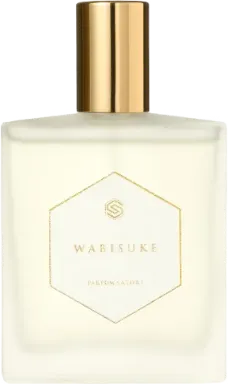 Wabisuke
A quiet blend of ink-dark rose and borneol, inspired by a tea gathering at dawn.
 Trump Club
Made entirely in Japan, it conjures a distinctly Japanese atmosphere with deep-steamed green tea and shiso.
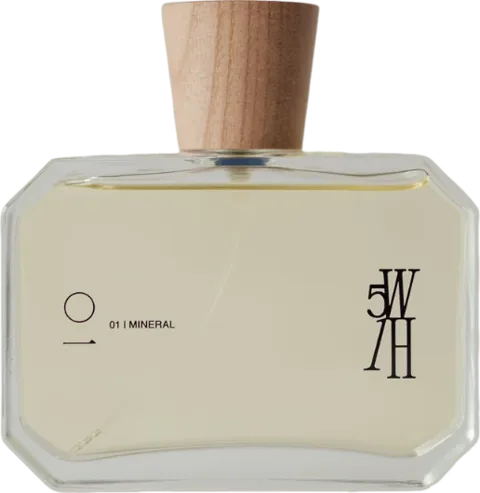 01 Mineral
White peach and oolong tea move from cool mineral clarity toward the warmth of skin.
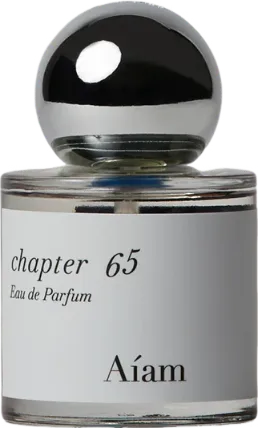 Chapter 65
Soap, powdery flowers, and musk trace the memory of clean skin.
 TACTICS COLOGNE
An acclaimed green fragrance found in Japanese drugstores but considered nearly impossible to find overseas.