Lanvin
A French house founded in Paris in 1889, extending a mother-daughter dialogue, color, and decorative art across fashion, interiors, and fragrance.
France

About Lanvin
Lanvin grew from clothes a mother made for her daughter into a Paris house encompassing women, children, men, interiors, and fragrance. Private family feeling became public design through embroidery, color, music, and the decorative arts. That personal origin remains visible in the emblem of the founder and her daughter Marguerite, one of the house's best-known codes.
History
After training as a milliner, the founder opened her first Paris shop in 1889 at the age of twenty-two. In 1893 she established her namesake house on Rue du Faubourg Saint-Honoré. Clothes made as Marguerite grew led from childrenswear into women's fashion, while the 1920s brought a dye factory, interiors, menswear, and fragrance. Lanvin Parfums was established in 1924, extending the house's approach to color, ornament, and intimate ritual into scent.
Philosophy & Signature Style
Lanvin blue, intricate embroidery, bows, daisies, long lines, and the mother-and-child logo connect decoration with emotion. In fragrance, flowers, aldehydes, fruit, tea, musk, and woods are often arranged with a similarly legible sense of movement, from an articulate opening toward a softer resonance. The approach does not confine heritage to one decade: intimacy and Parisian lightness are rebalanced for successive generations, allowing archival codes and contemporary clarity to coexist.
Iconic Fragrances
*Arpège* was presented in 1927 as a tribute to music-loving Marguerite on her thirtieth birthday, turning the mother-daughter bond into one of the house's defining fragrance stories. *Éclat d'Arpège*, *Modern Princess*, and *Jeanne Lanvin* show later interpretations of that lineage, shifting the emphasis toward transparent florals, fruit, tea, musk, and an easy modern femininity while retaining Lanvin's decorative and emotional vocabulary.
Perfumes by this brand
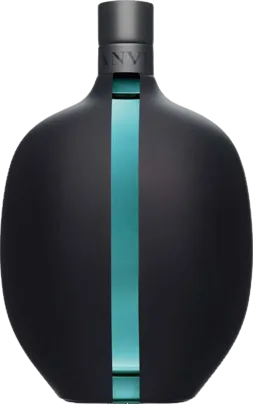 Avant Garde (2011 for Men)
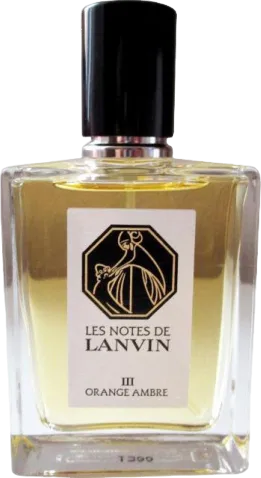 Orange Ambre
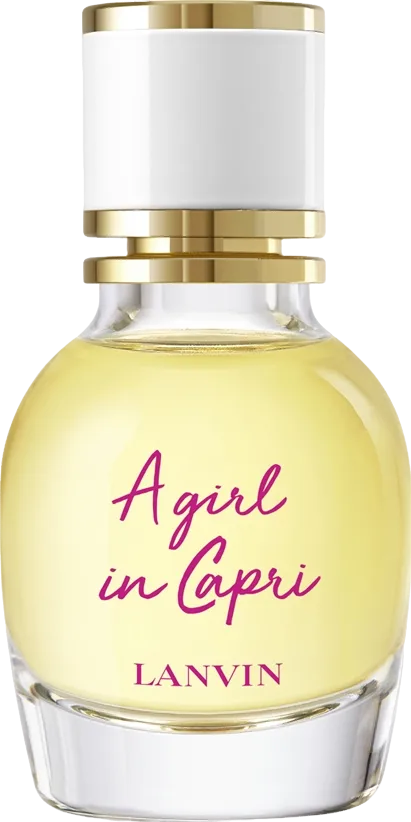 A Girl In Capri
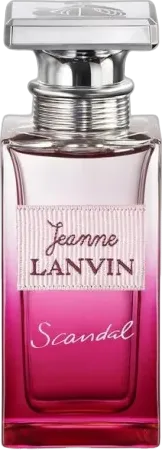 Jeanne Lanvin Scandal
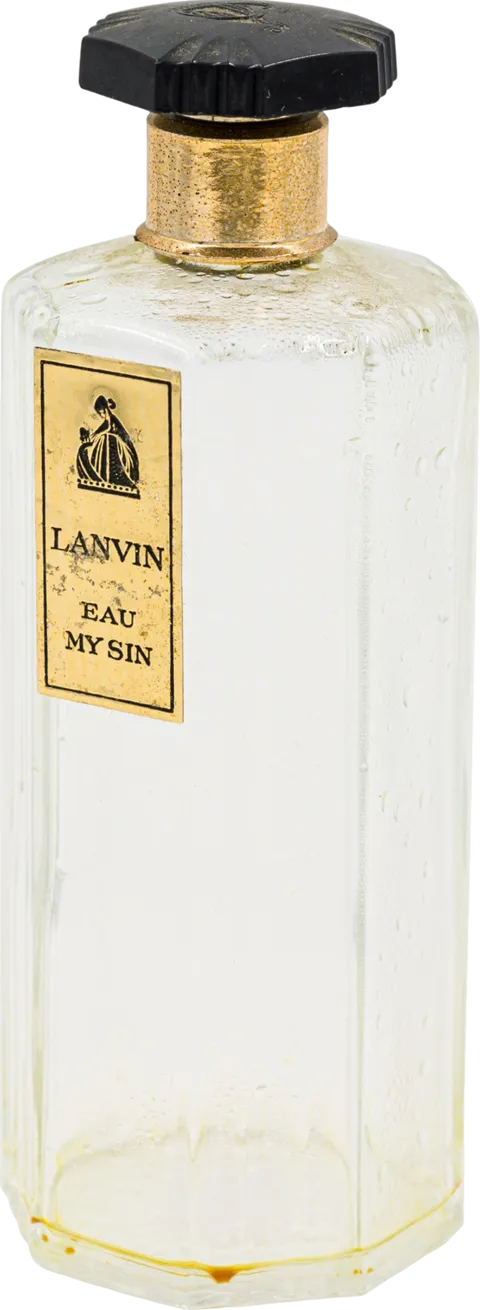 Eau My Sin
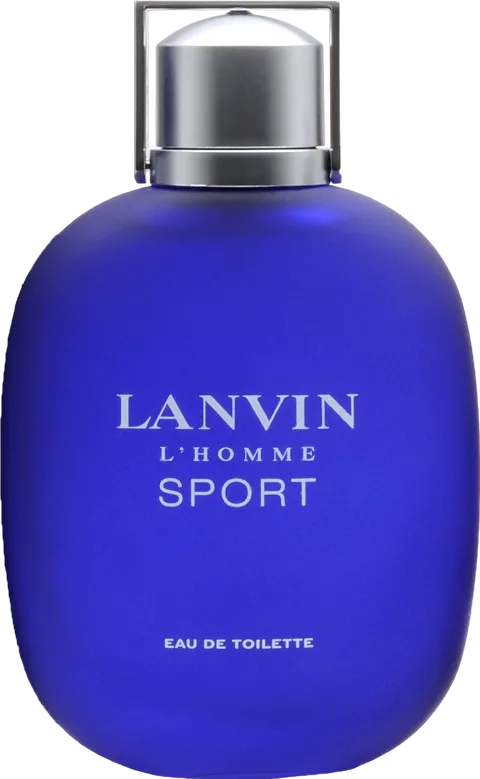 L'Homme Sport
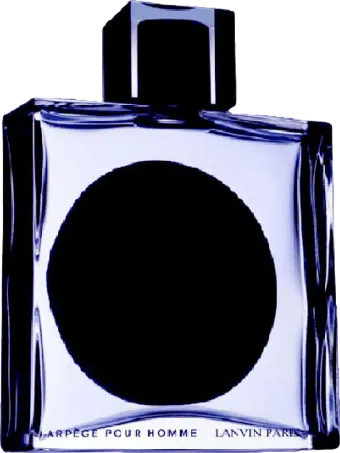 Arpege Pour Homme
 Jeanne La Rose
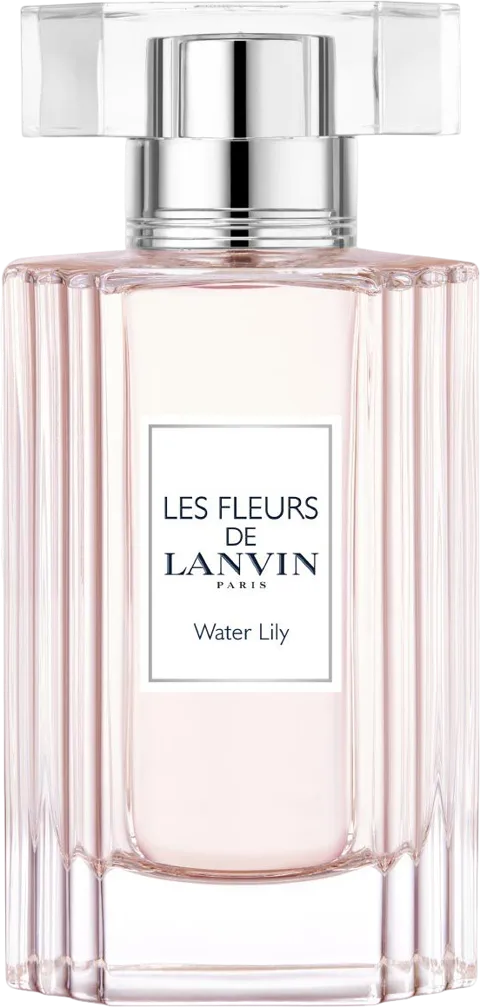 Water Lily
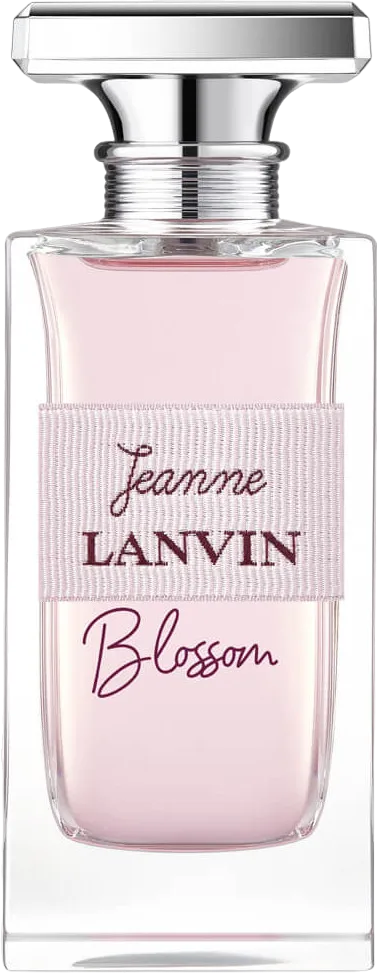 Jeanne Lanvin Blossom
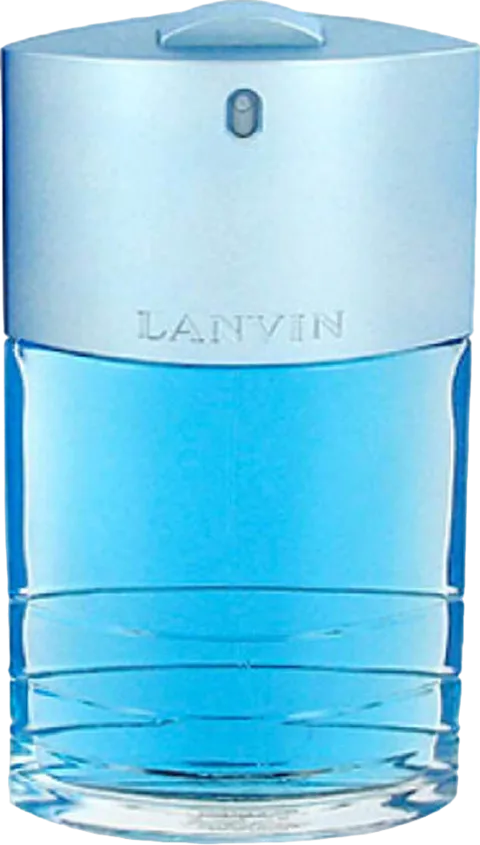 Oxygene Homme
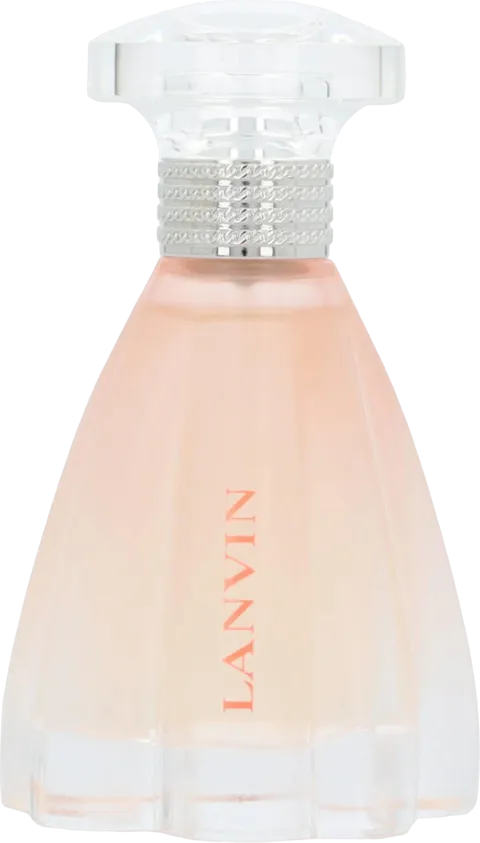 Modern Princess Eau Sensuelle
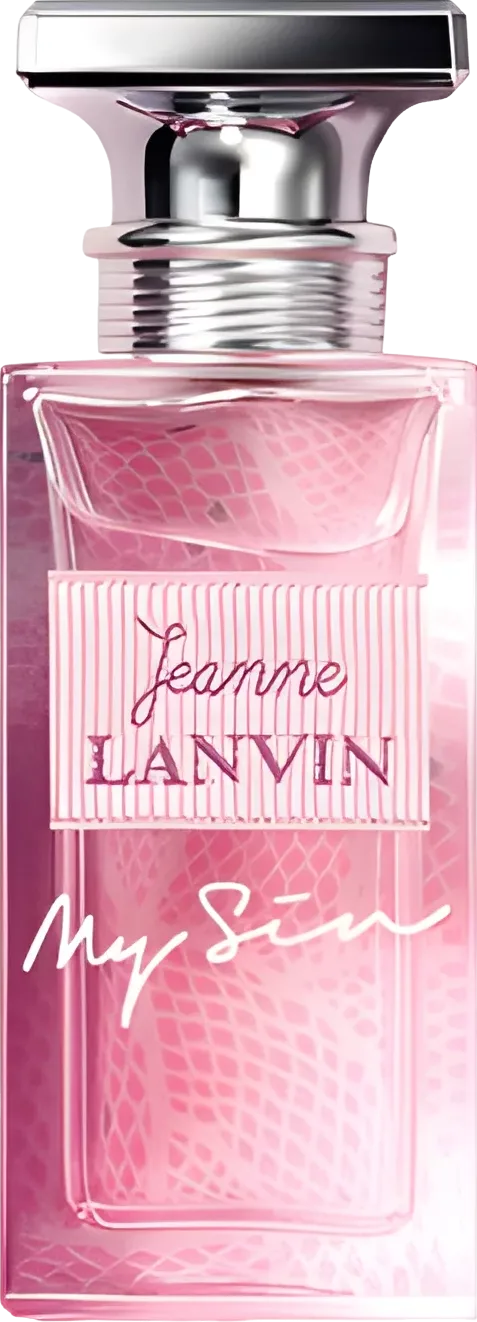 My Sin (2017)
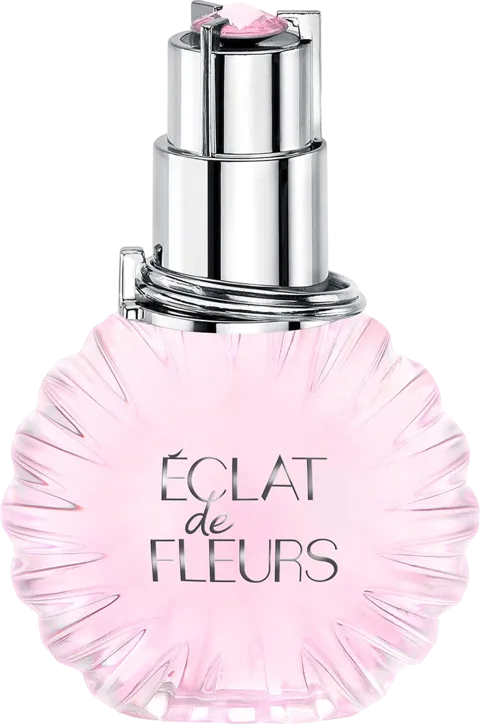 Eclat de Fleurs
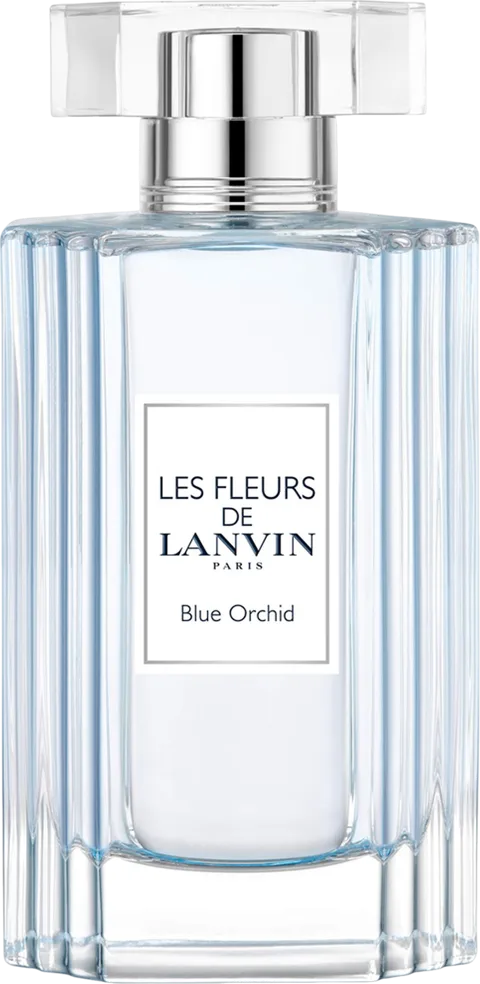 Blue Orchid
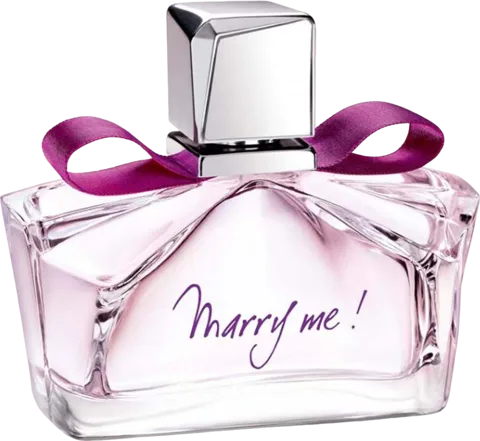 Marry Me
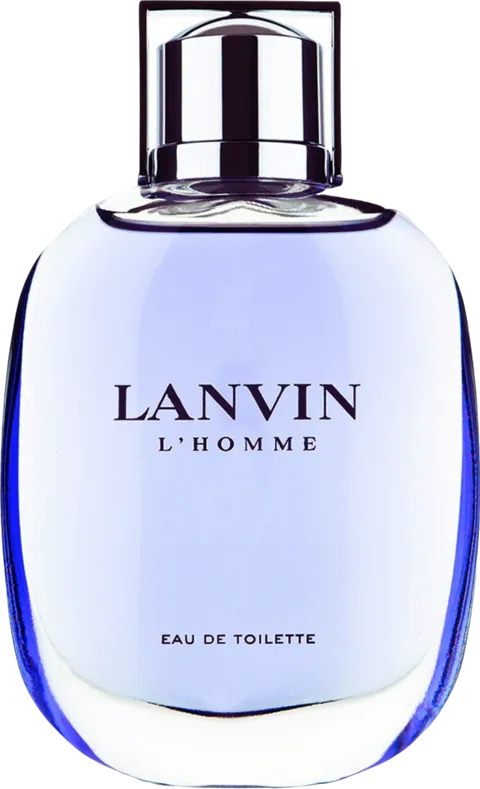 Lanvin L'Homme
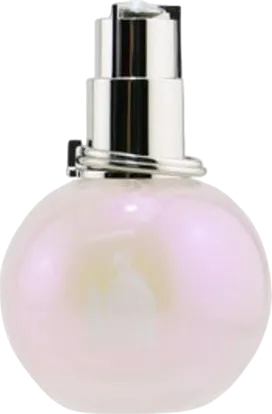 Éclat d'Arpège Sheer
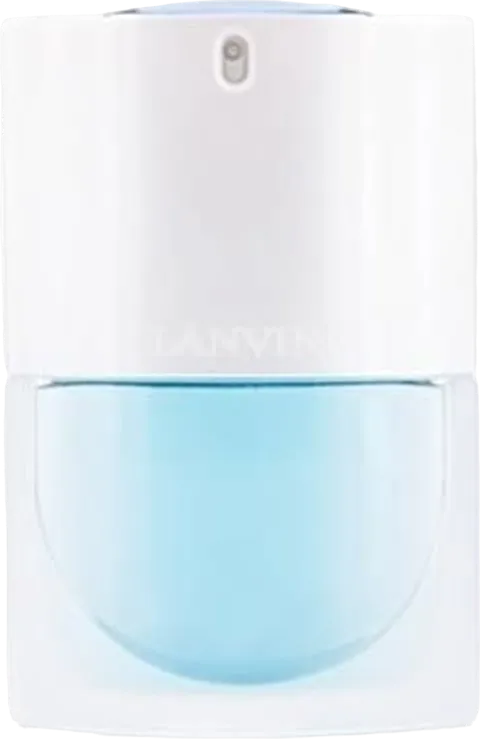 Oxygene
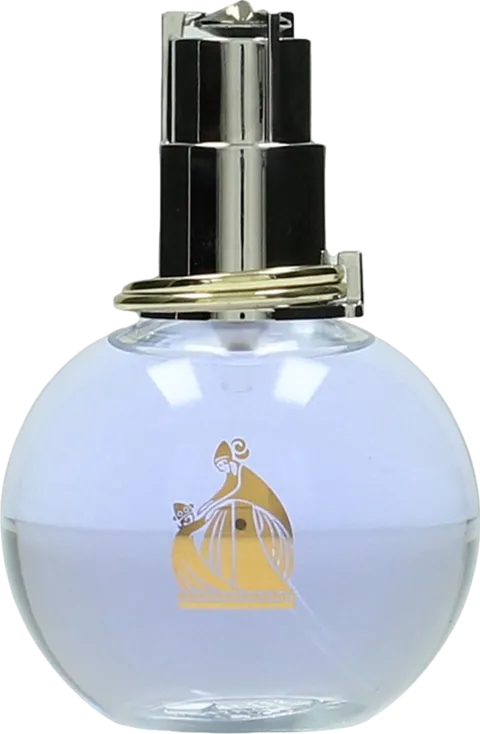 Eclat d'Arpege (2010)
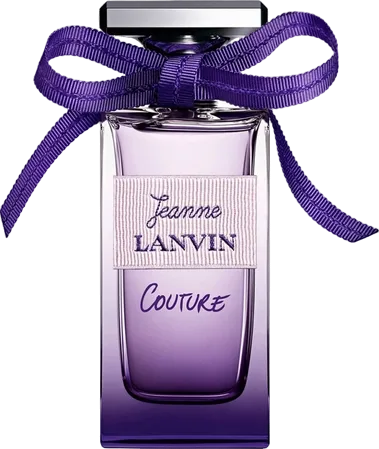 Jeanne Lanvin Couture
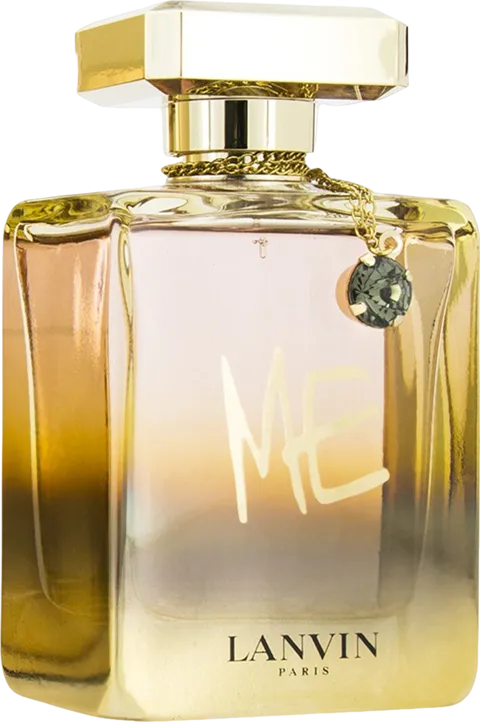 Lanvin Me L'Absolu
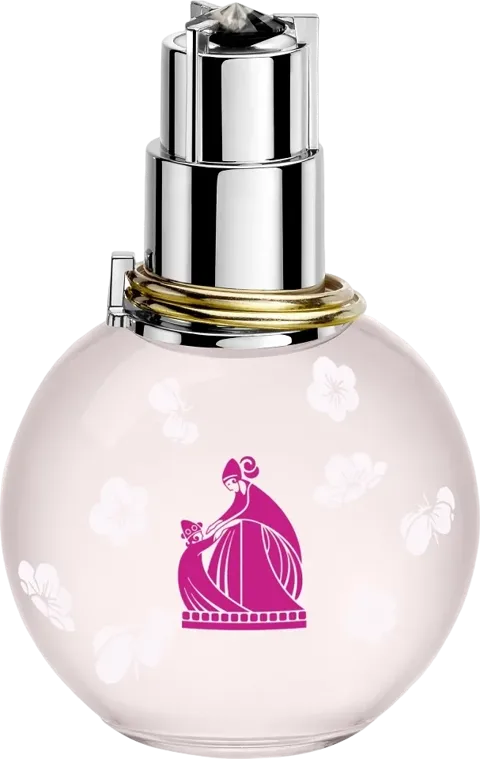 Éclat d'Arpège White Tea
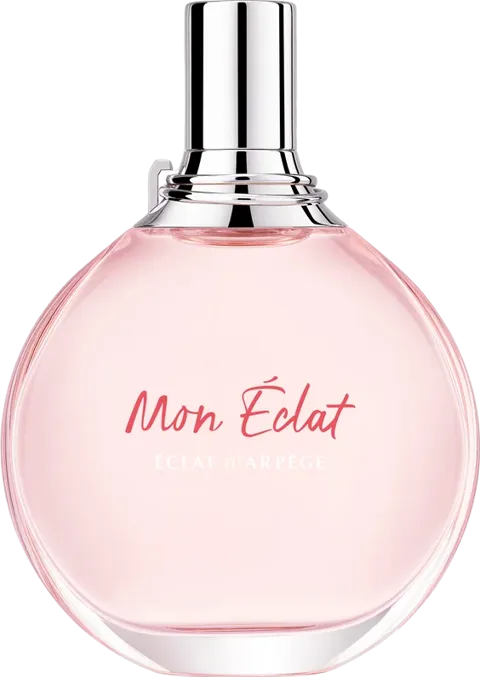 Éclat d'Arpège Mon Éclat
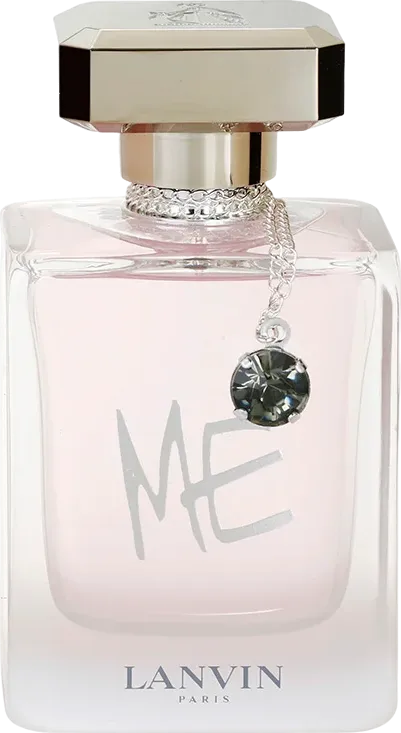 Lanvin Me L'Eau
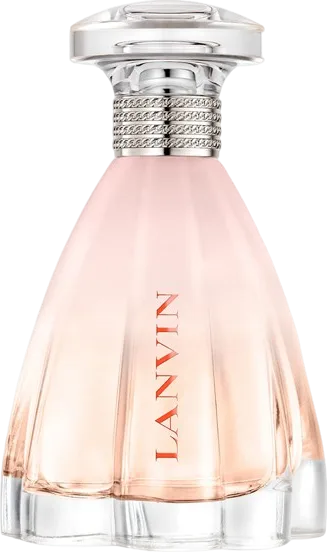 Modern Princess
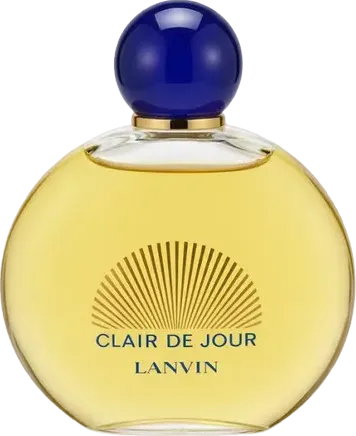 Clair de Jour
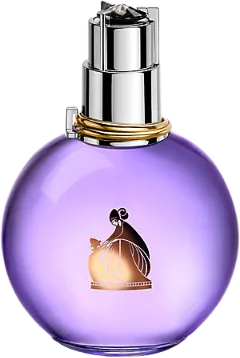 Éclat d'Arpège
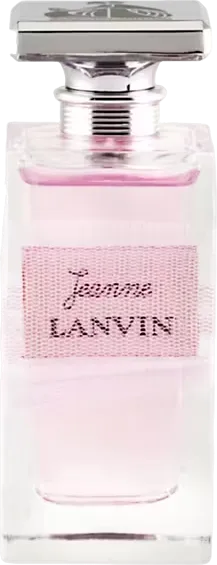 Jeanne Lanvin
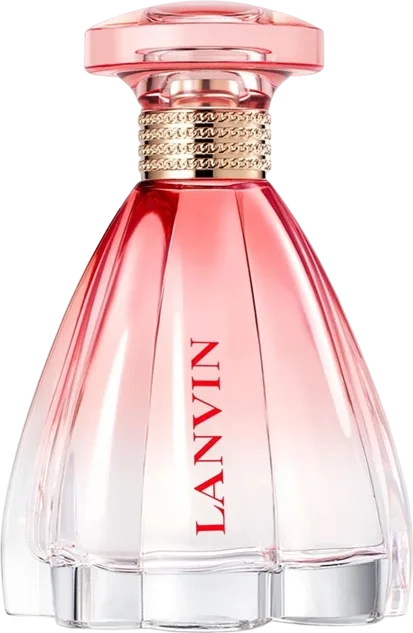 Modern Princess Blooming
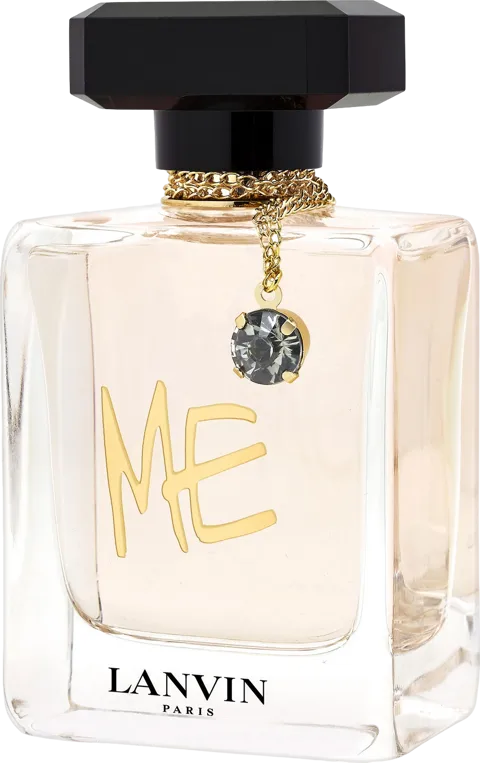 Lanvin Me
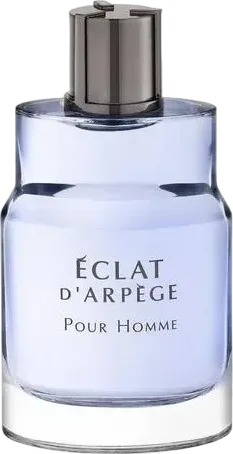 Eclat d'Arpege Pour Homme
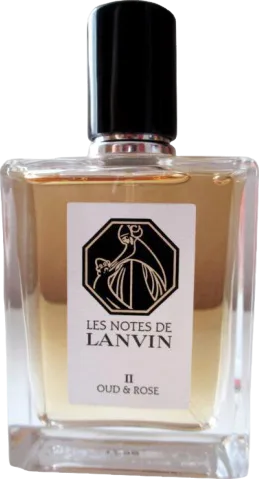 Oud & Rose
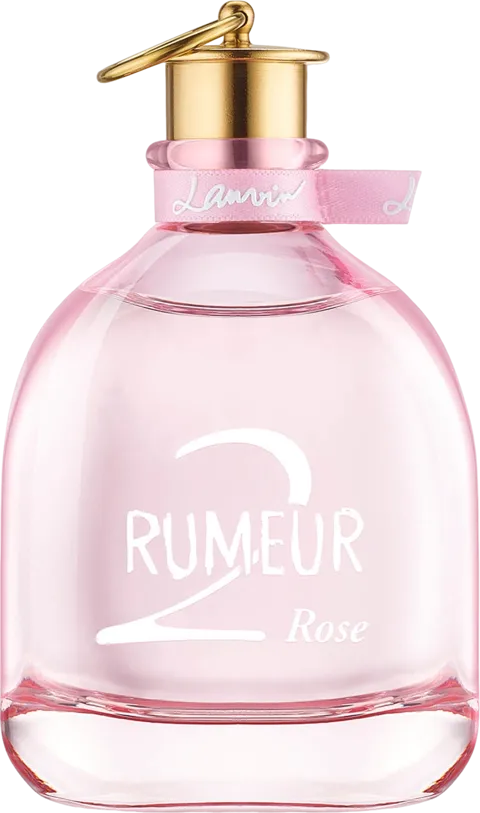 Rumeur 2 Rose
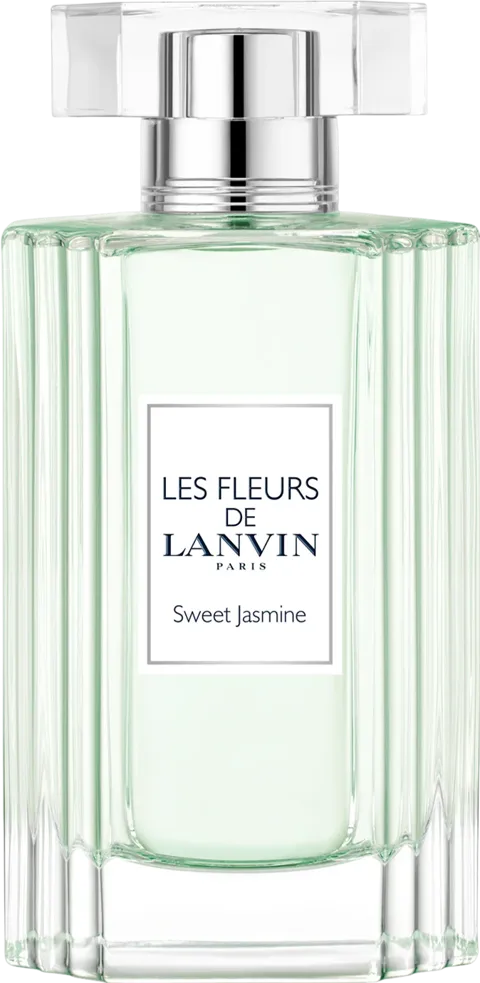 Sweet Jasmine
 Éclat de Nuit
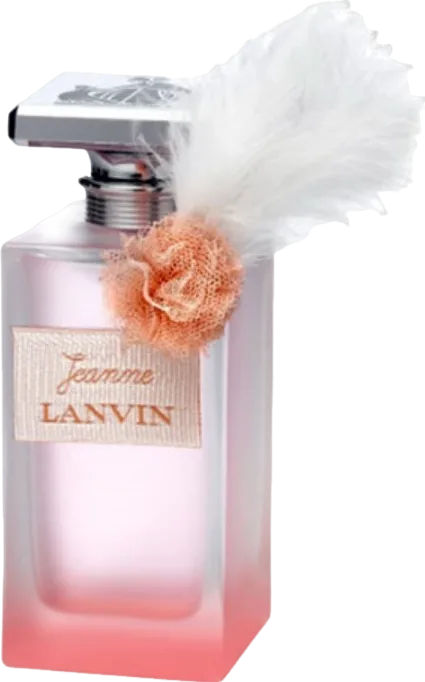 Jeanne La Plume
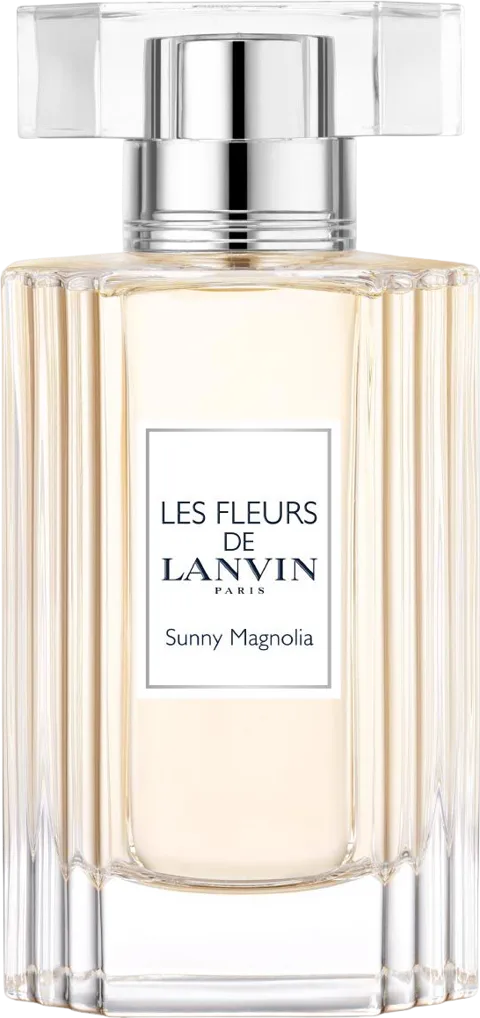 Sunny Magnolia
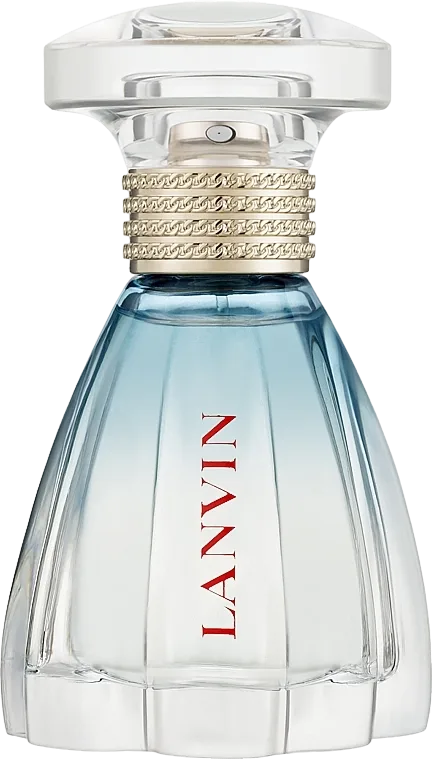 Modern Princess in Jeans
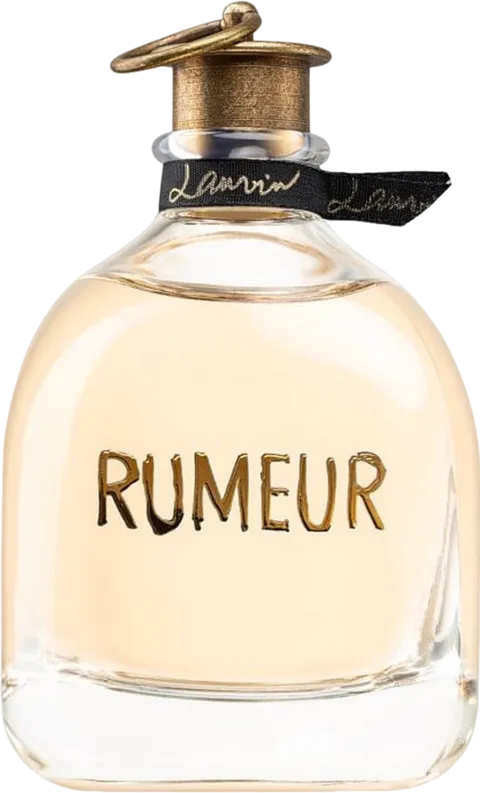 Rumeur
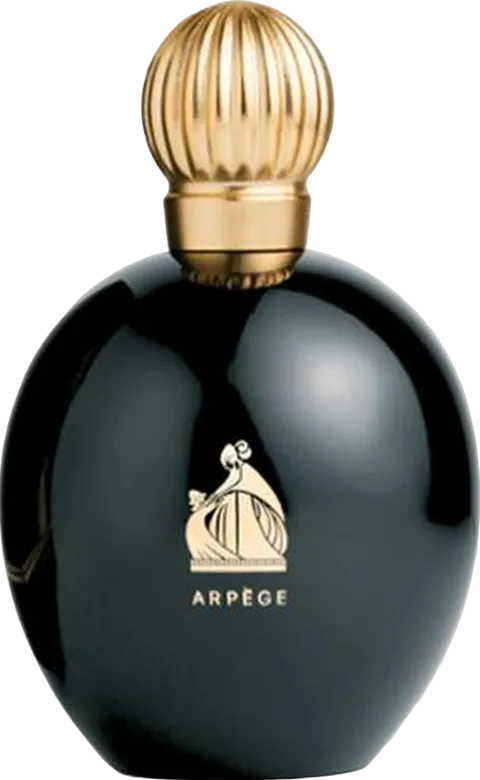 Arpège
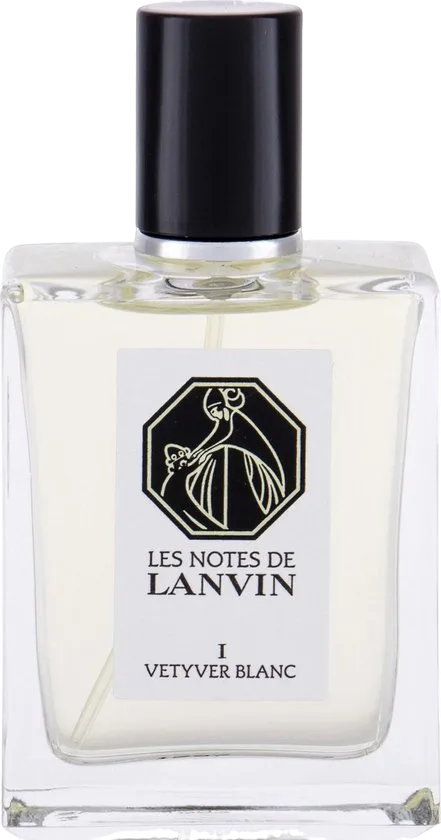 Vetyver Blanc
 Vetyver (2003)